
Hair Care
4 Ways to Handle Your Dog’s Remains
Jul
Losing a dog creates an unusually quiet kind of chaos. The water bowl is still in its usual spot, the leash is still hanging by the door, and your brain is suddenly expected to make practical decisions while your heart has called in sick.
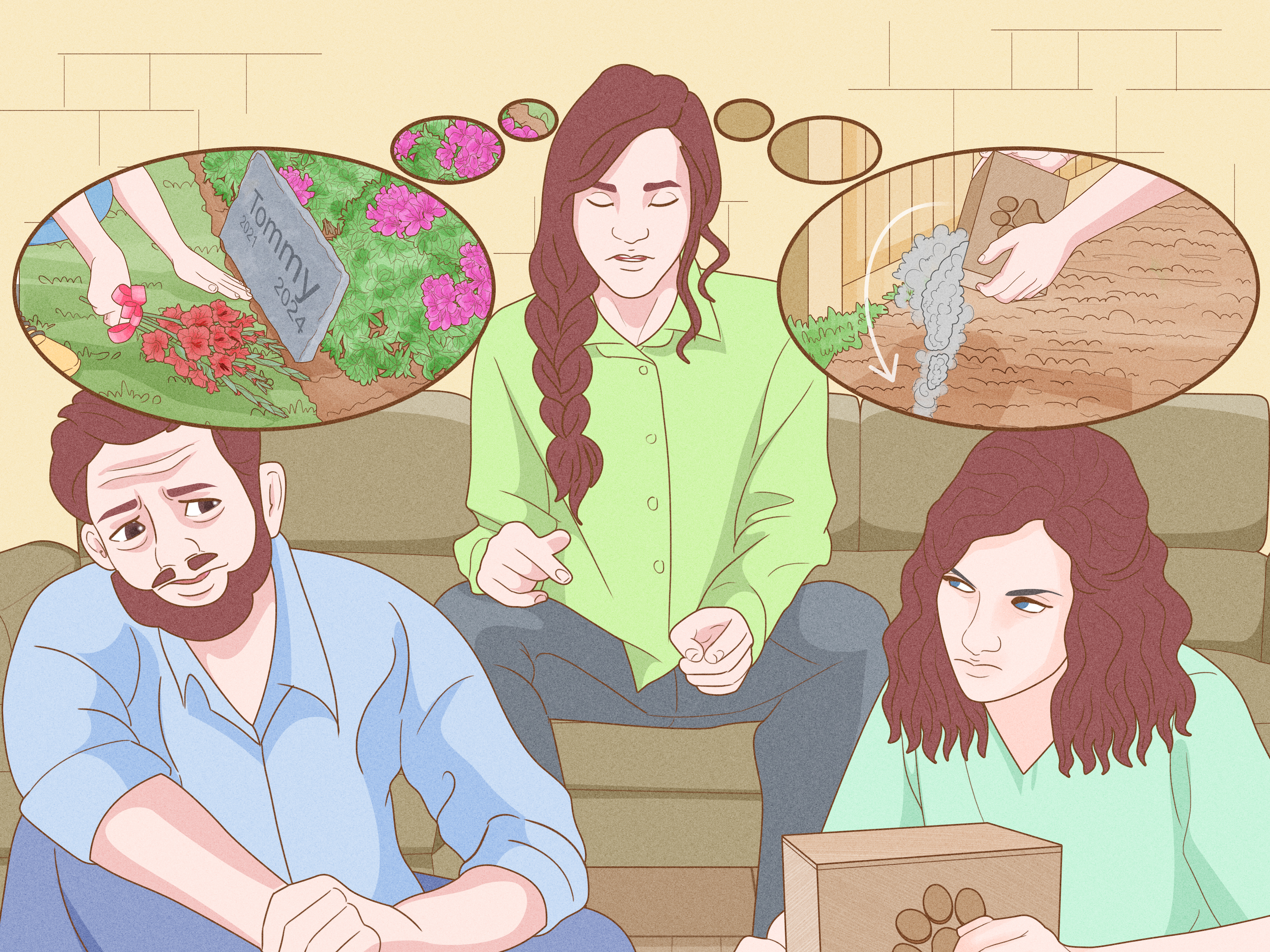
Although no aftercare choice can make grief easy, understanding your options can prevent rushed decisions and help you create a farewell that feels right. The four most common ways to handle a dog’s remains are flame cremation, home burial, burial in a pet cemetery, and aquamation. Each has different costs, legal considerations, environmental effects, and memorial possibilities.
There is no universally “correct” choice. The best option is the one that is lawful, safe, financially manageable, and meaningful to you and your family.
What to Do Immediately After Your Dog Dies
If your dog dies at home, call your veterinarian, an emergency animal hospital, or a local pet aftercare provider as soon as you are able. They can confirm the next steps, explain transportation options, and tell you how long the remains may safely stay at home.
Before moving your dog, place a waterproof layer beneath the body and wrap it gently in a clean towel, blanket, or sheet. Natural changes may occur after death, including muscle relaxation and the release of bodily fluids. These changes are normal, although they can be upsetting when you are not expecting them.
Keep the body in a cool, secure area away from children, other pets, insects, and wildlife. If your dog is large, ask another adult or the aftercare provider for help. This is not the moment to discover that grief has given you the lifting technique of a folding lawn chair.
Do not attempt a home burial until you have checked local rules. You should also speak with a veterinarian before handling the body if your dog may have died from an infectious disease, poisoning, or another condition that could create a health risk.
Consider a necropsy before final disposition
A veterinary necropsy is an examination performed after death to investigate disease or determine a probable cause of death. It may be worth discussing when a dog dies suddenly, multiple animals in the household become ill, poisoning is suspected, or the diagnosis could affect another pet.
Ask about a necropsy before cremation, burial, or aquamation. Once final disposition has taken place, valuable diagnostic information may no longer be available.
1. Choose Flame Cremation
Flame cremation is one of the most widely available dog aftercare options in the United States. A veterinary clinic may arrange it on your behalf, or you may contact a pet crematory directly. Some providers also offer home pickup, viewing rooms, memorial ceremonies, or witnessed cremation.
Private cremation
During private or individual cremation, your dog is cremated separately, and the processed bone remains are returned to you. They are commonly called ashes or cremains and may arrive in a basic container, decorative urn, memorial box, or another vessel you select.
Terminology is not always identical among providers. Some facilities use terms such as “individual,” “private,” or “partitioned” differently. Ask the crematory to explain in writing whether other animals will be in the chamber and how remains are separated and identified.
Communal cremation
During communal cremation, several animals are cremated together. Individual ashes cannot be reliably separated, so they are generally not returned to the family. The provider may scatter or inter the combined cremains in a designated memorial area.
Communal cremation is often less expensive than private cremation and may suit families who do not wish to keep ashes. Choosing it does not mean your dog was loved any less. Love has never been measured by urn size, invoice total, or the number of tasteful paw-print accessories ordered at 2 a.m.
Questions to ask a pet crematory
- Is the cremation private, partitioned, or communal?
- Will my dog’s ashes be returned, and in what type of container?
- How is my dog identified and tracked throughout the process?
- Are transportation, urn, paw-print, and delivery fees included?
- How long does the process usually take?
- Can I tour the facility or witness part of the process?
After the ashes are returned, you may keep them in an urn, place them in a columbarium, bury them, scatter them where permitted, or incorporate a small amount into memorial jewelry or artwork. Check landowner and park rules before scattering ashes on property you do not own.
2. Bury Your Dog at Home
A home burial can provide a peaceful resting place close to the family. It may feel especially appropriate when a dog spent years patrolling the same backyard, sleeping beneath the same tree, or conducting highly classified investigations into every squirrel that crossed the fence.
However, home burial is not automatically legal. Regulations may come from state law, county health departments, municipal codes, rental agreements, homeowners associations, or property restrictions. Rules can address burial depth, distance from wells and waterways, soil conditions, containers, and the amount of time allowed before burial.
Check the property and local rules first
Contact your city or county animal control office, sanitation department, public health department, or veterinarian for current guidance. Do not bury an animal on public land, rented property, or another person’s land without explicit permission.
Before digging, verify the location of underground utilities. In much of the United States, calling 811 connects property owners with a utility-marking service. Choose an area that is not prone to flooding and is safely separated from wells, streams, drainage channels, vegetable gardens, and other sensitive locations.
Protect wildlife and other animals
The grave must prevent scavengers and household pets from reaching the remains. This is particularly important when a dog was euthanized with medication containing pentobarbital. Residues can remain in the body and may poison wildlife or another animal that disturbs the grave.
Your veterinarian may recommend cremation or another professionally managed option when safe burial cannot be guaranteed. Never leave a euthanized animal outdoors, place the remains in an exposed shallow grave, or allow scavengers access.
Select an appropriate wrapping or container
Where regulations permit, a dog may be wrapped in a natural-fiber blanket, cotton sheet, cardboard box, wicker casket, unfinished wooden box, or another biodegradable container. Avoid adding toys, plastic bags, synthetic bedding, batteries, metal objects, or materials that could persist in the soil.
A marker can be simple or elaborate. Families may use an engraved stone, a small plaque, a bench, flowers, or a pet-safe memorial garden. Consider recording the burial location in your household documents, especially if the property may eventually be sold.
3. Use a Pet Cemetery
A pet cemetery offers a formal burial site without requiring suitable private land. Depending on the facility, services may include transportation, preparation of the remains, a viewing, a graveside ceremony, a casket, a marker, landscaping, and long-term care of the plot.
This option appeals to families who want a permanent place to visit or who live in apartments, rentals, or communities where home burial is prohibited. It can also reduce concerns about utility lines, future construction, property sales, wildlife, and environmental conditions.
Review the cemetery’s long-term policies
Before purchasing a plot, ask who owns the land, how the cemetery is licensed, and what happens if the business closes or the property is sold. Find out whether fees include perpetual care or only initial burial and landscaping.
Other useful questions include:
- Are there rules governing headstones, flowers, decorations, or urns?
- Can family members hold a funeral or graveside service?
- What are the visiting hours?
- Can multiple pets eventually share a family plot?
- Are cremated remains accepted?
- What paperwork confirms the burial location and your rights to the plot?
Visit the property before committing when possible. A polished brochure can promise eternal tranquility, but it cannot show you the noisy highway behind section C or the goose that has apparently appointed itself director of guest relations.
4. Consider Aquamation
Aquamation, also known as alkaline hydrolysis, water cremation, or flameless cremation, is a water-based alternative to traditional flame cremation. The process uses water, an alkaline solution, controlled heat, and circulation to accelerate natural decomposition.
At the end of the process, the mineral portion of the bones remains. It is dried and processed into a fine powder that may be returned to the family in an urn, much like cremated remains. Families can then keep, bury, or memorialize the remains in many of the same ways available after flame cremation.
Why families choose aquamation
Some people prefer aquamation because it does not use flame and generally requires less energy than conventional cremation. Others find the idea of a water-based process emotionally gentler, particularly when their dog loved swimming, beaches, lakes, or every muddy puddle within a five-mile radius.
Aquamation is not available in every community, and regulations, terminology, prices, and transportation arrangements vary. Ask whether the service is individual or communal, how identification is maintained, what type of remains will be returned, and whether the procedure is performed locally or at another facility.
Do not assume that every business advertising “green cremation” offers alkaline hydrolysis. Request a clear description of the process before signing an authorization form.
How to Select the Right Dog Aftercare Option
When comparing the four ways to handle your dog’s remains, focus on practical and emotional priorities rather than trying to create a flawless goodbye. Grief is already doing enough paperwork in your brain.
Consider your living situation
Home burial may be meaningful for a homeowner with suitable land, but impossible for an apartment resident or renter. Cremation and aquamation provide portable remains, while a pet cemetery offers a permanent site maintained by someone else.
Consider your memorial preferences
Decide whether you want ashes returned, a grave to visit, a garden memorial, or no physical remains. Some families feel comforted by an urn. Others find that keeping ashes prolongs difficult decisions. Both reactions are normal.
Ask for an itemized price
Request written pricing that identifies transportation, storage, cremation or aquamation, cemetery fees, urns, paw prints, certificates, delivery, markers, and optional ceremonies. You are allowed to choose a basic service. A loving farewell does not require the deluxe mahogany package with the commemorative slideshow and premium font upgrade.
Think about future mobility
If you expect to move, cremated or aquamated remains may be easier to take with you than maintaining a grave on property you no longer own. A well-established pet cemetery may be more suitable when you want a lasting location independent of your current home.
Realistic Experiences Families May Encounter
The following examples are composites based on common pet-aftercare situations. They are not accounts of specific identifiable families.
The apartment resident who chose private cremation
After Maya’s elderly terrier died at an emergency hospital, the receptionist asked her to select private or communal cremation before she had fully absorbed the loss. Maya lived in a city apartment and had no burial space, so she chose private cremation and requested the ashes back.
Several days later, she realized she had wanted a paw print and a small fur clipping but had never asked for them. The cremation had already taken place. She did not blame the clinic; everyone had been kind. Still, the experience taught her that memorial keepsakes must usually be requested before the remains leave the veterinary hospital.
When the urn arrived, Maya was surprised by her mixed emotions. She felt relieved to have her dog home and devastated by the smallness of the box. Eventually, she placed it beside a photograph and the terrier’s thoroughly chewed favorite ball. The display was not elegant, but neither had the dog been.
The family who planned a backyard burial
When a family’s Labrador died at home, the parents initially wanted to bury him beneath the oak tree where he had slept during summer afternoons. Before digging, they contacted their county office and veterinarian. They learned about local requirements, confirmed that burial was allowed, and had underground utilities marked.
The children decorated a biodegradable cardboard casket with drawings and short messages. Each family member shared a memory at the graveside. One child remembered the dog stealing an entire birthday cake; another remembered how he sat beside her during thunderstorms.
The burial did not erase their grief, but participating gave the children a concrete way to understand what had happened. Later, the family added a flat stone marker rather than a large monument so the area could remain part of the garden.
The owner who selected aquamation
Daniel’s spaniel had spent most weekends swimming beside his kayak. When the veterinarian mentioned aquamation, a water-based process felt symbolically appropriate. Daniel still asked detailed questions about tracking, transportation, timing, and whether the service would be individual.
The terminology initially sounded clinical, and he worried that choosing an unfamiliar method might feel impersonal. Instead, the provider explained every step, returned the remains in a simple urn, and included a certificate and paw print.
Daniel later scattered a small portion of the remains near the shoreline of a privately owned property with permission. He kept the rest in an urn. Dividing the remains allowed him to create a meaningful outdoor memorial without giving up the comfort of having something at home.
The couple who used a pet cemetery
An older couple had buried two dogs in previous backyards and regretted leaving those graves when they moved. For their next dog, they selected a pet cemetery. They toured the grounds, reviewed the agreement, and chose a small plot near a shaded walking path.
The formal ceremony initially felt slightly excessive to them. Then friends arrived, shared stories, and placed flowers near the marker. What had seemed like “too much” became exactly enough. The permanent site gave them somewhere to visit after moving into a smaller home.
These experiences illustrate an important truth: the practical arrangement and the memorial do not have to be the same thing. A communal cremation can still be followed by a beautiful ceremony. A simple burial can carry enormous meaning. A private cremation does not obligate you to display an urn forever. You are allowed to adjust the memorial as grief changes.
Conclusion
The four main ways to handle your dog’s remainsflame cremation, home burial, pet cemetery burial, and aquamationoffer different balances of accessibility, permanence, cost, environmental impact, and personal meaning.
Begin by speaking with your veterinarian and checking local laws. Ask aftercare providers direct questions about identification, handling procedures, fees, timelines, and the return of ashes. Most importantly, give yourself permission to choose the option you can manage.
Your dog’s life was defined by years of companionship, ridiculous sleeping positions, familiar routines, and unconditional trust. The final arrangement is one act of care, but it is not the measure of the bond you shared.

