
Body Care
24 Puzzling Parenting Tips From the 1800s
May
Note: This article discusses historical parenting advice for education and entertainment. It is not modern medical or parenting guidance.
Parenting has always come with opinions. Today, parents are told to limit screen time, serve vegetables in shapes that resemble woodland animals, and somehow raise emotionally resilient children while answering work emails from the grocery store. In the 1800s, the advice was different, but the confidence was the same. Victorian-era and early American parenting manuals spoke with the boldness of a person who had never met your child but was absolutely certain your child needed salt, obedience, fresh air, moral instruction, and possibly fewer flute lessons.
The 19th century was a strange bridge between old household wisdom and emerging scientific child care. Parents were dealing with high infant mortality, infectious disease, limited sanitation, inconsistent medical training, and a culture that treated the home as the headquarters of morality. That explains why some advice sounds practical, some sounds harsh, and some sounds like it was written during a committee meeting between a doctor, a minister, and a very nervous aunt.
Below are 24 puzzling parenting tips from the 1800s, rewritten and explained in modern American English. Some contain surprising good sense. Others should be placed gently into the historical curiosity cabinet and left there, preferably behind glass.
Why 1800s Parenting Advice Sounds So Odd Today
To understand these old parenting tips, it helps to remember the world that produced them. Parents did not have antibiotics, reliable vaccines for many diseases, modern pediatrics, clean municipal water everywhere, or the kind of child-development research that shapes parenting books today. A small mistake in feeding, bathing, ventilation, or illness treatment could have serious consequences. So, 19th-century advice books often mixed real observation with moral panic.
Mothers were usually addressed as the primary managers of children, health, discipline, education, and household order. Fathers appeared as authority figures, but the daily work of forming children fell heavily on women. Advice writers urged mothers to create calm homes, control children early, teach domestic usefulness, prevent “bad habits,” and guard the child’s body like a tiny national treasure wearing a bonnet.
24 Puzzling Parenting Tips From the 1800s
1. Keep babies away from anger
Some 1800s writers believed even infants could absorb a mother’s emotional state. A calm household was considered essential because babies were thought to be deeply affected by angry faces, distressed voices, and domestic tension. Modern readers may smile at the dramatic language, but the basic idea that babies respond to caregiver stress is not completely foolish. The puzzling part is how much pressure this placed on mothers to be cheerful at all times, as if postpartum exhaustion could be defeated by politeness.
2. Teach obedience before almost anything else
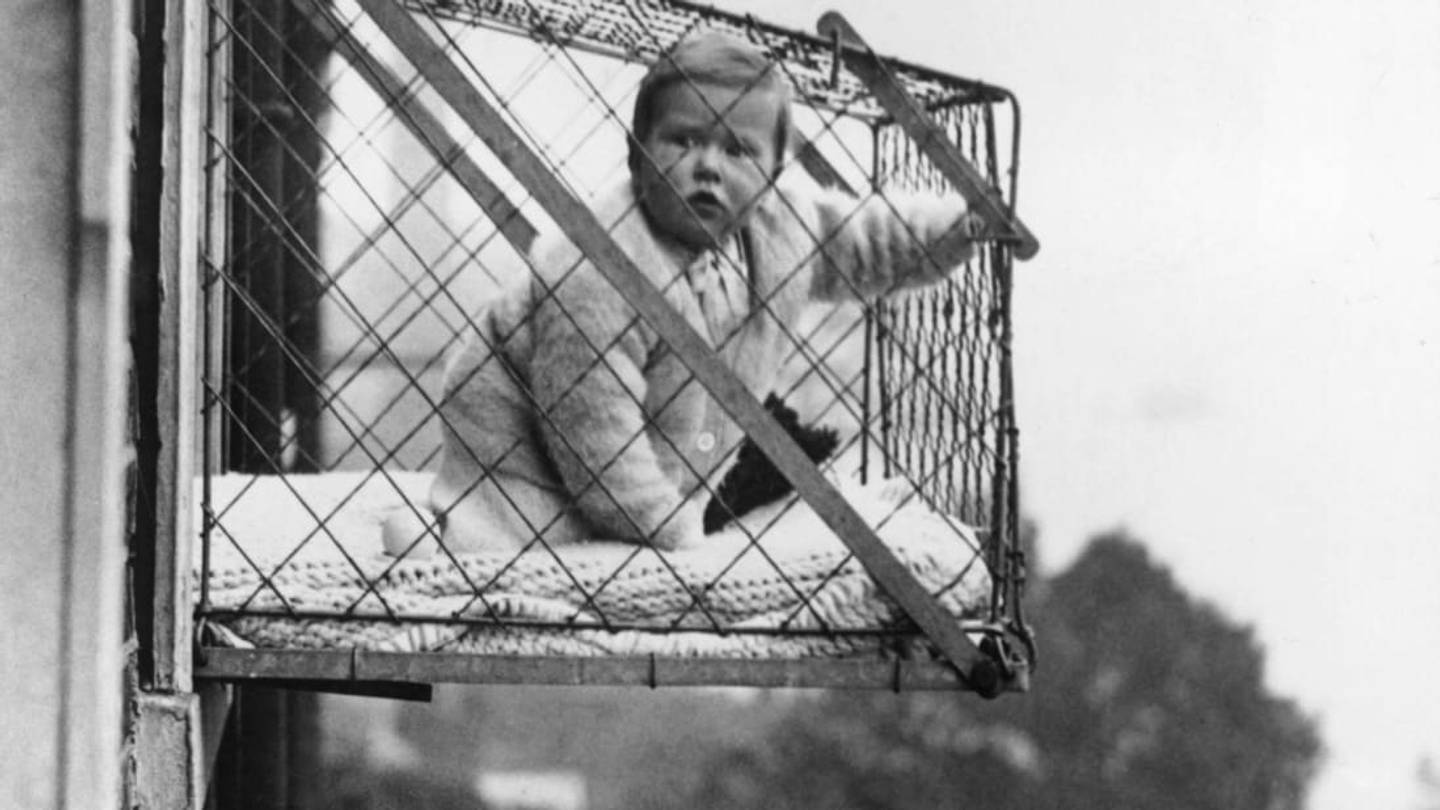
Many 19th-century parenting guides treated obedience as the foundation of good character. Children were expected to obey promptly, not after a family negotiation worthy of a congressional hearing. The reasoning was that early obedience protected children from danger and trained self-control. The downside was that children’s feelings and individuality were often secondary. In the 1800s, “because I said so” was not a tired phrase; it was practically a philosophy.
3. Never give a command unless you can enforce it
One surprisingly practical old rule advised parents not to issue orders they could not carry out. If a child learned that resistance worked, the parent’s authority weakened. Today, this sounds like “set clear boundaries and follow through,” although the 1800s version could be much sterner. The wisdom is still recognizable: do not threaten consequences you have no intention of delivering, especially if your toddler already knows your Wi-Fi password.
4. Do not frighten children into behaving
Some writers warned parents not to scare children with ghosts, monsters, animals, or exaggerated dangers. They argued that fear planted in childhood could last for life. This is one of the more humane pieces of 1800s advice. Children did not need imaginary terrors added to a world already full of real ones, like whooping cough, chamber pots, and itchy wool clothing.
5. Do not let children become “precocious” too early
In the 1800s, precocious children were sometimes viewed with suspicion. Pushing a child too hard intellectually was thought to damage health, nerves, and character. Some manuals warned against overstimulating young minds, especially with intense study. Today, we might translate this as “do not turn preschool into graduate school.” The old writers may not have understood brain development as we do now, but they noticed that children need play, rest, and time to be children.
6. Mix learning into ordinary life
One charming recommendation was to teach children through everyday objects: bread, flowers, kittens, spoons, fabric, and household tools. A mother might explain what bread is made from or compare smooth fur with rough coral. This was 19th-century educational content marketing, except the “content” was a loaf of bread and the “platform” was the kitchen table. Oddly enough, it still sounds like excellent early childhood education.
7. Give children useful work
Children were often encouraged to dust chairs, wipe spoons, garden, knit, sew, care for animals, or help younger siblings. The goal was not only productivity but character formation. Useful work built perseverance, attention, and responsibility. The puzzling part is how young some children were when expected to contribute. Childhood was not always treated as a protected stage; sometimes it looked suspiciously like an unpaid internship.
8. Make children finish what they start
Parents were advised not to let children abandon projects halfway through. A child who started sewing, gardening, or untying a knot should finish the job. This was meant to build perseverance. Modern families may recognize the impulse, though today we might not treat a crooked patchwork square as a moral emergency. Still, the 1800s had a point: patience is learned in small, annoying moments.
9. Let girls play outdoors
Some advice writers argued that girls needed vigorous outdoor play, not just quiet indoor accomplishments. They believed fresh air and movement protected health. In a time when girls were often trained for delicacy, this was progressive. The funny part is that the argument had to be made at all. Apparently, “children should go outside” once required intellectual defense.
10. Avoid making Sunday miserable
Religious observance was central in many households, but some writers warned against making the Sabbath so strict that children grew to hate it. If children were forbidden from laughing, jumping, or touching toys, the day became a weekly cloud of gloom. The advice was practical: make moral instruction serious but not joyless. Even in the 1800s, people knew children do not become holy just because they are bored.
11. Keep religious lessons simple
Children were not to be overwhelmed with complicated theology. Instead, parents were encouraged to teach plain ideas: gratitude, kindness, truthfulness, and accountability. This advice reflected the belief that religion was learned through habit and example more than memorized speeches. It is one of those old tips that sounds less puzzling and more like common sense wearing a high collar.
12. Do not wash the baby’s head with brandy
Yes, this advice existed because apparently someone needed to hear it. Some old baby-care books warned against washing an infant’s head with brandy, which suggests that folk remedies could get creative. Today, this tip requires no lengthy rebuttal. Your baby needs gentle hygiene, not a trip through the liquor cabinet.
13. Use lukewarm water for newborn baths
Cold baths were sometimes promoted for hardening children, while hot baths were thought to weaken them. Some manuals landed in the middle and recommended lukewarm water. The reasoning was tied to comfort, circulation, and the fear of making infants ill. Compared with some 1800s advice, this one is surprisingly reasonable. The rainwater recommendation, however, feels very “before indoor plumbing became everyone’s friend.”
14. Do not harden babies by freezing them
Some old writers criticized the idea of toughening babies by exposing them to cold rooms, scant clothing, or cold water. They argued that infants should be kept comfortably warm. This was a response to the era’s obsession with building hardy constitutions. In other words, even Victorian advice books occasionally said, “Please stop treating the baby like a turnip in a root cellar.”
15. Make sure children eat salt
One period recommendation insisted that children should have salt with dinner, warning of “evil consequences” if they did not. Salt was treated as a necessary dietary element, which it is, but the dramatic tone makes it memorable. Today, nutrition advice is more measured, especially because excess sodium is a concern. The 1800s, however, did not specialize in chill.
16. Avoid purging infants during teething
Teething was blamed for many childhood ailments, and purging was a common medical intervention in earlier eras. Some 19th-century advice pushed back, warning that unnecessary purging could harm infants. This tip shows that not all old advice was reckless. Sometimes the best medical wisdom of the day was simply: do less damage.
17. Watch the baby’s weight
Baby weighing became more popular during the 19th century as physicians and families grew interested in tracking development. Weight records were not always interpreted with modern precision, but the habit reflected a broader move toward measurement and pediatric observation. Parents were learning to see babies not only as blessings but also as data points with cheeks.
18. Be careful with artificial feeding
Before modern formula standards, refrigeration, and safe bottles, infant feeding could be risky. Some 1800s advice emphasized nursing, wet nursing, careful milk preparation, and cleanliness. The concern was real: contaminated milk and poor sanitation could be deadly. The puzzling parts came when writers connected milk quality to a nurse’s emotions, crowded rooms, or moral state. Nutrition science was emerging, but it still had plenty of lace curtains around it.
19. Keep the wet nurse calm
Wet nurses were sometimes advised to avoid passion, anger, crowded rooms, and emotional upset because these were believed to disturb the milk. This idea sounds odd now, but it reflected the 19th-century habit of linking women’s emotions directly to bodily health. It also shows how much infant care depended on social class. Not every family had a wet nurse; many had a tired mother, a stove, and hope.
20. Do not let children play wind instruments
Some Victorian advice warned that flutes, bugles, and other wind instruments strained the lungs and windpipe. To modern readers, this feels hilariously specific. Imagine telling a child, “No trumpet, Henry, your windpipe has ambitions.” Still, in an era worried about weak constitutions and respiratory illness, the concern made cultural sense, even if it now seems overblown.
21. Encourage stamp collecting for geography
Stamp collecting was praised as educational because it could teach geography, countries, and history. This is one of the sweetest old tips. Before tablets and search engines, stamps were tiny windows into the world. A child could learn place names while arranging little rectangles of empire, trade, and travel. It was screen-free learning, plus glue.
22. Train table manners at home
Domestic manners were considered part of moral education. Children were expected to say thank you, ask permission, respect elders, and behave properly at the table. The goal was not merely politeness but social order. In the 1800s, a child reaching across the table was not just annoying; it was civilization wobbling.
23. Guard children from “bad books”
Parents were warned to protect children from literature considered morally corrupt, overly sensational, or impure. This included certain novels and dramatic stories. The fear was that imagination could lead character astray. Today, parents still debate media influence, though the villains have changed from scandalous novels to algorithmic video feeds. The anxiety is old; the devices are new.
24. Lead by example because children notice everything
Many 1800s writers insisted that children learn more from parental example than direct instruction. Your tone, habits, opinions, honesty, temper, and treatment of others educated the child. This may be the least puzzling tip on the list and possibly the most enduring. Children are excellent little auditors. They see the gap between speeches and behavior, and they keep receipts.
What These Old Tips Reveal About 19th-Century Family Life
These puzzling parenting tips reveal a world deeply concerned with survival, morality, discipline, and social usefulness. The child was not simply an individual with preferences; the child was a future citizen, worker, believer, spouse, and moral actor. Parenting advice therefore carried national, religious, and domestic weight. Raising a child badly was not framed as a private failure only. It was a threat to the household and, in some advice books, to the republic itself.
The manuals also reveal how much responsibility was placed on mothers. A mother was expected to be nurse, teacher, moral philosopher, household manager, nutritionist, emotional thermostat, and discipline system. If the baby cried, the child lied, the room was poorly ventilated, the daughter lacked domestic strength, or the son showed bad manners, the mother was likely to receive the invoice.
At the same time, we should avoid laughing too lazily at the past. Many strange tips came from real anxieties. Infant mortality was high. Infectious disease spread easily. Food safety was uncertain. Urban crowding made childhood health fragile. Without modern pediatric care, parents and writers grabbed for rules that seemed to offer control. Some rules were misguided, but the desire behind them was familiar: keep the child alive, decent, and prepared for life.
Experiences Related to Reading “24 Puzzling Parenting Tips From the 1800s”
Reading 1800s parenting advice feels a little like opening a time capsule and finding a baby bonnet, a moral lecture, and a very firm opinion about dinner salt. At first, the tips are funny because they sound so confident and so oddly specific. Do not wash the baby’s head with brandy. Do not let the wet nurse become emotional. Do not allow the child near people who stutter. Do not permit wind instruments. You can almost hear a stern author dipping a pen into ink and thinking, “There, civilization is saved.”
But after the laughter, another feeling arrives: sympathy. Parents in the 1800s were not foolish people wandering around in candlelight inventing rules for fun. They were raising children in a world where small illnesses could become tragedies, where doctors disagreed, where sanitation was uneven, and where family reputation mattered intensely. Their rules sound strange because their fears were different from ours. A modern parent worries about online safety, processed food, school pressure, and emotional health. A 19th-century parent worried about contaminated milk, weak lungs, moral corruption, household disorder, and whether a child’s disobedience would harden into lifelong vice.
The experience also makes modern parenting look less superior than we might like. Yes, we no longer recommend brandy scalp care, which is progress worth celebrating with a non-brandy shampoo. But we still chase certainty. We still buy books that promise perfect sleep, perfect feeding, perfect discipline, and perfect confidence. We still worry that one wrong habit will ruin everything. Future generations may read today’s parenting advice and laugh at our obsession with developmental toys, snack pouches, tracking apps, and color-coded chore charts.
The best lesson from these old tips is humility. Parenting advice always reflects the science, fears, values, and blind spots of its time. Some 1800s guidance deserves retirement. Some deserves a careful nod. Children do need patience, fresh air, consistency, meaningful work, kindness, good examples, and adults who do not terrify them into obedience. They do not need brandy baths, flute bans, or a moral crisis over stamp albums.
In the end, historical parenting advice reminds us that parents have always been improvising. They want to do right by their children, even when the rulebook is confusing. The tools change. The anxieties change. The children, however, remain wonderfully inconvenient: curious, loud, tender, observant, sticky, and impossible to raise by manual alone.
Conclusion: The Past Was Weird, but Not Always Wrong
The 1800s gave parents a remarkable mixture of wisdom, superstition, discipline, domestic science, and accidental comedy. Some advice now seems harsh or absurd. Some feels surprisingly modern. The best way to read these old parenting tips is not as a list of instructions but as a portrait of families trying to survive their own century.
These puzzling parenting tips from the 1800s show that every generation raises children under uncertainty. The language changes, the science improves, and the baby products multiply, but the central question remains the same: how do we help children grow into healthy, capable, kind human beings without losing our minds before breakfast?

