
Body Care
10 Easy Pieces: White Porcelain Doorknobs
Aug
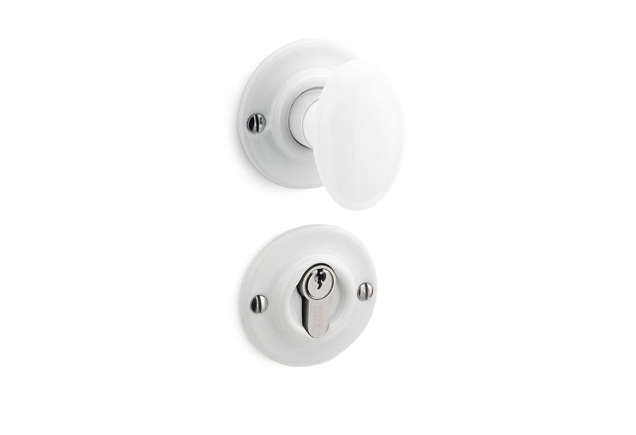
Most doorknobs quietly perform their duties without attracting much attention. White porcelain doorknobs are different. They may be small, but they have the design confidence of a perfectly pressed white shirt: simple, versatile, and somehow capable of making everything around them look more intentional.
Once common in Victorian houses, cottages, farmhouses, and practical service rooms, porcelain knobs remain a favorite for historic restorations and character-rich renovations. They can soften a dark wood door, brighten a narrow hallway, or add one carefully chosen vintage detail to an otherwise modern room. Best of all, they do not need to match an antique-filled interior. Pair one with unlacquered brass for old-house warmth, polished chrome for a cleaner look, or matte black for a contrast that feels surprisingly current.
Why White Porcelain Doorknobs Still Work
Porcelain and ceramic doorknobs became widely used during the nineteenth century. Historical accounts note that plain porcelain knobs mounted on iron shanks were common by the mid-1800s, particularly in rural houses and less formal rooms. Ceramic hardware remained popular into the early twentieth century and enjoyed additional periods of demand when metal was expensive or being conserved.
The appeal today is not complicated. A glazed white knob feels smooth in the hand, reflects light, and introduces a clean shape without looking sterile. It is decorative hardware, but not the kind that enters a room wearing a feathered hat and demanding applause.
Porcelain Versus Ceramic
Retailers often use the words porcelain, ceramic, and occasionally china somewhat interchangeably. In practical shopping terms, focus less on the label and more on construction. Look for a firmly attached metal shank, a smooth and consistent glaze, solid brass or sturdy metal components, and a complete latch system suited to your door.
Antique or Reproduction?
Authentic antique knobs offer age, subtle glaze variations, and genuine history. They may also arrive with surface rust, old paint, mismatched spindles, or the mechanical enthusiasm of a sleepy tortoise. Salvage sellers commonly warn that original sets can retain paint, corrosion, and other evidence of previous service. Reproductions are generally easier to fit to modern doors and can be ordered in matching quantities.
10 Easy Pieces: The Best White Porcelain Doorknob Styles
1. House of Antique Hardware White Porcelain Knobs with Brass Shanks
This is the straightforward classic: round white porcelain knobs attached to solid brass shanks and offered in several metal finishes. The design works with simple rosettes, ornate backplates, mortise locks, and both humble and highly decorated doors. House of Antique Hardware specifically positions the style for Victorian, Colonial, and cottage interiors.
Choose antique brass to create a gentle, timeworn effect or polished nickel when you want the porcelain to feel fresher. This is an especially useful option for a house with existing backplates that deserve to stay. The knob does not fight the old metalwork; it politely joins the committee.
2. Nostalgic Warehouse Rope Rosette with White Porcelain Knob
A rope-edged rosette introduces just enough ornament to make a plain door interesting. Nostalgic Warehouse pairs its white porcelain knob with a forged-brass base and a circular rosette featuring a twisted border. The combination is available as functional interior hardware through major U.S. retailers.
This style is well suited to traditional bedrooms, cottage hallways, and renovated farmhouses. It is decorative without being fussy, which is useful when your trim already has plenty to say. Pair it with warm white paint, natural oak, floral wallpaper, or tongue-and-groove paneling.
3. Nostalgic Warehouse Mission Plate with White Porcelain Knob
For Arts and Crafts, Spanish Colonial, or bungalow-inspired interiors, the Mission plate creates a stronger architectural outline. Its square corners and elongated shape give the round porcelain knob a structured background. Versions are offered for passage, privacy, and dummy applications, with different backsets and finish choices.
This is the option for homeowners who like vintage hardware but would prefer it to stand up straight and submit its paperwork on time. Oil-rubbed bronze emphasizes the Mission influence, while satin nickel makes the same arrangement feel less historically literal.
4. Rejuvenation Coleman White Porcelain Interior Door Set
Rejuvenation’s Coleman set combines a white porcelain knob with a tube-latch mechanism intended for modern interior doors. It delivers the visual charm of old hardware without requiring every door in the house to contain a century-old mortise lock.
The Coleman style is a strong choice for transitional homes, renovated cottages, and projects where consistency matters. Use it throughout a hallway to create a repeated detail that quietly connects several rooms. The knob can provide the historic note while the latch does the modern, dependable work behind the scenes.
5. Rejuvenation Benson White Porcelain Door Set
The Benson set offers another complete tube-latch option, pairing the white knob with a distinctive period-inspired backplate. It is available in privacy and passage configurations and in metal finishes that include lacquered brass.
This design suits rooms that need more visual weight around the knob. On a tall paneled door, a tiny rosette can occasionally look lost; an elongated plate provides better proportion. Try the Benson in a primary bedroom, dining room, or study where the hardware can be noticed rather than merely used by people carrying laundry baskets.
6. Rejuvenation Tate Porcelain Door Set
The Tate collection presents the white porcelain knob with relatively restrained metalwork, including plain rosette options in finishes such as oil-rubbed bronze. It is designed as a complete interior door set with a contemporary tube latch.
This is one of the easiest styles to place in a modern farmhouse or pared-back traditional home. The round white knob supplies warmth and familiarity; the simpler rosette prevents the room from drifting into full historical reenactment. It looks particularly good on black, charcoal, muted green, and natural wood doors.
7. Rejuvenation Easton Interior Door Set
The Easton interior set can be configured with a white porcelain knob as well as several rosette, latch, and finish choices. Rejuvenation lists porcelain alongside crystal and solid-brass handle options, allowing the same basic collection to support different rooms or design moods.
Its flexibility is useful in a large renovation. You might use passage sets for closets and hall doors, privacy sets for bedrooms and bathrooms, and matching dummy knobs for French doors. That level of coordination makes a house feel thoughtfully restoredeven when the “historic restoration” began last Tuesday with a contractor and three boxes of new hardware.
8. Emtek Ice White Knob with Oval Rosette
Emtek’s Ice White porcelain knob can be combined with multiple rosette profiles and metal finishes. The brand specifically highlights the oval rosette and flat-black pairing as a way to blend soft traditional forms with a more contemporary color combination.
The oval rosette is less expected than a standard circle but still easy to live with. In black, it creates graphic contrast; in polished brass, it feels cheerful and classic; in satin nickel, it can bridge porcelain knobs with stainless appliances or modern plumbing fixtures elsewhere in the house.
9. Emtek Ice White Knob with Rectangle or Neos Rosette
For a sharper architectural look, Emtek’s white porcelain knob is sold with rectangular and Neos-style rosettes through established U.S. hardware dealers. These configurations place the soft round knob against a crisp geometric plate.
This contrast works in remodeled lofts, contemporary cottages, and homes where traditional materials are used in cleaner forms. The white knob keeps the composition friendly, while the angular rosette prevents it from feeling overly nostalgic. Think less “grandmother’s pantry,” more “grandmother’s pantry after a very capable architect moved in.”
10. Grandeur Fifth Avenue Plate with Hyde Park White Porcelain Knob
Grandeur’s Hyde Park porcelain knob can be paired with Fifth Avenue rosettes, short plates, or long plates made from solid forged brass. The company offers passage, privacy, dummy, and entry configurations, depending on the selected set.
This is the dressiest selection in the group. A long plate in vintage or polished brass creates a formal focal point suitable for a restored townhouse, elegant hallway, or statement entry. The porcelain knob keeps all that brass from becoming too serious. It is the hardware equivalent of wearing excellent shoes but still knowing how to laugh.
How to Choose the Right White Porcelain Doorknob
Decide Which Function You Need
A beautiful knob is only helpful when it performs the correct job. Passage sets latch but do not lock, making them suitable for closets, hallways, and shared rooms. Privacy sets include a simple interior lock for bedrooms and bathrooms. Dummy knobs are fixed pulls for cabinets, shallow closets, or one side of a decorative door. Entry sets require a keyed or otherwise secure locking mechanism.
Measure Before Ordering
The most important measurement is the backset: the distance from the edge of the door to the center of the knob opening. Common residential backsets are 2 3/8 inches and 2 3/4 inches. Also confirm door thickness, bore diameter, latch style, and whether the existing hardware uses a modern tubular latch or an older mortise lock.
Do not rely on the highly technical measuring method known as “that looks about right.” Old doors are especially talented at having unusual dimensions.
Coordinate the Finish, Not Every Fixture
Matching every metal finish can make a home feel orderly, but perfect matching is not mandatory. White porcelain acts as a visual buffer between metals, which means brass knobs can coexist with black hinges or nickel plumbing fixtures when the overall design feels deliberate.
Unlacquered brass develops patina over time. Lacquered brass stays brighter but may eventually show wear. Oil-rubbed bronze provides strong contrast and suits darker hinges. Polished chrome feels crisp and slightly playful. Satin nickel is the quiet diplomat of the group: rarely dramatic, rarely wrong.
Match the Scale to the Door
Small rosettes work well on narrow cottage doors and understated trim. Long backplates suit tall paneled doors, formal rooms, and openings where an old plate left visible marks. Before ordering, cut a paper template to the listed dimensions and tape it to the door. This ten-minute experiment can prevent the discovery that your elegant new backplate looks like a belt buckle attached to a dollhouse.
Cleaning and Caring for Porcelain Door Hardware
For routine care, wipe the porcelain with a soft damp cloth and a small amount of mild dish soap. Dry it promptly, particularly around the base where moisture can collect near metal components. Avoid abrasive pads, aggressive powders, and tools that could scratch the glaze.
Clean the metal according to its actual material and finish. Solid unlacquered brass may be polished or allowed to age naturally, while lacquered and plated surfaces require gentler treatment. Hardware-care guidance consistently recommends identifying the metal and coating before applying a cleaner.
On antique sets, do not automatically polish away every darkened area. Patina, small glaze variations, and minor wear may be part of the character you paid for. Tighten loose set screws carefully, and never force a porcelain knob that is spinning on its shank. The correct response to a stuck antique mechanism is patience, penetrating lubricant applied to the metal parts, and possibly a restoration specialistnot a larger hammer.
Experience Notes: What Renovators Learn After Living with Porcelain Knobs
Homeowners often begin with one white porcelain doorknob as an experiment. It goes on the pantry, a linen closet, or the bathroom door. Then something mildly dangerous happens: the rest of the house starts looking underdressed. The new knob catches the light, feels substantial in the hand, and makes the nearby builder-grade hardware seem as though it was selected during a fire drill.
The first practical lesson is that appearance is only half the project. A knob that looks perfect online may not fit an existing door preparation. Older houses frequently contain a mixture of mortise locks, tubular latches, replacement plates, patched holes, and screws whose origins have been lost to history. Measuring each door individually is tedious, but much less tedious than opening twelve boxes and discovering that only eleven doors apparently live in the same century.
The second lesson concerns finish samples. Antique brass, aged brass, vintage brass, and French antique brass may sound like cousins attending the same family reunion, yet they can look noticeably different. One may lean golden, another brown, and another almost olive. Ordering a single sample set or examining finish chips in the room’s actual light can prevent a whole-house mismatch. Morning sun, warm LED bulbs, and cool hallway lighting can make the same metal appear surprisingly different.
Another commonly reported surprise is how comfortable porcelain feels. The glazed surface is smooth and usually cooler than wood or brass when first touched. Round knobs also have an old-fashioned solidity that can make a door feel more substantial. However, people with limited grip strength may find a lever easier to operate. In a multigenerational home, it can make sense to reserve porcelain knobs for decorative or lower-traffic rooms while using accessible levers where ease of operation matters most.
Installation tends to reveal the personality of the door. A properly drilled modern slab may accept a new set in minutes. An old solid-wood door may contain stripped screw holes, a misaligned strike plate, several coats of paint, and one mysterious metal fragment that appears to have been installed during the administration of Theodore Roosevelt. Small repairswood filler, longer screws, careful chiseling, or strike adjustmentoften make more difference than the price of the knob itself.
White porcelain also proves more adaptable than many homeowners expect. Against white paint, it creates a subtle tonal detail. Against dark green or navy, it becomes a clean focal point. On natural wood, it feels warm and historic. With black metal, it looks graphic and contemporary. The same knob can move from farmhouse to Victorian to minimalist simply by changing the rosette and finish around it.
Maintenance is usually easy, although bright white surfaces show dirty fingerprints sooner than dark hardware. Fortunately, they also clean quickly. The greater concern is often the metal shank or plate, especially in bathrooms where moisture encourages spotting and corrosion. A quick dry cloth during routine cleaning can preserve the finish and prevent residue from building around the base.
Finally, experienced renovators learn not to erase every imperfection. A tiny glaze variation or aged brass edge can give a room the texture that new construction often lacks. The goal is not to make a historic-looking house appear untouched by human hands. The goal is to make its details feel chosen, cared for, and useful. White porcelain doorknobs accomplish that with unusual efficiency: one small circle, one satisfying turn, and suddenly the door has a personality.
Conclusion
White porcelain doorknobs remain relevant because they balance character with restraint. They can support an accurate period restoration, add warmth to a modern renovation, or rescue an ordinary hollow-core door from a life of complete anonymity.
Choose a simple round rosette for cottage charm, a Mission plate for architectural weight, an elongated brass plate for formality, or a geometric black rosette for modern contrast. Confirm the function and measurements, select a durable construction, and let the porcelain provide the visual continuity.
Small hardware rarely transforms a room by itself, but it can change how finished the room feels. White porcelain proves that good design does not always need to shout. Sometimes it only needs to turn smoothly and close the door behind it.

