
Beauty Unlocked
Can Vitamin C and Retinol Be Used Together?
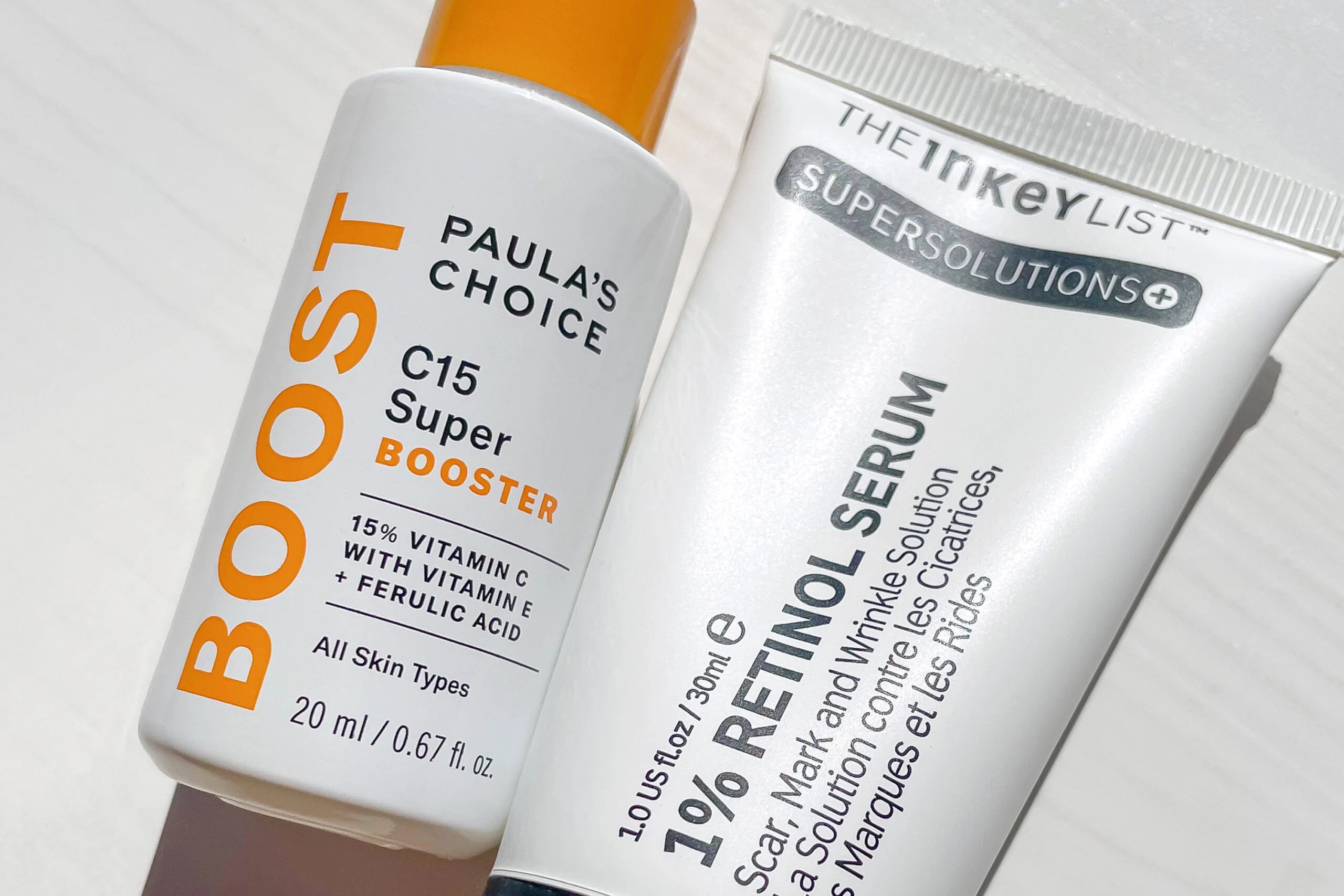
May
Vitamin C and retinol are two of the most popular and effective skincare ingredients available today. Both are known for their impressive anti-aging and skin-brightening benefits, which leads many people to ask: Can I use vitamin C and retinol together?
The answer is yes — vitamin C and retinol can be used together, but the key is using them correctly. When combined properly, these ingredients can help improve skin texture, brighten the complexion, reduce fine lines, and support healthier-looking skin. However, using them incorrectly may cause irritation, dryness, or sensitivity.
In this guide, you’ll learn how vitamin C and retinol work, the safest way to combine them, and how to build an effective skincare routine around these powerful ingredients.
What Does Vitamin C Do for the Skin?
Vitamin C is a potent antioxidant that helps protect the skin from environmental stress and free radical damage caused by pollution and UV exposure.
Its major skincare benefits include:
- Brightening dull skin
- Reducing dark spots and hyperpigmentation
- Supporting collagen production
- Improving uneven skin tone
- Protecting against environmental damage
- Enhancing overall skin radiance
Vitamin C is especially effective when used in the morning because it helps defend the skin throughout the day.
What Does Retinol Do for the Skin?
Retinol is a vitamin A derivative widely recognized for its anti-aging and skin-renewing properties. It works by accelerating skin cell turnover and stimulating collagen production.
Benefits of retinol include:
- Reducing fine lines and wrinkles
- Improving skin texture
- Minimizing acne breakouts
- Fading acne scars and dark spots
- Smoothing rough skin
- Supporting firmer-looking skin
Retinol is best used at night because it can increase the skin’s sensitivity to sunlight.
Can You Use Vitamin C and Retinol Together?
Yes, vitamin C and retinol can absolutely be part of the same skincare routine. In fact, they complement each other very well when used properly.
Vitamin C helps protect and brighten the skin during the day, while retinol repairs and renews the skin overnight.
However, because both ingredients are highly active, combining them incorrectly may lead to:
- Dryness
- Irritation
- Redness
- Flaking
- Increased sensitivity
This is why timing and proper application are important.
The Best Way to Use Vitamin C and Retinol
The safest and most effective method is to use them at different times of the day.
Morning Routine: Vitamin C
Vitamin C works best during the daytime because it helps neutralize free radicals caused by UV rays and pollution.
A simple morning routine may include:
- Gentle cleanser
- Vitamin C serum
- Moisturizer
- Sunscreen SPF 30 or higher
This combination helps protect your skin while enhancing brightness and glow.
Evening Routine: Retinol
Retinol should be applied at night because sunlight can reduce its effectiveness and increase skin sensitivity.
A typical nighttime routine may include:
- Gentle cleanser
- Hydrating serum (optional)
- Retinol
- Moisturizer
Using retinol overnight allows your skin to repair and renew while you sleep.
Can You Layer Vitamin C and Retinol Together?
Some experienced skincare users may layer vitamin C and retinol in the same routine, but this should be done carefully.
If you choose to layer them:
- Apply vitamin C first
- Allow it to absorb fully
- Follow with retinol
- Finish with moisturizer
However, this method is not recommended for beginners or people with sensitive skin.
Separating them into morning and evening routines is generally safer and more comfortable for most skin types.
Who Should Be Careful When Combining Them?
You should introduce these ingredients slowly if you have:
- Sensitive skin
- Rosacea
- Dry skin
- A damaged skin barrier
- Active irritation or inflammation
Start by using retinol only a few nights per week while monitoring your skin’s reaction.
Tips for Using Vitamin C and Retinol Safely
To minimize irritation and maximize results:
Start Slowly
Introduce one ingredient at a time before combining them.
Use Gentle Products
Avoid harsh cleansers or strong exfoliants when using active ingredients.
Prioritize Hydration
Use moisturizers with barrier-supporting ingredients like ceramides or hyaluronic acid.
Always Wear Sunscreen
Retinol increases sun sensitivity, making daily sunscreen essential.
Avoid Over-Exfoliation
Do not combine too many strong active ingredients in one routine.
Common Mistakes to Avoid
Using Too Much Product
A small amount is enough, especially with retinol.
Skipping Sunscreen
Without sunscreen, your skin becomes more vulnerable to UV damage and pigmentation.
Using High Strengths Too Quickly
Starting with lower concentrations helps reduce irritation.
Mixing Too Many Actives
Overloading the skin can weaken the skin barrier.
So, can you use vitamin C and retinol together? Absolutely. When used correctly, these two skincare ingredients can work together to brighten, smooth, and rejuvenate your skin.
The best approach for most people is simple:
- Use vitamin C in the morning
- Use retinol at night
This method allows you to enjoy the benefits of both ingredients while minimizing irritation and supporting healthier, more radiant skin over time.

