
Hair Care
Cross Stitch vs Embroidery: Differences, Similarities, & More
May
Cross stitch and embroidery are often mentioned in the same breath, usually right after someone asks, “Wait… aren’t they the same thing?” The short answer is: cross stitch is a type of embroidery, but not all embroidery is cross stitch. Think of embroidery as the big, cozy craft basket. Cross stitch is one very organized, grid-loving spool inside it.
Both crafts use needle, thread, fabric, patience, and the occasional dramatic sigh when the floss tangles. Yet they create very different looks, require different planning styles, and appeal to different creative personalities. Whether you want to stitch a pixel-perfect floral sampler, decorate a denim jacket, personalize baby clothes, or finally become the kind of person who owns a hoop and knows what to do with it, understanding the differences between cross stitch and embroidery will help you choose the right craft for your next project.
What Is Cross Stitch?
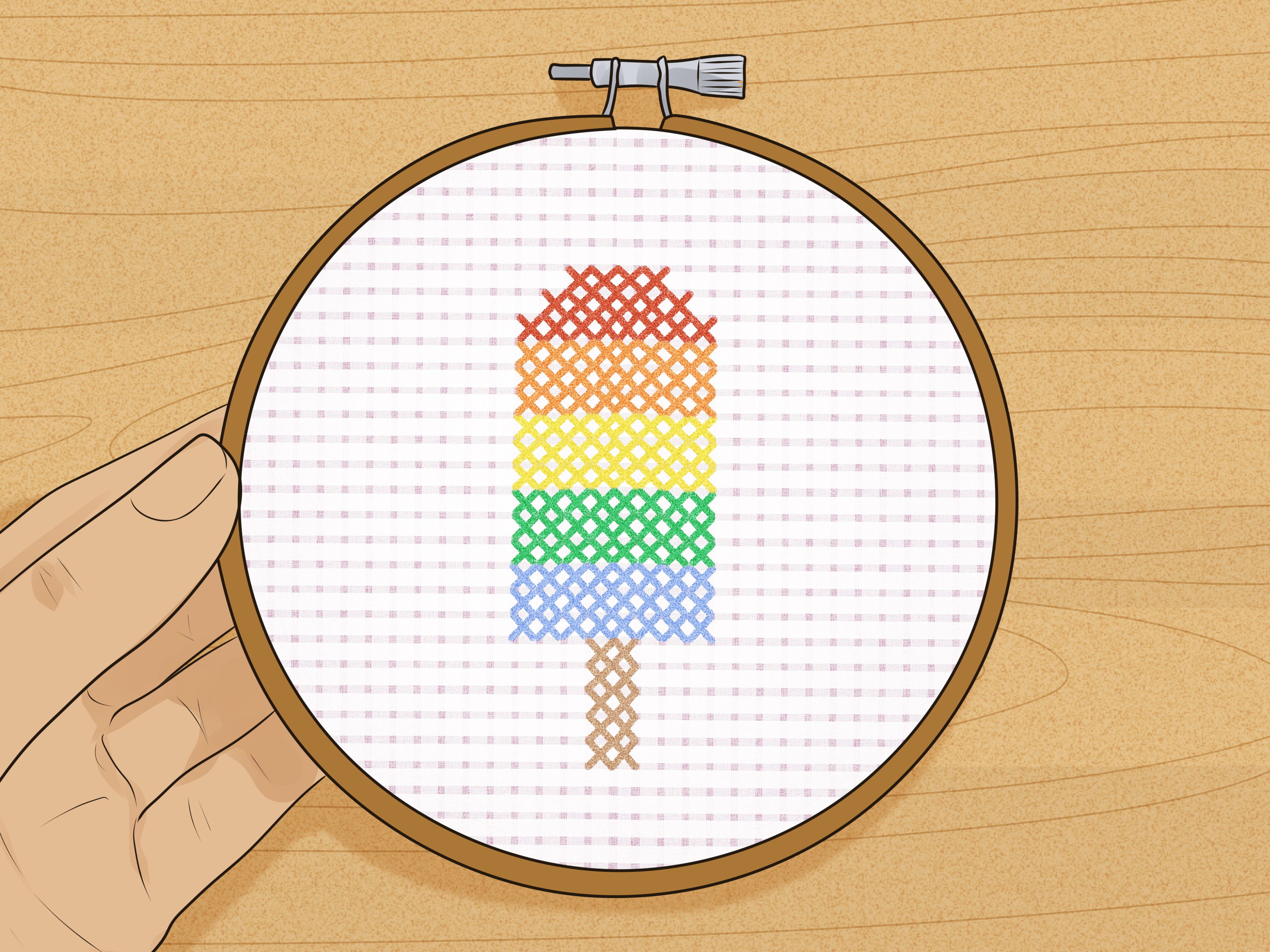
Cross stitch is a counted-thread embroidery technique that uses small X-shaped stitches to build a design. Most projects are worked from a chart, which looks a little like a colorful grid or pixel map. Each square on the chart usually represents one stitch on the fabric.
The most common fabric for cross stitch is Aida cloth, a woven fabric with visible holes that make it easier to count and place stitches evenly. Beginners often start with 14-count Aida because it is large enough to see comfortably but still creates a clean, detailed design. Cross stitch can also be done on linen or evenweave fabric, but those materials usually require more careful counting.
Common Cross Stitch Supplies
- Aida, linen, or evenweave fabric
- Embroidery floss, often six-strand cotton floss
- Tapestry needle with a blunt tip
- Embroidery hoop or frame
- Pattern chart with symbols and color codes
- Small scissors and a needle minder
The finished look of cross stitch is clean, geometric, and often slightly pixelated. That is part of its charm. It can look vintage, modern, funny, sentimental, minimalist, or wonderfully chaotic, depending on the pattern. A tiny stitched avocado saying “You guac my world”? Cross stitch was practically born for that level of wholesome nonsense.
What Is Embroidery?
Embroidery is the broader art of decorating fabric with needle and thread. It includes many techniques, such as surface embroidery, crewelwork, blackwork, stumpwork, goldwork, needlepoint, and yes, cross stitch. In everyday conversation, however, many people use “embroidery” to mean free-form hand embroidery or surface embroidery.
Surface embroidery is usually worked directly on fabric without following a strict grid. Instead of counting squares, you may trace or transfer a design onto fabric and fill it with different stitches. These can include backstitch, satin stitch, chain stitch, split stitch, stem stitch, lazy daisy, French knots, and many more.
Common Embroidery Supplies
- Cotton, linen, denim, felt, canvas, or other fabric
- Embroidery floss, pearl cotton, wool, silk, or specialty thread
- Embroidery needle with a sharp point
- Hoop or frame to keep fabric taut
- Transfer pen, stabilizer, or printed pattern
- Scissors, thimble, and optional embellishments
Embroidery can be delicate and painterly, bold and graphic, or textured enough to make you want to touch it even though every museum sign on earth says not to. It is highly flexible, making it excellent for clothing, home decor, accessories, textile art, and personalized gifts.
Cross Stitch vs Embroidery: The Main Differences
The biggest difference between cross stitch and embroidery is structure. Cross stitch follows a grid. Embroidery, especially surface embroidery, follows a design outline or the stitcher’s artistic choices. Cross stitch is more like filling in a pattern square by square. Embroidery is more like drawing with thread.
| Feature | Cross Stitch | Embroidery |
|---|---|---|
| Technique | Uses X-shaped stitches, usually counted on a grid | Uses many stitch types, often free-form or surface-based |
| Fabric | Usually Aida, linen, or evenweave | Can be stitched on many fabrics, including cotton, denim, linen, felt, and canvas |
| Pattern Style | Charted grid with symbols and colors | Transferred outline, printed design, or freehand layout |
| Finished Look | Pixel-like, neat, geometric | Fluid, textured, painterly, decorative |
| Beginner Difficulty | Easy to start because the grid guides placement | Easy to start, but stitch variety can feel wider at first |
| Creative Freedom | Moderate; design is usually chart-based | High; stitcher can change lines, fills, texture, and color more freely |
How the Stitches Differ
Cross stitch has one superstar: the X. Most of the design is created by repeating that same basic stitch across the fabric. Some patterns also use half stitches, quarter stitches, backstitching, and French knots for detail, but the classic cross remains the main event.
Embroidery has a much larger stitch vocabulary. A simple flower might use stem stitch for the stem, satin stitch for the petals, French knots for the center, and lazy daisy stitches for leaves. A portrait-style embroidery project might use long and short stitch to blend colors like paint. A lettering project may rely on backstitch, chain stitch, or split stitch for smooth lines.
This makes cross stitch predictable and meditative. Once you understand the pattern, you can settle into a rhythm. Embroidery requires more decisions: which stitch, how long, what direction, how dense, and whether that French knot is cute or has become a tiny thread meatball.
Fabric Choices: Grid vs Freedom
Cross stitch works best on fabric that helps you count. Aida cloth has evenly spaced holes, making it ideal for beginners. Linen and evenweave offer a more refined look but require more attention because you may stitch over two fabric threads instead of one visible square.
Embroidery is less tied to a grid. You can embroider on quilting cotton, napkins, shirts, jeans, tote bags, pillowcases, canvas shoes, felt ornaments, or linen wall art. The key is choosing a fabric that can support the stitches without puckering, stretching, or collapsing under thread tension.
For stretchy fabrics like T-shirts, embroidery often needs stabilizer. For denim, a sharp needle and patient hands help. For delicate fabric, lighter thread and gentle tension are essential. Cross stitch can also be added to clothing with waste canvas or soluble canvas, but traditional cross stitch still prefers a countable base.
Which Craft Is Easier for Beginners?
Cross stitch is often easier for complete beginners because the grid tells you where to put the needle. If you can count squares, follow symbols, and make an X, you can begin. That does not mean every cross stitch project is easy. Large patterns with many colors, blended threads, backstitch outlines, and confetti stitches can turn a relaxing hobby into a tiny fabric spreadsheet. Still, the basic learning curve is friendly.
Embroidery can also be beginner-friendly, especially when starting with simple stitches like backstitch, running stitch, satin stitch, and French knots. The challenge is that embroidery gives you more freedom, and freedom can be suspiciously similar to “Why does my leaf look like a tired pickle?” The good news is that embroidery is forgiving. Organic shapes, textured lines, and handmade variation often add charm.
Choose Cross Stitch First If You Like:
- Clear instructions and charted patterns
- Repeating stitches in a calm rhythm
- Pixel art, samplers, quotes, and neat designs
- Projects where progress is easy to track
Choose Embroidery First If You Like:
- Drawing, painting, or decorating fabric
- More texture and stitch variety
- Personalizing clothes, bags, and linens
- Creative freedom and flexible design choices
Similarities Between Cross Stitch and Embroidery
Despite their differences, cross stitch and embroidery share plenty of DNA. Both use thread to decorate fabric. Both can be done by hand. Both can be relaxing, portable, affordable to start, and endlessly customizable. Both also teach patience, because nothing humbles a person faster than threading a needle while pretending not to need reading glasses.
They also share many tools. Embroidery floss, hoops, scissors, needles, fabric, and patterns appear in both crafts. Many stitchers move comfortably between the two. A cross stitcher may add backstitching or French knots to enhance detail. An embroiderer may use cross stitches as part of a decorative border or folk-inspired motif.
Both crafts are also meaningful ways to make personal gifts. A stitched wedding date, baby name, pet portrait, floral hoop, recipe towel, or inside-joke quote can feel warmer than a store-bought item. Handmade threadwork carries time inside it, and time is the secret ingredient that makes people say, “You made this?” in the good voice.
Design Style: Pixel Art vs Thread Painting
Cross stitch is excellent for crisp, graphic images. Because it is built from small Xs, it naturally resembles pixel art. This makes it perfect for alphabets, borders, vintage samplers, video game motifs, holiday ornaments, geometric designs, and modern quote patterns.
Embroidery is better for flowing lines, curves, shading, and texture. If you want to stitch a botanical design with soft leaves, a jacket with a bold name patch, or a hoop filled with raised flowers, embroidery gives you the stitch variety to create that effect. Satin stitch can create smooth filled shapes, chain stitch can create bold outlines, and long and short stitch can blend colors in a painterly way.
One is not better than the other. They simply speak different visual languages. Cross stitch says, “I have a plan, a chart, and probably a color-coded organizer.” Embroidery says, “I have a hoop, a dream, and a willingness to improvise when the stem stitch goes rogue.”
Project Ideas for Cross Stitch
Cross stitch shines when the design benefits from structure. Beginners can start with small kits, bookmarks, ornaments, greeting cards, or simple framed hoops. Intermediate stitchers might enjoy birth announcements, wedding samplers, seasonal decor, kitchen sayings, or pet silhouettes. Advanced stitchers may tackle large full-coverage patterns, detailed landscapes, famous artwork adaptations, or complex color gradients.
Cross stitch is also easy to pause and resume, making it great for busy schedules. You can stitch ten squares today, ignore it for three weeks, and return without needing to remember an entire artistic strategy. The chart is still there, patiently judging you from the project bag.
Project Ideas for Embroidery
Embroidery is ideal for personalizing everyday items. You can stitch flowers on jeans, initials on napkins, stars on canvas shoes, names on stockings, or small motifs on tote bags. Hoop art is also popular because it turns embroidery into ready-to-hang decor.
For beginners, simple line art is a smart start. Try a small floral wreath, a word in backstitch, a sun and moon design, or a tiny houseplant. Once comfortable, experiment with satin stitch fills, woven roses, French knot clusters, and layered textures. Embroidery rewards curiosity. One new stitch can completely change the mood of a project.
Cost Comparison: Which Is More Affordable?
Both crafts can be affordable, especially when starting small. A beginner cross stitch kit usually includes fabric, floss, needle, hoop, chart, and instructions. That makes it convenient and budget-friendly. Buying supplies separately can cost more upfront, but leftover floss and fabric can be used for future projects.
Embroidery starter kits are similarly accessible. A basic kit may include a printed fabric design, hoop, needle, thread, and stitch guide. Because embroidery can be done on many fabrics, you may already own items to practice on. Old cotton shirts, fabric scraps, and plain tote bags can become test canvases.
The true danger in both hobbies is not the starter cost. It is the moment you discover specialty floss, hand-dyed fabric, fancy scissors shaped like storks, and storage boxes that make you feel like a tiny craft librarian. Budget accordingly.
Common Mistakes Beginners Make
In Cross Stitch
- Starting in the wrong place on the fabric
- Using too many strands of floss
- Pulling stitches too tightly
- Miscounting and continuing anyway out of pure hope
- Ignoring fabric margins needed for framing
In Embroidery
- Not keeping fabric taut in the hoop
- Using the wrong needle for the fabric
- Making satin stitches too long and loose
- Skipping stabilizer on stretchy fabric
- Expecting every stitch to look machine-perfect
The best fix for both crafts is simple: slow down, use good lighting, keep your hands relaxed, and remember that handmade does not mean flawless. A tiny wobble is not a disaster. It is evidence that a real human made something instead of a robot with suspiciously perfect tension.
Can You Combine Cross Stitch and Embroidery?
Absolutely. Many beautiful projects combine both techniques. Cross stitch can create the main image, while embroidery adds outlines, lettering, French knots, or decorative borders. Embroidery can also include small cross stitch motifs for a folk-art effect.
For example, you might cross stitch a simple house on Aida cloth, then use backstitch for smoke from the chimney and French knots for flowers in the yard. Or you might embroider a floral hoop on linen and add a small counted cross stitch monogram in the center. Combining techniques gives your project more texture and personality.
Which One Should You Learn First?
If you want a structured, relaxing craft with clear steps, start with cross stitch. It is especially satisfying for people who enjoy puzzles, patterns, lists, charts, or the emotional thrill of highlighting completed squares. Cross stitch offers a strong sense of progress, even when the project is large.
If you want a more flexible, expressive craft, start with embroidery. It is better for people who like drawing, decorating clothing, experimenting with texture, and making design choices along the way. Embroidery gives you more room to adapt the project as you stitch.
The best choice is the one that makes you excited to begin. If a cross stitch pattern makes you grin, choose that. If an embroidered jacket idea keeps tapping on your brain, choose that. Craft motivation is a delicate creature. Feed it the project it wants.
Personal Experience: What Stitching Teaches You Over Time
After spending time with both cross stitch and embroidery, the most noticeable difference is how each craft changes your pace. Cross stitch feels like following a map. You settle into the grid, check the chart, count carefully, and repeat. It is steady in a way that makes the mind relax. On a busy evening, even a small section of completed stitches can feel like putting a tiny room of your life back in order. The Xs line up, the colors appear, and suddenly the fabric looks less like fabric and more like proof that small efforts count.
Embroidery feels more like having a conversation with the fabric. You may begin with a design, but the stitches invite adjustment. A curve might need shorter stitches. A flower might look better with a different shade. A line that seemed simple on paper may need texture to feel alive. This freedom can be intimidating at first, but it becomes addictive. You learn to trust your hands. You learn that a slightly uneven petal can look more natural than a perfect one. You learn that thread has opinions, and some of them are loud.
Cross stitch is wonderful for building confidence because the rules are visible. The fabric gives you holes. The chart gives you symbols. The floss gives you color numbers. You can measure progress square by square. That structure makes it a great craft for beginners, perfectionists, and anyone who wants creativity without too many decisions. It is also forgiving in a quiet way. If you miscount early, you may need to remove stitches, but you usually know exactly where the problem happened. The grid is honest, even when it is annoying.
Embroidery teaches a different kind of confidence. It asks you to make choices without always having a perfect answer. You learn how thread behaves on different fabrics, how tension affects texture, and how changing stitch direction can completely alter the final look. It is less about following the chart and more about developing judgment. That makes embroidery feel personal. Two people can use the same pattern and produce pieces with different moods, simply because their stitches carry different rhythm, pressure, and instinct.
The most practical lesson from both crafts is to start smaller than your ambition. A beginner cross stitcher does not need a giant full-coverage forest scene with 80 colors unless they also enjoy emotional endurance sports. A new embroiderer does not need to cover an entire denim jacket on the first weekend. Small projects teach faster. A bookmark, ornament, mini hoop, patch, or simple floral design gives you a finished result before enthusiasm evaporates.
Another useful experience is that materials matter more than beginners expect. Cheap floss can fray. Loose fabric can pucker. A dull needle can make stitching feel like convincing a fork to sew. Good basic supplies do not need to be expensive, but they should be appropriate for the project. The right fabric, needle, hoop, and thread make learning smoother and far less dramatic.
In the end, cross stitch and embroidery both offer the same quiet reward: they turn time into something visible. One does it through counted Xs; the other does it through lines, knots, fills, and texture. Cross stitch may suit you when you want order. Embroidery may suit you when you want expression. Many stitchers eventually keep both in their creative toolbox, because some days call for a chart and some days call for a little thread-based adventure.
Conclusion
Cross stitch and embroidery are closely related, but they are not identical. Cross stitch is a specific counted-thread technique that uses X-shaped stitches, usually on Aida or evenweave fabric. Embroidery is the larger category of decorative stitching, often more flexible, textured, and free-form. Cross stitch is ideal for neat patterns, samplers, quotes, and pixel-style artwork. Embroidery is perfect for flowing designs, fabric personalization, dimensional texture, and expressive details.
If you are new to needlework, cross stitch may feel easier because the grid guides every move. If you want more creative freedom, embroidery may be more exciting. Better yet, try both. A needle, some thread, and a little patience can open the door to a craft that is calming, practical, beautiful, and occasionally responsible for owning more tiny scissors than any one person needs.
SEO Tags

