
Makeup
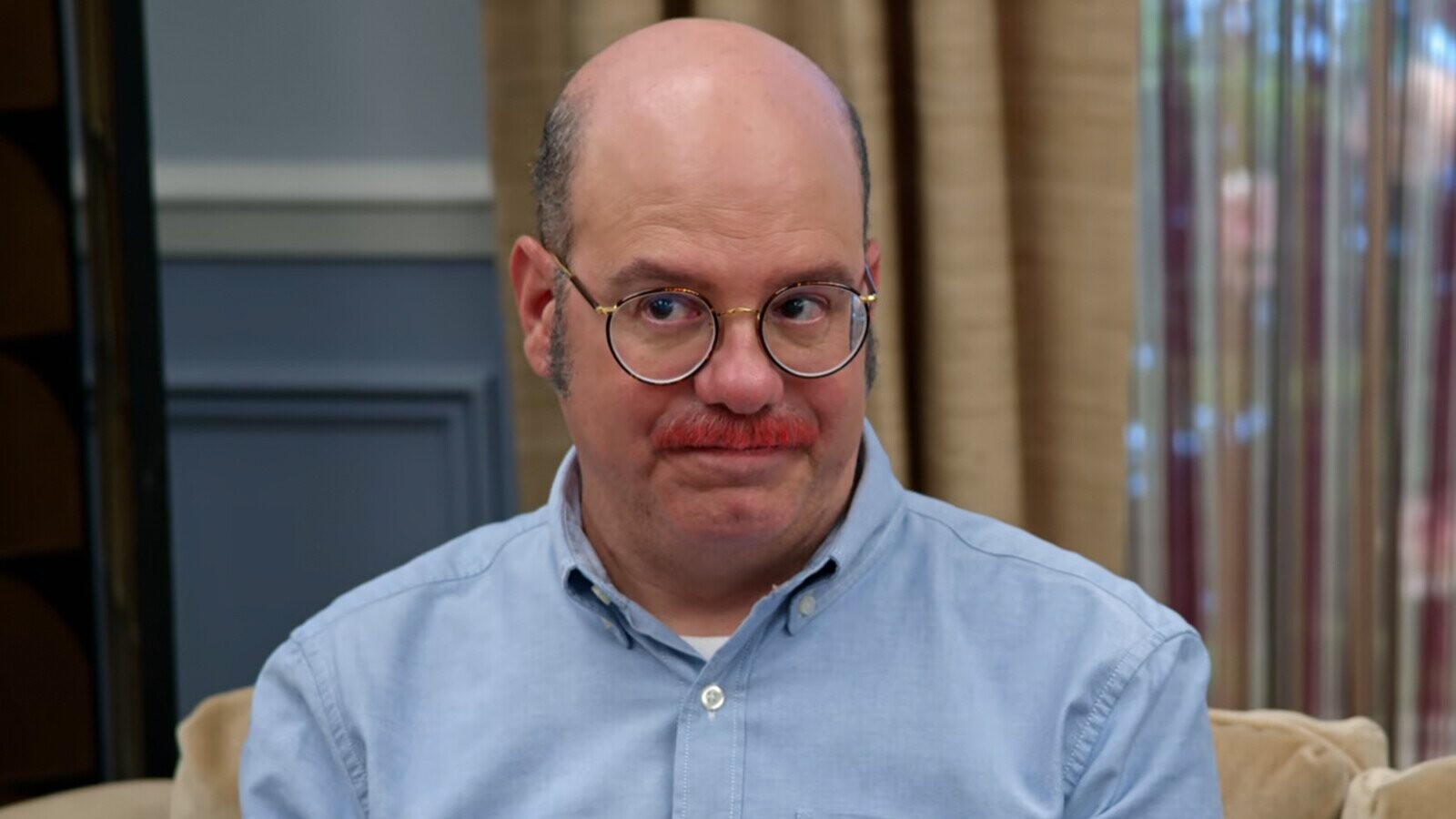
David Cross Regrets Doing a Fifth Season of ‘Arrested Development’
May
For years, Arrested Development fans have treated the Bluth family like a beloved but deeply exhausting relative: hilarious at Thanksgiving, financially suspicious, and probably hiding something in the banana stand. But even inside that loyal fan base, the show’s fifth season has always sat in a strange place. It was the comeback that was supposed to fix the awkwardness of Season 4, reunite the ensemble, and remind everyone why this Fox-turned-Netflix cult comedy became one of the sharpest sitcoms of the 2000s.
Instead, Season 5 became a cautionary tale about revivals, nostalgia, difficult productions, and the danger of trying to rebuild a perfect comedy machine after the gears have aged, scattered, and occasionally caught fire. Now, David Cross, the actor behind the unforgettable Tobias Fünke, has openly described the fifth season as a disaster and made it clear he regrets returning for that final chapter. For a show built on denial, delusion, and spectacularly bad decisions, that may be the most Arrested Development ending imaginable.
Why David Cross’s Regret Matters
David Cross was never just another cast member on Arrested Development. As Tobias Fünke, he helped create one of modern sitcom history’s most quoted oddballs: a failed therapist, aspiring actor, accidental double-entendre machine, and proud “never nude.” Tobias was the kind of character who could walk into a room wearing denim cutoffs under clothing and somehow make the rest of the Bluth family look emotionally stable.
So when Cross criticizes Season 5, fans listen. His comments do not sound like casual grumbling from an actor who had a bad day on set. They sound like someone looking back at a complicated creative experience and saying, with the clarity of hindsight, “That probably should not have happened.” According to Cross, the production was defined by constant reshoots, script changes, and a process that made it difficult for actors to do their best work. That is especially important for a show like Arrested Development, where timing, callbacks, layered jokes, and ensemble rhythm are not decorative details. They are the engine.
The Long Road From Cult Classic to Complicated Revival
To understand why Season 5 disappointed so many viewers, it helps to remember what made the original series feel so fresh. Arrested Development premiered on Fox in 2003 and quickly became a critical favorite. Created by Mitchell Hurwitz and narrated by Ron Howard, the series used documentary-style camerawork, rapid-fire jokes, flashbacks, fake archival footage, and running gags that rewarded obsessive rewatching. It was not a sitcom that politely waited for the audience to catch up. It sprinted ahead, tossed a chicken dance over its shoulder, and trusted viewers to follow.
The original run lasted only three seasons before Fox canceled it in 2006, but cancellation helped turn the show into a legend. Fans discovered it on DVD and streaming. Critics praised its density and ambition. Lines like “There’s always money in the banana stand,” “I’ve made a huge mistake,” and “I just blue myself” became comedy currency. The show was gone, but its reputation kept growing, which made a revival seem not only possible but inevitable.
Netflix Brought the Bluths BackBut TV Had Changed
Netflix revived Arrested Development with Season 4 in 2013, years after the original cancellation. That season arrived as part of the early streaming boom, when platforms were experimenting with binge releases, unusual episode structures, and fan-driven revivals. But the fourth season faced a major obstacle: the cast members had become busier and harder to schedule together. As a result, episodes often focused on individual characters rather than the ensemble chaos that powered the original show.
Season 5 was positioned as a correction. The promise was simple: bring the cast back together more often, return to shorter episodes, and restore the feeling of classic Arrested Development. On paper, that sounded like exactly what fans wanted. In practice, the revival had to carry years of expectations, complicated production logistics, and off-screen controversy. That is a lot of weight for any sitcom, even one with a stair car.
What Went Wrong With Season 5?
Cross has pointed to a production environment filled with rewrites, reshoots, and instability. For actors, especially in a dialogue-heavy comedy, constant script changes can be brutal. Comedy depends on precision. A line that lands perfectly at 9 p.m. may not survive a rewrite at midnight, a new version in the makeup chair, and a rushed scene at sunrise. The Bluths may thrive on chaos, but performers usually need something sturdier than “Here are new pages, good luck, please be funny.”
Season 5 also had to navigate storylines left over from Season 4, including the disappearance of Lucille Austero and the tangled emotional wreckage of the Bluth family. The season attempted to combine mystery plotting, political satire, character callbacks, and fan service. Sometimes it worked. There were flashes of the old rhythm, especially when the ensemble shared scenes. But the overall result often felt strained, as if the show was trying to imitate its younger self while wearing a fake mustache and pretending nobody noticed.
The Jessica Walter and Jeffrey Tambor Controversy
No discussion of Arrested Development Season 5 can avoid the 2018 controversy surrounding Jeffrey Tambor and Jessica Walter. During promotion for the season, the cast participated in a widely discussed interview where Walter became emotional while addressing an incident in which Tambor had verbally harassed her on set. Several male cast members, including Cross, were criticized for appearing to minimize or contextualize Tambor’s behavior rather than fully centering Walter’s experience.
Cross later apologized, acknowledging that he had failed in that moment. The backlash became part of the public conversation around Season 5 before many viewers had even watched the new episodes. It shifted attention away from the show’s jokes and toward deeper questions about workplace behavior, accountability, gender dynamics, and how beloved entertainment should be discussed when the making of it has caused harm. Suddenly, the revival was not just a comedy event. It was a cultural flashpoint.
Why Fans Felt Let Down
Many fans did not hate Season 5 because it was completely empty of laughs. The problem was more painful: it had enough familiar elements to remind viewers of what the show once was, but not enough consistency to feel fully alive. Watching it could feel like seeing an old friend perform an impression of themselves at a reunion. The gestures were there. The voice was recognizable. But something essential had shifted.
The original Arrested Development worked because everyone seemed trapped in the same dysfunctional orbit. Michael’s exasperation bounced off Gob’s delusion, Lucille’s cruelty, Buster’s panic, Lindsay’s vanity, George Michael’s anxiety, Maeby’s schemes, and Tobias’s spectacular lack of self-awareness. Season 5 reunited the cast more often than Season 4, but the chemistry did not always feel effortless. Add production challenges, aging storylines, and public controversy, and the result was a season that many viewers respected more as an attempt than enjoyed as entertainment.
David Cross and the Problem With Nostalgia TV
Cross’s regret also speaks to a larger issue in modern television: not every great show needs more seasons. Streaming platforms have turned nostalgia into a business strategy. If audiences loved something once, the temptation is to revive it, reboot it, remix it, extend it, or at least sell a commemorative mug shaped like a frozen banana. But comedy is not only about characters and catchphrases. It is about timing, context, chemistry, cultural mood, and creative hunger.
When a series returns years later, the audience changes, the industry changes, and the cast changes. What felt daring in 2003 may feel familiar in 2018. What once looked like sharp satire may now require a different lens. A revival can succeed, but only when it has a strong reason to exist beyond “people remember this title.” Season 5 of Arrested Development had moments of inspiration, but Cross’s comments suggest the process behind it was not healthy enough to support the kind of comedy fans expected.
Could Arrested Development Ever Return Again?
Cross has suggested that another return is highly unlikely, especially after Jessica Walter’s death in 2021. Walter’s Lucille Bluth was not simply one member of the ensemble. She was the show’s poisonous queen bee, martini philosopher, and emotional wrecking ball. Without Lucille, the Bluth family loses its center of gravity. Michael may have been the straight man, but Lucille was the sun around which everyone’s dysfunction orbited.
Technically, almost anything can be revived in modern television. But creatively, another Arrested Development season would face enormous challenges. It would need to address Walter’s absence, rebuild trust after the Season 5 backlash, and justify returning to a story that many people now consider finished. Sometimes the healthiest choice is to let a classic remain a classic, even if fans still want one more chicken dance.
What Season 5 Teaches About Creative Regret
Creative regret is not always about failure. Sometimes it is about recognizing that the cost of making something outweighed the value of the finished product. Cross’s regret seems rooted in the process as much as the outcome. If scripts are constantly changing, actors are exhausted, scenes are being reworked at the last minute, and the public conversation around the project becomes painful, even a few good jokes may not feel worth it in retrospect.
That is a useful lesson for artists, producers, and fans. Love for a show cannot solve every production problem. Nostalgia cannot replace preparation. A famous ensemble cannot automatically recreate old chemistry. And a revival cannot survive on references alone, no matter how beloved those references are. “There’s always money in the banana stand” remains a perfect line. But there is not always a good reason to reopen the stand.
The Legacy of Tobias Fünke Remains Intact
Even with Cross’s regret, Tobias Fünke remains one of the great comic creations of the 21st century. The character’s mixture of confidence, obliviousness, theatrical desperation, and accidental innuendo still feels uniquely absurd. Tobias was ridiculous because he never understood how others saw him. That made him a perfect fit for a show about people who were constantly performing versions of themselves while denying reality.
Season 5 may not have delivered the farewell fans wanted, but it does not erase the brilliance of the original run. Great television legacies are not always neat. Some shows end too soon. Some return too late. Some do both. Arrested Development somehow managed to become a canceled masterpiece, a streaming experiment, a revival success story, and a revival warning sign all at once. Honestly, that sounds exactly like something the Bluths would put in a business plan.
Additional Experience: Watching a Beloved Show Return Can Feel Personal
There is a particular experience that many longtime TV fans understand: the nervous excitement of pressing play on a revival. It feels less like starting a new episode and more like opening a time capsule. You are not only watching characters return. You are revisiting the version of yourself who loved them in the first place. That is why reactions to Arrested Development Season 5 were so intense. Fans were not simply judging plot mechanics. They were measuring the distance between memory and reality.
For many viewers, the original series arrived at the perfect moment. Its humor was fast, strange, and unusually dense. It rewarded attention in a way that made fans feel like insiders. Catching a callback from two seasons earlier felt like finding a secret door in a house you thought you already knew. When the show returned, audiences wanted that feeling again. But nostalgia can be a tricky little magician. It promises to bring back the past, then reveals it was hiding disappointment in the sleeve.
Watching Season 5 with that emotional baggage made every flaw feel larger. A delayed punchline was not just a delayed punchline; it was evidence that the rhythm had changed. A forced callback was not just a joke that missed; it was a reminder that the show was now aware of its own mythology. The same thing happens with many revivals. Fans say they want more, but what they often want is the original feeling untouched by time. That is almost impossible to deliver.
David Cross’s regret adds another layer because it confirms what many viewers sensed: the season did not merely feel strained on screen; it was strained behind the scenes. That matters. Audiences may not know the details of production while watching, but they can often feel when a comedy is fighting itself. Great ensemble humor has a looseness to it, even when every line is carefully written. When the process becomes too fragmented or chaotic, that looseness disappears.
The lesson for viewers is not that revivals are bad. Some are thoughtful, funny, and emotionally satisfying. The lesson is that a beloved title should not be treated like a vending machine. You cannot insert nostalgia, push the “classic chemistry” button, and expect a perfect new season to fall out. The people making the show need time, clarity, respect, and a reason to return. Without those ingredients, even brilliant performers can end up trapped in a project that feels more like obligation than inspiration.
In that sense, Cross’s honesty is valuable. It gives fans permission to love the original show, appreciate Tobias, laugh at the best moments of the revival, and still admit that Season 5 may have been a mistake. That is not betrayal. That is mature fandom. Sometimes the most respectful thing we can say about a great comedy is that it already gave us enough. The banana stand had its day. The stair car ran. Tobias blue himself into television history. Maybe that is plenty.
Conclusion
David Cross regretting the fifth season of Arrested Development is not just a celebrity sound bite. It is a window into the risks of reviving a beloved show after its original moment has passed. Season 5 tried to bring the Bluth family back together, but behind-the-scenes difficulties, public controversy, and the impossible weight of fan expectations made the comeback feel uneven. Still, the legacy of Arrested Development remains secure. Its best episodes are still sharp, strange, and endlessly rewatchable. Its characters remain iconic. And Tobias Fünke, denim shorts and all, remains gloriously unforgettable.

