
Beauty Unlocked
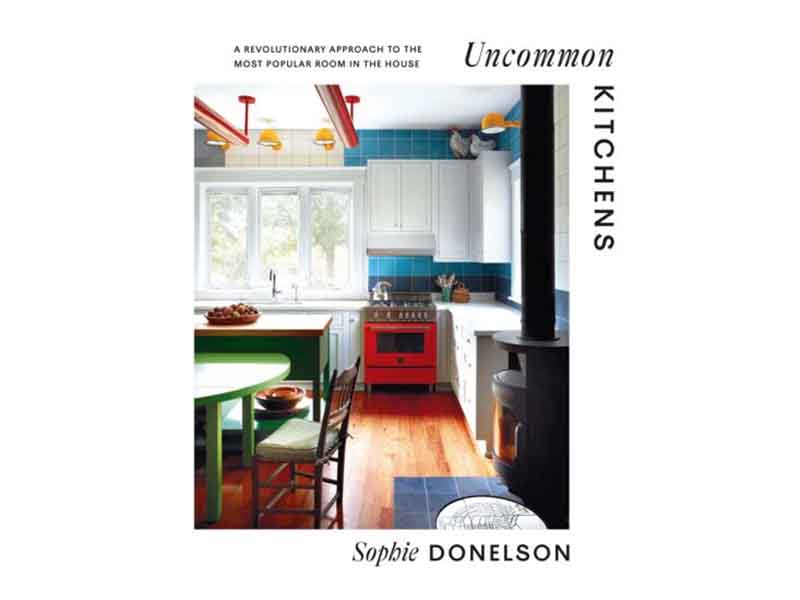
Uncommon Kitchens: A Revolutionary Approach to the Most Popular Room in the House
May
The kitchen has always had a flair for drama. It burns toast, hosts family debates, hides the good snacks, and somehow becomes party headquarters even when the living room is begging for attention. But today’s kitchen is no longer just a tidy triangle of sink, stove, and refrigerator. It is a command center, wellness zone, coffee bar, homework station, design experiment, and occasionally a therapy office with better lighting.
Uncommon kitchens are changing how Americans think about the most popular room in the house. Instead of chasing one perfect showroom look, homeowners are building kitchens around real life: messy breakfasts, late-night tea, aging parents, children with backpacks, pets who believe every cabinet contains treats, and adults who deserve a room that feels less like a laboratory and more like a place to live.
This revolutionary approach is not about being weird for the sake of it. It is about making the kitchen more personal, more flexible, more efficient, and more joyful. The uncommon kitchen asks a better question: not “What should a kitchen look like?” but “How should this kitchen work for the people who actually use it?”
What Makes a Kitchen “Uncommon”?
An uncommon kitchen breaks free from the copy-and-paste design formula. It might feature a painted ceiling, a freestanding antique cabinet, a bold checkerboard floor, a built-in beverage station, a hidden pantry, or a cozy breakfast nook that looks like it wandered in from a charming boutique hotel. The point is not to shock guests. The point is to make the kitchen feel alive.
For years, the ideal kitchen was often presented as spotless, white, oversized, and slightly intimidating. Beautiful? Absolutely. Personal? Not always. The new kitchen movement is warmer, more layered, and more human. Homeowners are embracing color, texture, art, vintage pieces, natural materials, better storage, and layouts that support daily routines instead of forcing daily routines to behave.
The Kitchen Is Now a Lifestyle Hub
Modern kitchen design has expanded far beyond cooking. Today, people want kitchens that support entertaining, working, relaxing, feeding pets, storing bulk groceries, charging devices, and making coffee that costs less than a small vacation. This explains the rise of beverage centers, walk-in pantries, appliance garages, mudroom connections, flex-office corners, and islands designed with deep storage instead of empty decorative bulk.
The best uncommon kitchens are practical first. They create zones: a prep zone near the sink, a cooking zone with ventilation, a cleanup zone near the dishwasher, a coffee or beverage zone away from the main traffic path, and a social zone where guests can hover without standing exactly where the cook needs to chop onions. This is kitchen diplomacy at its finest.
The New Kitchen Island: Not Just a Big Rectangle
The island has become the celebrity of kitchen design, but uncommon kitchens are giving it a better job description. Instead of simply being large, the island is becoming smarter. It may include drawers for dishes, open shelves for cookbooks, a lowered baking surface, a built-in microwave drawer, charging outlets, or seating that encourages conversation instead of making everyone sit shoulder-to-shoulder like polite airline passengers.
In smaller homes, a movable island or table can be more useful than a fixed island. Flexibility matters. A vintage worktable can provide prep space, character, and the ability to move when you need room for holiday chaos. Sometimes the most revolutionary idea is wheels.
Color Is Back, and It Brought Personality
Uncommon kitchen design welcomes color like an old friend who arrives with dessert. Deep green cabinets, butter-yellow walls, oxblood accents, terracotta tile, navy built-ins, warm wood stains, and smoky blues are replacing the idea that a kitchen must look like a cloud wearing stainless steel jewelry.
Color does more than decorate. It shapes mood. A soft sage kitchen feels calm and garden-like. A dark burgundy pantry feels dramatic and delicious. A blue island can anchor a room without overpowering it. Even a small dose of colorpainted window trim, patterned café curtains, or a cheerful backsplashcan make a kitchen feel custom without requiring a full renovation.
How to Use Bold Color Without Regret
If you are nervous about bold kitchen color, start with areas that are easy to change. Paint the island instead of all cabinets. Add a colorful runner. Install removable wallpaper inside open shelves. Swap basic hardware for brass, black, ceramic, or painted knobs. Use art, lamps, stools, or window treatments to test your palette before making a permanent decision.
The secret is balance. A kitchen can handle personality, but it still needs visual breathing room. Pair saturated colors with natural wood, creamy walls, stone counters, or simple tile. Think “spirited dinner guest,” not “marching band in a pantry.”
Storage Is the Quiet Revolution
Nothing ruins a beautiful kitchen faster than clutter performing interpretive dance across every countertop. Smart storage is one of the strongest ideas behind uncommon kitchens. Homeowners are choosing deep drawers over awkward lower cabinets, floor-to-ceiling cabinetry, custom pantry systems, pull-out shelves, vertical tray dividers, spice drawers, hidden trash stations, and appliance garages that allow mixers and toasters to disappear when not in use.
A better kitchen does not always require more square footage. It requires better decisions. A narrow pull-out cabinet can store oils and vinegars. A drawer under the cooktop can hold pans exactly where they are needed. A butler’s pantry can keep serving pieces and small appliances out of the main kitchen. Even renters can benefit from freestanding shelves, rolling carts, magnetic knife strips, and labeled bins that prevent the dreaded “Where did we put the cumin?” crisis.
Lighting: The Unsung Hero With Main Character Energy
Lighting can make or break a kitchen. One overhead fixture in the center of the room is not a lighting plan; it is a ceiling-mounted apology. Uncommon kitchens use layered lighting: natural light, recessed or ceiling lights for general brightness, under-cabinet lights for prep work, pendants for atmosphere, and interior cabinet lighting for both function and a little evening sparkle.
Task lighting is especially important over cutting boards, sinks, ranges, and counters. LED lighting is a smart choice because it uses far less energy than incandescent lighting and lasts much longer. Dimmers are another small luxury with big impact. Bright light helps with chopping and cleaning; softer light makes midnight cereal feel less like a police interrogation.
Wellness Belongs in the Kitchen
A revolutionary kitchen is not only pretty. It is healthier. Better ventilation, safer surfaces, improved food storage, low-maintenance materials, and thoughtful cleaning zones all support wellness. Cooking creates steam, grease, odors, particles, andin some homes with gas appliancescombustion byproducts. A strong, properly ducted range hood can improve comfort and help reduce indoor pollutants.
Food safety also deserves design attention. The classic safety habitsclean, separate, cook, and chillare easier when the kitchen supports them. For example, separate cutting boards can live near the prep zone, a sink with enough counter space can simplify washing produce, and a refrigerator with clear zones can reduce the mystery-container problem. Nobody wants to play “Is this soup or science?” on a Tuesday.
Healthy Materials and Easy Cleaning
Low-maintenance surfaces are not boring; they are merciful. Quartz, sealed stone, porcelain tile, stainless steel, washable paint, and durable flooring can help the kitchen survive daily life. Natural materials such as wood and stone add warmth, but they should be selected with maintenance in mind. If you love marble, accept patina. If you hate patina, choose something tougher. Self-knowledge is a design tool.
Smart Technology Should Serve, Not Show Off
Smart kitchen technology is useful when it solves real problems. Wi-Fi-enabled appliances, app-controlled lighting, touchless faucets, induction ranges, wireless charging drawers, and refrigerators with flexible compartments can make daily routines smoother. But the uncommon kitchen does not worship gadgets. It chooses technology with purpose.
A smart faucet can help when hands are covered in dough. A steam oven can support healthier cooking. An induction cooktop can offer quick response and easier cleaning. A smart refrigerator may help some households manage groceries, while others may prefer a simple, reliable model with adjustable shelves. The best technology disappears into the rhythm of the room.
Designing for All Ages and Abilities
One of the most important shifts in kitchen design is the move toward accessibility and aging in place. A kitchen should not become difficult to use simply because someone is shorter, taller, older, recovering from surgery, carrying a baby, or using mobility support. Universal design makes kitchens better for everyone.
Helpful features include pull-out shelves, drawers instead of deep cabinets, wide walkways, lever-style handles, touchless faucets, contrasting surfaces for visibility, excellent lighting, easy-to-reach storage, and appliances placed at comfortable heights. These details do not make a kitchen look clinical. When done well, they make it feel graceful, thoughtful, and future-ready.
Uncommon Does Not Mean Expensive
Here is the delicious truth: many uncommon kitchen ideas are budget-friendly. You can repaint cabinets, replace hardware, hang art, add lamps, use café curtains, style open shelves, install peel-and-stick backsplash tile, bring in a vintage rug, upgrade lighting, or create a coffee station with a tray and a few shelves. Not every revolution requires a contractor named Gary and a six-week delay.
For homeowners planning a larger remodel, prioritize the bones: layout, storage, lighting, ventilation, electrical capacity, appliance placement, and durable surfaces. Decorative choices are easier to change later. Moving plumbing, fixing bad traffic flow, or correcting poor lighting after the fact is much less fun and usually much more expensive.
Specific Examples of Uncommon Kitchen Ideas
1. The Library Kitchen
Add bookshelves, framed art, a small lamp, and a comfortable chair near the breakfast area. This makes the kitchen feel like a lived-in room rather than a food factory. Cookbooks become décor, and the room gains personality.
2. The Hidden Workhorse Kitchen
Use tall cabinets, panel-ready appliances, appliance garages, and a walk-in pantry to keep the main kitchen calm. This is ideal for open-plan homes where the kitchen is always visible from the living room.
3. The Color-Blocked Kitchen
Paint lower cabinets a rich color and keep upper cabinets or walls lighter. This grounds the room without making it feel heavy. Add warm metal hardware for polish.
4. The Entertainer’s Kitchen
Create a beverage zone with a small fridge, coffee maker, glass storage, and sink if space allows. Guests can serve themselves without entering the main cooking lane, which protects both the meal and the cook’s blood pressure.
5. The Vintage-Mix Kitchen
Pair modern appliances with antique furniture, reclaimed wood shelves, old-fashioned lighting, or a skirted sink cabinet. This approach brings soul to new construction and charm to older homes.
The Experience of Living With an Uncommon Kitchen
Living with an uncommon kitchen feels different because the room starts responding to you. You stop adapting to bad storage. You stop apologizing for color. You stop pretending that the only acceptable countertop appliance is one hidden in shame. The kitchen becomes less of a performance and more of a partner.
Imagine walking into a kitchen where morning routines actually flow. The mugs are above the coffee maker. The spoons are in the drawer below. The dog bowl has its own tucked-away station instead of living in the exact spot where every human foot wants to land. The cutting boards are near the prep sink. The trash and compost are below the main work surface. The lighting is bright enough to chop parsley but soft enough to make a late dinner feel civilized.
That is the real magic of uncommon kitchen design. It reduces friction. It makes ordinary tasks feel smoother. It lets the kitchen hold more than food; it holds habits, memories, personalities, and little luxuries. A bold backsplash might remind you of a favorite vacation. A vintage table might come from a grandparent’s house. A green cabinet color might make winter mornings feel less gray. These details matter because people do not live in mood boards. People live in rooms.
There is also a confidence that comes from designing against the expected script. Many homeowners worry that a personal kitchen will hurt resale value. But a kitchen does not have to be bland to be appealing. Quality materials, good lighting, practical storage, and a functional layout will always matter. Personality can be layered in ways that are beautiful and flexible. Paint can be changed. Hardware can be swapped. Art can move. A well-designed kitchen with character often feels more memorable than a safe kitchen with no pulse.
In daily life, the uncommon kitchen encourages participation. Children can reach their own snack drawer. Guests can pour drinks without asking where everything is. A partner who never cooks may suddenly become very interested in the new coffee station. Friends gather around a table instead of hovering awkwardly near the oven. The room becomes generous.
The best experience, however, may be emotional. An uncommon kitchen gives permission to enjoy the home you have now. You do not need a mansion-sized footprint, a luxury budget, or a flawless renovation timeline. You need observation. What annoys you every day? What do you reach for most often? Where does clutter gather? Where does the light fall beautifully? What color makes you happy even before coffee? Answer those questions, and the kitchen begins to reveal its next move.
Start small if needed. Replace one harsh bulb with warm dimmable lighting. Paint the inside of a cabinet. Add a shelf for favorite bowls. Put a tiny lamp on the counter. Hang art where you least expect it. Create a breakfast tray that makes weekday mornings feel less like a fire drill. These changes may seem minor, but they build a relationship with the room.
Uncommon kitchens are revolutionary because they are honest. They admit that kitchens are messy, social, hardworking, emotional, and deeply personal. They reject the idea that beauty and function must compete. They prove that a kitchen can be efficient without being sterile, stylish without being stiff, and practical without looking like it was designed by a committee of measuring cups.
Conclusion
Uncommon Kitchens: A Revolutionary Approach to the Most Popular Room in the House is more than a design trend. It is a smarter way to think about the room that carries so much of everyday life. The modern kitchen must cook, store, clean, welcome, support, entertain, and comfort. It must work hard, but it should also have a sense of humor.
The most successful uncommon kitchens combine function with feeling. They use color, lighting, storage, wellness features, accessible design, and personal details to create spaces that are not just impressive but deeply usable. Whether you are planning a full kitchen remodel or simply replacing cabinet knobs on a Saturday afternoon, the goal is the same: build a kitchen that fits your life, not someone else’s showroom fantasy.
In the end, the revolutionary kitchen is not the one with the biggest island or the shiniest refrigerator. It is the one where people naturally gather, meals become memories, and the room quietly says, “Yes, this is exactly where you belong.”

