
Body Care
A Complete History of Goop Being Awful
May
There are celebrity lifestyle brands, and then there is Goop: a company that somehow turned “I like this face oil” into a multi-category empire of luxury sweaters, wellness retreats, jade eggs, “detox” guides, psychic-sounding products, scientific criticism, regulatory trouble, Netflix controversy, and an internet archive full of people asking, “Wait, are they serious?”
Founded by Gwyneth Paltrow in 2008 as a weekly email newsletter, Goop began as a polished little list of recommendations: places to eat, things to buy, ways to live a shinier life. It was aspirational, breezy, and extremely Gwyneth. But over time, Goop evolved from lifestyle curation into something much biggerand much more controversial. The company became one of the defining brands of the modern wellness boom, mixing luxury commerce with alternative health language, spiritual aesthetics, and a talent for making skeptics accidentally do its marketing for free.
This is not a medical takedown of every product Goop has ever sold, nor is it a personal attack on anyone who has ever enjoyed a nice serum, a clean candle, or an expensive cardigan that whispers “I summer in a place with oat milk.” It is a history of why Goop has been criticized so intensely: its flirtation with pseudoscience, its habit of wrapping questionable health claims in elegant packaging, and its uncanny ability to sell anxiety back to people in recyclable glass jars.
From Friendly Newsletter to Wellness Empire
Goop’s origin story is almost charming. In 2008, Gwyneth Paltrow started sending a weekly email full of personal recommendations. The concept was simple: a famous, tasteful person shares what she loves. In the pre-influencer era, that was powerful. Before every celebrity had a skincare line, a podcast, a tequila brand, and a vague “community platform,” Goop looked like a stylish digital diary.
The trouble began when the recommendations became less about restaurants and recipes and more about health, healing, hormones, detoxing, energy, and “ancient” practices with modern price tags. Goop did not merely sell products; it sold a worldview. In that worldview, fatigue might require a supplement, emotional discomfort might need a flower essence, and ordinary human imperfection could be treated as an optimization problem.
That combinationcelebrity trust, luxury branding, and wellness languagewas incredibly effective. It also made experts nervous. Health information is not the same as a hotel recommendation. When a brand with a huge audience suggests that a product may affect hormones, mood, fertility, energy, or immunity, the stakes are no longer “this moisturizer was underwhelming.” They become medical, financial, and ethical.
The Goop Formula: Luxury + Mystery + “Just Asking Questions”
One reason Goop became so controversial is that it mastered a slippery style of communication. The brand often positioned itself as curious, open-minded, and exploratory. That tone sounds harmless. After all, curiosity is good. Asking questions is good. Learning about different traditions can be good.
But the problem is that “just asking questions” can become a velvet curtain hiding weak evidence. A wellness article can feature an alternative practitioner, a dramatic testimonial, and a product link, then avoid sounding like a direct medical claim. The reader, however, may still walk away believing that the product can treat a real condition. That is where critics say Goop’s charm becomes dangerous: the company can sound like a friend while operating like a retailer.
This is the heart of the Goop controversy. It is not simply that Goop sold unusual things. Plenty of brands sell unusual things. It is that Goop repeatedly attached wellness significance to products and practices in ways that doctors, scientists, consumer advocates, and regulators found misleading or unsupported.
The Jade Egg Era: When Goop Became a Punchline
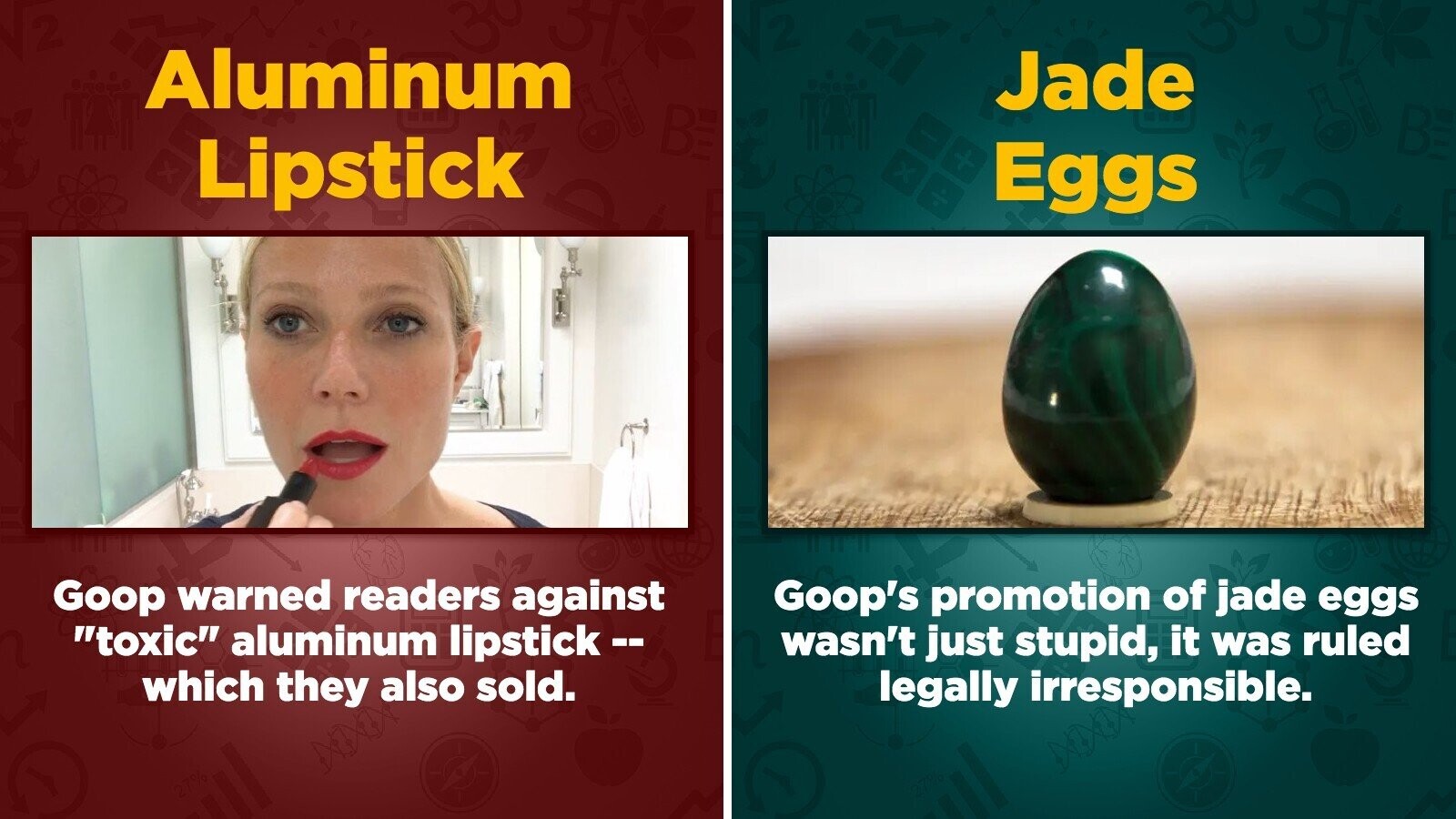
No history of Goop criticism is complete without the jade egg. In 2017, Goop promoted egg-shaped stones marketed for vaginal use. The company’s site associated the products with benefits involving sexual energy, pelvic strength, hormones, menstrual cycles, and bladder control. Medical experts pushed back hard, warning that the claims were not supported by reliable science and that the practice could carry risks.
The jade egg became the perfect Goop symbol because it compressed the entire brand controversy into one object: expensive, intimate, mystical, beautifully photographed, and medically questionable. It was a wellness product that seemed designed in a laboratory where the only ingredients were moonlight, disposable income, and a total disregard for gynecologists having a peaceful lunch.
In 2018, Goop agreed to a settlement with California prosecutors over claims related to the jade egg, rose quartz egg, and a flower essence blend. The complaint alleged that Goop made unsubstantiated representations about the effects or attributes of those products. Under the stipulated judgment, Goop agreed to pay $145,000 in civil penalties and was barred from making claims about product efficacy without competent and reliable scientific evidence.
Goop did not admit wrongdoing in the way critics wanted, but the settlement mattered. It showed that wellness marketing is not protected by soft lighting and celebrity aura. If a company sells products with health-related promises, those claims need evidence. A crystal may be pretty. A product page still has to obey advertising law.
The NASA Sticker Incident: Space-Age Woo-Woo Meets Reality
Then came the “bio-frequency” sticker controversy, one of the funniest and most revealing Goop episodes. Goop promoted wearable stickers from Body Vibes that were described as using material related to NASA spacesuits. The idea was that the stickers could help rebalance energy frequencies in the body. It sounded like a wellness pitch that had swallowed a science museum brochure.
NASA pushed back. Reporting at the time explained that NASA did not use the claimed carbon material in the way the product description suggested. Goop later removed the NASA-related claim and said it had not done enough due diligence before including the distributor’s information.
The sticker incident became infamous because it exposed a recurring problem: scientific language can be borrowed to make a product feel legitimate, even when the underlying claim is weak. Words like “frequency,” “energy,” “bio,” and “NASA” can turn a sticker into something that sounds like it escaped from a lab. But science is not a font choice. You cannot sprinkle aerospace vocabulary over a wellness product and call it evidence.
Detox Culture and the Coffee Enema Problem
Goop also became a major amplifier of detox culture, a wellness category that often thrives on the idea that modern life has filled the body with mysterious toxins that only special products, restrictive routines, or dramatic interventions can remove. The body, inconveniently for detox marketers, already has a liver, kidneys, lungs, skin, and digestive system. They do not need a luxury rebrand.
In 2018, Goop drew criticism for featuring an at-home coffee enema device in a detox guide. Medical experts warned against the practice, noting that colon cleansing can cause harm, especially for people with certain medical conditions. Critics saw the recommendation as another example of Goop turning a questionable health practice into a lifestyle accessory.
The coffee enema controversy matters because it illustrates the difference between “quirky” and “potentially harmful.” A $700 sweater may be absurd, but it usually will not send anyone to the emergency room. Health recommendations require a higher standard. When wellness content encourages people to experiment with invasive or risky practices, the brand cannot hide behind vibes.
V-Steams, Bee Venom, and the Wellness Danger Zone
Goop has also been criticized for promoting or discussing practices such as vaginal steaming and bee-venom therapy. The issue is not that every alternative practice is automatically worthless. The issue is that health claims need evidence, especially when there are possible risks.
Vaginal steaming, for example, was criticized by medical professionals who argued that steam does not balance hormones or cleanse the reproductive system and may cause irritation or burns. Bee-venom therapy has been discussed in wellness circles, but experts have warned that bee venom can cause severe allergic reactions, including life-threatening anaphylaxis.
Goop’s defenders might say the brand is simply exploring wellness frontiers. Critics respond that when those frontiers involve sensitive anatomy, allergic reactions, or medical conditions, exploration should come with a map, a doctor, and a functioning skepticism alarm.
Truth in Advertising and the Legal Wake-Up Call
Consumer watchdog Truth in Advertising, Inc. became one of Goop’s most persistent critics. The organization documented examples of Goop marketing that it argued included deceptive or unsupported health claims. Its complaints helped draw regulatory attention to the company’s advertising practices.
After the 2018 California settlement, TINA.org later alleged that Goop continued making problematic claims about some products. The debate highlighted a larger issue in wellness commerce: disclaimers do not magically neutralize marketing impressions. If a page creates the takeaway that a product can help with anxiety, depression, hormonal issues, or other medical concerns, a tiny disclaimer cannot always undo that message.
This is important for SEO readers, business owners, and content marketers too. Wellness content is not just content. It can be advertising. Affiliate links, product pages, expert interviews, and brand storytelling can all shape consumer belief. If the implied promise is medical, the evidence must be strong enough to support it.
Netflix and The Goop Lab: Pseudoscience Gets a Streaming Budget
In 2020, Netflix released “The Goop Lab,” a series that brought Goop’s wellness curiosity to a much larger audience. The show explored topics such as energy healing, psychedelics, cold therapy, anti-aging, mediumship, and sexuality. Some viewers saw it as open-minded entertainment. Many critics saw it as an infomercial with better lighting.
The central concern was platform power. A fringe wellness idea on a small blog is one thing. A glossy Netflix series is another. Streaming distribution can make speculative health claims feel mainstream, especially when episodes mix real science, personal testimony, emotional storytelling, and commercial brand identity.
To be fair, some topics covered by the showsuch as psychedelic-assisted therapyare being studied seriously in clinical settings. The problem is that serious research can become blurred when placed beside less proven claims and Goop’s broader commercial ecosystem. The result can feel like a smoothie made from peer-reviewed studies, personal breakthroughs, spa brochures, and a credit card reader.
Why People Keep Paying Attention
Here is the awkward truth: Goop’s critics helped make Goop famous. Every outraged article, every late-night joke, every viral tweet about “what are they selling now?” turned the brand into a cultural object. Goop did not merely survive mockery; it metabolized mockery. It turned hate-clicks into awareness and awareness into brand heat.
That does not mean criticism was wrong. It means Goop understood something modern media sometimes forgets: attention has value even when it is negative. A ridiculous product can travel farther than a reasonable one. A controversial wellness claim can become free advertising. A brand can be laughed at and still sell out.
This is one of Goop’s strangest achievements. It became both a cautionary tale and a business model. It taught other celebrity brands that outrage can be useful, as long as the packaging is chic enough and the audience feels personally invited into the joke.
The Class Problem: Wellness for People With Marble Countertops
Another reason Goop inspires backlash is its relationship with money. Goop’s world often feels designed for people whose problems can be solved with a retreat, a serum, a private chef, and a newsletter about boundaries. The brand’s products and recommendations have often leaned expensive, making wellness feel less like public health and more like a members-only boutique.
This does not automatically make a brand unethical. Luxury exists. People are allowed to buy beautiful things. But when high-priced products are wrapped in the language of healing, empowerment, or self-care, the message can become uncomfortable: if you are tired, anxious, aging, bloated, sad, or hormonally confused, maybe you simply have not bought the right thing yet.
That is where Goop’s awfulness, as critics describe it, becomes cultural rather than merely commercial. It helped popularize a version of wellness that can make normal bodies feel like broken projects. It turned self-improvement into a shopping cart. It made “listen to your body” sound suspiciously like “add to cart.”
Business Trouble and the Goop Glow Fade
Goop has also faced questions about its business health. Reports in recent years have described layoffs, restructurings, and challenges around profitability and product strategy. Its more accessible beauty line, Good Clean Goop, launched through mass-market channels but was later discontinued after less than two years, according to business reporting.
That shift is interesting because it suggests Goop’s magic may work best when it remains exclusive. The brand was built on aspiration, scarcity, and the feeling that Gwyneth knows something the rest of us do not. When Goop moves into a more affordable aisle, it has to compete with many clean beauty brands that offer similar promises without the same baggage.
In other words, Goop’s greatest asset may also be its trap. It is famous because it is Goop. It is criticized because it is Goop. It sells fantasy, but fantasy becomes harder to scale when consumers get more skeptical, regulators get more attentive, and wellness shoppers start asking for evidence instead of adjectives.
What Goop Got Right, Even While Being Wrong
For all its problems, Goop did identify real frustrations. Many people feel dismissed by traditional health care. Many women have struggled to get answers about pain, fatigue, hormones, aging, stress, sexuality, and mental health. Many consumers want cleaner ingredients, more transparency, and a more holistic approach to well-being.
Goop succeeded because it spoke to those frustrations with style and confidence. It made people feel seen. The failure was not noticing the questions; the failure was too often presenting costly, under-supported answers with the emotional force of revelation.
A better wellness culture would keep the curiosity and lose the magical overreach. It would respect lived experience without replacing evidence. It would admit uncertainty without monetizing it. It would tell people, “Your symptoms matter,” without immediately handing them a crystal, a supplement, and a $500 ticket to an optimization summit.
Personal Experiences and Reflections: How Goop Changed the Way We Read Wellness Content
Even for people who have never bought a single Goop product, the brand has changed how many of us read wellness content online. Before Goop became a cultural punchline, a beautifully designed health article could feel trustworthy simply because it looked calm, expensive, and clean. The fonts were elegant. The photography was soft. The language was soothing. Surely, one thought, nobody would put questionable medical ideas next to such tasteful ceramics.
That illusion is gone. Goop taught readers to look past aesthetics. A page can be gorgeous and still be misleading. A product can be natural and still be ineffective. A founder can be famous and still be wrong. A testimonial can be sincere and still not count as evidence. In that sense, Goop accidentally performed a public service: it trained an entire generation of internet users to ask better questions.
One common experience with Goop criticism is the “double take.” You see a headline about a product or practice and assume it must be satire. Then you realize it is real. Then you feel a mix of amusement, concern, and the specific fatigue that comes from remembering that the internet is open 24 hours a day. This emotional roller coaster is part of why Goop became so sticky in popular culture. It offered endless material for jokes, but the jokes always had a serious aftertaste.
The deeper lesson is that wellness marketing often succeeds by speaking to vulnerability. People are tired. They are stressed. They feel unheard. They want control over bodies that sometimes behave unpredictably. Goop did not invent those feelings, but it became very good at turning them into commerce. That is why the brand’s history matters beyond celebrity gossip. It is a case study in how desire, fear, beauty, and authority can be packaged into something that feels empowering while quietly encouraging people to distrust ordinary science.
For writers, marketers, and publishers, Goop is also a warning about responsibility. Content is powerful when it sounds intimate. A friendly tone can lower a reader’s defenses. A personal recommendation can feel more trustworthy than an ad. But if the topic is health, that trust must be earned with accuracy, context, and humility. The more charming the content, the more careful it needs to be.
For readers, the practical takeaway is simple: pause before believing any wellness claim that promises broad benefits, uses vague energy language, relies heavily on ancient mystique, or makes you feel that your normal body is a problem waiting for a premium solution. Ask whether the claim is specific. Ask whether qualified experts agree. Ask whether the product is being sold on the same page as the advice. Ask whether the evidence would still sound convincing if it were printed in plain black text on a boring government form.
Goop’s history is funny because some of it is absurd. But it is also serious because wellness misinformation can cost people money, time, and health. The best response is not cynicism about all wellness. Sleep, movement, nutrition, therapy, community, and medical care matter. The best response is discernment. Enjoy the candle if you like the scent. Buy the sweater if you love the sweater. But when a brand starts selling certainty about your body, your hormones, your energy, or your future, keep one hand on your wallet and the other on a reliable source.
Conclusion: The Complete History of Goop Being Awful Is Really a History of Modern Wellness
Goop is not just a company. It is a mirror held up to the wellness economy: glamorous, anxious, curious, expensive, sometimes helpful, often ridiculous, and frequently allergic to boring evidence. Its history includes genuine business innovation, smart branding, loyal fans, and a remarkable ability to dominate conversation. It also includes health claims criticized by experts, a regulatory settlement, pseudoscience accusations, and products that became internet legends for all the wrong reasons.
The complete history of Goop being awful is therefore not only about Goop. It is about what happens when celebrity influence meets health insecurity, when luxury branding meets scientific vagueness, and when “self-care” becomes a marketplace where every discomfort can be monetized. Goop may continue changing, shrinking, expanding, or reinventing itself. But its legacy is already clear: it made wellness more stylish, more profitable, more controversial, and much harder to trust without asking, “Where is the evidence?”

