
Beauty Tools & Accessories
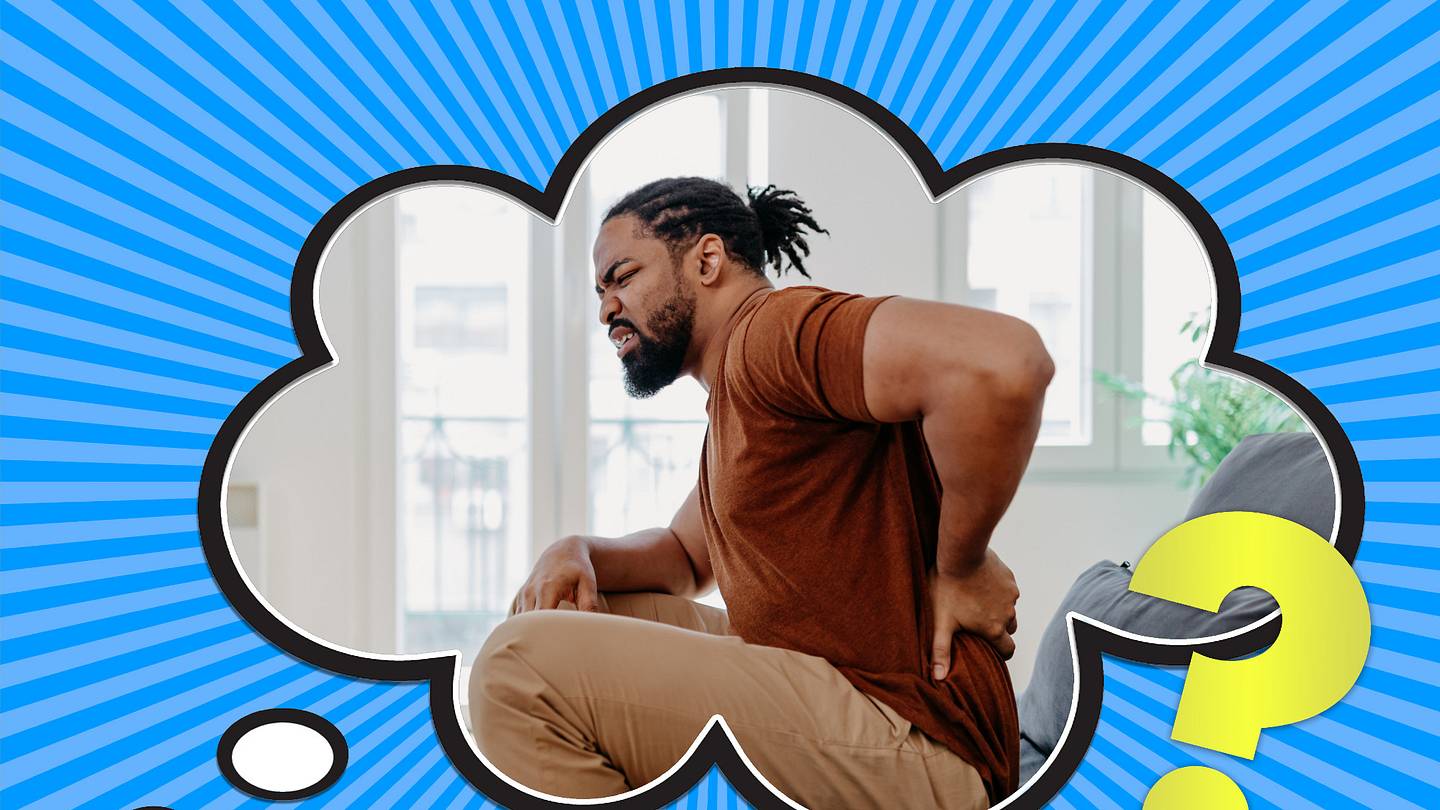
Why Do Older People Grunt or Moan While Sitting Down or Standing Up?
May
If you have ever heard an older relative make a dramatic “oof,” “ugh,” or the classic championship-level couch-exit groan, congratulations: you have witnessed one of the least discussed soundtracks of aging. It is part effort, part body mechanics, part habit, and sometimes part “these knees have seen things.”
Even though the noise is funny, the reason behind it usually is not mysterious. Standing up from a chair or lowering yourself into one is a small but surprisingly demanding full-body task. It asks your legs, hips, core, joints, balance system, and breathing pattern to cooperate in one smooth motion. When those systems are not as strong, flexible, or comfortable as they used to be, the body often announces the effort out loud.
That does not automatically mean something is wrong. In many cases, grunting or moaning while sitting down or standing up is simply a normal response to extra effort. But sometimes it can be a clue that muscle loss, joint stiffness, arthritis, deconditioning, dizziness, or another health issue is making movement harder than it should be.
This article breaks down what is usually going on, what is common with age, what should not be ignored, and what can make those everyday transitions feel less like a dramatic scene from an action movie.
Why the Noise Happens in the First Place
The short answer is this: many older adults grunt or moan when sitting or standing because the movement takes more effort than it used to. The sound often comes from the body bracing for motion, managing pressure through the torso, and reacting to stiffness or discomfort.
Think of standing up from a chair as a mini strength test hidden inside daily life. It may not look heroic, but it demands solid leg power, hip mobility, core stability, and balance. Younger or stronger bodies often handle that task automatically. Older bodies may need a little more setup, a little more momentum, and yes, a little more soundtrack.
Sometimes the sound is almost like an unconscious exhale. Sometimes it is a response to pain or stiffness. Sometimes it is just a habit that developed because movement became harder over time. In other words, the grunt is usually not the problem. It is often the body’s commentary on the problem.
What Is Happening Inside the Body?
1. The Body Is Bracing for Action
Many people make sound during effort because breathing and muscle tension are connected. Before a person stands up, the body often tightens the core and adjusts the diaphragm to stabilize the trunk. That makes movement safer and more efficient. The audible “uhh” or “oomph” can be part of that bracing process.
It is not all that different from what happens when someone lifts a heavy box, climbs stairs with groceries, or tries to rise from a very soft couch that seems emotionally committed to never letting them leave. The noise may sound dramatic, but sometimes it is simply an effort cue.
2. Standing Up Is Harder Than It Looks
Getting out of a chair is one of those tasks people underestimate until it becomes difficult. To stand, the body has to lean forward, shift weight over the feet, engage the hips and thighs, stabilize the knees, and maintain balance. If any part of that chain is weaker or stiffer, the whole move feels heavier.
That is why clinicians often pay close attention to chair-rise ability in older adults. Trouble standing from a chair can reflect reduced lower-body strength, balance problems, pain, or changes in mobility. When the move becomes harder, vocal effort often rises with it.
Common Reasons Older Adults Grunt or Moan While Sitting or Standing
Age-Related Muscle Loss
One major reason is sarcopenia, the gradual loss of muscle mass, strength, and physical performance that tends to happen with age. This does not mean every older adult becomes weak, but it does mean the body has less muscular reserve unless strength is actively maintained.
When the muscles of the thighs, hips, glutes, and core lose power, standing up from a chair takes more effort. A task that once felt automatic begins to feel like a low-budget leg press. The sound that comes out may be a grunt, a sigh, or something that sounds suspiciously like a pirate trying to leave a beanbag chair.
Muscle loss also affects balance and confidence. If a person feels even slightly unsteady, they may brace harder, move slower, and make more noise as they rise. The body is essentially saying, “We are doing this carefully, and I would like everyone to know it.”
Joint Stiffness and Less Flexibility
Aging can also bring stiffer joints and less flexible tissues. Over time, joints may lose some cushioning and fluid, muscles may shorten, and connective tissue may become less forgiving. After sitting for a while, that stiffness can become especially noticeable.
This is why some people are much noisier after a long car ride, a movie, or an afternoon in the recliner. The first movement after rest is often the roughest. Once they get going, they may move better. The opening groan is basically the body’s reboot sound.
Osteoarthritis and Other Sources of Pain
Osteoarthritis is another big reason. It commonly affects the knees, hips, back, and hands, and it can cause pain, stiffness, swelling, and reduced mobility. If the knees or hips hurt, getting up from a chair may be one of the moments when that pain becomes loud enough to earn an audible reaction.
People with arthritis often describe pain after sitting for a while, pain on standing, and discomfort during stairs or transitions. In that situation, the grunt is not just effort. It may be pain management, too. The sound becomes a reflexive response to a joint that is less than thrilled about participating.
Importantly, osteoarthritis is common as people age, but it is not something that should be dismissed with a lazy shrug and a “Well, you’re getting older.” Pain that limits daily life deserves attention.
Deconditioning From Too Much Sitting
There is also a very modern culprit: too much sitting. Long periods of sitting can contribute to stiff joints, weaker muscles, poorer posture, and more discomfort. So yes, the body may groan while standing because it has been marinating in stillness for hours.
This can happen at any age, but older adults tend to feel the effects more quickly. Less movement usually means less strength, less flexibility, and more effort required for routine transitions. The less often the body practices standing with control, the more dramatic the return performance can become.
Balance Changes and Compensation
Sometimes the issue is not pain alone. It is strategy. Older adults with weaker strength may use different movement patterns to rise, such as leaning the trunk farther forward or using momentum more aggressively. That adaptation can help, but it can also make the motion feel less smooth and more effortful.
When balance feels shaky, people may also brace harder or push through the arms of the chair. The accompanying sound can be part exertion, part concentration, and part negotiation with gravity.
Dizziness or Blood Pressure Changes
Not every groan is about muscles or joints. Some people feel lightheaded when they stand up, especially after sitting or lying down. This can happen with orthostatic hypotension, a drop in blood pressure upon standing. In that case, the moan may be less “my knees are mad” and more “the room just did a weird thing.”
If standing up brings dizziness, blurry vision, weakness, or near-fainting, that is worth discussing with a healthcare professional. Frequent symptoms are not something to brush off, especially in older adults, because they can raise the risk of falls.
Habit, Personality, and a Dash of Comedy
And yes, sometimes the grunt becomes a habit. Once a noise starts accompanying effort, it can stick around even when the movement itself is not terribly painful. Some people sigh when they sit. Some announce every rise like they are launching a rocket. Human beings are wonderfully weird that way.
So the answer is not always medical, but the pattern often reflects a real mix of effort, stiffness, discomfort, and learned behavior.
Is It Normal, or Is It a Sign of a Problem?
A brief grunt while getting up is usually not alarming on its own. In many cases, it is a normal response to effort, especially if the person is otherwise active, steady, and not limited by pain. Plenty of healthy older adults make a little noise simply because movement is less effortless than it was at 25.
But it is more concerning when the sound comes with clear difficulty. For example, it should raise questions if getting out of a chair looks unusually hard, takes multiple attempts, requires pulling with the arms every time, or causes visible pain. It also deserves attention if the person has had falls, is moving more slowly than before, or avoids standing because it hurts or makes them dizzy.
In other words, the noise itself is rarely the headline. The bigger story is whether strength, mobility, or comfort is slipping.
What Can Help Reduce the Grunting and the Effort Behind It?
Build Lower-Body Strength
Stronger legs and hips make daily life easier. Exercises that target the glutes, thighs, and core can improve the ability to rise from a chair, climb stairs, and move with confidence. Simple sit-to-stand practice, gentle squats, and resistance exercises can help when done safely and consistently.
You do not need to train like an action hero. Regular, moderate muscle-strengthening work is often enough to improve function. The goal is not to become a powerlifter. The goal is to stop sounding like an old screen door every time you stand up.
Keep Joints Moving
Gentle range-of-motion work and flexibility exercises can reduce stiffness. So can simply breaking up long periods of sitting. Standing, walking, stretching, and moving throughout the day help the joints stay less cranky.
If someone tends to groan most after long sitting, one of the simplest fixes is to sit less continuously. Even brief movement breaks can help.
Address Arthritis and Pain Early
If arthritis is part of the story, it helps to manage it instead of surrendering to it. Appropriate exercise, physical therapy, weight management when relevant, supportive footwear, and medical treatment can reduce pain and improve function. Stronger muscles around a painful joint can take some of the load off that joint.
Use Better Mechanics
Standing up is easier when a person scoots to the edge of the chair, places both feet flat on the floor, leans the chest forward over the toes, and pushes through the legs. A chair that is too low or too soft makes the move harder. Sometimes the furniture is not innocent.
Breathe With the Movement
Holding the breath can increase strain. A gentle exhale during the effort phase often helps. In simple terms: breathe out as you rise instead of turning the moment into a private wrestling match with oxygen.
Check for Dizziness and Medication Effects
If the issue feels more like wooziness than joint pain, it may help to stand more slowly, stay hydrated when appropriate, and review medications with a clinician. Blood pressure changes, dehydration, and some medicines can all make transitions harder and riskier.
When to Call a Healthcare Professional
It is smart to get medical advice if grunting or moaning is paired with new or worsening pain, repeated trouble getting out of a chair, frequent dizziness on standing, falls, numbness, tingling, one-sided weakness, or shortness of breath. Those symptoms suggest the issue may be more than ordinary effort.
It is also worth checking in if the person’s mobility is clearly declining, if they suddenly need their arms to push off after never needing them before, or if they are avoiding normal activities because sitting and standing have become difficult.
And if there is sudden loss of muscle function, fainting, or a rapid change in strength, that should be treated urgently. Aging may explain many things, but it should never be used as camouflage for a serious problem.
The Bottom Line
Older people often grunt or moan while sitting down or standing up because those motions demand more from the body than they used to. Age-related muscle loss, joint stiffness, arthritis, deconditioning, altered movement mechanics, and occasional dizziness all can play a role. Sometimes the sound is harmless. Sometimes it is a clue.
The good news is that this is not just a comedy bit written by time. Strength training, better movement habits, pain management, flexibility work, and medical evaluation when needed can make everyday transitions easier. So while the famous “dad groan” or “grandpa oof” may never disappear completely, it does not have to be the star of the show.
Everyday Experiences People Commonly Describe
One very common experience is the movie-theater effect. A person sits comfortably for two hours, feels totally fine while watching the film, then stands up and suddenly releases a dramatic groan loud enough to earn side-eye from strangers in Row G. What happened? Usually nothing mysterious. The hips and knees stiffened during the long sit, the muscles took a break, and the first standing movement demanded more effort than expected.
Another familiar story happens with the favorite living-room chair. Many older adults do fairly well getting up from a kitchen chair or firm bench but seem to wrestle a soft recliner like it has become a personal enemy. That is because low, cushioned seats require more leg strength and more control. The person often sinks deeper, leans farther forward, and has to work harder to rise. The grunt is less about age in the abstract and more about lousy furniture physics.
Morning can be its own special chapter. Some people wake up, sit at the edge of the bed, stand, and immediately let out a tired moan that sounds like the body is filing a formal complaint. In many cases, that reflects morning stiffness, especially if arthritis or tight muscles are involved. After a few minutes of walking around, things improve. The body is basically saying, “I am available for movement, but not without protest.”
There is also the car-ride version. After a long drive, a person unfolds themselves from the front seat in stages, often with a sequence of noises that sounds like opening an old accordion. Hips have been flexed, the back has been static, knees are bent, and muscles are less ready to fire smoothly. The groan becomes part of the transition back into upright life.
Many families notice that the sound increases when a person is tired. That makes sense. Fatigue lowers the body’s reserve. A move that felt easy in the morning may feel heavier by evening. The legs are less springy, posture slips a bit, and the core does less quiet stabilizing. The soundtrack gets louder because the effort got bigger.
Some older adults even joke that the noise serves a social purpose. It announces, “I am standing now,” which is not medically necessary but does create a certain household ambiance. Humor aside, that self-awareness can be useful. If someone notices the groaning is becoming more frequent, more intense, or more clearly tied to pain or instability, it may be a cue to act early with exercise, better seating, or a medical check-in.
Caregivers often describe another pattern: the person who says, “Oh, I’m fine,” while clearly pushing hard off the armrests, rocking forward for momentum, and making a noise that suggests the mission has a soundtrack and possibly a sequel. This matters because people sometimes normalize gradual decline. They adapt so slowly that they do not realize how much harder the movement has become.
On the brighter side, people also describe noticeable improvement after a few weeks of regular movement. A walking routine, physical therapy, leg strengthening, or simply standing up more often during the day can make the chair transition smoother. The groan may shrink from full theatrical performance to a modest little “hmph,” which in this context counts as progress.
So yes, the experience is common, relatable, and often funny. But it also tells a story. Sometimes it is a harmless sound effect. Sometimes it is the body asking for stronger muscles, looser joints, less sitting, or a closer look at pain and balance. Listening to that story matters more than laughing at the noise.

