
Skincare
How to Make Your Guinea Pig Happy Without a Second Guinea Pig
Aug
If you have one guinea pig and no immediate plans to add a second, take a deep breath. You are not automatically the villain in a tiny vegetable-powered drama. While guinea pigs are naturally social and often do best with other guinea pigs, a solo cavy can still enjoy a safe, stimulating, contented life when their human puts in the work. And yes, “the work” includes more than tossing in a lettuce leaf like a stressed-out cruise director.
The secret to solo guinea pig care is simple: you cannot replace guinea pig companionship perfectly, but you can build a routine and environment that keeps your pet engaged, secure, well-fed, and emotionally connected to you. A happy single guinea pig usually has a spacious habitat, constant access to hay, regular enrichment, predictable handling, safe floor time, and a human who pays attention to behavior changes instead of assuming every squeak means, “More parsley, servant.”
This guide walks through exactly how to make your guinea pig happy without a second guinea pig, from daily habits and boredom busters to body-language clues that tell you whether your pig is thriving or merely tolerating your existence.
First, Be Honest: A Solo Guinea Pig Needs More From You
Let’s start with the honest part. Guinea pigs are herd animals by nature. In the wild, they live in groups, communicate constantly, and rely on social contact for comfort. That is why many rescues and experienced guinea pig caregivers strongly prefer bonded pairs. But life is not always that tidy. Sometimes a guinea pig does not bond well, sometimes health or quarantine makes a companion unrealistic, and sometimes owners are working within space, finances, or veterinary guidance.
If your guinea pig lives alone, the goal is not to pretend solitude is identical to a bonded pair. It is to reduce loneliness and boredom with better care. That means more interaction, more environmental variety, more routine, and more observation. A solo guinea pig needs you to become a thoughtful caregiver, not just the person who refills the food bowl and vanishes like a produce-delivery ghost.
Create a Habitat That Feels Bigger, Safer, and More Interesting
If your guinea pig is living alone, cage quality matters even more. A cramped setup turns a solo pig into a bored pig fast. Bigger really is better. Your guinea pig should have enough room to move, zoom, forage, nap, snack, and dramatically rearrange the décor for no apparent reason.
What a happiness-friendly habitat should include
- Solid flooring: Guinea pigs do best on solid surfaces, not wire floors that can hurt their feet.
- Multiple hideouts: One hidey house is good. Two or three are better. Prey animals relax when they know they can disappear from view on demand.
- Separate zones: Create areas for hay, resting, eating, and exploring so the enclosure feels more dynamic.
- Soft bedding and clean footing: Spot-clean daily and deep-clean regularly to control odor, moisture, and stress.
- Safe chew items: Guinea pigs need to chew constantly to help wear down their ever-growing teeth.
Think of your guinea pig’s enclosure as a studio apartment that should feel more like a tiny wellness retreat than an airport waiting area. Rotate tunnels, cardboard structures, paper bags stuffed with hay, and safe chew toys so the space changes just enough to stay interesting without becoming chaotic.
Feed for Health, Comfort, and Daily Enrichment
Food is not just fuel for a guinea pig. It is enrichment, routine, and emotional stability all rolled into one crunchy package. If you want a solo guinea pig to stay happy, diet must be rock solid.
The basics of a happy guinea pig diet
- Unlimited grass hay: This is the foundation. Hay supports digestion, dental wear, and natural foraging behavior.
- Guinea pig pellets: Use a plain, guinea pig-specific pellet fortified with vitamin C. Avoid rabbit pellets, seed mixes, nuts, and sugary nonsense.
- Fresh vegetables daily: Offer a rotating mix, especially vitamin C-rich options like bell peppers.
- Fresh water at all times: Clean bottles and bowls often.
- Treats in moderation: Fruit and sweet snacks should be occasional cameos, not the main cast.
Variety matters. Rotating safe vegetables and hay textures makes mealtime more stimulating for a solo pig. Instead of dumping everything into one bowl like you are catering a rodent banquet, scatter some greens around the enclosure, tuck herbs into hay, or place small portions in different spots. Now dinner becomes a treasure hunt. Congratulations, your guinea pig is suddenly booked and busy.
Vitamin C deserves special attention. Guinea pigs cannot make their own vitamin C, so they must get it from food and, if needed, a vet-approved supplement. If your pig’s diet is sloppy, happiness usually does not stay intact for long. A pig with poor nutrition may become lethargic, uncomfortable, or ill, and nothing ruins the mood quite like scurvy.
Use Enrichment Like It Is Your Part-Time Job
This is where many solo guinea pig setups succeed or fail. Guinea pigs are natural chewers, explorers, hiders, and foragers. If they do not have appropriate ways to perform those behaviors, they can become withdrawn, restless, noisy, or flat-out bored.
Easy guinea pig enrichment ideas
- Stuff hay into cardboard tubes
- Make paper-bag forage stations
- Offer untreated wood chews or applewood sticks
- Use tunnels, fleece forests, and low ramps
- Hide veggie pieces in different corners
- Rotate toys weekly so nothing becomes wallpaper
- Provide supervised floor time in a safe pen
The best enrichment does not have to be expensive. A cardboard box with two exit holes can become a mansion, a hideout, a snack bunker, and a statement piece. Crumpled brown paper, hay piles, fleece strips, and hidey tunnels often beat overpriced pet-store clutter. Guinea pigs are not interior designers. They are small hay goblins with strong opinions and low standards.
One caution: do not overwhelm your pig with nonstop novelty. Guinea pigs usually prefer gentle change, not a complete home makeover every Tuesday. Rotate one or two items at a time so the space feels interesting without becoming stressful.
Build a Daily Routine Your Guinea Pig Can Count On
Guinea pigs love predictability. A solo guinea pig, especially, benefits from a stable daily rhythm because routine reduces stress and helps your pet feel secure. Feeding at roughly the same times, offering floor time on a regular schedule, and using a calm voice during care all make a difference.
Think of routine as emotional scaffolding. When your guinea pig knows breakfast, cleanup, interaction, and quiet time happen in a familiar pattern, your home feels safer. Many guinea pigs even begin to anticipate these events and respond with excited squeaks, relaxed body language, and more confident exploration.
A simple solo guinea pig routine might look like this
- Morning: Refresh hay, water, and vegetables; do a quick wellness check
- Afternoon or evening: Brief interaction, hand-feeding, or supervised lap time
- Daily: Floor time or enrichment session
- Night: Spot-clean habitat and top up hay
The routine does not have to be elaborate. It just has to be dependable. Guinea pigs are not asking for a choreographed Broadway schedule. They are asking for consistency, snacks, and a reasonable number of hiding options.
Become a Better Companion, Not a Forceful One
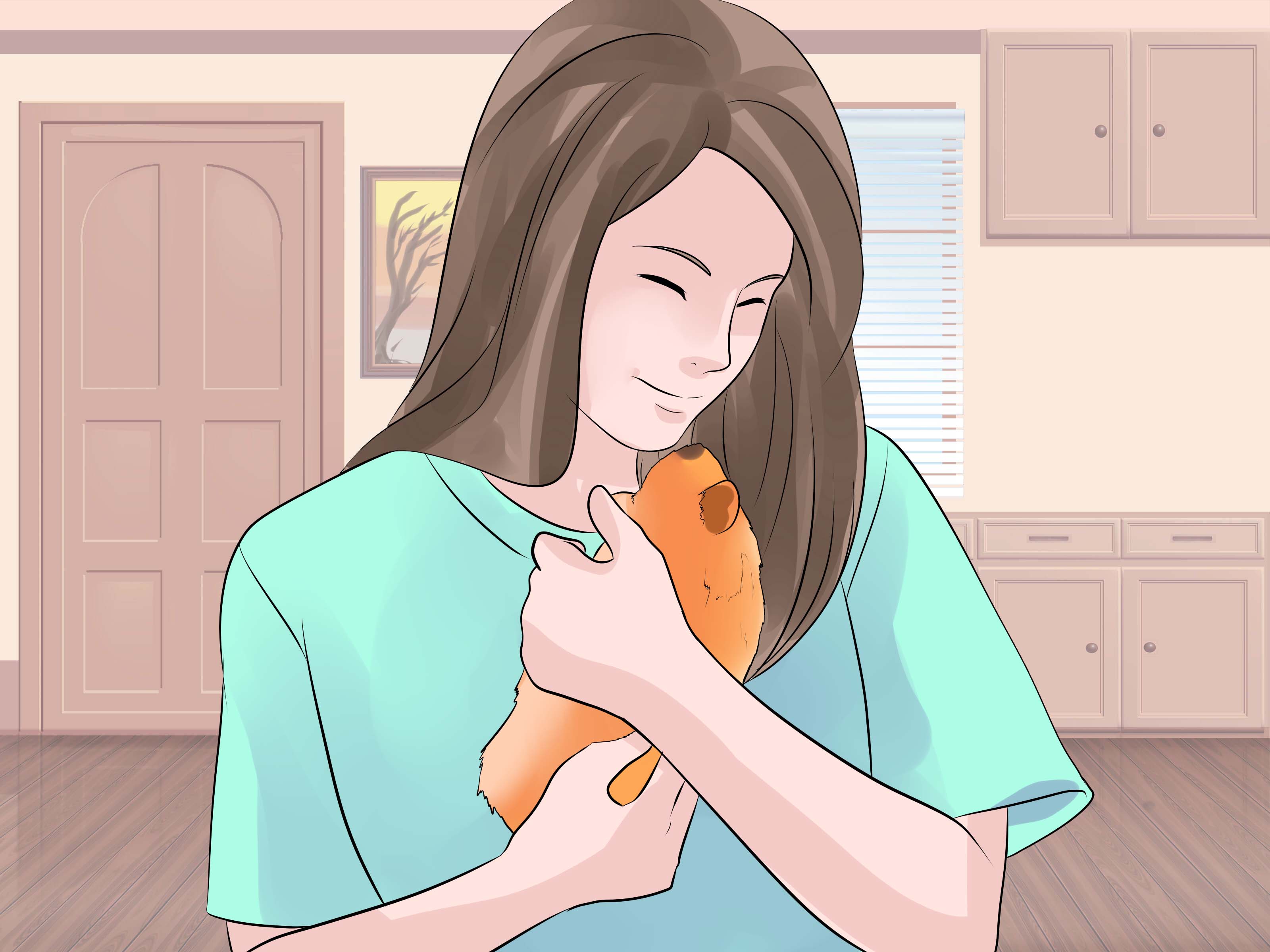
If your guinea pig lives alone, your relationship matters a lot. But here is the trick: happiness is not created by constant cuddling. It is created by trust. Many guinea pigs do not enjoy being scooped up randomly, squeezed, or kissed like furry stress balls. They prefer calm, predictable, respectful handling.
How to bond with a solo guinea pig
- Approach slowly and speak softly
- Hand-feed favorite greens to build positive associations
- Let your guinea pig come to you during floor time
- Use a cuddle sack or small box for easier transfers
- Keep sessions short at first
- Notice preferences, because every guinea pig has opinions
Some guinea pigs want chin rubs and calm lap time. Others want to sit near you while pretending they are not emotionally invested. Respect both styles. The fastest way to make a guinea pig less happy is to ignore what the animal is telling you. If your pig freezes, chatters teeth, struggles, or hides after every interaction, adjust your approach. Trust grows on the guinea pig’s schedule, not yours.
Make Floor Time Count
Floor time is one of the best tools for keeping a single guinea pig mentally and physically satisfied. A safe exercise pen or guinea pig-proofed area gives your pet room to sniff, run, popcorningly lose their mind, and explore beyond the cage.
To make floor time worthwhile, add tunnels, hay piles, hideouts, and a few small veggie stations. Sit nearby and let your guinea pig investigate you. Read a book, answer emails, or simply be present while your pig waddles around like a nervous potato with a mission. This helps your pet associate your presence with safety rather than only capture and relocation.
Always supervise floor time. Guinea pigs chew wires, wedge themselves into improbable places, and make baffling choices with great confidence.
Learn the Signs of a Happy Guinea Pig
Not every happy guinea pig acts like a furry confetti cannon, so it helps to know the quieter signs too. A content solo guinea pig often shows happiness in subtle, repeatable ways.
Common signs your guinea pig is doing well
- Popcorning or little joyful hops
- Curious exploring and relaxed sniffing
- Eating hay enthusiastically
- Wheeking when you arrive with food
- Soft purring or calm body posture during pleasant interaction
- Regular grooming, normal droppings, and stable appetite
- Choosing to come out of hiding when the room is calm
On the other hand, a lonely or stressed guinea pig may hide constantly, lose interest in food, become unusually aggressive, chatter teeth often, sit hunched, or seem disengaged from the environment. These signs are not always emotional; they may also point to illness. Guinea pigs are famous for hiding pain, so behavior changes deserve attention. If your solo pig suddenly becomes quiet, stops eating, loses weight, or looks uncomfortable, call an exotic veterinarian sooner rather than later.
Reduce Stress in the Rest of the House
Even the best enrichment plan can flop if your guinea pig is living in a stressful environment. Guinea pigs are sensitive prey animals. Loud music, barking dogs, grabby children, constant traffic, poor ventilation, and dramatic temperature swings can make them feel unsafe.
Place the habitat in a room where your guinea pig can observe normal household life without being in the middle of chaos. That sweet spot matters. Too isolated, and your pig may feel cut off. Too noisy, and your pig may spend the day hiding like a tiny witness protection client.
Quick stress-reduction tips
- Keep the cage away from direct sun, drafts, and smoke
- Avoid rough or surprise handling
- Supervise all child interactions
- Keep predator pets from looming over the enclosure
- Use calm voices and predictable care routines
When “Happy Enough” Is Not Enough
This article is about helping a guinea pig thrive without a second guinea pig, but it is also fair to admit when your current plan may not be enough. If your pet remains chronically withdrawn despite improved care, or if you are unable to provide enough daily interaction and enrichment, it may be worth speaking with an experienced rescue or exotic veterinarian about whether a carefully matched companion should be reconsidered.
There is no shame in reevaluating. Good pet ownership is not about winning a stubbornness contest. It is about responding to what your animal actually needs.
Conclusion: A Happy Solo Guinea Pig Is Possible, but Not Passive
So, can you make your guinea pig happy without a second guinea pig? Yes, in many cases, you can. But it will not happen by accident. A content solo guinea pig needs intentional care: a roomy habitat, unlimited hay, daily vitamin C-rich foods, regular enrichment, safe exercise, low-stress surroundings, and a calm human relationship built on trust instead of forced affection.
The biggest mindset shift is this: if your guinea pig lives alone, enrichment is not optional and routine is not just nice to have. They are the support beams holding up your pet’s quality of life. The more you respect your guinea pig’s instincts to hide, chew, forage, explore, and choose interaction on their own terms, the happier that little cavy is likely to be.
In other words, you do not need to become your guinea pig’s second guinea pig. You just need to become the world’s most reliable supplier of hay, hideouts, peace, and oddly emotional bell pepper service.
Experiences From Solo Guinea Pig Owners and Caregivers
One of the most common experiences people report with a single guinea pig is that happiness shows up in stages, not overnight. In the beginning, many solo guinea pigs are cautious. They hide a lot, freeze when a person walks by, and treat every hand like it might be delivering either parsley or betrayal. Then, after a few weeks of steady feeding times, soft talking, and calm floor sessions, the same pig often becomes much more confident. Owners frequently notice the first real breakthrough when the guinea pig starts wheeking at the sound of the refrigerator or comes to the front of the cage at the same time each day. That little routine-based excitement is usually a big sign that trust is forming.
Another very real experience is learning that not all attention counts as good attention. Some new owners assume that because their guinea pig is alone, they should hold and pet them constantly. What often happens instead is the pig becomes more stressed, not less. Experienced caregivers usually learn to scale back and focus on better interaction rather than more interaction. Sitting beside the exercise pen, hand-feeding a few greens, and letting the pig explore without pressure often works better than repeated scooping and cuddling. Many solo guinea pigs seem to relax faster when they are allowed to approach first and retreat whenever they want.
Food-based enrichment also becomes a game changer in a lot of homes. People often describe how their solo guinea pig became noticeably brighter and more active once mealtime stopped being boring. Scattering leafy greens, hiding herbs in hay, or placing small veggie portions around the enclosure can turn a sleepy routine into a daily event. Owners say their pigs begin exploring more, moving more, and showing stronger anticipation for feeding time. It is a small change that can make the enclosure feel less like a box and more like a territory.
Many caregivers also discover that solo guinea pigs can become deeply tuned in to household rhythms. A pig may learn exactly when the lights come on, when the coffee maker starts, or when someone returns from work. Over time, some begin greeting their people with distinct wheeks, soft purrs, or eager pacing near the hay area. These patterns often make owners feel that their guinea pig is not just surviving alone but truly building a relationship. That bond can be especially strong in quiet homes where the pig sees and hears the same trusted person throughout the day.
Of course, there are also harder experiences. Some owners realize their guinea pig still seems bored even with a good setup. Others notice that when life gets busy and enrichment slips, the pig becomes less active or more withdrawn. That is an important lesson too. A single guinea pig often does well when care is attentive and structured, but may struggle when interaction becomes inconsistent. Many people say the biggest takeaway is that solo guinea pig happiness is absolutely possible, but it is hands-on. The pig usually flourishes when the owner treats daily care like a relationship, not a checklist.
Perhaps the most reassuring experience shared by long-time guinea pig people is this: progress tends to be built from small, repeatable moments. A pig who starts eating while you are nearby. A pig who stops running away during spot-cleaning. A pig who popcorns during floor time for the first time. These are not flashy milestones, but they matter. They show that safety, comfort, and curiosity are growing. And for a solo guinea pig, that slow growth is often exactly what happiness looks like.
SEO Tags

