
Makeup
Organized Linen Closet
Aug
A linen closet should make life easier. Yet in many homes, opening that innocent-looking door feels like triggering a fabric avalanche. A fitted sheet slides off the top shelf, three washcloths make a break for freedom, and an unidentified pillowcase lands on your head like a tiny cotton parachute.
The good news is that creating an organized linen closet does not require a professional remodel, a wall of expensive matching baskets, or the ability to fold a fitted sheet while blindfolded. What it does require is a practical system based on how your household actually uses sheets, towels, blankets, toiletries, and guest supplies.
This guide walks through the entire linen closet organization process, from decluttering and measuring to folding bedding, assigning storage zones, controlling moisture, and maintaining order. The goal is not to create a closet that looks perfect for one photograph. The goal is to build one that still works after a busy Tuesday laundry night.
Why Linen Closets Become Disorganized So Quickly
Linen closets often become household catchalls because their contents are soft, flexible, and easy to squeeze into small gaps. One more towel never seems like a problem until the shelf resembles a compressed geological layer of cotton.
The closet may also contain unrelated items, including beauty products, first-aid supplies, cleaning cloths, toilet paper, travel toiletries, candles, humidifiers, heating pads, and the mysterious electrical cord nobody is willing to throw away. Without defined categories, the closet gradually becomes a storage room with unusually fluffy walls.
A successful linen storage system solves three problems:
- It limits how much you keep.
- It gives every category a specific home.
- It makes frequently used items easy to remove and return.
The third point is especially important. A complicated system may look beautiful, but if putting away one hand towel requires moving two baskets and removing a lid, your family will eventually place the towel wherever gravity suggests.
Step 1: Empty the Entire Linen Closet
Do not attempt to organize around the existing piles. Remove everything. Yes, everythingincluding the single pillowcase you have not matched to a sheet set since approximately the invention of Wi-Fi.
Place the contents on a clean bed, table, or floor covering. Once the shelves are empty, vacuum corners and wipe every surface. Check for loose shelf brackets, peeling liner, signs of moisture, musty odors, or leaking containers. Allow the shelves to dry completely before returning any fabric.
Create Four Sorting Categories
Separate the contents into four groups:
- Keep: Items that are usable, complete, and regularly needed.
- Relocate: Objects that belong in a bathroom cabinet, laundry room, bedroom, kitchen, or utility area.
- Donate: Clean linens in good condition that your household no longer uses.
- Recycle or discard: Torn, stained, moldy, badly worn, or unusable items.
Some animal shelters accept clean towels and blankets, but policies vary, so contact the organization before dropping them off. A few worn towels can also become cleaning rags. The key phrase is “a few.” Keeping 27 damaged towels because you may someday open a car-washing empire is not decluttering.
Set Practical Quantity Limits
For many households, two complete sheet sets per regularly used bed provide a reasonable rotation: one set on the bed and one available while laundry is being done. Guest beds, children’s beds, seasonal bedding, and health-related needs may justify extras.
Towel quantities depend on laundry frequency and household size. Rather than following an arbitrary number, consider how many towels are normally in use between wash days, then keep a modest backup. Quantity limits prevent freshly folded linens from being forced into shelves that are already at maximum capacity.
Step 2: Measure Before Buying Organizers
Storage products should solve a specific problem. They should not become a second category of clutter wearing attractive woven outfits.
Measure the width, depth, and height of every shelf. Also measure the usable width of the door opening. A bin may technically fit on the shelf but still be impossible to remove because the doorframe blocks it.
Write down the dimensions and identify unusually tall, short, or deep spaces. Then test possible layouts with boxes you already own. This inexpensive experiment reveals whether you need open baskets, clear containers, shelf dividers, pull-out bins, or no containers at all.
Choose Containers According to Their Contents
- Open baskets: Best for frequently used washcloths, hand towels, and toilet paper.
- Clear bins: Useful for toiletries, guest supplies, and small items that are easy to forget.
- Opaque bins: Create a calmer appearance but require clear labels.
- Shelf dividers: Keep towel and sheet stacks from leaning into one another.
- Under-shelf baskets: Use empty vertical space for lightweight items.
- Lidded fabric storage bags: Protect seasonal blankets and rarely used bedding from dust.
Avoid buying a matching container for every object. Towels and neatly bundled sheets can often sit directly on a shelf. Too many bins reduce usable space and turn a simple closet into a warehouse receiving department.
Step 3: Create Linen Closet Storage Zones
Organize shelves according to frequency of use rather than visual symmetry. The easiest-to-reach shelves are valuable storage real estate and should hold everyday essentials.
Eye-Level Shelves: Daily and Weekly Items
Place frequently used bath towels, hand towels, washcloths, and current bedding at eye level. These items should be visible and removable without lifting another container.
If several people use the closet, divide this zone by category, bedroom, bathroom, or family member. There is no universally correct method. The best classification is the one everyone in the home can understand without attending a seminar.
Upper Shelves: Lightweight and Rarely Used Items
Use upper shelves for guest bedding, seasonal blankets, extra pillows, table linens, and backup comforters. Store these items in labeled, lightweight containers with handles. Heavy bins should not live overhead unless you enjoy surprise upper-body workouts.
Lower Shelves and Floor: Bulky or Heavy Supplies
The bottom of the closet works well for beach towels, large blankets, toilet paper, tissue boxes, and sturdy supply bins. Avoid placing clean fabric directly on the floor, particularly if the closet is near a bathroom, plumbing line, or laundry area.
The Door and Side Walls: Overlooked Storage
An over-the-door organizer can hold washcloths, travel toiletries, hair tools, or small guest supplies. Hooks can support lightweight bags or a compact ironing board. Narrow racks may hold rolled hand towels or extra paper products.
Keep door storage shallow enough that the closet can close without crushing shelf contents. A door that must be body-checked into place is not an organizational victory.
How to Organize Sheets and Bedding
Sheet sets become disorganized when pillowcases, fitted sheets, and flat sheets are stored separately. The simplest solution is to turn each complete set into one self-contained package.
Use the Pillowcase Bundle Method
Fold the fitted sheet, flat sheet, and all but one pillowcase into compact rectangles. Slide the folded pieces inside the remaining pillowcase. Tuck the loose fabric underneath to create a neat bundle.
This method keeps matching pieces together and makes it easy to grab one complete set. It also prevents the classic bedtime discovery that you have located a queen fitted sheet, a king flat sheet, and a pillowcase decorated with cartoon dinosaurs.
Label by Bed Size or Room
If your home contains multiple mattress sizes, label shelves or containers with terms such as “Twin,” “Queen,” “King,” “Primary Bedroom,” or “Guest Room.” Room-based labels can be easier when beds have similar dimensions but different bedding styles.
Place the most frequently used sets at the front. Seasonal flannel, holiday bedding, and rarely used guest linens can move higher or farther back.
Do Not Let Fitted Sheets Defeat You
A perfectly folded fitted sheet is satisfying, but perfection is optional. Tuck the corners into one another, smooth the elastic edges inward, and fold the sheet into a rectangle that fits its shelf or pillowcase bundle.
The objective is consistent size, not competitive fabric origami. A slightly imperfect rectangle that stays with its matching set is more useful than an elegant fold that takes 12 minutes and causes emotional distress.
How to Organize Towels
Towels may be folded or rolled depending on shelf dimensions and personal preference. Folding generally works well on wide, shallow shelves. Rolling can be effective in tall baskets, cubbies, or narrow spaces.
Use Consistent Folding Dimensions
Fold towels so the finished width matches the shelf depth. Place the folded edge facing outward for a cleaner appearance and easier removal. Keep stacks short enough that pulling one towel does not cause the entire tower to lean like a cotton version of Pisa.
Separate bath towels, hand towels, washcloths, guest towels, beach towels, and cleaning cloths. Small pieces are easier to manage when stored vertically in a basket rather than piled horizontally.
Rotate the Stack
Choose a simple rotation method. For example, place freshly laundered towels on the bottom and take clean towels from the top. This distributes wear more evenly and prevents the same pieces from remaining untouched at the bottom for years.
Make sure every towel is fully dry before storage. Moisture trapped in folded fabric can encourage musty odors and mold growth. The CDC emphasizes that mold grows where moisture is present, making a dry, ventilated storage space more important than any scented sachet.
When absorbency is a priority, use fabric softener sparingly or follow the towel manufacturer’s care instructions. Fabric-softening ingredients can repel water and may affect the absorbency of some textiles.
Organizing Toiletries and Household Supplies
If the linen closet must also store toiletries, create firm boundaries between fabric and liquids. A leaking bottle of mouthwash can turn a shelf of white towels into a modern-art installation.
Group similar products in washable bins:
- Guest toiletries
- Dental supplies
- Hair-care refills
- Skin-care backups
- First-aid products
- Travel-size items
- Paper goods
Check expiration dates and discard products according to their labels and local disposal rules. Keep liquids upright, avoid stacking unstable bottles, and use a tray or bin to contain minor leaks.
Store household chemicals according to manufacturer directions and away from children and pets. Do not place strong cleaners directly above towels or bedding. When possible, move bulky cleaning products to a laundry room, utility cabinet, or secured storage area.
Keeping a Linen Closet Fresh
A fresh linen closet begins with clean, completely dry textiles. Fragrance cannot fix trapped moisture, a plumbing leak, or an item that was stored before it finished drying.
Leave a small amount of open space around large stacks so air can circulate. Do not compress every shelf until the door barely closes. If the closet feels humid or smells musty, inspect nearby plumbing, improve ventilation, and address the source of moisture before adding fragrance.
You may use cedar blocks, unscented moisture absorbers, or lightly scented sachets if they are appropriate for your household. Keep oils and strongly colored products away from direct contact with fabric because they may stain linens.
Vacuum or wipe the shelves during seasonal resets. Wash storage bins when necessary, and inspect rarely used bedding before returning it to the closet.
Small Linen Closet Organization Ideas
A small closet becomes more useful when every inch has a clear purpose. Start by reducing inventory rather than searching for a product that promises to bend the laws of geometry.
Adjust Shelf Heights
If shelves are adjustable, position them according to the actual height of your folded items. Towels may need less vertical clearance than comforters. Reducing unused gaps can create room for an additional shelf.
Add Shelf Risers
A shelf riser can divide a tall opening into two levels. Use it for short stacks of sheets, hand towels, or labeled containers. Make sure the riser is stable and does not prevent easy access to the rear of the shelf.
Use Vertical Sheet Organizers
Vertical organizers can store bedding sets like files, allowing you to remove one set without disturbing the others. This approach is useful for deep shelves or households with several bed sizes.
Move Certain Linens Closer to Use
Not every textile must live in the linen closet. Kitchen towels may belong in a kitchen drawer. Dining linens may fit better in a buffet. Beach towels can live in a mudroom, laundry room, or garage cabinet. Bedding for one bedroom can sometimes be stored under that bed.
Distributing linens according to where they are used can reduce pressure on a small central closet.
Common Linen Closet Organization Mistakes
Buying Containers Before Decluttering
Containers organize what you own; they do not determine what you need. Declutter and measure first.
Creating Stacks That Are Too Tall
Tall stacks look efficient until someone removes the bottom towel. Use shorter piles, dividers, or baskets.
Hiding Everyday Items Behind Lids
Lidded containers are better for seasonal or rarely used linens. Daily items need quick, uncomplicated access.
Using Labels That Are Too Specific
A label such as “Blue Queen-Sized Summer Cotton Sheets” leaves no flexibility. Broader labels such as “Queen Sheets” are easier to maintain.
Ignoring Household Habits
A system designed for one meticulous person may fail in a busy family home. Make the correct location obvious, reachable, and easier than the incorrect location.
Filling Every Available Inch
An organized linen closet needs breathing room. Empty space allows stacks to move, supplies to be restocked, and new items to be added without immediate chaos.
A Simple Linen Closet Maintenance Routine
Organization lasts when maintenance is attached to existing habits. You do not need to schedule an annual ceremonial refolding of every washcloth.
- On laundry day: Return items to their labeled zones and straighten unstable stacks.
- Once a month: Check toiletries, paper goods, and guest supplies.
- Once each season: Remove expired products, inspect stored bedding, wipe shelves, and reassess quantities.
- When buying new linens: Decide whether an older set should be donated, recycled, or repurposed.
A one-in, one-out rule is particularly helpful for towels, sheets, and blankets. It keeps the closet from quietly expanding beyond its physical limits.
Experience-Based Case Study: What a Real Linen Closet Reset Feels Like
Consider a typical hallway linen closet in a busy household. It has five shelves, one deep floor area, and no built-in drawers. Before organizing, the top shelf holds two comforters, a sleeping bag, three decorative pillows, and a humidifier box. The middle shelves contain leaning piles of towels and sheets. The bottom shelf is crowded with toiletries, while the floor is occupied by toilet paper and a vacuum attachment nobody recognizes.
The first surprise during the reset is usually not the amount of linen. It is the amount of duplication. In this example, the household discovers four opened packages of cotton swabs, three nearly identical bottles of shampoo, seven unmatched pillowcases, and enough travel toothpaste to supply a small airport hotel.
Once the contents are visible, decision-making becomes easier. Two damaged towels become cleaning rags. Several clean but unused sheet sets go into a donation bag. Expired toiletries are removed, and kitchen towels return to the kitchen. Simply relocating unrelated items creates nearly an entire empty shelf without purchasing a single organizer.
The next lesson is that attractive storage is not always functional storage. The household initially considers large woven baskets for every shelf. Cardboard boxes are used to test the idea first. The test reveals that deep baskets make sheet sets difficult to identify and require two hands to remove. Instead, the final system uses shelf dividers for towels, pillowcase bundles for sheets, and only three bins for small supplies.
The eye-level shelf becomes the bedding zone. Each sheet set is bundled inside a pillowcase and labeled by room. This eliminates the weekly search for matching pieces. More importantly, anyone can put the sheets away correctly without asking which floral pattern belongs to which mattress.
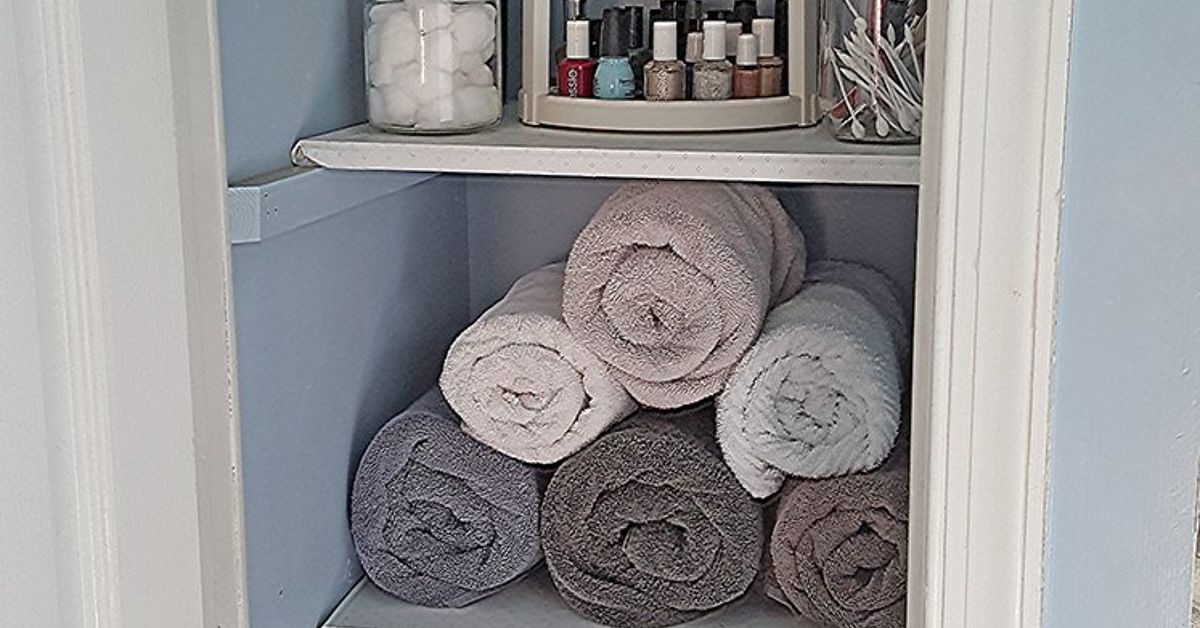
The shelf below becomes the towel zone. Bath towels are folded to the exact depth of the shelf, with hand towels beside them and washcloths stored vertically in a small open basket. Short stacks replace two giant towers. The arrangement holds slightly fewer towels, but every towel can be reached without causing a fabric landslide.
Rarely used guest bedding moves to the top in lightweight zippered storage bags. Toilet paper remains near the floor in an open-front bin so it can be grabbed quickly. Toiletries are grouped in clear containers, making duplicate purchases less likely because the household can finally see what it owns.
The makeover is not perfectly symmetrical. One bin is clear plastic, another is woven, and a third was repurposed from a bedroom. Nevertheless, the closet works. That is the most useful experience-based lesson: consistency of function matters more than consistency of color.
During the following weeks, two weak points appear. Family members repeatedly leave clean washcloths on the wrong shelf, and travel toiletries begin collecting beside the guest bin. The system is adjusted rather than blamed. The washcloth basket receives a larger label, and a small travel pouch is added inside the toiletries bin.
After these changes, maintenance takes less than five minutes on laundry day. The household no longer buys products it already owns, changing the guest bed is faster, and opening the door does not require protective equipment. The closet is not successful because it remained untouched. It is successful because ordinary people can use it, disrupt it slightly, and restore it without starting over.
Conclusion: Build a Linen Closet That Works in Real Life
An organized linen closet is not defined by identical baskets or flawless towel folds. It is defined by visibility, accessibility, sensible quantities, and a layout that matches everyday routines.
Begin by emptying the closet and keeping only useful items. Measure before purchasing storage products, place frequently used linens within easy reach, bundle complete sheet sets together, and protect rarely used bedding from dust and moisture. Use labels to remove uncertainty, but keep categories broad enough to remain flexible.
Most importantly, leave room for real life. Laundry will arrive late. Someone will fold a towel differently. A guest may return sheets to the wrong shelf. A resilient linen closet system can survive these tiny disruptions without collapsing into chaos.
When every item has an obvious home and takes only seconds to put away, linen closet organization stops being a decorative project and becomes a useful household toolwhich is much better than being attacked by a fitted sheet before breakfast.

