
Hair Care
London Design Week: A Minimalist Clothes Horse by James Smith Designs
Aug
Every home has one. It may be an armchair, a bench, a treadmill, or that mysterious corner of the bedroom where “not dirty, not clean” clothes go to negotiate their future. During London Design Week, the Uma Clothes Horse by James Smith Designs offered a more civilized answer: a sculptural, minimalist clothes stand that made the daily clothing pile look less like a domestic crime scene and more like a design decision.
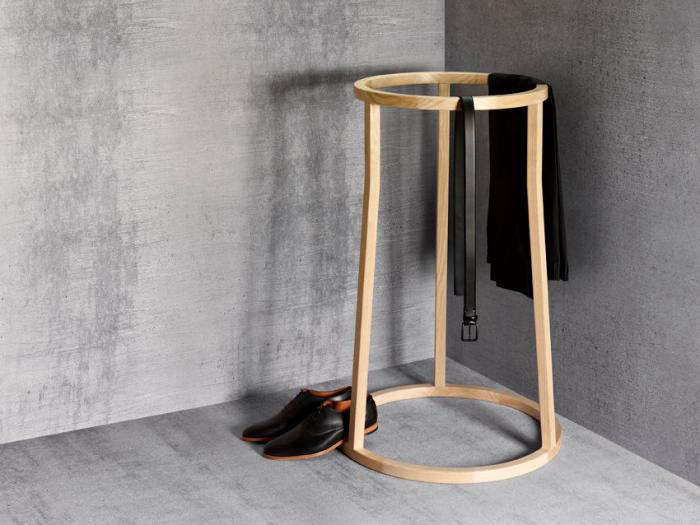
Spotted at Tent London in 2012, the Uma Clothes Horse stood out because it treated a humble household problem with uncommon elegance. It was not a bulky wardrobe, a collapsible plastic drying rack, or a valet stand dressed up like a Victorian butler. Instead, it was a simple wooden form, crafted from ash, standing about 36 inches tall with a 24-inch diameter base. Its circular upper rail allowed garments to be draped neatly, while a top bar could hold a hanger for a jacket. In other words, it did what many storage pieces forget to do: it helped real people live better without making the room feel busier.
That is the charm of a minimalist clothes horse. It does not shout, “I am storage!” It whispers, “Your jeans deserve a better life than the floor.”
What Is the Uma Clothes Horse?
The Uma Clothes Horse by James Smith Designs is best understood as a modern clothes valet, a refined piece of furniture designed for garments that are worn more than once before laundering. Think of the blazer you will wear again tomorrow, the sweater that only survived a half-day outing, or the jeans that are still in their “I’m fine, stop judging me” phase.
Traditional valet stands often include trouser bars, jacket hangers, trays for watches, and sometimes a general air of old-school seriousness. The Uma takes a lighter, more architectural approach. Its rounded frame gives clothing a natural place to rest without creating visual clutter. The top rail can accept a hanger, making it practical for a suit jacket, coat, dress shirt, or delicate garment that should not be crushed over the back of a chair.
A Beautiful Alternative to the Bedroom Chair
The original product description positioned the Uma as an elegant and practical alternative to the clothing-covered bedroom chair or floor. That is exactly where its appeal begins. Most people do not need another closet. They need an in-between zone: a place for clothes that are not ready for the hamper but should not return to the closet either.
Minimalist design works best when it solves a real-life mess with fewer parts, fewer materials, and fewer excuses. The Uma Clothes Horse does not lecture you about tidiness. It simply gives your routine a better landing place.
James Smith Designs: Craft, Detail, and Quiet Problem-Solving
James Smith Designs was established in 2010 and is known for contemporary furniture and homewares shaped by product design, cabinet-making, and a close attention to manufacturing detail. Based in Cornwall, the studio’s work has included batch-produced items, commissions, and bespoke projects. That background matters because the Uma Clothes Horse is not just a styling object. It reflects a maker’s understanding of proportion, joinery, durability, and daily use.
The best furniture often feels inevitable. You look at it and think, “Of course it should be shaped like that.” But arriving at that kind of simplicity takes discipline. A clothes stand needs to be stable but not heavy-looking, useful but not visually bossy, and expressive without becoming a sculpture that forgets its day job. The Uma balances those demands with a form that feels both modern and familiar.
Why Minimalist Clothes Storage Matters
Minimalism is often misunderstood as an empty room, a single beige chair, and a person whispering thoughtfully beside a ceramic vase. In practice, good minimalism is not about owning nothing. It is about choosing objects that earn their space.
A minimalist clothes horse earns its space because it supports the habits people already have. It does not pretend that every shirt will be immediately folded, every jacket hung, and every pair of pants returned to a perfect closet system by 9 p.m. Real homes need flexible furniture. The Uma is a graceful acknowledgment that life happens between laundry loads.
The “In-Between Clothes” Problem
One of the most common bedroom organization problems is the category nobody wants to name: in-between clothes. These are garments that are clean enough to wear again but not clean enough to place beside freshly washed items. Without a designated spot, they migrate to chairs, bedposts, door handles, treadmills, and occasionally the floor, where they form a textile-based ecosystem.
A clothes horse solves this by creating a visible, intentional zone. Instead of hiding the problem behind a closet door, it makes the routine manageable. Garments can air out, wrinkles are reduced, and the bedroom looks calmer. The object encourages order without requiring a complete personality transplant.
Less Furniture, More Function
In small apartments, studio bedrooms, guest rooms, and compact laundry areas, every piece of furniture has to work hard. A conventional dresser may be too large. A freestanding garment rack may feel too retail-store. Wall hooks may be practical, but they can create a cluttered vertical display if overloaded. A minimalist clothes stand offers a middle path: compact, portable, sculptural, and easy to use.
The Uma’s round base and vertical posture give it a small footprint while allowing garments to drape naturally. It can sit near a wardrobe, beside a bed, in a dressing corner, or even in a laundry room as a temporary station for air-drying delicate items.
The Design Details That Make It Work
The Uma Clothes Horse is simple, but not simplistic. Its design depends on small choices that affect how it looks and how it behaves in a room.
A Circular Form That Softens the Room
Many clothes stands rely on straight bars and angular frames. The Uma’s circular upper rail gives it a softer silhouette. That roundness matters in a bedroom, where furniture often includes rectangles everywhere: bed frame, nightstand, dresser, mirror, rug, window, and door. A circular clothes horse introduces contrast without visual noise.
The ring also helps distribute clothing around the form. Instead of piling garments in one direction, the user can drape items around the circumference. This makes the piece feel more balanced and less like a chair surrendering under laundry pressure.
A Hanger-Friendly Top Bar
The top rail accepts a hanger, which turns the clothes horse from a casual draping stand into a more versatile valet. A suit jacket, dress shirt, light coat, or delicate blouse can hang from the top without being creased. This detail expands the object’s usefulness beyond “place to toss sweater” and makes it more suitable for daily dressing routines.
Ash Wood and Natural Warmth
The Uma was crafted from ash, with other timbers available on request. Ash is often valued in furniture because it can offer strength, flexibility, and a light, attractive grain. Visually, ash brings warmth without heaviness. It works well in minimalist interiors because it contributes texture while remaining calm and restrained.
This matters because minimalist rooms can become cold if every surface is metal, glass, or flat white laminate. Wood adds human warmth. It reminds the eye that the object was made, touched, shaped, and finished. In the Uma, the ash construction helps the stand feel like furniture rather than equipment.
London Design Week and the Rise of Useful Minimalism
London Design Week, often discussed within the wider context of the London Design Festival, has long served as a stage for furniture, interiors, product design, craft, lighting, textiles, and experimental ideas. Launched in 2003, the festival helped position London as a global design center where emerging studios and established makers could present work to buyers, editors, designers, and design-curious visitors.
The Uma Clothes Horse fits beautifully into that context because it represents the kind of object design festivals often do best: a familiar item reconsidered. Nobody needs a design event to explain what a clothes stand is. But a good design event can make people look at one differently. It can transform an everyday utility object into a conversation about domestic rituals, material choices, and the dignity of small routines.
That is what makes this piece memorable. It does not chase novelty for novelty’s sake. It redesigns a neglected domestic object with poise.
How the Uma Compares With Other Clothes Storage Options
To understand the appeal of the Uma Clothes Horse, it helps to compare it with the usual suspects in bedroom organization.
| Storage Option | Best For | Potential Drawback |
|---|---|---|
| Bedroom chair | Quick tossing and temporary piles | Becomes clutter fast and loses its actual seating function |
| Wall hooks | Bags, robes, hats, and frequently used outerwear | Can look messy when overloaded |
| Freestanding clothing rack | Open wardrobes and larger garment collections | Can feel bulky or visually busy in a bedroom |
| Traditional valet stand | Suits, trousers, watches, and structured dressing routines | May look formal or dated in modern interiors |
| Minimalist clothes horse | In-between clothes, light airing, daily outfit planning | Requires restraint; it is not meant to hold the entire laundry universe |
The Uma’s strongest advantage is visual lightness. It does not attempt to replace a closet. It offers a disciplined place for the garments that usually cause casual chaos.
Styling a Minimalist Clothes Horse at Home
A minimalist clothes horse is easiest to style when it is treated as part of the room rather than hidden like a guilty secret. The goal is not to disguise function. The goal is to make function beautiful.
In the Bedroom
Place the stand near a wardrobe, dresser, or mirror so it becomes part of the dressing routine. Use it for tomorrow’s outfit, a robe, a cardigan, or garments that need to air out. Keep the color palette simple. A natural wood clothes horse pairs well with white bedding, linen curtains, wool rugs, and muted wall colors.
In the Entryway
In a spacious entry, a clothes horse can serve as a refined drop zone for a coat, scarf, or light jacket. Unlike a crowded coat tree, a minimalist stand looks intentional when lightly used. The key word is lightly. Once six tote bags and three winter coats appear, even the most elegant object starts sending distress signals.
In the Laundry Room
A clothes horse can also help with laundry care. Delicate garments often need to hang or air-dry away from high heat. A compact stand gives those pieces a defined place while reducing reliance on the dryer for items that do not need machine drying. Good airflow is essential, so the stand should be placed where garments can dry without trapping moisture against walls or other fabrics.
Sustainable Living, One Garment at a Time
The Uma Clothes Horse is not marketed as a grand sustainability manifesto, but it connects naturally to slower, more thoughtful household habits. Airing clothes between wears can reduce unnecessary washing. Hanging delicate garments can help preserve their shape. Choosing a durable wooden object over a flimsy temporary solution can support a more long-term relationship with home goods.
That is the quiet sustainability of good design. It does not always arrive with a slogan. Sometimes it arrives as a well-made stand that helps you stop washing a sweater after one polite dinner.
Laundry habits have a real impact on energy use, fabric wear, and household routines. While dryers are convenient, they consume energy and can be hard on certain materials when overused. A clothes horse provides a low-tech alternative for selected garments, especially knits, shirts, light layers, and pieces that benefit from airing. It is not a replacement for every laundry appliance, but it is a smart supporting character.
Why This Design Still Feels Relevant
Although the original Uma Clothes Horse listing has since been marked as discontinued, the design idea remains relevant. If anything, today’s homes may need this kind of furniture more than ever. Bedrooms double as offices. Apartments are smaller. Closets are often inadequate. People want homes that look calm but still support messy, practical life.
The best modern furniture understands that storage is not only about capacity. It is about behavior. A giant closet can still fail if it does not match how people actually use their clothes. A small, beautifully placed clothes stand can succeed because it meets the routine at the exact point where clutter begins.
What to Look for in a Similar Minimalist Clothes Stand
If you are inspired by the Uma and want a similar piece, look for stability first. A clothes stand must have a base wide or weighted enough to prevent tipping. Next, check the finish. Clothing should slide over the rail without snagging, so surfaces should feel smooth to the touch. Material matters too. Solid wood, powder-coated metal, or high-quality bentwood will usually age better than flimsy plastic.
Scale is equally important. A piece that is too tall may dominate a small room; one that is too short may not handle jackets well. The Uma’s 36-inch height made it more like a compact valet than a full garment rack, which helped preserve its sculptural quality. Finally, consider how much clothing you realistically plan to place on it. A minimalist clothes horse is not a substitute for laundry day. It is a polite intervention before the chair gives up.
Design Analysis: The Power of the Almost-Invisible Object
The Uma Clothes Horse succeeds because it occupies a rare category: useful furniture that improves a room even when it is empty. Many storage pieces only look good when styled for a photo. The minute they are used, they become clutter containers. The Uma’s form remains legible whether it holds a jacket or stands bare. That is a significant achievement.
Its circular geometry also gives it a sculptural identity without making it precious. You can understand it at a glance. There is no confusing mechanism, no hidden compartment, no theatrical flourish. It is a ring, a base, a support, and a practical invitation. The simplicity is not lazy; it is edited.
Good minimalist furniture usually has three qualities: clarity, proportion, and tactility. Clarity means the user knows what to do with it. Proportion means the object feels right in relation to the body and the room. Tactility means the material invites touch. The Uma checks all three boxes. It is easy to use, modest in scale, and warmed by wood.
Experience: Living With the Idea of a Minimalist Clothes Horse
Imagine bringing a minimalist clothes horse into a bedroom that already has the usual modern pressures: a closet that is almost big enough, a laundry basket that fills with suspicious speed, and a chair that began life as furniture but now works in textile logistics. The first change is psychological. The room suddenly has a rule, but not an annoying one. Instead of tossing clothes wherever gravity suggests, you have a designated place for garments in transition.
On the first evening, the clothes horse might hold a pair of jeans, a merino sweater, and a lightweight jacket. Nothing dramatic happens. The ceiling does not open. A choir of organized angels does not descend. But the floor stays clear. The chair remains available for sitting, which feels oddly luxurious, like discovering a room in your home you forgot you owned.
By the end of the week, the real benefit becomes clearer. A minimalist clothes horse encourages editing. Because it is not huge, it gently limits how much you can keep in limbo. That is a good thing. A massive rack can become a second closet, and a second closet can become a place where sweaters go to retire without telling anyone. A compact clothes horse asks a daily question: will you wear this again, wash it, or put it away?
There is also a sensory benefit. Clothes that would have been compressed into a pile can breathe. A jacket keeps its shape. A shirt is easier to find in the morning. A sweater is less likely to collect lint from the floor. The room feels calmer not because it is empty, but because the visible objects have a purpose.
In a small apartment, the experience is even more noticeable. A piece like the Uma does not need a built-in closet system or a full dressing room. It creates a compact ritual zone beside the bed or near a mirror. You can plan tomorrow’s outfit, air out today’s layers, or keep a robe within reach without turning the room into a backstage wardrobe department.
For anyone who works from home, the clothes horse can also separate daywear from downtime. Hang the blazer after a video call. Drape the cardigan after dinner. Keep the exercise hoodie from joining the clean laundry before its time. These little acts sound minor, but home organization is built from minor acts repeated often. The beauty of a well-designed object is that it makes the better habit easier than the messy one.
The most pleasant surprise is how decorative the object can feel. A wooden clothes horse adds height, curve, and texture. It softens a bedroom corner and makes daily clothing feel less like clutter and more like part of a lived-in interior. Used with restraint, it becomes a quiet companion to the room: practical, handsome, and refreshingly free of plastic wheels.
Of course, the experience depends on discipline. If the stand becomes overloaded, the magic fades. Minimalist furniture is not a miracle worker. It will not file taxes, fold fitted sheets, or convince socks to remain paired. But it can improve the moment where clutter usually begins. That moment is surprisingly powerful. Solve it, and the entire bedroom feels more intentional.
Conclusion: A Small Object With a Big Design Lesson
The Uma Clothes Horse by James Smith Designs remains a smart example of how minimalism can be practical, warm, and human. Its appeal lies in its restraint. It does not try to be a wardrobe, sculpture, drying rack, and lifestyle guru all at once. It simply offers an elegant home for the clothes we use between laundry cycles.
Seen through the lens of London Design Week, the piece represents the best kind of product design: specific, useful, beautiful, and quietly witty. It takes an ordinary domestic habit and gives it dignity. For small-space living, bedroom organization, minimalist interiors, and sustainable garment care, that is more than enough reason to remember it.
After all, the fight against the clothes chair may never fully end. But with a minimalist clothes horse nearby, at least the chair has a chance to become a chair again.

