
Beauty Unlocked
PCOS Diet: Foods to Eat and Avoid
Aug
Eating with polycystic ovary syndrome can feel like joining a nutrition debate where everyone brought a megaphone. One person insists carbohydrates are the villain. Another wants you to break up with dairy, gluten, fruit, coffee, and possibly happiness. Meanwhile, your social feed is trying to sell you a powdered “hormone reset” that tastes suspiciously like lawn clippings.
Fortunately, a useful PCOS diet is much less dramatic. It emphasizes satisfying, minimally processed foods that support steady energy, metabolic health, and a healthy relationship with eating. It does not require a separate refrigerator, a calculator at every meal, or a farewell ceremony for bread.
Current international guidance states that no single diet composition has proved superior for every hormonal, reproductive, metabolic, or psychological PCOS outcome. The best approach is nutritionally balanced, sustainable, flexible, and tailored to your health needs and food preferences.
How Diet May Help With PCOS
PCOS is a complex hormonal and metabolic condition that may involve irregular ovulation, elevated androgen levels, acne, unwanted hair growth, fertility difficulties, and changes in body weight. It can affect people in different ways, so two people with the same diagnosis may need very different nutrition strategies.
Insulin resistance is common in PCOS. This means the body makes insulin but does not respond to it as effectively as it should. The pancreas may compensate by producing more insulin, and higher insulin levels can interact with androgen production and other PCOS symptoms. PCOS is also associated with a greater risk of prediabetes, type 2 diabetes, abnormal cholesterol levels, and cardiovascular risk factors.
A balanced eating pattern cannot cure PCOS, but it can support healthier blood glucose levels, improve overall diet quality, protect heart health, and make meals more satisfying. Alongside physical activity, sleep, stress management, and appropriate medical treatment, healthy eating is considered a central part of long-term PCOS care.
Weight loss is not the only goal
Some people with PCOS may benefit medically from modest weight loss, particularly when higher weight is affecting blood glucose, ovulation, cholesterol, or blood pressure. Even relatively small changes can improve certain health markers for some patients. However, not everyone with PCOS has higher weight, and not everyone should make weight loss the center of treatment.
Modern PCOS guidance also emphasizes weight-inclusive care, respect for body-size diversity, and attention to weight stigma. Healthy eating can be valuable for maintaining weight, preventing unwanted weight gain, improving nutrition, or managing metabolic risk without pursuing intentional weight loss.
Best Foods to Eat on a PCOS Diet
There is no mandatory PCOS grocery list, but the following foods make it easier to build balanced meals rich in fiber, protein, healthy fats, vitamins, minerals, and flavor. In other words, this is food that works hard without demanding applause.
1. Non-starchy vegetables
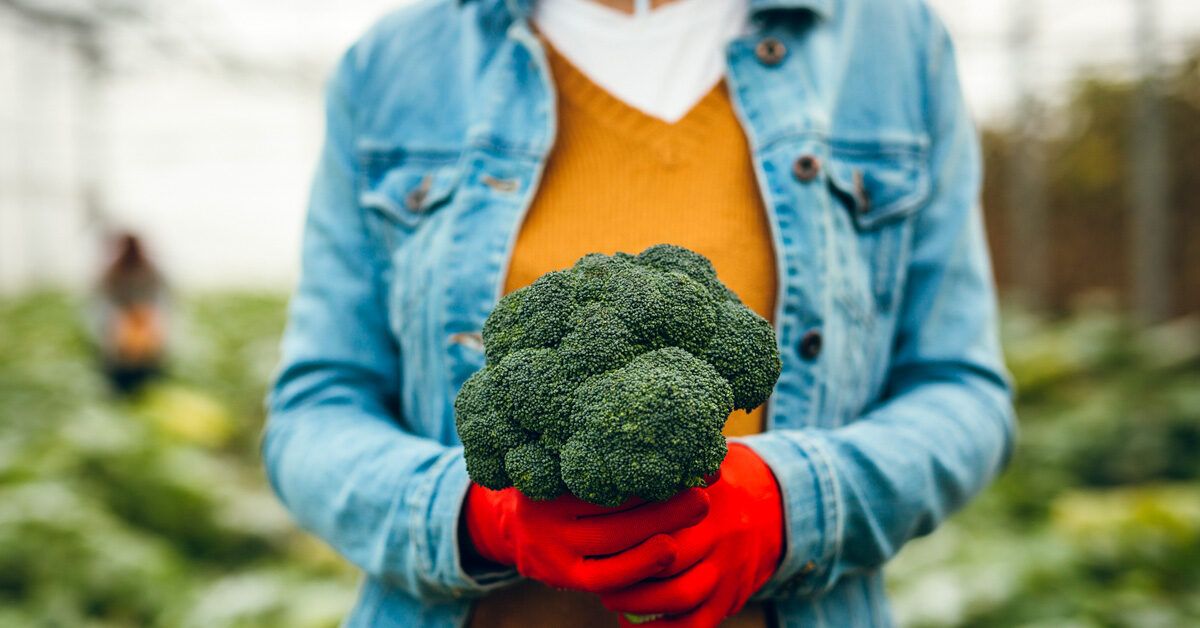
Make vegetables a frequent feature rather than a decorative parsley sprig. Leafy greens, broccoli, cauliflower, peppers, mushrooms, tomatoes, zucchini, green beans, cabbage, asparagus, cucumbers, and Brussels sprouts provide fiber and valuable micronutrients.
A simple target is to fill roughly half your plate with non-starchy vegetables at many lunches and dinners. Frozen vegetables are nutritionally useful, budget-friendly, and much less likely than fresh spinach to transform into green soup at the back of your refrigerator.
2. High-fiber carbohydrates
Carbohydrates do not need to be eliminated. Choosing higher-fiber, less-refined sources and eating reasonable portions may support fullness and steadier blood glucose responses.
- Steel-cut or rolled oats
- Quinoa, barley, bulgur, farro, or brown rice
- Whole-wheat bread and whole-grain pasta
- Beans, chickpeas, peas, and lentils
- Sweet potatoes, winter squash, and corn
- Whole fruits rather than juice
Whole grains generally have a milder effect on blood sugar and insulin than heavily refined grains. Beans and lentils are especially useful because they deliver both carbohydrate and plant protein, along with generous amounts of fiber.
3. Lean and plant-based proteins
Protein can make meals more satisfying and helps prevent the classic “I ate toast two hours ago and now I could consume the furniture” situation.
Useful options include eggs, fish, chicken, turkey, tofu, tempeh, edamame, beans, lentils, Greek yogurt, cottage cheese, and lean cuts of meat. Aim to include a protein source at breakfast, lunch, and dinner rather than saving the entire day’s supply for one enormous evening steak.
4. Healthy fats
Unsaturated fats support a heart-healthy eating pattern and help meals taste like actual meals. Choose foods such as extra-virgin olive oil, avocado, walnuts, almonds, pistachios, chia seeds, flaxseed, pumpkin seeds, natural peanut butter, salmon, sardines, and trout.
Portion awareness still matters because fats are energy-dense. A drizzle of olive oil is helpful; accidentally recreating an oil spill over your salad is less strategic.
5. Whole fruit
Fruit is not forbidden because it contains natural sugar. Whole fruit also provides fiber, water, antioxidants, vitamins, and minerals. Berries, apples, pears, oranges, peaches, kiwi, cherries, and melon can all fit into a PCOS-friendly diet.
Pairing fruit with protein or fat can make a snack more filling. Try an apple with peanut butter, berries with plain Greek yogurt, or a pear with a small handful of walnuts. Johns Hopkins specifically recommends whole fruit over sugary desserts and notes that its fiber slows the absorption of naturally occurring sugars.
6. Mediterranean-style foods
A Mediterranean-style pattern is a practical framework for PCOS because it emphasizes vegetables, fruits, whole grains, beans, nuts, olive oil, fish, and minimally processed foods. It also limits added sugars, refined carbohydrates, processed meats, and heavily processed snacks.
This pattern is not a specialized PCOS cure, but it aligns well with recommendations for metabolic and cardiovascular health. It is also flexible enough to include many cultural cuisines without forcing every dinner to involve imported olives and a seaside view.
7. Water and low-sugar drinks
Water, sparkling water, unsweetened tea, and unsweetened coffee are generally better everyday choices than soda, sweet tea, energy drinks, and oversized flavored coffees. Liquid sugar is easy to consume quickly and usually provides less fullness than solid food.
There is no need to drink a gallon before breakfast or carry a bottle the size of a household fire extinguisher. Drink regularly, increase fluids during heat and exercise, and use thirst and urine color as practical guides unless your clinician has given you specific fluid instructions.
Foods to Avoid or Limit With PCOS
“Avoid” does not have to mean “never touch again.” Unless you have an allergy, intolerance, medication interaction, or another medical reason, most foods can fit occasionally. The goal is to reduce foods that routinely crowd out fiber, protein, and essential nutrients.
Sugary beverages
Regular soda, sweetened tea, sports drinks, energy drinks, lemonade, and many café drinks can contain substantial added sugar. Replacing them with water or unsweetened beverages is often one of the simplest changes for reducing added sugar without shrinking your dinner to three lonely lettuce leaves.
Refined grains and sweets
Candy, cookies, cakes, pastries, sugary cereals, white bread, and other highly refined carbohydrates are digested quickly and may be less filling. They do not need to be banned, but eating them less frequently and in smaller portions can make room for more nutrient-dense foods.
When you want dessert, enjoy it intentionally. A satisfying brownie after dinner is often more manageable than spending five days “being perfect” and then holding an emergency meeting with an entire tray of brownies.
Highly processed snack and fast foods
Chips, packaged baked goods, instant noodles, fried fast foods, and similar products are often high in sodium, refined starches, added sugars, or saturated fat. Convenience matters, so the solution is not to cook every bean from its ancestral state. Instead, stock practical alternatives such as canned beans, frozen vegetables, rotisserie chicken, microwaveable brown rice, tuna packets, yogurt, and nuts.
Processed meats and excess saturated fat
Bacon, sausage, hot dogs, and many deli meats are best treated as occasional foods rather than primary protein sources. Butter-heavy dishes, fatty meats, and deep-fried foods may also contribute significant saturated fat. Choose fish, poultry, beans, tofu, or lean meat more often, while using olive oil, nuts, seeds, and avocado as common fat sources.
Large, carbohydrate-only meals
A giant bowl of plain pasta or a breakfast consisting only of a sweet pastry may leave you hungry again quickly. You do not have to remove the carbohydrate. Add protein, vegetables, and healthy fat instead.
For example, combine pasta with chicken or lentils, roasted vegetables, and olive oil. Pair toast with eggs and berries. Serve rice with salmon, tofu, or beans plus a large portion of vegetables. This is meal balancing, not carbohydrate prosecution.
Foods You Usually Do Not Need to Eliminate
Gluten
There is no universal recommendation for everyone with PCOS to avoid gluten. A gluten-free diet is medically necessary for people with celiac disease and may be appropriate for certain diagnosed sensitivities, but removing gluten without a reason can make eating more expensive and restrictive.
Dairy products
Dairy does not automatically worsen PCOS. Unsweetened yogurt, milk, kefir, and moderate portions of cheese can provide protein, calcium, and other nutrients. Choose versions that fit your preferences and digestive tolerance. Plant-based alternatives can also work, but check labels for added sugar and protein content.
All carbohydrates
Extreme low-carbohydrate or ketogenic diets may work for selected people under professional supervision, but they are not required for PCOS. Eliminating entire food groups can create nutritional gaps and may be difficult to maintain. Current evidence does not identify one macronutrient formula as the winner for everyone with PCOS.
How to Build a PCOS-Friendly Plate
The plate method is useful because it does not require weighing lettuce or negotiating with a food-tracking app before lunch.
- Half the plate: Non-starchy vegetables
- One-quarter: Lean or plant-based protein
- One-quarter: Whole grains, beans, fruit, or starchy vegetables
- Add: A modest portion of healthy fat
- Drink: Water or another low-sugar beverage
The American Diabetes Association uses a similar framework, emphasizing non-starchy vegetables, lean protein, quality carbohydrates, healthy fats, less added sugar, and fewer processed foods. Portions should be adjusted for appetite, activity level, medications, glucose goals, pregnancy, and individual nutritional needs.
Sample one-day PCOS meal plan
Breakfast: Rolled oats cooked with milk or fortified soy milk, topped with blueberries, chia seeds, cinnamon, and plain Greek yogurt.
Lunch: A quinoa bowl with grilled chicken or chickpeas, mixed greens, cucumbers, tomatoes, peppers, avocado, and a lemon–olive oil dressing.
Snack: An apple with natural peanut butter, or carrots with hummus.
Dinner: Baked salmon or tofu, roasted broccoli, and a moderate serving of brown rice or sweet potato.
Dessert: Berries with yogurt, a square of dark chocolate, or another dessert you genuinely enjoy in a reasonable portion.
Practical Experience: What Following a PCOS Diet Is Really Like
The following is a composite of common, realistic experiences rather than one person’s medical story.
The first week: enthusiasm meets Tuesday
Many people begin a PCOS eating plan with an impressive grocery cart and the optimism of someone who has never watched fresh herbs expire. Breakfast may suddenly include chia seeds, berries, and steel-cut oats. Lunch is colorful enough for a magazine cover. By Tuesday evening, however, cooking three elaborate meals a day feels like an unpaid internship.
The first useful lesson is that convenience is not the enemy. Frozen vegetables, canned lentils, prewashed greens, cooked chicken, plain yogurt, canned salmon, and microwaveable whole grains can turn a balanced meal into a ten-minute project. A reliable dinner may be as simple as frozen vegetables sautéed with tofu, a packet of brown rice, and bottled low-sugar sauce.
The second week: cravings become less mysterious
Cravings often feel more intense when meals are too small or contain little protein and fiber. Someone who eats only a banana for breakfast may feel ravenous by midmorning, then blame a lack of willpower when the office doughnuts begin singing.
Adding Greek yogurt, eggs, nuts, tofu, or peanut butter can make breakfast more substantial. Lunch becomes more satisfying when it contains a real protein source instead of three leaves and a feeling of moral superiority. The goal is not to suppress hunger. It is to feed the body well enough that every snack does not become a dramatic negotiation.
The third week: restaurant meals stop being a test
Dining out can initially seem complicated. In practice, a few flexible decisions work better than searching for a mythical “PCOS-approved” menu symbol.
A person might choose grilled fish tacos with beans and vegetables, order a burger with a side salad, select a chicken-and-rice bowl with extra vegetables, or enjoy pasta while adding protein and sharing a vegetable side. Dessert can be shared, skipped, or enjoyed independently. None of these decisions determines whether the entire week was successful.
Learning to return to normal eating at the next meal is often more valuable than trying to compensate by skipping breakfast. One rich restaurant dinner does not erase a healthy routine, just as one salad does not instantly transform metabolic health.
The fourth week: simple habits begin to win
After several weeks, the most sustainable changes are usually the least glamorous. Keeping protein available. Adding vegetables to dinner. Replacing most sugary drinks. Choosing whole grains more often. Packing a snack before a long afternoon. Eating dessert without turning it into a courtroom trial.
Progress may show up as steadier energy, improved digestion, fewer frantic cravings, better cooking confidence, or improved laboratory results over time. Menstrual patterns, acne, fertility, and body weight may not change immediately, and diet alone may not adequately treat them. PCOS often requires medical care, laboratory monitoring, and sometimes medication.
The biggest practical discovery is that a PCOS diet is not one perfect menu. It is a set of repeatable choices. The plan has to survive workdays, family meals, financial limits, cultural traditions, vacations, and the occasional evening when dinner is scrambled eggs because adulthood has reached its daily capacity.
Conclusion
A healthy PCOS diet emphasizes vegetables, high-fiber carbohydrates, whole fruit, lean or plant-based protein, and unsaturated fats. Sugary beverages, refined carbohydrates, processed meats, and highly processed snack foods are better limited, but rigid food rules are usually unnecessary.
The most effective plan is not necessarily the strictest one. It is the one that supports your health, fits your culture and budget, respects your appetite, and remains realistic after the motivational soundtrack stops playing.
Because PCOS needs vary widely, consider working with an OB-GYN, endocrinologist, primary care clinician, or registered dietitian nutritionist. Professional support is particularly important if you are pregnant, trying to conceive, taking glucose-lowering medication, managing diabetes, or experiencing restrictive eating, binge eating, guilt around food, or intense concern about weight. PCOS is associated with an increased risk of disordered eating, so nutrition advice should protect both physical and psychological health.

