
Skincare
The Science of Ulcerative Colitis
Aug
Ulcerative colitis can make the colon behave like a smoke alarm that starts screaming whenever someone makes toast. The immune system is designed to protect the body, but in ulcerative colitis, it launches an inflammatory response inside the large intestine and then has trouble finding the “off” switch.
The result is a chronic form of inflammatory bowel disease, or IBD, that can cause bloody diarrhea, abdominal cramps, fatigue, bowel urgency, and periods of unpredictable flare-ups. Yet ulcerative colitis is not simply an irritated stomach, a food allergy, or something caused by worrying too much. It is a complex biological condition involving immune regulation, genetics, the intestinal barrier, gut microbes, and environmental influences.
Understanding the science of ulcerative colitis helps explain why symptoms can appear far beyond the bathroom, why one treatment may work brilliantly for one person and flop for another, and why modern care focuses on healing the colon rather than merely silencing symptoms.
What Is Ulcerative Colitis?
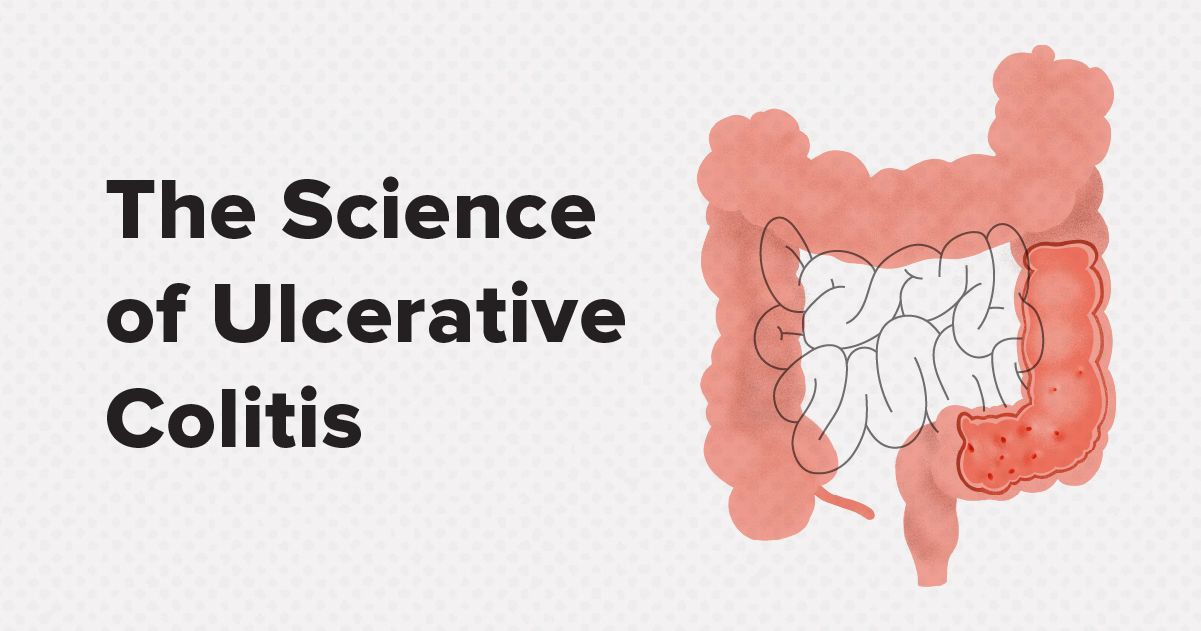
Ulcerative colitis is a lifelong inflammatory disease affecting the inner lining of the colon and rectum. In most cases, inflammation begins in the rectum and extends upward through the colon in a continuous pattern. That continuous involvement helps distinguish it from Crohn’s disease, which may affect separated areas anywhere from the mouth to the anus and can penetrate deeper layers of the intestinal wall.
The word ulcerative refers to the small open sores that may form when inflammation damages the colon’s surface. The word colitis simply means inflammation of the colon. Despite the name, ulcerative colitis is unrelated to ordinary stomach ulcers caused by Helicobacter pylori infection or certain pain relievers.
Types Based on the Area Affected
Doctors often classify ulcerative colitis according to how far the inflammation extends:
- Ulcerative proctitis: Inflammation is limited to the rectum.
- Proctosigmoiditis: The rectum and sigmoid colon are involved.
- Left-sided colitis: Inflammation extends through the left side of the colon.
- Extensive colitis or pancolitis: Most or all of the colon is inflamed.
Disease extent matters because it can influence symptoms, medication delivery, long-term monitoring, and the risk of complications. A rectal suppository, for example, may be wonderfully targeted for proctitis but is not going to negotiate its way around the entire colon like a gastrointestinal delivery driver.
The Immune System: A Defense Team With Bad Instructions
The immune system normally distinguishes dangerous organisms from harmless substances. The colon presents an especially difficult security challenge because it contains trillions of bacteria, viruses, fungi, and other microorganisms. Most of these residents are harmless or beneficial, even if they do not pay rent.
In ulcerative colitis, the immune system appears to respond abnormally to intestinal microbes or signals from the intestinal lining. Immune cells release inflammatory messengers known as cytokines. These signals recruit more immune cells, amplify inflammation, and damage the epithelial barrier separating colon tissue from the contents of the bowel.
Once the barrier weakens, microbial products can come into closer contact with immune cells. That may trigger additional inflammation, producing a biological feedback loop: barrier damage encourages immune activity, and immune activity causes more barrier damage. Researchers have identified changes in genes involved in barrier function, immune regulation, and T-cell activity, although no single “ulcerative colitis gene” explains the disease.
What Happens Under the Microscope?
A colon biopsy can reveal details that are invisible during an ordinary examination. In active ulcerative colitis, neutrophilsrapid-response white blood cellsmay enter the intestinal glands, called crypts. When neutrophils collect inside a crypt, pathologists call the finding a crypt abscess. Chronic inflammation can also distort, shorten, or branch the crypts and reduce mucus-producing goblet cells.
These microscopic findings help doctors distinguish chronic IBD from a temporary intestinal infection. They also demonstrate an important point: symptoms may improve before all microscopic inflammation has disappeared. The colon can look calm from the outside while a few immune cells are still throwing chairs in the back room.
Why Does Ulcerative Colitis Develop?
Scientists generally describe ulcerative colitis as a multifactorial disease. It develops through an interaction of susceptibility and exposure rather than one identifiable cause.
Genetics
Having a close relative with IBD increases a person’s risk, but ulcerative colitis is not inherited through a simple pattern. Many genetic variations appear to contribute small amounts of risk. A person may carry several susceptibility variants and never develop IBD, while someone without a known family history may still be diagnosed.
The Gut Microbiome
The microbiome helps digest food, produce certain compounds, train immune cells, and protect the intestinal barrier. People with IBD often show differences in microbial diversity and composition, a condition broadly called dysbiosis. However, researchers are still investigating whether these changes initiate inflammation, result from inflammation, or do a bit of both.
This uncertainty is why microbiome treatments remain an active area of research rather than a reason to purchase every probiotic whose label contains a leaf, a sunrise, and the word “balance.”
Environmental Influences
Dietary patterns, medications, infections, antibiotic exposure, air pollution, smoking history, geography, and early-life microbial exposures are among the environmental factors being studied. None serves as a universal explanation. Food may influence symptoms and the microbiome, but current evidence does not support blaming one meal, one stressful week, or one regrettable plate of hot wings for causing ulcerative colitis.
How Colon Inflammation Creates Symptoms
The colon normally absorbs water and electrolytes while moving waste toward the rectum. Inflamed tissue cannot perform that job efficiently. Fluid remains in the stool, intestinal movement becomes irregular, and the damaged lining may release blood, mucus, or pus.
Inflammation in the rectum also creates urgency and tenesmusthe persistent feeling that a bowel movement is necessary even when little or nothing remains to pass. It is essentially the digestive system sending an emergency notification with no useful details.
Common ulcerative colitis symptoms include:
- Frequent or persistent diarrhea
- Blood or mucus in the stool
- Abdominal cramping and pain
- Sudden bowel urgency
- Tenesmus
- Nighttime bowel movements
- Fatigue and weakness
- Loss of appetite or unintended weight loss
- Fever during significant inflammation
Chronic blood loss can cause iron-deficiency anemia. Severe diarrhea may lead to dehydration and electrolyte disturbances. Symptoms often alternate between flares and remission, although the timing and intensity differ enormously among individuals.
Ulcerative Colitis Is Not Only a Colon Disease
IBD-associated inflammation can affect the joints, skin, eyes, bones, liver, and other organs. These problems are called extraintestinal manifestations. The Crohn’s & Colitis Foundation reports that approximately 25% to 40% of people with IBD experience them.
Possible manifestations include peripheral arthritis, inflammatory back pain, tender skin nodules called erythema nodosum, eye inflammation, mouth sores, reduced bone density, anemia, and liver or bile-duct disorders. Some improve when intestinal inflammation is controlled, while others may follow their own course.
How Ulcerative Colitis Is Diagnosed
No single symptom or blood test proves that a person has ulcerative colitis. Diagnosis combines medical history, physical examination, laboratory testing, stool analysis, endoscopy, and tissue biopsies.
Blood and Stool Tests
Blood tests can detect anemia, inflammation, infection, or nutritional problems. Stool testing helps rule out bacterial, parasitic, and toxin-related infections that can imitate an IBD flare. Fecal calprotectin, a protein released by inflammatory cells, can provide a noninvasive estimate of intestinal inflammation. It is useful for monitoring, although it does not identify the cause by itself.
Colonoscopy and Biopsy
Colonoscopy allows a gastroenterologist to inspect the colon lining and collect small tissue samples. Active ulcerative colitis may produce redness, loss of the normal vascular pattern, easy bleeding, erosions, or ulcers. Biopsies help confirm chronic inflammatory changes and exclude other forms of colitis.
CT scans, MRI, abdominal X-rays, or intestinal ultrasound may be used when doctors need to evaluate disease extent, rule out Crohn’s disease, or investigate complications.
The Modern Goal: Control Symptoms and Heal the Colon
Older treatment strategies sometimes focused mainly on whether diarrhea and bleeding improved. Modern care increasingly follows a treat-to-target approach. Doctors consider symptoms, blood tests, fecal calprotectin, endoscopic appearance, and sometimes microscopic healing.
This matters because a patient may feel better while inflammation continues quietly. Persistent inflammation can increase the likelihood of future flares, hospitalization, steroid exposure, colon damage, and colorectal cancer. Treatment decisions therefore aim for durable, steroid-free remission and objective control of disease activitynot merely fewer emergency bathroom sprints.
How Ulcerative Colitis Treatments Work
Treatment depends on the affected area, current severity, previous medication response, other health conditions, pregnancy plans, infection risks, patient preferences, insurance access, and long-term prognosis.
Aminosalicylates
Mesalamine and related 5-aminosalicylic acid medications act directly on the intestinal lining to reduce inflammation. They are widely used for mild to moderate ulcerative colitis. Oral tablets treat larger areas, while suppositories, foams, and enemas deliver medication to the rectum and lower colon. Combining oral and rectal treatment may be particularly effective for left-sided disease.
Corticosteroids
Prednisone, budesonide, and other corticosteroids suppress inflammation quickly and can help induce remission during a flare. They are not preferred for long-term maintenance because extended exposure can cause bone loss, infection risk, mood changes, high blood sugar, cataracts, weight gain, and other complications. In other words, steroids are valuable firefighters but terrible permanent roommates.
Immunomodulators, Biologics, and Targeted Medicines
Moderate to severe disease may require therapies that interrupt specific immune pathways. Options include traditional immunomodulators, anti-TNF biologics, gut-selective anti-integrin therapy, medications targeting interleukin pathways, oral Janus kinase inhibitors, and sphingosine-1-phosphate receptor modulators.
The growing menu of treatments is encouraging, but it also makes selection more complicated. Effectiveness, speed, dosing method, pregnancy considerations, infection risk, cardiovascular history, cancer history, and patient preference all matter. The American Gastroenterological Association now maintains living guidance designed to incorporate new evidence as treatment options evolve.
Surgery
Surgery may be considered when medications do not control inflammation or when severe bleeding, toxic megacolon, perforation, precancerous changes, cancer, or unacceptable quality-of-life problems develop.
Removing the colon and rectum eliminates colonic ulcerative colitis. Surgical options may include a permanent ileostomy or creation of an internal ileal pouch connected to the anus. Surgery is a major decision rather than a medical defeat. For some people, it replaces uncontrolled disease with predictability, better nutrition, and the ability to leave home without conducting a full architectural survey of nearby restrooms.
Diet, Stress, and Everyday Management
No single diet has been proven to cure ulcerative colitis. During a flare, some people tolerate smaller meals and temporarily reduce foods that worsen diarrhea, bloating, or pain. Others may need help correcting deficiencies in iron, vitamin D, calcium, vitamin B12, or other nutrients.
Food tolerance is individual. Dairy may be difficult for someone with lactose intolerance, while high-fiber foods may aggravate symptoms during active inflammation. Unnecessarily eliminating entire food groups can create nutritional problems, so major restrictions are best planned with a gastroenterologist or registered dietitian.
Stress does not mean the disease is imaginary, and it is not considered the sole cause of ulcerative colitis. However, poor sleep, anxiety, travel, missed medication, and emotional strain can intensify symptoms or make a flare harder to manage. Helpful routines may include regular medication use, adequate hydration, gentle physical activity, sleep support, symptom tracking, and access to mental-health care.
Long-Term Risks and Monitoring
Most people with ulcerative colitis do not develop every possible complication. Nevertheless, uncontrolled or extensive inflammation can lead to severe bleeding, dehydration, blood clots, toxic megacolon, perforation, and hospitalization.
Long-standing colonic inflammation also raises colorectal cancer risk. The risk becomes more clinically significant after roughly eight years of disease involving a substantial portion of the colon. Surveillance colonoscopy schedules are individualized according to disease duration, extent, inflammation history, family history, previous precancerous changes, and conditions such as primary sclerosing cholangitis.
Heavy bleeding, severe or rapidly increasing abdominal pain, a swollen abdomen, high fever, fainting, persistent vomiting, rapid heartbeat, or signs of serious dehydration require urgent medical evaluation. Toxic megacolon is uncommon, but it is a medical emergencynot a situation for herbal tea and positive thinking.
Where Ulcerative Colitis Science Is Headed
The future of ulcerative colitis care is moving toward precision medicine: choosing the right treatment for the right patient earlier in the disease course. Researchers are studying genetic signatures, microbial patterns, blood proteins, stool biomarkers, tissue characteristics, drug levels, and immune-cell activity.
Better prediction could help doctors identify which patients need early advanced therapy, who is likely to respond to a particular biological pathway, and who may safely use a less intensive approach. Artificial intelligence is also being studied for standardized interpretation of endoscopy and pathology images.
Microbiome-based therapies remain scientifically interesting, but the ecosystem is extraordinarily complex. The goal is not simply to identify “good” and “bad” bacteria. Researchers need to understand what microbes are doing, which chemicals they produce, how they interact with diet, and how the immune system responds.
Experiences Related to Living With Ulcerative Colitis
The following observations reflect common themes reported by people living with ulcerative colitis. They are composite experiences rather than the story of one specific patient, because UC has never shown much interest in following a standardized script.
Planning Around Bathroom Access
During an active flare, an ordinary trip can become a logistics exercise. A person may know the restroom locations in every grocery store, gas station, and coffee shop along a familiar route. Sitting near an exit may feel safer than sitting in the middle of a theater. Invitations can trigger calculations about travel time, food, medication, and whether the host’s bathroom has a lock that actually works.
This planning may look excessive to someone who has never experienced bowel urgency. For the person with UC, it is often a practical response to a symptom that allows little time for negotiation. Successful treatment can restore spontaneity, but rebuilding confidence may take longer than healing the intestinal lining.
Fatigue That Does Not Match the Schedule
Fatigue is another commonly misunderstood experience. Someone may sleep for eight hours and still feel as if the battery icon is stuck at 12%. Inflammation consumes energy, blood loss may cause anemia, diarrhea disrupts sleep, and eating less during a flare reduces fuel intake.
Because fatigue is invisible, people may hear suggestions such as “just exercise more” or “try going to bed earlier.” Healthy routines can help, but they do not replace testing for inflammation, anemia, nutritional deficiencies, or medication effects.
The Trial-and-Adjustment Period
Finding an effective treatment may require patience. One patient may respond rapidly to mesalamine, while another needs biologic or targeted oral therapy. A medication may control symptoms but not fully heal the colon. Another may work for several years before losing effectiveness.
Regular appointments, laboratory tests, insurance approvals, injections, infusions, and discussions about side effects can become part of life. This does not necessarily mean treatment is failing. Ulcerative colitis changes over time, and adjusting therapy is often part of responsible disease management.
Food Becomes Personal Data
Many people experiment with food during flares. A meal that is comfortable for one person may cause urgency or bloating in another. Some keep a diary to identify patterns involving portion size, fat, caffeine, alcohol, dairy, spicy foods, or high-fiber ingredients.
The useful goal is not to build the world’s saddest menu. It is to maintain adequate nutrition while recognizing genuine triggers. Once inflammation improves, foods that seemed impossible during a flare may become tolerable again.
Remission Can Feel Surprisingly Ordinary
One of the most important experiences is also the least dramatic: remission. A person may work, travel, exercise, attend school, raise children, eat at restaurants, and go hours without thinking about the nearest bathroom.
Remission does not always mean abandoning treatment. Maintenance medication and monitoring help preserve the stability that makes ordinary life possible. Taking medicine while feeling well can seem unnecessary, but the absence of symptoms may be evidence that the treatment is doing exactly what it was hired to do.
Conclusion
The science of ulcerative colitis reveals a disease created by interactions among immune activity, intestinal barrier function, genetic susceptibility, microbes, and environmental influences. Its effects can extend from microscopic changes in colon tissue to fatigue, joint pain, disrupted plans, and major quality-of-life challenges.
There is currently no universal medication that cures ulcerative colitis, but modern treatments can suppress inflammation, heal intestinal tissue, maintain remission, and reduce complications. Surgery can eliminate the colonic disease when medication is insufficient or complications arise. Continued advances in biomarkers, immune-targeted therapy, microbiome science, and personalized medicine offer realistic reasons for optimism.
Medical note: This article provides general educational information and is not a diagnosis or individualized treatment plan. Bloody stool, persistent diarrhea, severe abdominal pain, fever, dehydration, or worsening symptoms should be evaluated by a qualified healthcare professional.

