
Beauty Tools & Accessories
Clementine: Nutrition, Benefits, and How to Eat Them
Aug
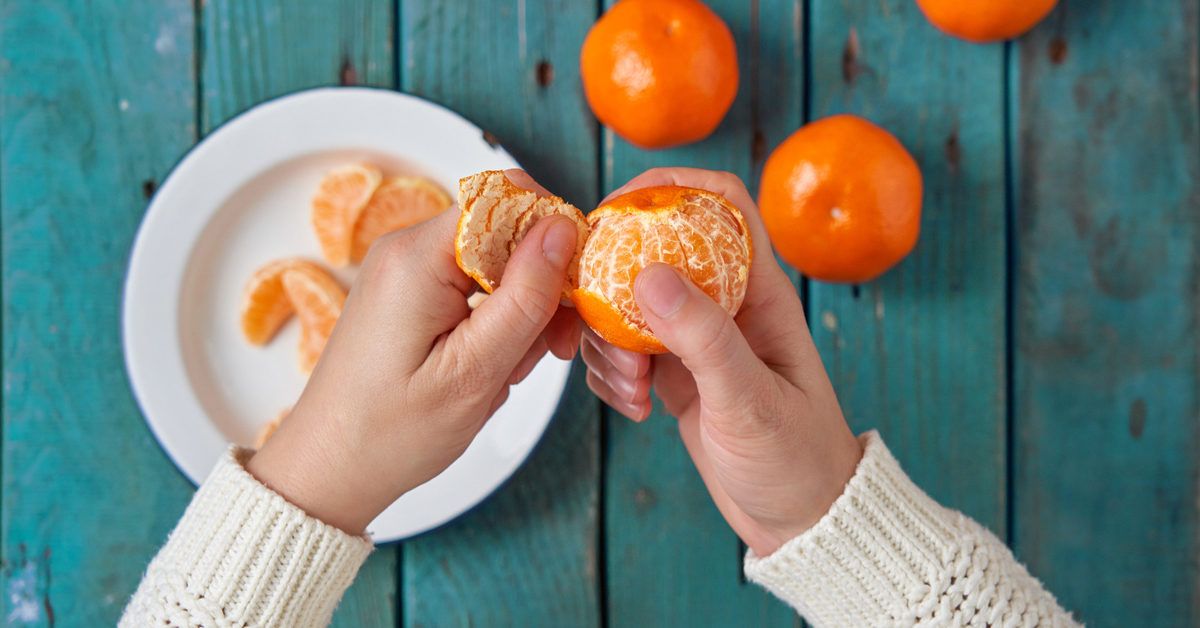
Small, cheerful, and almost suspiciously easy to peel, the clementine is the snack that feels like it was designed by someone who understood busy mornings, school lunches, office desks, and the universal human dislike of sticky fingers. A clementine is a type of mandarin orange known for its sweet flavor, thin peel, juicy segments, and usually seedless bite. It looks cute in a fruit bowl, travels better than a banana in a backpack, and delivers real nutrition without demanding a cutting board, blender, or heroic kitchen effort.
But clementines are more than adorable mini citrus fruits. They are low in calories, high in vitamin C, naturally hydrating, and a smart way to add more fruit to your day. One raw clementine, weighing about 74 grams, contains around 35 calories, 8.9 grams of carbohydrates, 1.3 grams of fiber, 6.8 grams of natural sugars, 0.6 grams of protein, 36.1 milligrams of vitamin C, and 131 milligrams of potassium. In normal-person language: it is a tiny orange snack with a surprisingly useful résumé.
This guide breaks down clementine nutrition, health benefits, possible downsides, and easy ways to eat them. No boring lecture. No fruit-shaming. Just a practical, science-based look at why this pocket-sized citrus deserves a regular spot in your grocery cart.
What Is a Clementine?
A clementine is a small citrus fruit in the mandarin family. Compared with many oranges, clementines are easier to peel, smaller in size, sweeter in flavor, and less messy to eat. They are often sold in bags or small crates during cooler months, which explains why they show up in lunchboxes, holiday fruit bowls, and “I need a snack but refuse to cook” moments.
People often confuse clementines, mandarins, tangerines, and other small oranges. The easiest way to think about it is this: mandarin is the larger family, and clementine is one popular member of that family. Tangerines and satsumas are relatives, not identical twins. Clementines are usually prized because they peel easily and often have few seeds or no seeds at all. That makes them especially friendly for kids, picky snackers, and adults who want fruit without performing a citrus surgery.
Clementine Nutrition Facts
Clementines are not a “superfood” in the magical sense, because no single food can do everything except maybe make your grocery receipt longer. However, they are nutrient-dense for their size. They provide vitamin C, water, fiber, potassium, small amounts of calcium and magnesium, and natural plant compounds found in citrus fruits.
Nutrition in One Medium Clementine
| Nutrient | Approximate Amount | Why It Matters |
|---|---|---|
| Calories | 35 | Light, snack-friendly energy |
| Carbohydrates | 8.9 g | Main source of quick natural energy |
| Fiber | 1.3 g | Supports digestion and fullness |
| Natural sugars | 6.8 g | Provides sweetness without added sugar |
| Protein | 0.6 g | Small amount; pair with protein foods for balance |
| Vitamin C | 36.1 mg | Supports immune function, collagen production, and antioxidant protection |
| Potassium | 131 mg | Helps support normal fluid balance and heart function |
The star nutrient in clementines is vitamin C. This water-soluble vitamin helps the body make collagen, supports wound healing, plays a role in immune function, and helps the body absorb nonheme iron from plant-based foods. Since the body does not store large amounts of vitamin C for long, eating vitamin C-rich foods regularly is more useful than treating citrus like an emergency button only pressed during cold season.
Top Health Benefits of Clementines
1. Clementines Support Immune Health
Clementines are best known for vitamin C, and for good reason. Vitamin C supports several parts of the immune system and acts as an antioxidant, helping protect cells from damage caused by free radicals. That does not mean eating two clementines gives you a force field against every sniffle in the room. If only fruit worked like a tiny superhero cape. But including vitamin C-rich foods in a balanced diet can help your body function well.
For a practical example, eating clementines with breakfast or as an afternoon snack can help you meet daily vitamin C needs without relying on supplements. A couple of clementines with yogurt, oatmeal, or a handful of nuts is a simple, realistic snack that tastes better than chewing a vitamin tablet and pretending it is candy.
2. They Help Increase Fruit Intake
Many Americans do not meet recommended fruit and vegetable intake levels. General guidance for adults often falls around 1.5 to 2 cup-equivalents of fruit per day, depending on age, sex, and activity level. Clementines help because they are easy. They do not require washing a blender, peeling a pineapple, or convincing yourself that a sad desk apple is exciting.
Two small clementines can count as roughly one cup of fruit, depending on size. That makes them a simple stepping stone toward eating more produce. For kids, they are especially useful because the peel comes off easily and the segments feel naturally snackable. For adults, they are useful because they fit into a coat pocket without causing emotional damage to the pocket.
3. Clementines Provide Antioxidants
Citrus fruits contain vitamin C and plant compounds such as flavonoids and carotenoids. These compounds are associated with antioxidant and anti-inflammatory activity. In everyday terms, antioxidants help defend the body from oxidative stress, which is linked with normal aging and several chronic disease processes.
This does not mean clementines are medicine. They are fruit. Delicious fruit, yes, but still fruit. Their real value comes from being part of a pattern: colorful produce, whole grains, beans, nuts, lean proteins, healthy fats, enough sleep, and movement. A clementine cannot undo a week of drive-through dinners, but it can be one bright, juicy vote for better habits.
4. They Support Skin Health
Vitamin C is needed for collagen production. Collagen is a structural protein that helps support skin, connective tissue, and wound healing. Because clementines provide a meaningful amount of vitamin C, they can contribute to a diet that supports normal skin health.
Will eating clementines make your skin glow like a beauty filter named “citrus angel”? Probably not. Skin health depends on many factors, including genetics, hydration, sleep, sun protection, and overall nutrition. But choosing vitamin C-rich fruits is a sensible move, especially compared with chasing expensive miracle products that promise to make your face look like it has never experienced homework, deadlines, or weather.
5. Clementines Add Fiber to Your Diet
One clementine contains about 1.3 grams of fiber. That may not sound dramatic, but it adds up. Fiber supports regular digestion, helps with fullness, and is linked with heart and metabolic health when eaten as part of an overall high-fiber diet.
The key is to eat the whole fruit rather than only drinking citrus juice. Whole clementines contain the juicy segments plus some membrane and pulp, where fiber lives. Juice loses much of that fiber and makes it easier to consume more sugar quickly. In other words, eating clementines gives your digestive system something to work with; drinking a giant glass of juice is more like sending sugar through a waterslide.
6. They Are Hydrating
Clementines are mostly water by weight, which makes them refreshing and hydrating. They are not a replacement for drinking water, but they can contribute fluid along with nutrients. This is one reason citrus fruit feels so good after exercise, during warm weather, or when you want something juicy but not heavy.
For an easy hydration-friendly snack, try clementine segments with plain Greek yogurt, cottage cheese, or a small handful of almonds. You get water, carbohydrates, some fiber, and a little protein or fat from the pairing. It is simple, balanced, and unlikely to require a cooking tutorial.
7. Clementines May Support Heart-Healthy Eating
Citrus fruits contain nutrients often associated with heart-friendly eating patterns, including fiber, potassium, vitamin C, and flavonoids. Potassium helps the body maintain normal fluid balance, and fiber-rich diets are linked with healthier cholesterol and blood pressure patterns.
Again, context matters. Clementines are helpful as part of an overall diet that includes vegetables, legumes, whole grains, nuts, seeds, fish or other healthy proteins, and limited added sugars and heavily processed foods. A clementine on top of a balanced meal is a win. A clementine eaten while ignoring every vegetable in the kitchen is still a clementine, but it is not a nutrition strategy.
Are Clementines Good for Weight Management?
Clementines can fit well into a weight-conscious eating plan because they are low in calories, sweet, portable, and naturally portioned. One fruit has about 35 calories, while two or three can satisfy a sweet craving with more fiber and water than many packaged snacks.
They are especially useful when you want something sweet after lunch or dinner. Instead of reaching for candy every time your brain whispers, “We deserve a treat,” a clementine can deliver bright flavor with natural sugar and nutrients. Of course, there is nothing wrong with dessert sometimes. The point is that clementines make the everyday choice easier.
Clementines and Blood Sugar: What to Know
Clementines contain natural sugar, mostly in the form of carbohydrates. However, they also contain water and fiber, which makes them different from candy, soda, or fruit-flavored snacks. For most people, whole clementines can be part of a balanced diet.
People with diabetes or blood sugar concerns may want to pair clementines with protein or healthy fat to slow digestion and improve satisfaction. Good pairings include clementines with nuts, peanut butter on whole-grain toast, cheese, eggs, cottage cheese, or unsweetened yogurt. Portion size still matters, but whole fruit is generally a smarter choice than juice because of the fiber.
Possible Downsides of Clementines
Acidity and Tooth Enamel
Clementines are acidic, like other citrus fruits. Eating them in normal amounts is not usually a problem, but frequent citrus snacking all day may expose teeth to repeated acid. A simple habit helps: drink water after eating citrus and avoid brushing immediately after acidic foods, because enamel may be temporarily softened. Give your mouth a little time to recover before scrubbing like you are polishing a car.
Acid Reflux Sensitivity
Some people with acid reflux or sensitive stomachs find citrus irritating. If clementines bother you, try eating them with a meal instead of on an empty stomach, reduce the portion, or choose less acidic fruits more often. If reflux symptoms are frequent or severe, it is best to talk with a qualified healthcare professional.
Citrus Allergy
Citrus allergy is not common, but it can happen. Symptoms may include itching, swelling, hives, stomach discomfort, or other reactions. Anyone who suspects an allergy should avoid the trigger and seek medical advice.
How to Choose the Best Clementines
Good clementines should feel heavy for their size, which usually means they are juicy. The peel should be bright orange, glossy, and mostly firm, without soft, moldy, or deeply sunken spots. A little variation in color is normal, but dull, dry, lightweight fruit may taste disappointing. That is the fruit equivalent of a phone battery at 3%.
When buying a bag or crate, check the fruit near the bottom too. One moldy clementine can spread trouble to its neighbors, and nobody wants a citrus soap opera in the pantry. If you find a bad one at home, remove it quickly and inspect the others.
How to Store Clementines
Clementines can be stored at room temperature for a few days if you plan to eat them quickly. For longer storage, keep them in the refrigerator crisper drawer or in a breathable produce bag. Avoid sealing them in airtight plastic for too long, because trapped moisture can encourage mold.
A practical method is to keep a small bowl on the counter for quick snacking and store the rest in the fridge. This way, the fruit you see gets eaten, and the backup supply stays fresher. It is the same strategy as hiding cookies, except this time the visible snack is working in your favor.
How to Eat Clementines
Eat Them Fresh
The simplest way to eat a clementine is to peel it and enjoy the segments fresh. This preserves the vitamin C, fiber, aroma, and texture. Fresh clementines are ideal for breakfast, lunchboxes, after-school snacks, road trips, or late-night “I want something sweet but not dramatic” moments.
Add Them to Salads
Clementine segments bring brightness to salads. Try them with spinach, arugula, avocado, toasted almonds, goat cheese, grilled chicken, or quinoa. Their sweetness balances bitter greens and salty toppings. For dressing, mix olive oil, a splash of clementine juice, vinegar, Dijon mustard, black pepper, and a pinch of salt.
Use Clementines in Breakfast
Add clementine segments to oatmeal, chia pudding, yogurt bowls, smoothies, or cottage cheese. They pair well with cinnamon, vanilla, ginger, honey, walnuts, pistachios, and dark chocolate. A bowl of Greek yogurt with clementines, granola, and pumpkin seeds tastes like breakfast made by someone who has their life together, even if your laundry says otherwise.
Make a Fresh Salsa
Chopped clementines can be mixed with red onion, cilantro, jalapeño, lime juice, and diced avocado for a fresh salsa. Serve it with fish tacos, grilled chicken, shrimp bowls, or black beans and rice. The fruit adds sweetness and acidity without needing much added sugar or heavy sauce.
Pair Them With Protein
Clementines are mostly carbohydrates, so pairing them with protein or fat can make a snack more filling. Try two clementines with a boiled egg, cheese stick, handful of almonds, tuna salad crackers, hummus toast, or unsweetened yogurt. This is especially useful before practice, after a workout, or during a long workday when vending machine snacks start making eye contact.
Use the Zest
If the peel is clean and the fruit has not been waxed heavily, clementine zest can add fragrance to muffins, salad dressings, marinades, roasted carrots, rice dishes, and desserts. Wash the fruit well first. Use only the colorful outer layer, not the bitter white pith underneath.
Easy Clementine Recipe Ideas
Clementine Yogurt Bowl
Combine plain Greek yogurt, clementine segments, oats or granola, chopped walnuts, and a drizzle of honey. This bowl gives you protein, fiber, vitamin C, and crunch. It works for breakfast, snack time, or the moment you open the fridge and stare into it like it owes you answers.
Clementine Spinach Salad
Toss baby spinach with clementine segments, sliced cucumber, feta, toasted almonds, and grilled chicken. Dress with olive oil, apple cider vinegar, Dijon mustard, and black pepper. The result is fresh, colorful, and far more exciting than a lonely lettuce pile.
Clementine Dark Chocolate Bites
Dip half of each clementine segment in melted dark chocolate, place on parchment paper, sprinkle lightly with crushed pistachios, and chill until set. This makes a simple dessert with fruit flavor, antioxidants, and just enough chocolate to keep everyone civilized.
Clementines vs. Oranges: Which Is Better?
Clementines and oranges are both nutritious citrus fruits. Oranges are larger and often provide more vitamin C per fruit, while clementines are smaller, easier to peel, and more convenient for snacking. The better choice depends on your needs. If you want a bigger fruit with more volume, choose an orange. If you want a portable snack that practically undresses itself, choose a clementine.
There is no need to turn fruit into a competition. The best citrus is the one you will actually eat. A perfect orange ignored in the fridge is less useful than a clementine eaten happily after lunch.
Real-Life Experience: Why Clementines Are the Snack That Actually Gets Eaten
In real life, nutrition advice only matters if it survives contact with busy schedules, picky appetites, and the mysterious black hole at the bottom of a school bag. That is where clementines shine. They are one of the few healthy snacks that do not feel like homework. You do not need a knife, plate, microwave, recipe, or motivational podcast. You just peel, separate, eat, and move on with your day.
One of the best experiences with clementines is how easy they make healthy snacking for families. Put a bowl of clementines on the kitchen counter, and suddenly fruit becomes visible. That matters. People tend to eat what they see. A bag of chips hidden behind a cabinet door still has power, of course, because chips have excellent public relations. But bright orange clementines sitting in a bowl are friendly, colorful, and low-pressure. Kids can peel them. Teens can grab them before leaving the house. Adults can eat them between meetings without needing to explain why their keyboard smells like garlic hummus.
Clementines also work beautifully in lunchboxes. Apples sometimes come home bruised. Bananas sometimes become abstract art. Berries can leak. Clementines, meanwhile, usually hold up well. They are naturally portioned, and peeling them creates a tiny pause in the day. That pause can be oddly satisfying. It is like opening a snack with built-in packaging, except the packaging smells like sunshine instead of plastic.
For anyone trying to improve eating habits, clementines can be a “bridge food.” They are sweet enough to replace candy sometimes, but nutritious enough to count as real fruit. After dinner, two chilled clementines can calm the craving for something sugary. During study sessions, they offer a refreshing break from salty snacks. After sports practice, they provide fluid, natural carbohydrates, and potassium in a light package. They will not replace a full meal, but they can rescue you from the dramatic hunger that leads to eating crackers directly over the sink.
Another underrated experience is cooking with clementines. Their juice adds brightness to dressings and marinades. Their segments make salads look restaurant-level with almost no effort. Their zest can wake up muffins, pancakes, roasted vegetables, and grain bowls. Even leftovers become more interesting with a little citrus. Chicken, rice, greens, avocado, and clementine segments can become a quick bowl that tastes intentional rather than “I found these things and hoped for the best.”
The most important lesson from eating clementines regularly is simple: healthy food does not have to be complicated. Sometimes the best choice is not the trendiest powder, the most expensive juice, or the snack with a label that sounds like a science project. Sometimes it is a small orange fruit that peels easily, tastes sweet, and fits in your hand. Clementines make good nutrition feel normal, cheerful, and repeatable. That is not flashy, but it is powerful. In the long run, the habits you can repeat are the ones that matter most.
Conclusion
Clementines are small, sweet citrus fruits with big everyday value. They provide vitamin C, fiber, water, potassium, and citrus plant compounds in a low-calorie, easy-to-eat package. Their benefits include supporting immune function, helping increase fruit intake, contributing antioxidants, supporting digestion, and fitting well into heart-conscious and weight-conscious eating patterns.
The best way to enjoy clementines is as whole fruit. Eat them fresh, add them to salads, pair them with protein, mix them into yogurt bowls, use their zest, or turn them into a bright salsa. Watch portions if you are managing blood sugar, be mindful of acidity if you have reflux or tooth sensitivity, and store them properly so they stay juicy. Simple, cheerful, and practical, clementines prove that healthy eating does not need to wear a lab coat. Sometimes it just needs a peel.

