
Makeup
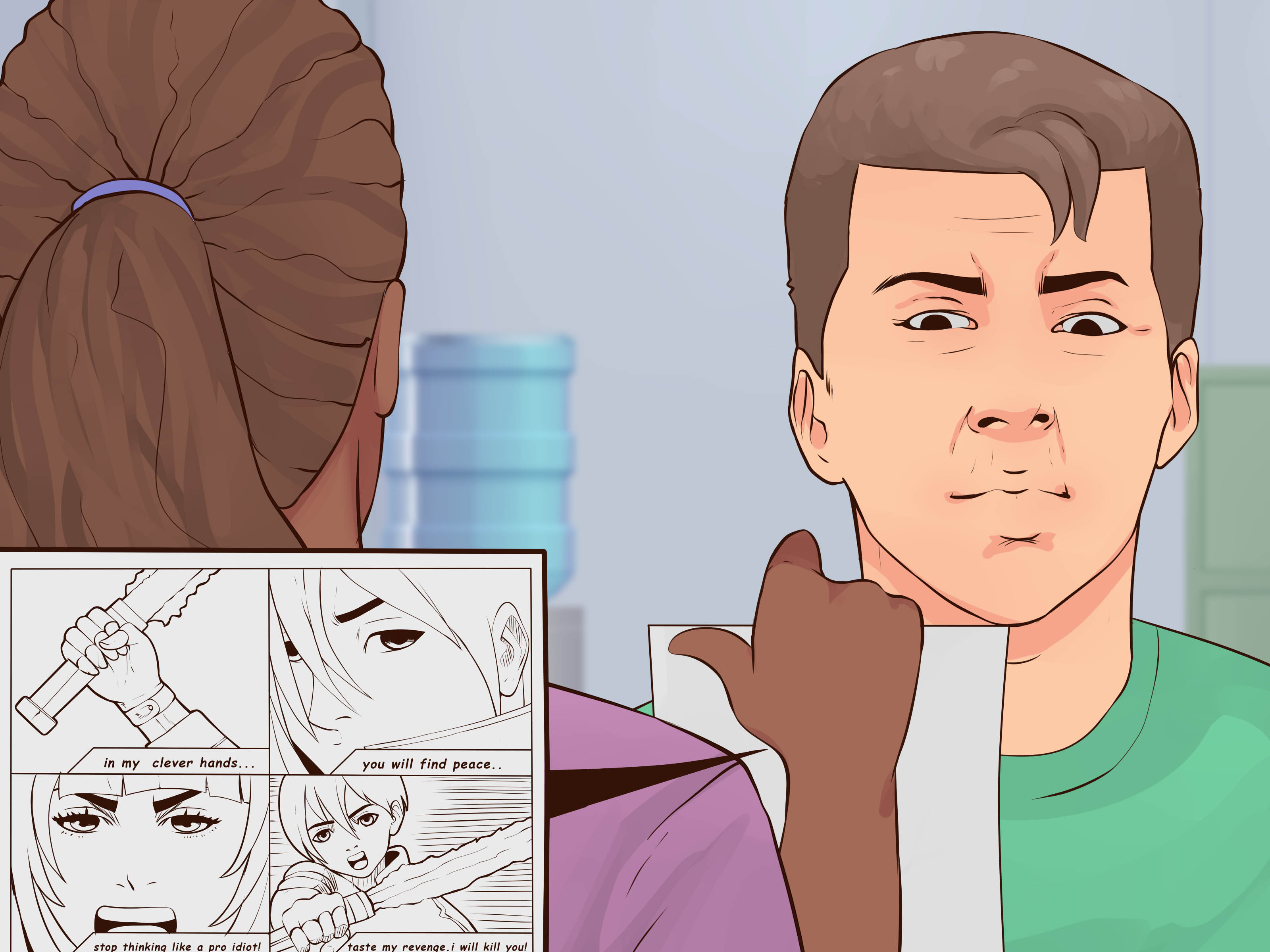
How to Create an Anime Story: 10 Steps
Aug
Creating an anime story takes more than impossible hair, a mysterious transfer student, and a sword with a complicated family history. Memorable anime can be explosive or quiet, futuristic or historical, hilarious or devastating. What unites the best stories is a clear emotional core: someone wants something, meaningful obstacles stand in the way, and the struggle changes that person.
Anime also offers unusual freedom. Visual symbolism can replace paragraphs of explanation. A battle can reveal a character’s values. A shared umbrella can carry more romantic tension than a five-minute confession. The ten steps below combine proven storytelling principles with the expressive strengths of animation, helping you develop an original anime plot for a short film, manga, web series, pilot, or full season.
Step 1: Start With a Strong Core Premise
Your premise is the story enginethe situation that keeps generating conflict and choices. Summarize it in one or two sentences by naming the protagonist, inciting event, goal, opposition, and cost.
Use This Premise Formula
When [inciting event] happens, a [flawed protagonist] must [goal], but [opposition or cost] makes success increasingly difficult.
Example: “When a shy student learns she can borrow memories from ghosts, she must use them to find her missing brother, but every borrowed memory erases one of her own.” The hook is supernatural, but the emotional danger is personal. Test your premise by imagining five escalating scenes. If the idea produces only one cool moment, it may be a scene rather than a complete anime story.
Step 2: Choose the Genre, Audience, and Format
Decide what experience you are promising. Is the story primarily action, romance, horror, comedy, fantasy, science fiction, sports, mystery, or slice of life? Genres can mix, but one should usually lead. A romantic fantasy and a fantasy romance use similar ingredients while emphasizing different conflicts.
Identify the intended audience and format as well. A feature film needs a concentrated arc. A twelve-episode season needs episodic payoffs plus a larger climax. A long-running series needs renewable conflicts, evolving relationships, and enough world depth to avoid stretching one villain across hundreds of episodes like narrative chewing gum.
Step 3: Give the Protagonist a Want, Need, and Contradiction
A memorable protagonist needs an external want, an internal need, and a contradiction. The want is concrete: win the tournament, find a parent, escape a city, solve a murder, or confess a secret. The need is emotional: trust others, accept grief, take responsibility, or stop confusing victory with self-worth.
The contradiction creates drama. Perhaps the hero wants friendship but rejects help. Perhaps she seeks justice while enjoying revenge. Show these traits through choices under pressure, not biography alone. A character who says, “I am brave,” is less convincing than one who is visibly terrified and steps forward anyway. Character-arc guidance consistently connects transformation to the pressure created by plot and conflict.
Step 4: Build a Supporting Cast With Purpose
Each important supporting character should challenge, expose, or complement a different side of the protagonist. Useful roles include ally, rival, mentor, skeptic, love interest, comic relief, dependent, and moral foil. A role is only the starting point; give every major character a personal goal, distinct voice, and choice that affects the plot.
Create an antagonist with an understandable desire. The villain may want order, survival, recognition, revenge, or protection. Conflict becomes richer when the antagonist’s goal makes sense but the chosen method causes harm. For an ensemble, draw a relationship map showing alliances, secrets, debts, jealousy, affection, and competing loyalties.
Step 5: Create a World With Rules and Consequences
Worldbuilding is not a competition to invent the longest royal family tree. Develop details that affect characters, conflict, atmosphere, or theme: housing, food, travel, work, education, customs, fear, celebration, and power.
If your anime includes magic, advanced technology, monsters, or special techniques, define limits. What can the power do? Who can use it? What does it cost? How can it fail? Limits create strategy and suspense. Unlimited power creates a hero who solves everything by glowing harder.
Connect fantastic rules to ordinary life. If memories can be sold, crime and identity will change. If monsters return every winter, architecture and religion will adapt. Strong worldbuilding defines tone, morality, laws, and practical consequences while revealing only what the current story needs.
Step 6: Establish Conflict and Escalating Stakes
Conflict is the gap between what a character wants and what reality allows. Use several layers: external conflict with a rival, institution, curse, competition, or disaster; interpersonal conflict between people with competing goals; and internal conflict involving fear, pride, guilt, or grief.
Make the stakes personal before making them enormous. “The world may end” is abstract. “The hero’s sister will forget he ever existed” is immediate. Escalate through cost, not merely volume. A bigger explosion is not always a bigger problem. A harder choice may force the hero to reveal a secret, lose an ally, betray a value, or choose between two legitimate responsibilities.
Step 7: Outline the Major Story Beats
A three-act structure is a useful starting point, not a sacred tablet guarded by screenwriting monks.
Act One: Setup
Introduce the protagonist, flaw, key relationships, and normal world. An inciting incident disrupts that life, and the hero makes a decision that begins the main journey.
Act Two: Pressure
Increase obstacles, costs, and relationship tension. At the midpoint, reveal information or create a victory that changes the hero’s understanding. Later, deliver a serious reversal that exposes the protagonist’s deepest weakness.
Act Three: Choice
Bring the external goal and internal need together. The climax should be resolved by a meaningful choice, not a brand-new technique that arrived five minutes ago wearing sunglasses. For a series, apply this shape to individual episodes, multi-episode arcs, and the whole season. Screenwriting resources describe structure as an adaptable framework of acts, beats, scenes, and character movement.
Step 8: Tell the Story Visually
Anime is visual, so dialogue should not perform every job. Use images to communicate emotion: an untouched lunch, a cracked charm, an empty train seat, a repaired weapon, or festival lights reflected in tears.
For each important scene, ask what the viewer should notice first and how framing reflects power or emotion. A wide shot may emphasize isolation; a close-up may reveal hesitation. Create rough storyboards or thumbnails to test staging, expressions, movement, and transitions. Artistic polish is optional; clarity is essential. Storyboard guidance emphasizes communicating story points and emotional beats rather than producing finished illustrations.
Step 9: Write Distinct Dialogue and Control Pacing
Dialogue should reveal character, advance conflict, or carry subtext. Give major characters different rhythms, vocabulary, and emotional habits. Avoid explaining facts both speakers already know. Instead of, “As you know, we have attended Moon Blade Academy for four years,” try, “Four years here, and you still hold the blade like it insulted your mother.”
Vary action, silence, humor, and emotional intensity. Quiet scenes are not filler when they change a relationship or set up a later decision. Action scenes also need goals, reversals, and choices; otherwise they become beautifully animated weather reports with punching. Screenwriting guidance recommends balancing dialogue with action and exposition while keeping speech rooted in character and conflict.
Step 10: Draft, Test, and Revise
Write the first draft with momentum. Do not stop every page to redesign the school emblem. Mark uncertain details and continue; a complete imperfect draft is easier to improve than six flawless pages followed by a majestic desert.
During revision, ask whether the premise stays active, character motivations remain clear, world rules stay consistent, the midpoint changes direction, and the climax resolves both external and internal conflict. Request specific feedback: Where did attention drop? Which choice felt unearned? What relationship was strongest? When several readers trip over the same floorboard, inspect the floorboard.
Reading produced scripts and comparing storyboards with finished animation can sharpen visual economy and pacing. Story-development resources also treat pitching, feedback, script reading, and revision as central parts of the creative process.
Common Anime Story Mistakes to Avoid
Copying a Popular Series
Study successful anime, but change the emotional question, world logic, relationships, and consequences until the result has its own identity.
Introducing Too Many Characters
Add characters when they affect the central conflict. A colorful cast is useful only when the audience remembers who wants what.
Explaining Instead of Dramatizing
Reveal rules through mistakes, rituals, jobs, arguments, and punishments. Watching a spell fail during a duel beats reading the Magical Appliance Warranty Manual.
Using Setup-Free Twists
A strong twist reinterprets earlier events. Plant clues, hide their importance, and make the reveal create a harder choice.
Conclusion
Learning how to create an anime story begins with a clear premise and continues through character design, worldbuilding, conflict, structure, visual planning, dialogue, and revision. Start small: one protagonist, one urgent goal, one costly obstacle, and one revealing choice. Spectacular transformations and suspiciously wind-resistant hairstyles can arrive later. A story becomes memorable not because it contains familiar anime ingredients, but because those ingredients create an emotional experience that could only come from you.
Practical Experience Notes: What the Writing Process Teaches
One of the first lessons writers discover is that the exciting idea in their head is often not yet a story. “A girl controls shadows” is a concept. The story begins when controlling shadows costs her something, threatens a relationship, or forces a choice. A useful exercise is to write the concept at the top of a page, then add five sentences beginning with “therefore.” If each event causes the next, the plot has momentum. If every sentence begins with “and then,” the outline may be a collection of incidents wearing a trench coat.
Another discovery is that character design can distract from character development. Choosing eye colors, weapons, uniforms, and symbolic accessories is satisfying, but the protagonist becomes dramatically useful only after you know what that person does when embarrassed, cornered, jealous, exhausted, or offered an easy but dishonest victory. Testing the hero in several pressure scenes often reveals more than a ten-page biography.
Power systems also improve through restrictions. Early drafts frequently give abilities impressive names and limitless uses. Later drafts become stronger when every ability has a price, countermeasure, social consequence, or condition. Limits make battles strategic and characters vulnerable. The best restriction often supports the theme. A hero who must trust another person to activate a power must confront isolation whenever the plot becomes dangerous.
During outlining, the middle is usually the first area to wobble. The opening has novelty, and the ending has fireworks, but the center wanders around asking whether anyone has seen the plot. A useful fix is to give the midpoint a permanent consequence. Reveal the mentor’s lie, destroy the safe location, change the hero’s goal, expose the villain, or turn an ally into an opponent. The midpoint should make the original plan impossible.
Dialogue improves when scenes are read aloud. Lines that look elegant on a screen may sound like a legal disclaimer when spoken. Reading exposes repeated phrases, long explanations, and characters with identical voices. It also reveals where silence would be stronger. In visual storytelling, putting away a treasured photograph may communicate more than a speech explaining why it matters.
Feedback teaches a subtler lesson: readers often identify the correct problem but suggest the wrong solution. Someone may request more action when the real issue is unclear motivation. Another may ask for exposition because an earlier clue was too subtle. Diagnose patterns rather than obeying every prescription. When several readers become confused at the same point, revise the scene’s purpose, setup, or viewpoint before adding another explanation.
Finally, completing a small story teaches more than endlessly planning an enormous saga. A ten-minute short, one-shot manga, or pilot forces decisions about pacing, climax, and resolution. It creates something that can be tested and improved. The mythical perfect epic can remain magnificent forever because it never meets an audience. A completed imperfect story can growand that is how creators actually level up.
Note: This article synthesizes practical guidance from 13 U.S.-based storytelling, screenwriting, animation, and media resources, including MasterClass, StudioBinder, New York Film Academy, Adobe, Writer’s Digest, Final Draft, ScreenCraft, No Film School, Khan Academy’s Pixar in a Box, Crunchyroll, The Walt Disney Company, Script Magazine, and StoryboardArt.

