
Makeup
Channel the Gilded Age with Fringe-Forward Decor
Aug
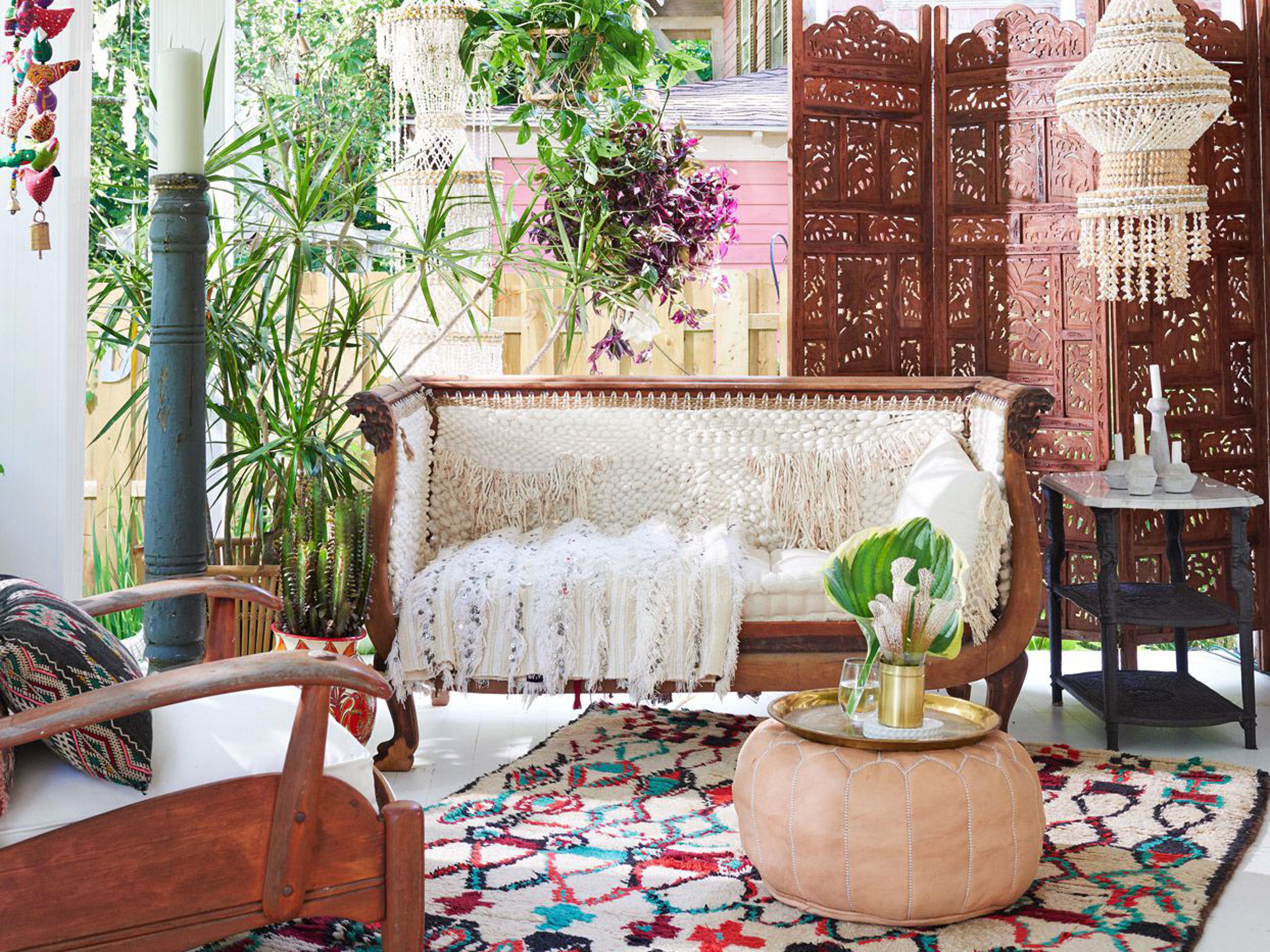
Some decorating trends whisper. Fringe does not. Fringe swishes into the room, orders a sparkling drink, and asks why your sofa is wearing plain clothes. That is exactly why fringe-forward decor feels so right for anyone craving a little Gilded Age glamour without turning the living room into a museum exhibit guarded by velvet ropes.
The Gilded Age, roughly the late 19th century in the United States, was famous for grand mansions, layered interiors, carved furniture, dramatic draperies, ornate lighting, rich textiles, and rooms designed to impress before anyone even sat down. Today, the goal is not to copy every detail from a Vanderbilt mansion. Most of us do not have a ballroom, a marble staircase, or a butler named Arthur. The modern approach is about borrowing the mood: richness, movement, texture, confidence, and a tasteful amount of theatrical flair.
That is where fringe-forward decor shines. Fringe trim on pillows, lampshades, ottomans, curtains, throws, and upholstered seating can add instant character. It brings softness to sharp rooms, history to new builds, personality to neutral spaces, and movement to furniture that might otherwise sit there looking like it has a very serious job in accounting.
What Is Fringe-Forward Decor?
Fringe-forward decor is a design approach that uses fringe, tassels, trim, cords, and decorative edging as intentional style features rather than tiny afterthoughts. Instead of hiding trim at the edge of a cushion, the design celebrates it. Think bullion fringe on a velvet ottoman, tassel trim on curtains, brush fringe on pillows, or a lampshade edged with delicate movement.
This style works beautifully with Gilded Age-inspired interiors because historic rooms often relied on textile richness. Draperies were not just window coverings; they were architectural statements. Upholstery was not merely practical; it announced taste, wealth, and social confidence. Modern fringe decor takes that same decorative spirit and makes it livable for today’s homes.
The Look in One Sentence
Fringe-forward Gilded Age decor is a mix of plush fabric, tailored ornament, warm metallics, antique-inspired details, and carefully placed trim that makes a room feel layered, elegant, and just a little bit fabulous.
Why the Gilded Age Still Inspires Modern Interiors
The Gilded Age was an era of visual ambition. Wealthy American families filled homes with European-inspired furniture, Renaissance and Louis-style references, hand-carved wood, tapestries, crystal chandeliers, gilded frames, marble fireplaces, and luxurious textiles. Houses were designed to communicate culture, status, and refinement.
But the best lesson from the period is not “buy everything expensive.” It is “create atmosphere.” A Gilded Age room had a point of view. It was layered, deliberate, and memorable. It invited conversation. It gave visitors something to look at besides their shoes.
That is why the style feels surprisingly relevant now. After years of minimal white walls, invisible hardware, and sofas that looked afraid of pattern, many homeowners are rediscovering decoration. Color, trims, vintage pieces, wallpaper, ornate mirrors, and personality-rich rooms are back in a big way. Fringe fits perfectly into this return to expressive interiors.
The Key Elements of Gilded Age-Inspired Fringe Decor
1. Rich Textiles That Look Touchable
Gilded Age interiors were deeply textile-driven. Velvet, silk, brocade, damask, tapestry, and embroidered fabrics created a sense of depth. To bring that feeling home, start with fabrics that have visual weight. Velvet pillows with brush fringe, a jacquard bench with bullion trim, or heavy curtains edged with tassels can transform a plain room quickly.
If your current living room is mostly cotton, linen, and smooth performance fabric, fringe can add the missing layer. The trick is to balance softness with structure. A fringed velvet pillow on a modern sofa feels chic. Twelve fringed velvet pillows on the same sofa may feel like the sofa is being swallowed by a costume department.
2. Bullion Fringe for Instant Drama
Bullion fringe is the thick, looped trim often seen on formal upholstery, vintage stools, and traditional drapery. It has weight, movement, and a slightly theatrical personality. Use it where you want a focal point: around the base of an ottoman, along the bottom of a slipper chair, or on the edge of a statement pillow.
For a modern Gilded Age look, choose bullion fringe in deep jewel tones, warm neutrals, or muted metallics. Emerald, garnet, navy, ochre, chocolate, and antique gold all work beautifully. Avoid overly shiny finishes unless the rest of the room is restrained. Fringe should flirt with drama, not shout across the room with a megaphone.
3. Tassels That Feel Elegant, Not Fussy
Tassels are one of the easiest ways to add Gilded Age charm. They can appear on curtain tiebacks, cabinet keys, lamps, pillows, and even decorative boxes. The key is choosing tassels with quality materials and appropriate scale.
Large tassel tiebacks can make floor-length curtains feel grand, especially in a dining room or bedroom. Smaller tassels on pillows add movement without overwhelming the furniture. For a cleaner look, choose tonal tassels that match the fabric. For a bolder look, try contrast trim, such as deep blue tassels on ivory curtains or gold tassels on burgundy velvet.
4. Statement Lampshades with Fringe
A fringed lampshade is one of the quickest ways to channel antique glamour. It nods to Victorian and Gilded Age lighting without requiring you to rewire the house or explain to guests why you suddenly own a candelabra collection.
Try a pleated silk-style shade with short fringe for a bedside table, or a dramatic long-fringe shade for a reading nook. Pair it with a brass, ceramic, or carved wood lamp base. The result feels collected rather than mass-produced, which is exactly the mood this style needs.
5. Drapery That Frames the Room
In Gilded Age-inspired decorating, windows should not look neglected. Curtains can act like architecture, adding height, softness, and ceremony. Floor-to-ceiling panels with fringe or tassel trim can make even an ordinary window feel important.
For a modern version, skip overly heavy swags unless your home already has traditional architecture. Instead, use tailored panels in velvet, linen blend, or damask. Add trim down the leading edge or along the hem. This gives the room a historical wink without making it look like a theater curtain is about to rise.
How to Use Fringe Without Overdecorating
The biggest mistake with fringe-forward decor is treating fringe like confetti. A little can be magical. Too much can make a room look like it is molting. The best approach is to choose a few strong moments and let them breathe.
Pick One Hero Piece
Start with one major fringed item. This could be a fringed ottoman, a pair of trimmed curtains, a dramatic lampshade, or a vintage chair with decorative skirt trim. Let that piece set the tone. Once it feels integrated, add smaller accents.
Repeat the Idea, Not the Exact Trim
A polished room does not need matching fringe everywhere. In fact, too much matching can feel stiff. Instead, repeat the idea of trim in different ways. For example, use short brush fringe on pillows, tassel tiebacks on curtains, and a subtle cord trim on an armchair. The room will feel connected but not overly coordinated.
Balance Ornate Details with Clean Lines
Fringe looks best when it has contrast. Pair a fringed velvet pillow with a clean-lined sofa. Place a tasseled throw over a simple upholstered bench. Add a fringed lampshade to a modern side table. This blend keeps the room fresh and prevents the Gilded Age inspiration from becoming a full historical reenactment.
Best Rooms for Fringe-Forward Gilded Age Decor
Living Room
The living room is the natural home for this style. Add velvet pillows with fringe, an antique-inspired rug, a gilded mirror, and a fringed ottoman. If the room has neutral walls, introduce deep color through textiles. A forest green chair with bullion trim or a navy pillow with gold tassels can add elegance without requiring a major renovation.
Bedroom
In the bedroom, fringe can feel romantic and restful. Try a fringed bed throw, tasseled cushions, or curtains with decorative trim. A skirted vanity stool with fringe can bring a boutique-hotel feeling to the space. Keep the palette soothing with champagne, cream, dusty rose, sage, plum, or smoky blue.
Dining Room
The dining room can handle more drama because it is already a place for ceremony. Use fringed lampshades on buffet lamps, rich drapery, ornate candleholders, and upholstered dining chairs with subtle trim. A Gilded Age-inspired dining room should feel like dinner might turn into a fascinating conversation, not a meeting about quarterly sales.
Entryway
An entryway is perfect for a small dose of fringe. Add a fringed bench, a tasseled key holder, or a dramatic mirror above a console table. Because the space is usually small, one detail can make a strong impression.
Color Palettes That Work Beautifully
Classic Gilded Glamour
Use burgundy, antique gold, espresso brown, ivory, and black. This palette feels dramatic and historic. It works especially well in dining rooms, libraries, and formal living spaces.
Soft Modern Gilded Age
Try champagne, warm white, dusty blush, muted brass, and walnut. This version is elegant but lighter, making it ideal for bedrooms or apartments where heavy colors might feel overwhelming.
Moody Jewel Box
Pair emerald, sapphire, aubergine, ochre, and bronze. This palette is bold, cozy, and very fringe-friendly. It is perfect for anyone who believes beige has had enough time in the spotlight.
Vintage Neutral
Use camel, cream, taupe, olive, dark wood, and aged brass. This option works well for homeowners who want texture and history without intense color. Fringe in tonal shades can make the look feel refined and understated.
Specific Fringe Decor Ideas to Try
Fringed Throw Pillows
This is the easiest entry point. Choose two or three pillows with different textures: velvet, embroidered fabric, or woven patterns. Place them on a sofa, bed, or accent chair. For a Gilded Age mood, look for jewel tones, antique-inspired patterns, or warm metallic trim.
Trimmed Curtains
Add fringe along the leading edge of curtain panels for a custom look. This small detail can make ready-made curtains feel designer. If you prefer subtlety, choose trim in the same color family as the curtain fabric.
Fringed Ottoman
A fringed ottoman can become the star of a room. Use it in front of a sofa, at the foot of a bed, or under a console table. The fringe softens the piece and adds movement, especially in rooms with lots of hard surfaces.
Tasseled Throws
A throw blanket with tassels is practical and decorative. Drape it over a chair or sofa arm. It adds softness during the day and becomes useful when someone inevitably says, “Is it cold in here, or is it just me?”
Fringed Lampshades
Replace a plain shade with a fringed one to instantly change the mood. This works especially well on bedside lamps, library lamps, and accent lighting in corners that need a little personality.
Mixing Fringe with Other Gilded Age Elements
Fringe-forward decor becomes more convincing when it is supported by other historical cues. Add an ornate mirror, carved wood furniture, vintage art, patterned wallpaper, brass lighting, marble accents, or a Persian-style rug. These pieces create context, so the fringe feels intentional rather than random.
However, edit carefully. The modern home still needs breathing room. If you use ornate wallpaper, keep some furniture simpler. If you choose a dramatic fringed sofa, let the surrounding pieces stay quieter. Good design is a conversation, not everyone talking at once.
Modern Tips for Making the Look Livable
Choose Performance Fabrics When Needed
If you have pets, children, or snack-loving adults, consider performance velvet or durable upholstery. Fringe can be luxurious, but it should not make your home feel untouchable. The best rooms are beautiful and usable.
Keep Fringe Away from High-Traffic Trouble Zones
Long fringe on a hallway bench may become a dust collector or a cat toy. Use longer fringe in lower-traffic areas and shorter trim in busy rooms. Practicality is not the enemy of glamour; it is what keeps glamour from becoming annoying.
Mix Old and New
A vintage fringed stool can look amazing beside a modern sofa. A contemporary lamp with a fringed shade can refresh a traditional bedroom. Mixing eras keeps the style from feeling frozen in time.
Common Mistakes to Avoid
Using Too Many Heavy Fabrics
Velvet curtains, velvet sofa, velvet pillows, velvet ottoman, and velvet lampshade may sound luxurious, but the room can start to feel visually heavy. Mix velvet with linen, wood, glass, metal, and smooth upholstery for balance.
Choosing Cheap-Looking Trim
Fringe draws attention, so quality matters. Thin, shiny, poorly attached fringe can cheapen the look. Choose trim with good weight, clean stitching, and colors that complement the fabric.
Ignoring Scale
Large bullion fringe can overwhelm a tiny pillow. Tiny eyelash fringe may disappear on oversized curtains. Match the scale of the fringe to the object and the room.
Experience-Based Styling Notes: Living with Fringe-Forward Decor
The most important thing I have learned from styling Gilded Age-inspired fringe decor is that fringe behaves like jewelry. You do not need to wear every necklace in the drawer to look dressed. One strong piece can change the entire outfit, or in this case, the entire room.
In a living room, the easiest experiment is a pair of fringed pillows. I like starting with a familiar sofa because it shows the power of contrast. A plain beige sofa can suddenly look collected when dressed with emerald velvet pillows edged in brush fringe. A gray sectional, often the most practical but least poetic object in the house, can gain warmth with rust, navy, or plum cushions trimmed in tassels. The transformation is immediate, and no one has to call a contractor.
Another experience worth noting is that fringed lampshades are surprisingly effective. A lamp is already a mood-maker, and fringe adds movement to the glow. In the evening, the trim catches light and creates a softer silhouette. It feels cozy, a little vintage, and much more personal than a plain white drum shade. This is especially useful in bedrooms, reading corners, and small sitting areas where you want atmosphere without clutter.
Fringed ottomans are wonderful, but they require planning. They look best when they have space around them. If placed in a crowded room, the trim can snag, bend, or look messy. In a more open seating arrangement, however, a fringed ottoman becomes a centerpiece. It adds softness to the center of the room and makes the space feel finished. A round ottoman with bullion fringe can be especially charming because it brings movement from every angle.
Curtain trim is the most elegant upgrade, but it is also the one where measurement matters most. Fringe that is too long can drag or look theatrical in the wrong way. Trim that is too short may not make enough impact. A good rule is to use decorative tape or fringe along the leading edge for a tailored look, especially if the fabric is already patterned. For solid curtains, a more dramatic tassel or brush fringe can add depth.
I also recommend using fringe to solve rooms that feel too flat. Many modern interiors have clean lines, smooth walls, and simple furniture. That can be calming, but it can also look unfinished. Fringe adds shadow, rhythm, and texture. It gives the eye somewhere to land. In a room with a rectangular sofa, square coffee table, and plain rug, a fringed throw or trimmed pillow introduces a welcome sense of movement.
Maintenance is part of the experience, too. Fringe needs occasional straightening, gentle vacuuming, and a little respect. If you have a cat, long fringe may become the most exciting entertainment system you have ever purchased. In that case, use shorter brush fringe, cord trim, or tassels placed higher up, such as on curtains or lampshades.
The best fringe-forward rooms feel personal rather than perfect. They suggest history without copying it. They have a sense of humor, a sense of comfort, and a sense that someone interesting lives there. That is the real magic of channeling the Gilded Age today: not recreating a mansion, but bringing back the pleasure of decoration.
Conclusion
Fringe-forward decor is a stylish way to channel the Gilded Age without needing a Newport mansion, a marble fireplace, or a family railroad fortune. By using tassels, bullion fringe, trimmed curtains, fringed lampshades, and rich textiles, you can create a home that feels layered, elegant, expressive, and warm.
The secret is balance. Choose a few beautiful fringe moments, mix them with clean-lined furniture, support them with vintage-inspired details, and keep the room livable. Done well, fringe does not feel old-fashioned. It feels confident, tactile, and refreshingly human. In a world of flat surfaces and fast furniture, a little trim can make a room feel like it has a story to tell.

