
Hair Care
All About Wood Countertops and How to Choose the Right Kind
Aug
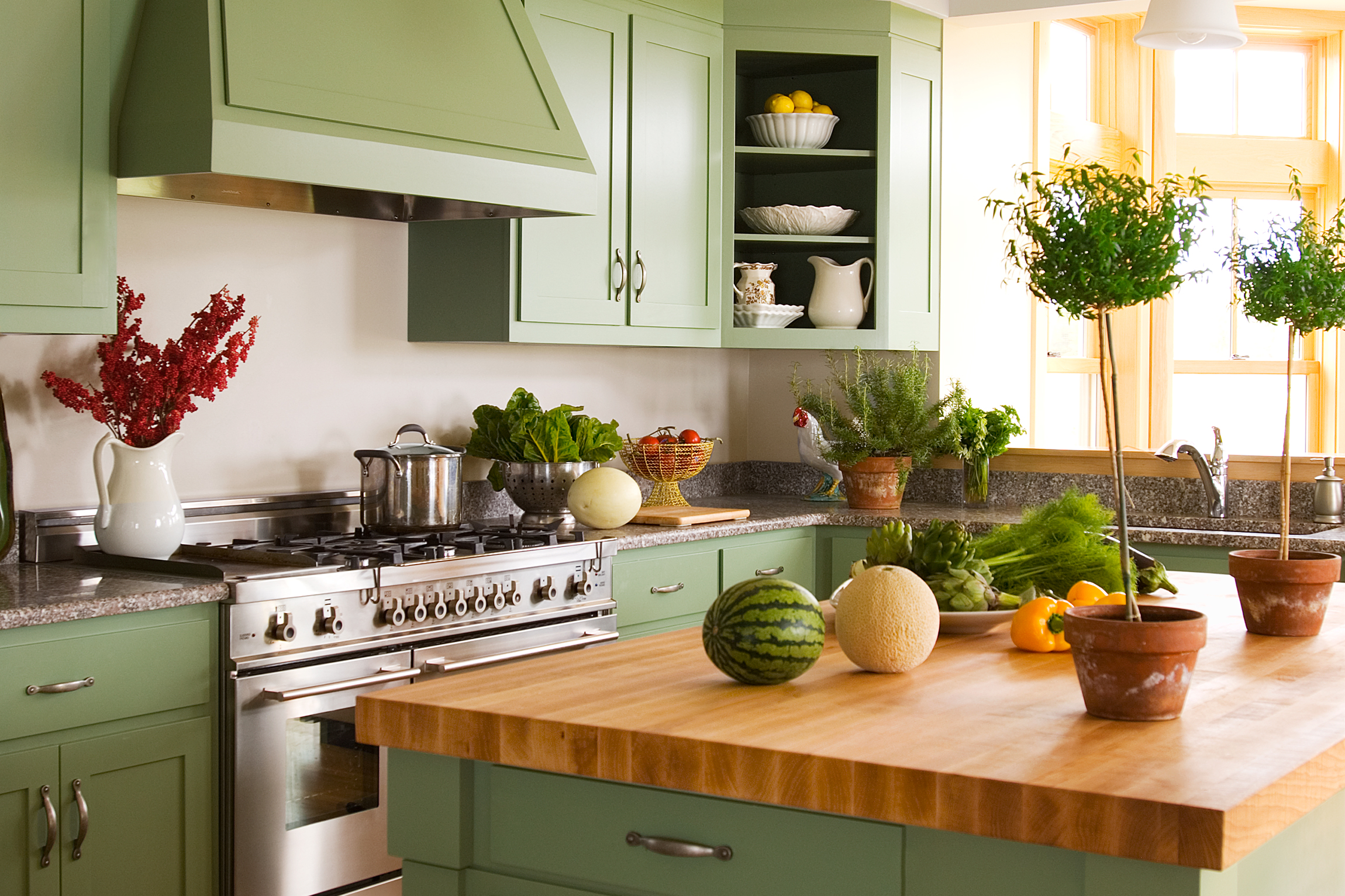
Wood countertops have a talent few kitchen materials can match: they make a room feel warmer before anyone has even turned on the oven. A slab of maple, walnut, oak, or cherry can soften a modern kitchen, bring soul to a farmhouse design, and make an ordinary island look like it has excellent stories to tell.
But wood countertops are not a “install it and forget it” surface. They are more like a good cast-iron skillet: beautiful, useful, repairable, and slightly dramatic when neglected. Water rings, hot pans, knife marks, and abandoned wine spills can all leave their calling cards. The good news is that solid wood can often be sanded, oiled, resealed, and restored instead of replaced.
This guide explains the different types of wood countertops, the best wood species for various kitchens, the difference between butcher block and plank countertops, and how to choose a surface that fits your cooking habits instead of merely looking great in a renovation photo.
What Are Wood Countertops?
Wood countertops are work surfaces made from solid wood boards, strips, or blocks joined together into a slab. They may be used across an entire kitchen, on an island, as a breakfast bar, in a laundry room, or as an accent surface beside stone or quartz.
Butcher block is the most familiar type of wood countertop, but the terms are not interchangeable. All butcher block countertops are wood countertops, but not every wood countertop is butcher block. A wide-plank walnut island, for example, may be a solid wood countertop without having the strip-built construction associated with butcher block.
Wood countertops are commonly made from maple, walnut, oak, cherry, teak, acacia, hickory, birch, and bamboo. Maple remains a classic choice because it is hard, relatively even in color, and practical for food-prep areas. Walnut is favored for its deep chocolate tone, while white oak and cherry bring more visible grain and personality.
Why Homeowners Choose Wood Countertops
Wood is not trying to impersonate marble, quartz, or concrete. It is proudly wood: warm, tactile, slightly imperfect, and capable of looking better with age. That alone is a major selling point in kitchens filled with hard, reflective surfaces.
Warmth and visual character
A wood countertop can keep a white kitchen from feeling clinical and can prevent an all-gray kitchen from looking like it is preparing for a very stylish thunderstorm. Grain variation gives every slab a distinct appearance, whether you prefer calm maple, dramatic walnut, rustic hickory, or knotty pine.
Repairability
Unlike many countertop materials, solid wood can often be renewed. Minor stains, shallow burns, scratches, and knife marks can usually be sanded down and refinished. That makes wood especially appealing to homeowners who would rather repair a surface than panic-buy an entirely new countertop after one unfortunate encounter with a cast-iron pan.
Comfort during food prep
Wood is easier on dishes and glassware than stone. It also feels warmer to the touch than granite or quartz, especially during colder months. For people who spend a lot of time cooking, baking, chopping, or leaning against the island while wondering why they opened the refrigerator again, that comfort matters.
Design flexibility
Wood countertops work in farmhouse, Scandinavian, traditional, Japandi, industrial, coastal, and modern kitchens. You can choose a thick end-grain butcher block for a classic prep station, a sleek walnut waterfall island for drama, or a lighter maple top that quietly supports the rest of the design.
The Downsides of Wood Countertops
Wood is wonderful, but it is not invincible. It can scratch, stain, dry out, expand, contract, warp, or crack when exposed to excessive moisture or poor maintenance. In other words, it has boundaries. Respect them.
Water is the biggest concern
Standing water is wood’s least favorite houseguest. Repeated exposure around sinks, dishwashers, faucets, and poorly sealed seams can lead to discoloration, swelling, cracking, or warping. Wood countertops can work near sinks, but they need a durable finish, carefully sealed cutouts, and quick cleanup after splashes.
Heat protection is nonnegotiable
Do not place a hot skillet, baking sheet, Dutch oven, or air fryer basket directly on wood. Use trivets. Wood can scorch, discolor, or develop finish damage from heat. Your countertop should not have to become a memorial to last Tuesday’s lasagna.
Maintenance is part of the deal
An oiled food-prep surface needs periodic conditioning. A sealed surface needs occasional inspection and refinishing when the protective layer starts to wear down. The exact schedule depends on humidity, use, finish type, and how aggressively your household cooks, cleans, and hosts spaghetti night.
Wood Countertop Construction Styles
The way wood pieces are arranged affects appearance, durability, price, maintenance needs, and how suitable the countertop is for chopping.
Edge-grain butcher block
Edge-grain construction uses long strips of wood placed on edge and glued together. It creates a striped appearance and is one of the most common butcher block styles. Edge grain offers a good balance of durability, visual interest, and affordability.
This is often the best all-around choice for homeowners who want a real wood countertop that can handle regular kitchen use without requiring the budget of a thick end-grain slab.
End-grain butcher block
End grain shows the ends of wood pieces, creating a checkerboard-like pattern. It is traditionally associated with heavy-duty chopping blocks because the wood fibers can better absorb knife impact. End-grain surfaces are typically thicker, more labor-intensive, and more expensive than edge-grain countertops.
They are also more absorbent and may need more frequent oiling. Think of end grain as the luxury SUV of wood countertops: impressive, capable, and occasionally thirstier than expected.
Face-grain or wide-plank countertops
Face-grain countertops display the broad face of the board. They highlight dramatic grain patterns and can look especially elegant in walnut, cherry, oak, or teak. Wide-plank counters often feel more furniture-like than traditional butcher block.
They are generally better for islands, dining counters, coffee bars, desks, and decorative surfaces than for constant knife work. A wide-plank walnut top is gorgeous, but using it as your everyday chopping board may turn a design feature into a very expensive cutting board.
Best Wood Types for Countertops
| Wood Type | Best For | Look and Feel | What to Know |
|---|---|---|---|
| Hard Maple | Busy kitchens and food-prep surfaces | Light, clean, subtle grain | Durable, classic, and a popular butcher block choice |
| Walnut | Islands, bars, and statement countertops | Rich brown tones and dramatic grain | Elegant and repairable, but usually more expensive |
| White Oak | Traditional, modern, and rustic kitchens | Visible grain with warm neutral tones | Strong visual texture; needs proper sealing |
| Cherry | Classic and furniture-inspired kitchens | Warm reddish-brown color | Deepens in color over time and develops character |
| Hickory | High-wear rustic kitchens | Bold grain and natural color variation | Hard and durable, but visually busy for some designs |
| Acacia | Budget-conscious decorative applications | Colorful grain with tropical appeal | Quality varies, so inspect construction and finish carefully |
| Bamboo | Contemporary or eco-minded spaces | Linear, modern appearance | Technically a grass; performance depends heavily on manufacturing quality |
Hardness is one factor worth considering, especially for a prep-heavy kitchen. The Janka hardness test measures a wood’s resistance to indentation by recording the force needed to press a steel ball halfway into the wood. A higher rating generally means better resistance to dents and wear, although hardness alone does not determine whether a countertop will perform well in a wet kitchen.
Hard maple: the practical favorite
Hard maple is one of the best choices for a traditional butcher block countertop. It is light in color, durable, widely available, and less visually busy than many species. It works beautifully in kitchens with white cabinets, black hardware, stainless appliances, or colorful backsplashes.
Walnut: the design-forward option
Walnut is popular for homeowners who want a countertop with instant drama. Its deep brown tone can anchor an all-white kitchen or create a handsome contrast against pale oak cabinets. Walnut works particularly well on islands, breakfast bars, and seating areas where the countertop doubles as furniture.
White oak: grain with a modern edge
White oak has a warm, adaptable look that fits both traditional and contemporary spaces. It is a smart choice for homeowners who want visible grain but do not want the dark intensity of walnut. It pairs naturally with cream cabinets, matte black fixtures, aged brass, and stone backsplashes.
Cherry and hickory: character on purpose
Cherry develops a richer tone with age, which makes it appealing for classic kitchens. Hickory is tougher-looking and more rustic, with greater variation in color and grain. Both are excellent when you want the countertop to be a visual feature rather than a quiet background player.
Oil Finish vs. Sealed Finish: Which One Is Right?
This decision matters as much as the wood species. Your finish determines whether the countertop is meant for direct food prep or mostly for serving, seating, and general kitchen use.
Food-safe oil finish
An oil finish is often used for butcher block surfaces intended for chopping and food preparation. Food-grade mineral oil penetrates the wood and helps reduce drying. It does not create a thick plastic-like barrier on top, which means the wood still needs regular care.
Oiled wood is easier to refresh locally. If you scratch or stain it, you can often sand the damaged area and reapply oil. The trade-off is maintenance: the surface must be conditioned when it looks dry and cleaned carefully after use.
Sealed polyurethane or varnish finish
A sealed finish creates a protective film over the wood. It is often better for bar tops, eating counters, islands, desks, laundry room counters, and surfaces near sinks. Because the finish blocks moisture more effectively, it can be easier to clean and less demanding day to day.
The trade-off is that you should not chop directly on it. Knife cuts can damage the finish, create weak spots, and make repairs more involved. A sealed wood countertop is best treated as a countertop first and a cutting board never.
How to Choose the Right Wood Countertop
1. Start with how you actually use your kitchen
Be honest. Are you making dinner every night, baking every weekend, and chopping vegetables like you are auditioning for a cooking show? Or is your kitchen mainly a coffee station, takeout landing zone, and social gathering space?
For heavy food prep, choose hard maple or another durable hardwood with an oil finish designed for direct food contact. For an island used mostly for seating, serving, and conversation, walnut, cherry, or white oak with a sealed finish may be the better fit.
2. Think carefully about sink placement
Wood can work beside a sink, but that area needs extra planning. Choose a high-quality finish, insist that all cut edges and undersides are sealed, and wipe up water immediately. For extremely wet kitchens, a practical compromise is using wood on the island and a more water-resistant material around the primary sink.
3. Choose a grain pattern that suits the room
Edge grain feels classic and practical. End grain feels substantial and workhorse-ready. Wide-plank face grain feels refined and furniture-like. None is universally “best”; the right choice depends on whether your countertop needs to chop, host, impress, or do all three before noon.
4. Match the wood tone to cabinets and flooring
Light maple works well with dark cabinets, black accents, and modern spaces. Walnut brings depth to white or pale kitchens. White oak pairs naturally with warm neutrals and earthy materials. Cherry can complement traditional cabinetry and brass hardware.
Try to avoid choosing wood in isolation. Bring cabinet samples, flooring samples, backsplash tile, and paint swatches when selecting a slab. Wood undertones can surprise you under different lighting, especially once the countertop is installed under pendant lights that make everything look more dramatic after 7 p.m.
5. Understand what affects price
Wood countertop pricing varies widely based on species, thickness, length, construction style, edge detail, cutouts, finishing, installation, and whether the top is prefabricated or custom made. A basic maple butcher block can be far more affordable than a custom end-grain walnut island, while premium species and intricate fabrication can compete with high-end stone.
Installation Tips That Prevent Future Regret
Wood naturally expands and contracts with seasonal changes in humidity. Installers need to allow for that movement rather than fastening the countertop so tightly that the wood has nowhere to go. This is one reason professional installation can be worthwhile for large slabs, sink cutouts, waterfall edges, and custom islands.
- Seal every side of the countertop, including the underside and cut edges.
- Pay special attention to sink, faucet, dishwasher, and cooktop cutouts.
- Use mounting methods that allow for seasonal wood movement.
- Use silicone or another appropriate sealant around sink seams.
- Support overhangs properly, especially on breakfast bars and islands.
- Do not assume a countertop is fully protected just because the top surface looks shiny.
Wood movement is a normal material behavior, not a flaw. The goal is to choose a fabricator or installer who understands that a countertop made from a living material still needs room to behave like wood.
How to Clean and Maintain Wood Countertops
The daily routine is simple: wipe the surface with a soft cloth, mild dish soap, and water; then dry it thoroughly. Avoid soaking the wood, flooding it with cleaner, using abrasive scrubbers, or leaving wet dish towels on top. A damp towel left overnight is basically a tiny moisture experiment nobody asked for.
For oiled countertops
- Wipe spills quickly.
- Clean with mild soap and water, then dry thoroughly.
- Apply food-grade mineral oil when the surface looks dry or feels thirsty.
- Use a board cream or wax product if recommended by the manufacturer.
- Sand and re-oil shallow scratches, stains, or minor burns.
For sealed countertops
- Use mild soap and a soft cloth for routine cleaning.
- Do not chop directly on the surface.
- Use cutting boards and trivets.
- Inspect the finish periodically for chips, worn areas, or water damage.
- Refinish when the protective layer becomes compromised.
For direct food-prep surfaces, do not rely on the idea that wood is magically self-cleaning. Wash it promptly, dry it well, and address deep cracks or damaged glue joints before they become sanitation or moisture problems.
Are Wood Countertops a Good Choice for Every Kitchen?
No countertop is perfect for every household. Wood is ideal for people who value warmth, natural character, repairability, and a surface that can age gracefully. It is less ideal for homeowners who want something completely maintenance-free, regularly leave water on the counter, or prefer to put sizzling pans down wherever they please.
Wood works especially well for kitchen islands, prep stations, breakfast bars, baking centers, coffee bars, and mixed-material kitchens. Pairing a wood island with quartz, stone, or stainless counters around the perimeter can give you the charm of wood without making every inch of the kitchen dependent on a bottle of mineral oil.
Real-World Experiences With Wood Countertops: What Owners Tend to Learn
The first thing many people notice after installing a wood countertop is that the kitchen feels different, not just looks different. The surface is warmer under the hand, quieter when dishes are set down, and more inviting for casual moments. Guests often lean on a wood island instead of hovering politely nearby, and family members somehow gather around it even when there are perfectly good chairs available. Wood has that effect. It turns a counter into a place.
Many homeowners also discover that they become more observant about maintenance. A pale maple countertop can reveal a stray coffee ring immediately, while walnut may hide small marks better but still shows dry patches when it needs oil. At first, this can feel fussy. Over time, the care routine becomes ordinary: wipe, dry, inspect, oil when necessary. It is not unlike caring for leather boots, a wooden dining table, or a favorite cutting board. A little attention prevents a lot of panic.
People who use butcher block as a true chopping surface often learn that a few knife marks are unavoidable. The countertop will not remain showroom-perfect forever, and that is not a failure. A well-used wood counter develops a patina: tiny scratches, softer edges, and color changes that tell the story of actual cooking. Some owners love this lived-in look. Others prefer to use separate cutting boards and keep the countertop mostly pristine. Neither approach is wrong; it simply depends on whether you view marks as damage or personality.
Sink areas are where experience becomes especially valuable. Homeowners with wood near the sink usually become fast spill-wipers. They learn not to leave a wet sponge, dripping dish towel, or soaked cutting board sitting against the faucet overnight. They also appreciate the value of a good installer. Properly sealed cutouts, clean seams, and careful faucet installation can make the difference between a countertop that ages beautifully and one that develops dark water stains in places no one wants to discuss.
Another common lesson is that wood countertops reward realistic expectations. They are not quartz, and trying to treat them like quartz leads to frustration. Quartz can tolerate a more casual routine. Wood asks for more respect, but gives something different in return: texture, warmth, repairability, and a visual richness that manufactured surfaces struggle to imitate.
Homeowners who mix materials often report the happiest balance. For example, they may use quartz around the sink and range, then install a thick walnut or maple island as the centerpiece. This arrangement gives them a durable wet-zone surface where spills and heat are common, plus a wood surface where people gather, chop, bake, serve, and linger. It is a practical solution for people who want the beauty of wood without asking it to survive every possible kitchen accident.
Finally, wood countertops tend to become more beloved over time. A stone countertop may stay nearly unchanged for years, which is exactly what some homeowners want. Wood changes. It darkens slightly, gains texture, shows use, and becomes part of the home’s story. For the right kitchen, that is not a drawback. It is the whole point.
Final Thoughts
Choosing the right wood countertop comes down to balancing beauty and behavior. Pick hard maple or edge-grain butcher block for a practical prep surface. Choose walnut, cherry, or white oak for a statement island or serving area. Use an oil finish for food-prep counters and a durable sealed finish for bars, seating areas, and wet-adjacent surfaces.
Most importantly, choose wood because you appreciate how it lives. It will not remain perfectly untouched, and it should not have to. With thoughtful installation, the right finish, and a little routine care, a wood countertop can become one of the most welcoming, useful, and memorable parts of a kitchen.

