
Hair Care
How to Make a Bedtime Skincare Routine for Teenage Girls
Aug
Teenage skin has a busy social calendar. Hormones are making surprise appearances, makeup may be involved, sports sweat happens, and one tiny pimple can somehow feel like it has booked a billboard in the middle of your forehead. A good bedtime skincare routine for teenage girls is not about collecting a cabinet full of pastel bottles or performing a 14-step science experiment before algebra homework.
The goal is much simpler: remove the day, treat real skin concerns gently, protect the skin barrier, and build a routine that is easy enough to repeat even on tired school nights. Dermatologists and pediatric health experts generally agree that teen skincare works best when it stays basic: gentle cleansing, moisturizer, daily sun protection in the morning, and targeted acne treatment only when needed.
This guide explains how to build a practical nighttime skincare routine for teens, how to choose products for oily, dry, sensitive, or acne-prone skin, and which trendy products are more likely to cause irritation than glow.
Why a Bedtime Skincare Routine Matters for Teen Skin
During the day, skin meets oil, sweat, sunscreen, makeup, dust, phone screens, hands, hair products, gym equipment, and the mysterious crumbs that seem to appear during late-night studying. A bedtime routine helps remove that buildup before it has a chance to sit on the skin overnight.
For teenage girls, nighttime is also the most convenient time to use certain acne treatments. Ingredients such as salicylic acid, benzoyl peroxide, and adapalene may help manage breakouts, but they should be introduced carefully. Using every active ingredient at once is not a power move. It is usually a fast route to dryness, peeling, stinging, and the emotional experience of wondering why your face suddenly feels like a desert.
A consistent routine can also make skin feel more predictable. It will not erase every pimple overnight, because skin is not a microwave burrito. But a few smart steps repeated consistently can support clearer, calmer, better-hydrated skin over time.
The Golden Rule: Keep Teen Skincare Simple
The best bedtime skincare routine for teenage girls usually has three core steps:
- Remove makeup or sunscreen if needed.
- Cleanse gently.
- Moisturize.
If acne is a concern, add one targeted treatment. That is all. A teen does not need a shelf full of anti-aging serums, strong exfoliating acids, expensive facial oils, or a toner that feels like it could strip paint off a locker.
Look for products labeled non-comedogenic, which means they are designed not to clog pores. “Oil-free” can also be helpful for acne-prone skin, although the right moisturizer still depends on how your skin feels. Fragrance-free products are often a safer choice for sensitive or eczema-prone skin.
Step-by-Step Bedtime Skincare Routine for Teenage Girls
Step 1: Remove Makeup, Heavy Sunscreen, or Sweat
If you wore makeup, water-resistant sunscreen, or had a particularly sweaty day, begin by removing the first layer before cleansing. Micellar water, a gentle makeup remover, or a fragrance-free cleansing balm can help lift makeup without aggressive rubbing.
Use a soft cotton pad or clean hands. Avoid scrubbing your eyelids or cheeks like you are trying to erase a permanent marker drawing. Tugging and rubbing can leave skin irritated, especially around the eyes.
If you do not wear makeup, this step may not be necessary. A gentle cleanser alone is often enough for a normal school day.
Step 2: Wash Your Face With a Gentle Cleanser
Use lukewarm water and a mild facial cleanser. Hot water can feel relaxing after a long day, but it may leave skin dry or irritated. Apply cleanser with clean fingertips in light circular motions, then rinse thoroughly and pat the skin dry with a clean towel.
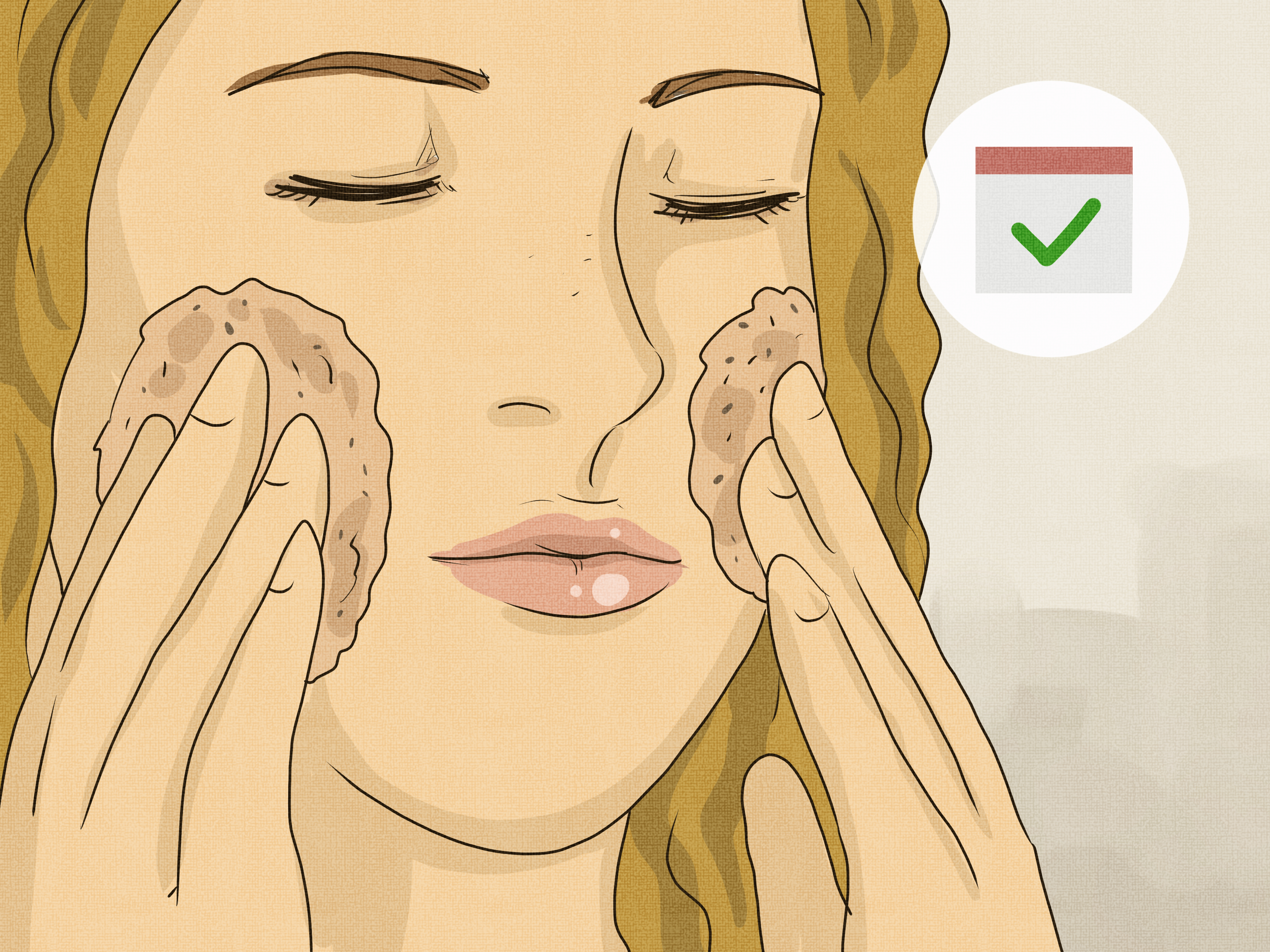
Do not use rough washcloths, scrub brushes, gritty facial scrubs, or random household soap on your face. A face is not a dirty baking tray. Overwashing and harsh scrubbing can irritate the skin barrier, which may make acne, redness, and sensitivity worse.
For most teens, washing twice a day is enough: once in the morning and once before bed. Wash after heavy sweating, too, but avoid repeatedly cleansing every time your face feels slightly shiny. Skin produces oil for a reason; it is not personally trying to ruin your life.
Step 3: Add One Acne Treatment, Only If You Need It
If you have occasional or regular breakouts, choose one acne-focused product instead of layering several treatments. Start slowly, especially if your skin is sensitive.
- Salicylic acid: Often helpful for clogged pores, blackheads, whiteheads, and small breakouts. It can appear in cleansers, pads, serums, or spot treatments.
- Benzoyl peroxide: Often used for inflamed pimples and acne-causing bacteria. It can be effective, but it may dry the skin and can bleach towels, pillowcases, and shirts.
- Adapalene: An over-the-counter retinoid that may help prevent clogged pores and acne. It should be used gradually because irritation, peeling, and dryness are common when starting.
Use only one new acne treatment at a time for at least a couple of weeks. This makes it easier to tell whether your skin likes it, tolerates it, or would like to file a formal complaint. If you are using a prescription acne medicine, follow your dermatologist’s instructions rather than adding several new active products on your own.
Teen girls who are pregnant, trying to become pregnant, or think they may be pregnant should speak with a healthcare professional before using retinoids or acne medications.
Step 4: Apply a Lightweight Moisturizer
Yes, oily skin needs moisturizer. This is one of the most important lessons in teenage skincare. Skipping moisturizer does not automatically make skin less oily. In fact, overly dry and irritated skin may feel rough, tight, flaky, or uncomfortable, especially when acne treatments are involved.
Choose a lightweight, non-comedogenic moisturizer. Gel moisturizers often feel comfortable on oily or acne-prone skin, while creamier formulas may be better for dry, sensitive, or flaky skin. Helpful ingredients may include ceramides, glycerin, hyaluronic acid, niacinamide, panthenol, or squalane.
Apply moisturizer while skin is still slightly damp after cleansing. This can help lock in hydration and make your face feel softer by morning.
Step 5: Finish With Lip Care and a Clean Pillowcase
Apply a plain lip balm if your lips feel dry. If you use acne treatments that cause dryness, keeping a simple lip balm nearby can save you from the “why do my lips feel like a dry cracker?” situation.
It also helps to keep hair off your face while sleeping, especially if you use styling products, oils, leave-in conditioner, or dry shampoo. Change pillowcases regularly, particularly if you have oily skin, acne, or long hair. This is not magic acne prevention, but it is a small hygiene habit that makes sense.
How to Customize a Teen Nighttime Skincare Routine
For Oily or Acne-Prone Skin
Use a gentle foaming cleanser or a salicylic acid cleanser if your skin tolerates it. Follow with one acne treatment if needed, then a lightweight gel moisturizer. Avoid heavy facial oils, thick pomades near the hairline, and pore-clogging makeup products.
If breakouts mostly appear around the forehead, temples, or hairline, take a look at hair products. Heavy oils, waxes, and leave-in conditioners can transfer from hair to skin and contribute to clogged pores.
For Dry or Sensitive Skin
Choose a fragrance-free creamy cleanser rather than a strong foaming wash. Skip harsh scrubs and frequent exfoliation. Use a moisturizer with ceramides or glycerin, and introduce acne treatments only a few nights per week at first.
If a product burns, stings, causes persistent redness, or creates a rash, stop using it. “It hurts, so it must be working” is a skincare myth that deserves to be retired immediately.
For Combination Skin
Combination skin may feel oily in the forehead, nose, and chin area but dry around the cheeks. A gentle cleanser and lightweight moisturizer often work well. You can apply acne treatment only where breakouts occur instead of treating the entire face like it has the same needs.
For Teen Skin With Eczema or Frequent Irritation
Keep the routine extremely gentle. Use fragrance-free products, avoid strong acids and scrubs, and prioritize moisturizer. A teen with eczema, persistent rashes, or painful irritation should ask a pediatrician or dermatologist for personalized guidance before experimenting with acne treatments.
A Sample Nighttime Routine That Takes Less Than Five Minutes
Here is a realistic routine for a busy school night:
- Remove makeup with micellar water if needed.
- Wash face with a gentle cleanser and lukewarm water.
- Apply one acne treatment only if you are using one.
- Apply a non-comedogenic moisturizer.
- Use lip balm, put hair in a loose braid or clip, and go to sleep.
That is the entire routine. No facial roller. No glittery peel-off mask. No serum with an ingredient list that sounds like a chemistry quiz. The best routine is the one you can actually keep doing.
What Teenage Girls Should Avoid Before Bed
Some skincare mistakes are especially common because social media makes complicated routines look fun. A beautiful bathroom shelf can be entertaining, but your skin does not need to become a content creator.
Using Too Many Active Ingredients
Do not pile on retinoids, exfoliating acids, acne pads, strong masks, scrubs, and spot treatments all in one night. Too many active ingredients can weaken the skin barrier and create redness, peeling, burning, and more breakouts.
Sleeping in Makeup
Makeup is not automatically bad for acne, especially when it is non-comedogenic. Sleeping in it, however, can leave oil, sweat, and pigment sitting on the skin overnight. Take it off before bed, even after a long event, sleepover, game, or study session.
Popping Pimples
Popping a pimple can push inflammation deeper into the skin and increase the chance of scarring or dark marks. It is tempting. It is also usually a trap. Try a hydrocolloid pimple patch or a gentle spot treatment instead.
Using Strong Scrubs and DIY Kitchen Treatments
Lemon juice, baking soda, toothpaste, and rough sugar scrubs are not reliable acne treatments. They can irritate skin and make a problem worse. Your face deserves better than becoming a late-night kitchen experiment.
Copying an Adult Anti-Aging Routine
Teen skin does not need wrinkle-focused products, high-strength retinol serums, or aggressive chemical peels just because they are trending online. Acne treatment is different from anti-aging skincare. When in doubt, stick to the basics and talk with a dermatologist about specific concerns.
How Long Does It Take to See Results?
Healthy skincare is mostly a consistency game. A gentle cleanser and moisturizer may make skin feel more comfortable quickly, but acne treatments often take several weeks to show clearer results. Switching products every few days can make it harder to know what is helping and may irritate the skin.
Take a simple photo once every few weeks in the same lighting if you want to track progress. Daily mirror checks can make normal skin changes feel much bigger than they are. A tiny breakout on Tuesday does not mean your routine has failed. It means you are a human with skin.
When to See a Dermatologist
Talk with a dermatologist or pediatrician if acne is painful, cystic, spreading to the chest or back, leaving scars, causing dark marks, or affecting confidence and mental health. Professional care can help when over-the-counter products are not enough.
It is also a good idea to seek medical advice if you have persistent rashes, eczema flares, swelling, severe peeling, or an allergic reaction to a skincare product. Skincare should support your confidence, not turn into another stressful assignment.
Real-Life Bedtime Skincare Experiences: What Teens Often Learn
Experience One: The “More Products Must Be Better” Experiment. A common teen skincare story begins with a social media video showing a glowing bathroom counter filled with toners, exfoliating pads, facial oils, masks, and colorful serums. The routine looks impressive, so a teen decides to try five new products in one week. At first, it feels exciting. Then the cheeks become dry, the nose starts peeling, and every pimple suddenly looks angrier than before.
The lesson is usually simple: skin is not impressed by product quantity. When that teen returns to a mild cleanser, one acne treatment, and moisturizer, the skin often becomes easier to manage. The routine may look less glamorous on a shelf, but it feels much better on a face. Teen skincare is one of the rare situations in life where doing less can genuinely be doing more.
Experience Two: The Oily-Skin Moisturizer Myth. Another common experience involves a teen with oily skin who avoids moisturizer because she assumes it will make her face shiny. She washes her face with a strong cleanser, uses acne treatment every night, and skips hydration completely. Within a few days, her skin feels tight, makeup clings to dry patches, and the forehead may still look oily anyway.
Once she adds a lightweight gel moisturizer, the routine becomes more comfortable. Skin may not become perfectly matte, because real skin has texture and natural oil, but it often looks calmer and feels less irritated. The key realization is that moisture and oil are not the same thing. Oily skin can still be dehydrated, and dehydration can make a routine feel much rougher than it needs to.
Experience Three: The Pillowcase and Hair Product Clue. Some teens notice that acne clusters around the forehead, temples, jawline, or sides of the face. They may spend months blaming chocolate, stress, school, or the moon’s gravitational pull. Then they discover that heavy hair oil, leave-in conditioner, pomade, dry shampoo, or a rarely changed pillowcase might be making the problem worse.
Cleaning makeup brushes, keeping oily hair products off the face, washing after sports, and changing pillowcases more regularly can become part of a better routine. These habits are not miracle cures, but they reduce some of the daily buildup that can irritate acne-prone skin. The biggest win is often not buying a new product. It is noticing what touches your face every day.
Experience Four: Learning That Acne Is Not a Personal Failure. Many teenage girls feel embarrassed when their skin breaks out before a school photo, party, date, competition, or presentation. But acne is extremely common during adolescence, and it is not proof that someone is dirty, unhealthy, or doing skincare “wrong.” Hormones, genetics, stress, menstrual cycles, cosmetics, medications, and skin sensitivity can all play a role.
A consistent bedtime routine can offer a sense of control, but it should never become a source of pressure. The healthiest routine is one that feels kind, manageable, and realistic. Some nights will be perfect. Some nights will involve washing your face half asleep while thinking about tomorrow’s homework. Both still count.
Conclusion: Simple, Gentle, and Consistent Wins
A bedtime skincare routine for teenage girls does not need to be complicated to be effective. Start with makeup removal when needed, a gentle cleanser, a non-comedogenic moisturizer, and one acne treatment only if your skin needs it. Avoid harsh scrubs, piling on active ingredients, and copying adult anti-aging routines from social media.
The real secret is consistency. A calm, repeatable routine done most nights will usually help more than a drawer full of expensive products used once and forgotten. Treat your skin gently, give products time to work, and ask a dermatologist for help when acne or irritation becomes painful, persistent, or stressful.
Note: This article is for general educational purposes and is based on dermatology and pediatric skincare guidance. It is not a substitute for personalized medical advice, diagnosis, or treatment from a qualified healthcare professional.

