
Beauty Tools & Accessories
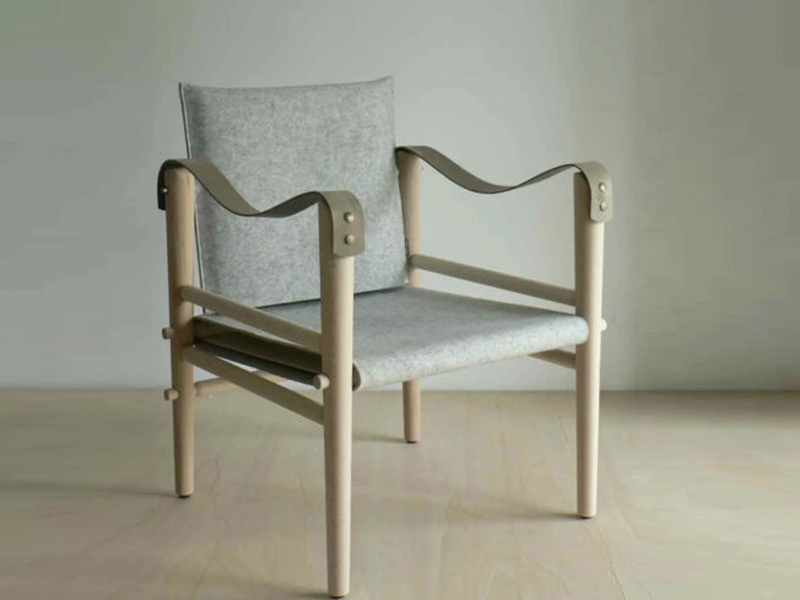
Fauteuil F1 Copenhague
May
The phrase Fauteuil F1 Copenhague sounds like something whispered by a stylish Parisian architect while adjusting a linen curtain. But behind the elegant name is a very practical object: a compact, design-forward lounge chair by Virginie Lobrot of Temps Libre. It blends French craft, safari-chair spirit, Scandinavian restraint, and the sort of quiet confidence that makes a room feel edited rather than decorated.
In English, “fauteuil” simply means armchair. Yet the Fauteuil F1 Copenhague is not just any armchair. It is a low, relaxed, wood-framed seat with felt upholstery, an inclined backrest, and proportions that make it useful in living rooms, bedrooms, reading corners, boutique hotels, and refined hospitality spaces. It is small enough to avoid bullying a room, but distinctive enough to make guests say, “Wait, where did you find that chair?”
This article explores what the Fauteuil F1 Copenhague is, why it appeals to lovers of minimalist furniture, how it connects to safari chair history, and how to style and care for it in a modern American home.
What Is the Fauteuil F1 Copenhague?
The Fauteuil F1 Copenhague is part of the Temps Libre furniture world created by French upholsterer-decorator Virginie Lobrot. Temps Libre is known for nomadic, adaptable seating made with natural materials, removable or changeable covers, and a relaxed indoor-outdoor spirit. The F1 Copenhague version is especially appealing because it softens the traditional safari-chair silhouette with felt and a restrained gray palette.
The chair’s listed construction includes a varnished beech or oak frame, felt armrests, felt seat, and felt back. Its backrest is inclinable, meaning it offers a relaxed angle rather than the stiff “sit up straight, your grandmother is watching” posture of many occasional chairs. The seat can be removable or fully glued, depending on configuration.
Key Specifications
- Designer/brand: Virginie Lobrot / Temps Libre
- Style: Compact lounge armchair with safari-chair influence
- Frame material: Varnished beech or oak
- Upholstery material: Felt on arms, seat, and back
- Color commonly associated: Gray / light gray
- Seat height: Approximately 34 cm, or about 13.4 inches
- Width: Approximately 57 cm, or about 22.4 inches
- Depth: Approximately 57 cm, or about 22.4 inches
- Height: Approximately 73 cm, or about 28.7 inches
- Weight: Approximately 6–7 kg, or 13–15 pounds
Those numbers matter. This is not a giant recliner that takes over the living room and requires its own ZIP code. It is compact, light, and visually airy. That makes it especially useful for apartments, reading nooks, layered living spaces, and rooms where every piece of furniture needs to earn its keep.
Why the Name “Copenhague” Matters
“Copenhague” is French for Copenhagen, and that name gives the chair an immediate design mood. Copenhagen is practically shorthand for thoughtful furniture, clean lines, human-centered proportions, natural materials, and interiors that feel calm without becoming boring. In other words, the city has mastered the art of making simplicity look expensive without screaming about it.
The Fauteuil F1 Copenhague fits neatly into that mood. It does not rely on heavy ornament, oversized padding, or dramatic curves. Instead, it works through proportion, material contrast, and restraint. The wood frame gives structure. The felt adds warmth and softness. The low seat invites a more casual posture. Together, the chair feels composed, relaxed, and quietly architectural.
The Safari Chair Influence
The Fauteuil F1 Copenhague sits in conversation with the safari chair tradition. The safari chair became a design icon because it combined portability, simple assembly, visible structure, and comfort. Danish designer Kaare Klint famously refined the safari chair into a modern design classic in the 1930s, and the type has influenced generations of lounge seating since.
What makes the safari-chair family so enduring is not nostalgia alone. It is the logic of the design. A safari-style chair often reveals how it is made: frame, seat, back, arms, tension, and balance. There is honesty in that. The Fauteuil F1 Copenhague borrows from this practical heritage while adding a softer, more contemporary personality through felt and refined proportions.
A Chair That Looks Light but Feels Intentional
Many lounge chairs try to communicate comfort by becoming bigger and puffier. The Fauteuil F1 Copenhague takes the opposite approach. It suggests comfort through angle, texture, and openness. The frame is visible. The seat is low. The silhouette feels relaxed but not sloppy. It is the furniture equivalent of a person who wears linen well: casual, but definitely not careless.
Materials: Beech, Oak, and Felt
Materials are the heart of this chair’s appeal. The Fauteuil F1 Copenhague uses wood and felt, two materials that feel natural, tactile, and timeless.
Beech or Oak Frame
Beech is widely used in furniture because it is strong, smooth, and dependable. It works well for frames and structural components, especially when the design needs clean lines and a refined finish. Oak, meanwhile, brings a more pronounced grain and a sense of weight, durability, and classic furniture character.
A varnished wood frame makes the chair easier to live with because the finish helps protect the surface while still allowing the material to remain visually warm. Whether beech or oak is chosen, the frame gives the chair its disciplined geometry.
Felt Upholstery
Felt gives the chair its quiet softness. Unlike shiny leather or heavily patterned upholstery, felt has a matte, muted surface that suits minimalist and Scandinavian-inspired interiors. It also adds a cozy layer without making the chair look bulky.
In interior design, wool felt and felt-like textiles are often valued for texture, warmth, and acoustic softness. In a room with wood floors, plaster walls, glass, or metal accents, felt can help visually and physically soften the atmosphere. It is the difference between “beautiful room” and “beautiful room where you actually want to sit down.”
Design Analysis: Why the Fauteuil F1 Copenhague Works
The Fauteuil F1 Copenhague works because it balances several design opposites at once. It is structured but relaxed. Compact but expressive. Rustic in material but refined in silhouette. French in origin but Copenhagen in spirit.
1. It Has Human Scale
At roughly 22.4 inches wide and deep, the chair has a modest footprint. This makes it useful in smaller rooms, where oversized lounge chairs can feel like furniture with commitment issues: they want the entire relationship to be about them.
The low seat height also changes the feeling of a space. Low lounge seating can make a room feel more grounded and informal. It invites slower activities: reading, chatting, listening to music, or pretending to read while scrolling through design inspiration.
2. It Uses Negative Space Well
Because the chair has an exposed frame, it allows visual space to pass through it. This is especially helpful in open-plan interiors or compact apartments. A visually heavy chair can block sightlines; the Fauteuil F1 Copenhague keeps things breathable.
3. It Blends with Multiple Styles
Although the name suggests Scandinavian influence, the chair is flexible. It can work in a rustic farmhouse interior, a minimalist city apartment, a coastal living room, a boutique hotel suite, or a warm modern home with stone, plaster, and linen textures.
How to Style the Fauteuil F1 Copenhague
Styling this chair is about respecting its quiet personality. It does not need dramatic accessories. It needs good company.
In a Living Room
Place the Fauteuil F1 Copenhague next to a low sofa, a small wood or stone side table, and a soft floor lamp. Because the chair is compact, it can create a secondary seating moment without crowding the main conversation area. A textured rug underneath will help anchor the grouping.
In a Reading Nook
This chair is an excellent candidate for a reading corner. Pair it with a slim bookshelf, a ceramic lamp, and a small tray table. Add a throw if the room needs warmth, but avoid piling on too many pillows. The chair’s frame and felt surfaces are part of the visual charm, so let them breathe.
In a Bedroom
In a bedroom, the Fauteuil F1 Copenhague can sit near a window, beside a wardrobe, or at the foot of the bed. It gives the room a practical landing place for reading, putting on shoes, or placing tomorrow’s outfit. Yes, it may eventually hold a sweater. That is not failure; that is furniture living an honest life.
In Hospitality Spaces
For boutique hotels, guest houses, and design-forward rental properties, the chair offers character without overwhelming the room. Its compact size, natural materials, and recognizable design language make it especially suitable for layered, editorial interiors.
Best Color Palettes for the Chair
The gray felt version of the Fauteuil F1 Copenhague is highly versatile. Gray can be cool, warm, industrial, rustic, or calm depending on what surrounds it.
Warm Minimalist Palette
Pair the gray felt with white oak, cream walls, oatmeal linen, and matte black lighting. This creates a warm minimalist look that feels polished but comfortable.
Nordic Coastal Palette
Use pale wood, chalky white paint, soft blue accents, woven baskets, and linen curtains. The result feels airy and relaxed, like a beach house that has never heard of plastic flamingos.
Modern Rustic Palette
Combine the chair with limewash walls, terracotta ceramics, aged brass, and a vintage rug. The chair’s clean structure keeps the room from becoming too nostalgic.
Gallery-Like Palette
For a more architectural look, use white walls, black accents, large-scale art, and simple sculptural lighting. The chair will read almost like a functional art object.
Who Should Consider the Fauteuil F1 Copenhague?
This chair is ideal for people who appreciate design but dislike furniture that shouts. It is also a strong choice for interiors where materials matter: wood, felt, linen, stone, clay, and other tactile surfaces.
You may love the Fauteuil F1 Copenhague if you want:
- A compact lounge chair with distinctive design character
- A piece inspired by safari-chair traditions
- Natural materials rather than plastic-heavy construction
- A chair that works in minimalist, rustic, or Scandinavian interiors
- A quiet statement piece for a reading corner or living room
- Furniture that feels crafted rather than mass-produced
Care and Maintenance Tips
Because the Fauteuil F1 Copenhague uses wood and felt, care should be gentle and consistent. Avoid treating it like outdoor patio furniture or a gym bench. It is sturdy, but it still deserves manners.
Protect the Wood Frame
Keep the chair away from direct, prolonged sunlight when possible. Strong sunlight can fade finishes and dry out wood over time. Also avoid placing it too close to heat vents, radiators, fireplaces, or rooms with extreme humidity swings.
Dust the frame with a soft, dry cloth. If deeper cleaning is needed, use a lightly damp cloth and dry the surface immediately. Avoid harsh chemical sprays and silicone-heavy polishes.
Care for the Felt
Vacuum felt gently with an upholstery attachment to remove dust and lint. Avoid aggressive brushing, rotary vacuum heads, or abrasive cleaning tools. For spills, blot immediately with a clean, dry cloth. Do not rub like you are trying to erase a bad email.
If the stain is significant, professional upholstery cleaning is safer than experimenting with random internet cleaning hacks. Felt and wool-like materials can react poorly to excess moisture, heat, or harsh cleaners.
Buying Considerations
Before buying or specifying the Fauteuil F1 Copenhague, consider where it will live and how it will be used. Its low seat and compact proportions make it excellent for lounging, accent seating, and visual layering, but it may not be the best primary chair for someone who needs higher seating or extra back support.
Think carefully about frame wood, upholstery color, and whether you prefer a removable or fixed seat. If the chair will be used in a high-traffic commercial setting, ask about durability, cleaning instructions, lead times, and replacement covers or components.
Fauteuil F1 Copenhague vs. Ordinary Accent Chairs
Many accent chairs are decorative first and useful second. They look charming in photos but feel suspiciously like a punishment when you sit in them. The Fauteuil F1 Copenhague is different because its design language comes from practical seating traditions.
The low lounge posture, exposed frame, and material simplicity give it purpose. It is not trying to imitate a club chair, wingback, slipper chair, or recliner. It has its own identity: relaxed, portable in spirit, and refined without being precious.
Experience Notes: Living With the Fauteuil F1 Copenhague
Spending time with a chair like the Fauteuil F1 Copenhague changes how you notice a room. At first glance, you may focus on the silhouette: the low frame, the simple arms, the soft gray felt, the quiet confidence. But after a few days, the more practical pleasures begin to show up.
The first experience is visual lightness. In a smaller living room, many lounge chairs feel like they are blocking the flow. This one feels more like an object placed in conversation with the room. You can see around it, through it, and past it. That matters in apartments, studios, and open-plan spaces where furniture must define zones without building invisible walls.
The second experience is texture. The felt does not behave like leather, cotton, or velvet. It has a dry softness that makes the chair feel calm. In a room with a wood floor, a linen sofa, and a simple floor lamp, the felt surface adds warmth without demanding attention. It is cozy in a disciplined way. Think “quiet luxury,” not “giant blanket fort,” although no judgment toward blanket forts.
The third experience is posture. Because the seat is low and the back inclines, the chair naturally encourages slower use. It is not the chair for typing a 40-slide presentation while drinking cold coffee at 1 a.m. It is the chair for reading, thinking, talking, or sitting with a record playing. It creates a small pause in the room.
The fourth experience is styling flexibility. Move it next to a sofa, and it becomes part of the main seating area. Place it by a window, and it becomes a reading chair. Put it in a guest bedroom, and it instantly makes the space feel designed rather than merely furnished. In a hospitality setting, it photographs beautifully because its frame creates lines and shadows that add depth to an interior image.
The fifth experience is restraint. The Fauteuil F1 Copenhague does not need a pile of accessories. In fact, too many extras can hide what makes it special. A small side table, a reading lamp, and perhaps one folded throw are enough. The best styling choice is often to stop before the chair starts looking like it is wearing a costume.
There is also a practical lesson: compact design can feel generous when proportions are right. The chair is not large, yet it feels complete. It proves that comfort does not always require bulk, and elegance does not require drama. That is the real charm of the Fauteuil F1 Copenhague. It behaves like a well-designed sentence: concise, balanced, and memorable.
Conclusion
The Fauteuil F1 Copenhague is a refined armchair for people who appreciate thoughtful design, natural materials, and quiet personality. With its varnished wood frame, felt upholstery, compact proportions, and safari-chair influence, it brings together French craftsmanship and Copenhagen-inspired restraint. It is not a loud centerpiece, but it can absolutely become the piece everyone notices.
For modern homes, boutique rentals, reading corners, and layered living rooms, this chair offers a rare combination: visual lightness, tactile warmth, and design credibility. It is proof that furniture does not have to be oversized to be comfortable or flashy to be memorable. Sometimes the best chair in the room is the one that simply knows exactly what it is doing.

