
Makeup
Traditional Tubs
May
A traditional tub is more than a place to rinse off the day. It is the bathroom’s grand pause button, the fixture that says, “Yes, this room has plumbing, but it also has manners.” Whether you picture a cast iron clawfoot bathtub, a graceful slipper tub, a polished porcelain alcove tub, or a deep freestanding soaking tub with vintage charm, traditional tubs bring warmth, history, and character into a space that can otherwise feel a little too shiny and clinical.
In modern bathroom design, the word “traditional” does not mean outdated. It means familiar proportions, durable materials, elegant silhouettes, and a sense of permanence. A traditional bathtub can look right at home in a Victorian house, a 1920s bungalow, a farmhouse renovation, a cottage-style bathroom, or even a new build that needs a little soul. Think rounded edges, enamel finishes, exposed feet, polished metal fixtures, subway tile, marble accents, beadboard walls, and a tub deep enough to make bath salts feel like a life strategy.
What Are Traditional Tubs?
Traditional tubs are bathtubs inspired by classic bathing designs from the 19th and early 20th centuries. They often emphasize comfort, craftsmanship, and visual presence rather than disappearing quietly into the wall. While contemporary tubs may focus on sharp lines and minimalism, traditional tubs usually feature softer curves, decorative bases, rolled rims, apron fronts, or exposed plumbing details.
The most recognizable example is the clawfoot tub, a freestanding bathtub raised on four decorative feet. Early versions were commonly made from cast iron with a porcelain enamel interior, creating a hard, glossy surface that was easier to clean than earlier metal or wooden bathing vessels. Today, traditional tubs are available in cast iron, acrylic, copper, porcelain-enameled steel, stone resin, and other materials, giving homeowners more choices than ever.
Why Traditional Tubs Still Matter in Modern Bathrooms
Bathrooms have changed dramatically. Showers are larger, storage is smarter, lighting is moodier, and everyone suddenly has strong opinions about grout. Yet traditional tubs continue to hold their place because they offer something practical trends cannot always deliver: emotional value. A beautiful bathtub can turn a bathroom from a utility zone into a retreat.
Traditional tubs also support the growing desire for wellness-focused design. Homeowners want bathrooms that feel calm, personal, and restorative. A long soak in a deep tub is simple, analog, and gloriously free of software updates. No app required. No password reset. Just hot water, quiet, and maybe a towel warmer if you are living correctly.
Popular Types of Traditional Tubs
Clawfoot Tubs
Clawfoot tubs are the celebrity of traditional bathtub design. Their raised feet often feature ball-and-claw, lion’s paw, or simpler decorative shapes. They work beautifully in bathrooms where the tub can be treated as a centerpiece rather than tucked away like a shy guest at a dinner party.
A clawfoot tub usually needs open floor space around it, exposed or floor-mounted plumbing, and thoughtful cleaning access. The reward is timeless drama. Pair one with polished nickel fixtures and white subway tile for a classic look, or choose matte black hardware and patterned floor tile for a more updated traditional style.
Slipper Tubs
A slipper tub has one raised end that supports the back and shoulders. A double slipper tub has raised ends on both sides, making it ideal for two-person bathing or for one person who wants to dramatically recline like they are waiting for a portrait painter.
Slipper tubs are especially popular in traditional and transitional bathrooms because they combine sculptural shape with real comfort. Their high backs make them excellent soaking tubs, especially when placed near a window, under a chandelier, or beside a small table for soap, candles, and the kind of book you pretend you will not drop in the water.
Pedestal Tubs
Pedestal tubs sit on a solid base rather than feet. They offer the freestanding elegance of a clawfoot tub but with a slightly cleaner, more grounded profile. This makes them a strong choice for homeowners who love traditional design but want fewer dust-catching spaces under the tub.
Pedestal tubs can feel refined and architectural. They pair well with marble floors, wainscoting, brass fixtures, and classic wall sconces. They also work nicely in bathrooms where a clawfoot tub might feel too ornate.
Alcove Tubs with Traditional Style
Not every traditional tub needs to stand in the middle of the room wearing fancy feet. Alcove tubs, installed between three walls, are practical classics. Many older American bathrooms used alcove tubs because they saved space, supported a shower-and-tub combination, and kept plumbing efficient.
A traditional alcove tub can look beautiful with a clean apron front, white enamel finish, subway tile surround, and polished chrome fixtures. For smaller bathrooms, it may be the smartest choice. You still get a classic bathtub experience without sacrificing half the floor plan to decorative ambition.
Drop-In and Undermount Tubs
Drop-in and undermount tubs can also lean traditional when surrounded by stone, tile, or paneled millwork. A drop-in tub rests inside a framed deck, while an undermount tub is installed beneath a finished surface for a sleeker edge.
These styles work best in larger bathrooms where the tub deck can become part of the design. Add marble, limestone-look tile, or painted wood paneling, and the result can feel like an old luxury hotelminus the tiny shampoo bottles that somehow smell like “generic blue.”
Best Materials for Traditional Tubs
Cast Iron
Cast iron is the classic heavyweight champion of traditional tubs. It is durable, solid underfoot, resistant to flexing, and often coated with porcelain enamel for a smooth, glossy surface. Once warmed, cast iron can help bathwater stay warm longer, which makes it popular for long soaks.
The main drawback is weight. Cast iron tubs can be very heavy, especially larger freestanding models. Before installing one on an upper floor or in an older home, it is wise to ask a qualified contractor or structural professional whether the floor can support the load. This is not the time for wishful thinking and a motivational quote.
Acrylic
Acrylic traditional tubs are lighter, often more budget-friendly, and available in many shapes. Modern acrylic clawfoot and slipper tubs can mimic vintage silhouettes while being easier to move and install than cast iron. Acrylic also feels warmer to the touch than metal, which is pleasant when the bathroom is chilly.
However, acrylic can scratch more easily than enamel and may not have the same heirloom feel as cast iron. It is a practical choice for homeowners who want traditional style without the weight, cost, or installation complexity of an old-school cast iron bathtub.
Porcelain-Enameled Steel
Porcelain-enameled steel tubs offer a glossy, traditional look at a lighter weight than cast iron. They are often used in alcove installations and can be a good fit for practical bathroom remodels. The enamel surface is easy to clean, but chips can expose the steel beneath, which may lead to rust if not repaired.
Copper
Copper tubs bring warmth, patina, and unmistakable personality. They are often used in farmhouse, rustic, or luxury traditional bathrooms. Over time, copper develops a living finish, meaning it changes color and character with age. Some people adore that. Others want everything to stay exactly the same forever, in which case copper may cause emotional turbulence.
Stone Resin and Cast Polymer
Stone resin and cast polymer tubs can offer a substantial feel with smooth, elegant shapes. While they are often associated with contemporary design, many models work well in traditional bathrooms when paired with classic finishes. They can be heavy, so installation planning matters.
Design Ideas for Traditional Tubs
Use Classic Tile
Subway tile, hex tile, basketweave tile, marble mosaic, and checkerboard floors all complement traditional tubs. White tile with dark grout creates a vintage utility look, while soft gray or cream grout feels calmer and more refined. If you want a little personality, try patterned cement-look tile on the floor and keep the tub area simple.
Choose the Right Faucet Finish
Polished chrome is timeless and easy to match. Polished nickel feels warmer and more historic. Brass adds richness and works beautifully with cream, green, navy, and warm white palettes. Oil-rubbed bronze can suit rustic or old-world bathrooms, though it may feel heavier in small spaces.
Add Wainscoting or Beadboard
Wainscoting, beadboard, and paneled walls give traditional bathrooms architectural texture. They are especially effective behind a freestanding tub, where a plain wall might look unfinished. Use moisture-resistant materials and proper ventilation so charm does not quietly become mildew with better PR.
Balance Old and New
The best traditional bathrooms avoid becoming theme parks. A clawfoot tub does not require lace curtains, a fainting couch, and a portrait of someone named Cornelius. Mix vintage-inspired elements with modern conveniences: heated floors, efficient ventilation, LED lighting, anti-scald valves, and storage that actually fits today’s shampoo bottles.
Installation Considerations Before Buying
Before falling in love with a traditional tub, measure everything. Measure the bathroom, doorways, staircases, hallways, and the route from the delivery truck to the final location. A bathtub may look graceful in a showroom, but it becomes much less graceful when wedged diagonally in a hallway while three adults debate geometry.
Plumbing placement is another major factor. Freestanding tubs may require floor-mounted faucets, wall-mounted faucets, or tub-mounted fixtures. Clawfoot tubs sometimes have faucet holes drilled into the tub wall or rim, but not always. Cast iron models cannot simply be drilled on-site the way some lighter materials can, so confirm faucet compatibility before purchase.
Also consider water capacity. Deep soaking tubs may require more hot water than a standard alcove tub. If your water heater is undersized, your “luxury soak” may become “lukewarm negotiation.” Check the tub’s capacity and compare it with your home’s hot water system before making a final decision.
Maintenance and Cleaning Tips
Traditional tubs can last for decades when cared for properly. Use gentle, non-abrasive cleaners for enamel and acrylic surfaces. Avoid harsh scouring pads, especially on glossy finishes. Rinse soap residue after bathing, dry areas where water tends to sit, and repair chips or cracks promptly.
For cast iron and porcelain enamel tubs, chips should be addressed quickly to prevent rust. Acrylic tubs can often be polished to reduce minor scratches. Copper tubs require material-specific care because acidic cleaners can change the finish. Always follow the manufacturer’s care instructions, even if your favorite cleaning influencer says vinegar fixes everything including heartbreak.
Traditional Tubs vs. Modern Tubs
Traditional tubs prioritize visual warmth, classic shapes, and long-term style. Modern tubs often emphasize clean lines, minimalist forms, and seamless integration. Neither is automatically better. The right choice depends on your home’s architecture, bathroom size, budget, and bathing habits.
Choose a traditional tub if you want character, decorative impact, and a softer design language. Choose a more modern tub if your bathroom leans minimalist, your space is tight, or you prefer a low-profile look. Many homeowners choose a hybrid approach: a traditional tub silhouette with modern fixtures, neutral tile, and updated lighting.
Are Traditional Tubs Good for Resale?
A well-chosen traditional tub can improve the perceived quality of a bathroom, especially in homes where classic design fits the architecture. In a historic house, a clawfoot or pedestal tub may feel authentic and desirable. In a primary bathroom, a deep soaking tub can support a spa-like atmosphere that many buyers appreciate.
Still, resale value depends on balance. Removing the only shower to install a dramatic freestanding tub may limit everyday function. In family homes, keeping at least one practical tub-shower combination is often wise. The safest design strategy is to combine beauty with usability: a tub that looks wonderful, cleans reasonably well, and does not require acrobatics to enter.
How to Choose the Right Traditional Tub
Start with the Room Size
For small bathrooms, consider a traditional alcove tub or a compact slipper tub. For medium bathrooms, a pedestal or smaller clawfoot tub may work. For large bathrooms, a freestanding cast iron or double slipper tub can become the centerpiece.
Think About Bathing Style
If you take quick baths, a standard-depth tub may be enough. If you love long soaks, choose a deeper model with comfortable back support. If two people may use the tub, look at double-ended or double slipper designs with a center drain.
Match the Home’s Character
A traditional tub should feel connected to the rest of the home. A clawfoot tub suits vintage, cottage, farmhouse, and eclectic interiors. A pedestal tub works well in classic and transitional spaces. A paneled alcove tub fits colonial, craftsman, and traditional suburban homes.
Plan the Surrounding Details
The tub is the star, but the supporting cast matters. Lighting, mirrors, hardware, tile, paint color, towel storage, and ventilation all affect the final result. A beautiful tub under bad lighting is like a movie star filmed by a security camera.
Common Mistakes to Avoid
One common mistake is buying a tub based only on appearance. Comfort matters. Sit in a showroom model if possible, or carefully study the slope, length, depth, and rim height. Another mistake is ignoring cleaning access around freestanding tubs. Leave enough room to mop, wipe, and retrieve the occasional fallen shampoo cap.
Homeowners also underestimate installation costs. Traditional tubs may require plumbing changes, floor reinforcement, special faucets, or professional handling. Finally, avoid choosing a tub that overwhelms the room. A bathtub should feel luxurious, not like it is trying to annex the vanity.
Experience-Based Insights: Living With Traditional Tubs
In real homes, traditional tubs create experiences that go beyond measurements and material charts. The first thing many homeowners notice is how much a traditional tub changes the mood of the bathroom. A clawfoot tub, for example, can make even a simple white room feel intentional. Add a small wooden stool, a folded linen towel, and a wall sconce, and suddenly the room looks less like “builder basic” and more like “quiet boutique inn where breakfast includes homemade jam.”
One common experience is the joy of slower bathing. Traditional tubs, especially deep soaking tubs, encourage people to take time. They are not usually designed for the fastest rinse before work. They are designed for evenings, sore muscles, winter weekends, and those moments when the calendar has behaved badly. A cast iron tub can feel especially comforting because of its solid presence. It does not creak or flex. It simply sits there like a loyal old dog, except heavier and less interested in snacks.
Another practical lesson is that traditional tubs reward planning. Homeowners who love their tubs often say the success came from thinking through the details early: where the faucet would go, how towels would be reached, whether the floor could handle the weight, and how easy the exterior would be to clean. A freestanding tub placed too close to the wall may look beautiful on day one and become annoying by week three, when dust gathers behind it like it is forming a tiny civilization.
Families often discover that traditional tubs can be both charming and useful. A lower alcove tub with a traditional apron front may be easier for bathing children than a tall freestanding model. On the other hand, a high-sided clawfoot tub may be wonderful for adults but less convenient for toddlers, older relatives, or anyone with mobility concerns. The best choice depends on who uses the bathroom every day, not just who likes the photo on a design board.
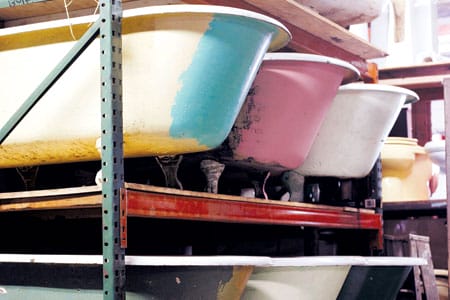
Vintage tub restoration is another experience worth mentioning. Salvaged clawfoot tubs can be gorgeous, but they may need reglazing, exterior refinishing, new feet, updated plumbing, or rust repair. The finished result can be spectacular, especially in an older home, but restoration is rarely as simple as “found a tub, placed tub, became design genius.” It takes patience, careful inspection, and often professional help.
Finally, traditional tubs tend to become memory-makers. They are where people unwind after moving day, soak after gardening, bathe kids after muddy adventures, or recover from long weeks with bubbles piled high enough to qualify as architecture. That emotional value is why traditional tubs remain popular. They are practical fixtures, yes, but they also bring ritual back into the bathroom. In a world of speed, screens, and constant notifications, a traditional tub quietly suggests a radical idea: stay awhile.
Conclusion
Traditional tubs remain beloved because they combine beauty, comfort, and history in one hardworking fixture. From cast iron clawfoot tubs to elegant slipper tubs, practical alcove tubs, and refined pedestal designs, there is a traditional bathtub for nearly every type of home. The key is choosing a tub that fits your space, supports your lifestyle, and complements your bathroom’s architecture.
For the best result, think beyond the tub itself. Consider material, weight, plumbing, faucet placement, water capacity, cleaning access, safety, and long-term maintenance. When all those details work together, a traditional tub can become the centerpiece of a bathroom that feels timeless rather than trendy. It may not solve every problem in life, but it can make a Tuesday night feel significantly more civilized.
Note: This article is intended for general design and renovation guidance. For structural support, plumbing changes, electrical work, ventilation, and code compliance, consult qualified local professionals before installing a traditional tub.
SEO Tags

