
Beauty Unlocked
The Fall Hummingbird Migration Has StartedSee When They’ll Arrive in Your Area With This Interactive Map
Aug
If the phrase fall hummingbird migration makes you do a double take while it still feels like peak summer, you are not alone. Hummingbirds operate on a schedule that seems slightly dramatic, impressively efficient, and frankly more organized than most group chats. Long before leaves start showing off and pumpkin-flavored everything invades store shelves, many hummingbirds have already begun moving south. That means late summer and early fall are prime time to watch for these tiny travelers as they fuel up, pass through neighborhoods, and vanish as quickly as they appeared.
One of the best tools for bird lovers right now is an interactive hummingbird migration map, especially the crowd-reported trackers that let you zoom in on your region and see where birds are showing up. These maps do not guarantee that a hummingbird will zip past your window at 8:13 a.m. on Thursday like a feathered appointment reminder, but they do offer a smart, real-world snapshot of migration timing. If you have ever wondered when hummingbirds will reach your area, when they tend to leave, and what you can do to help them during the trip, this is your guide.
Why Fall Hummingbird Migration Starts Earlier Than Most People Expect
Here is the first surprise: fall migration often starts in late July. Yes, July. While humans are still arguing about sunscreen, hummingbirds are already making travel plans. That early start is especially noticeable in adult males, which often depart before females and juveniles. The result is a migration season that stretches across weeks rather than happening all at once.
For many people in the eastern United States, the most familiar migrant is the ruby-throated hummingbird. In the West, the mix is more colorful and a bit more chaotic, in the best way. Depending on where you live, your fall visitors may include rufous, black-chinned, Anna’s, Allen’s, or Costa’s hummingbirds. Some western species are migrants, while others can remain year-round in mild climates. So when someone says, “The hummingbirds are leaving,” the honest answer is usually, “Some are, some are arriving from farther north, and some never got the memo.”
How the Interactive Map Helps You Track Hummingbirds Near You
The beauty of an interactive migration map is that it turns a giant continental event into something local and useful. Instead of reading broad predictions for the whole country, you can look for recent sightings near your city, region, or migration corridor. That matters because hummingbird movement is not identical from one place to another. Elevation, weather, species mix, flowering plants, and local habitat all influence what you see.
What the map actually shows
Most hummingbird maps rely on reported sightings, which means they function like a real-time community notebook. Birders, gardeners, and backyard feeder fans report what they saw and when they saw it. That gives the map a practical advantage: it reflects what people are actually noticing on the ground. It also means the map is best read as a living pattern, not an ironclad promise. A quiet patch on the map does not always mean no hummingbirds are present. Sometimes it just means nobody nearby reported one yet.
How to use it without overthinking it
Start broad, then zoom in. Look at your state or region first. Then watch for clusters of sightings that creep southward as the season progresses. Pay attention to species notes if the map includes them. In the East, a sighting is usually a ruby-throated hummingbird. In the West, species diversity is greater, so checking labels matters more. Then, use the map as a timing tool: if sightings are suddenly building in your area, clean the feeder, refresh the nectar, and prepare to become emotionally attached to a bird the size of a thumb.
When Hummingbirds Usually Reach Different Parts of the U.S. During Fall Migration
No interactive map can replace local observation, but regional patterns are still helpful. In general, the earliest southbound movement begins in the North and interior West, then gradually shifts through the Midwest, Northeast, South Atlantic, Gulf Coast, and parts of the Southwest as the season unfolds.
Northeast and Upper Midwest
In these regions, late August through September is often the sweet spot for noticing movement. Some birds start earlier, but this is when many backyards suddenly become rest stops. If your feeder seemed quieter in midsummer and then busy again later, you may have been seeing migrants from farther north passing through.
Southeast and Gulf Coast
The Southeast plays a double role in migration: it is home to summer breeders and a major passage zone for birds moving south. By late summer, hummingbirds are still present in many yards, but the lineup changes over time. Along the Gulf Coast, some ruby-throated hummingbirds prepare for one of the boldest journeys in bird migration, crossing or skirting the Gulf of Mexico on their way toward wintering grounds.
Texas and the South-Central U.S.
Texas is hummingbird country in capital letters. Fall can bring a wide range of species and a longer viewing window than in many northern states. Some birds continue through, while others linger in the state’s nectar-rich landscapes. If you live here, migration can feel less like a quick cameo and more like a rolling festival.
Mountain West and Pacific states
The western migration picture is more complex. Rufous hummingbirds are famous for their long journeys, and many move along interior mountain routes and so-called nectar corridors, following blooming resources. Along the Pacific Coast, Anna’s hummingbirds may remain year-round in some areas, which means the “arrival” story depends heavily on which species you are watching.
Which Hummingbirds You’re Most Likely to See
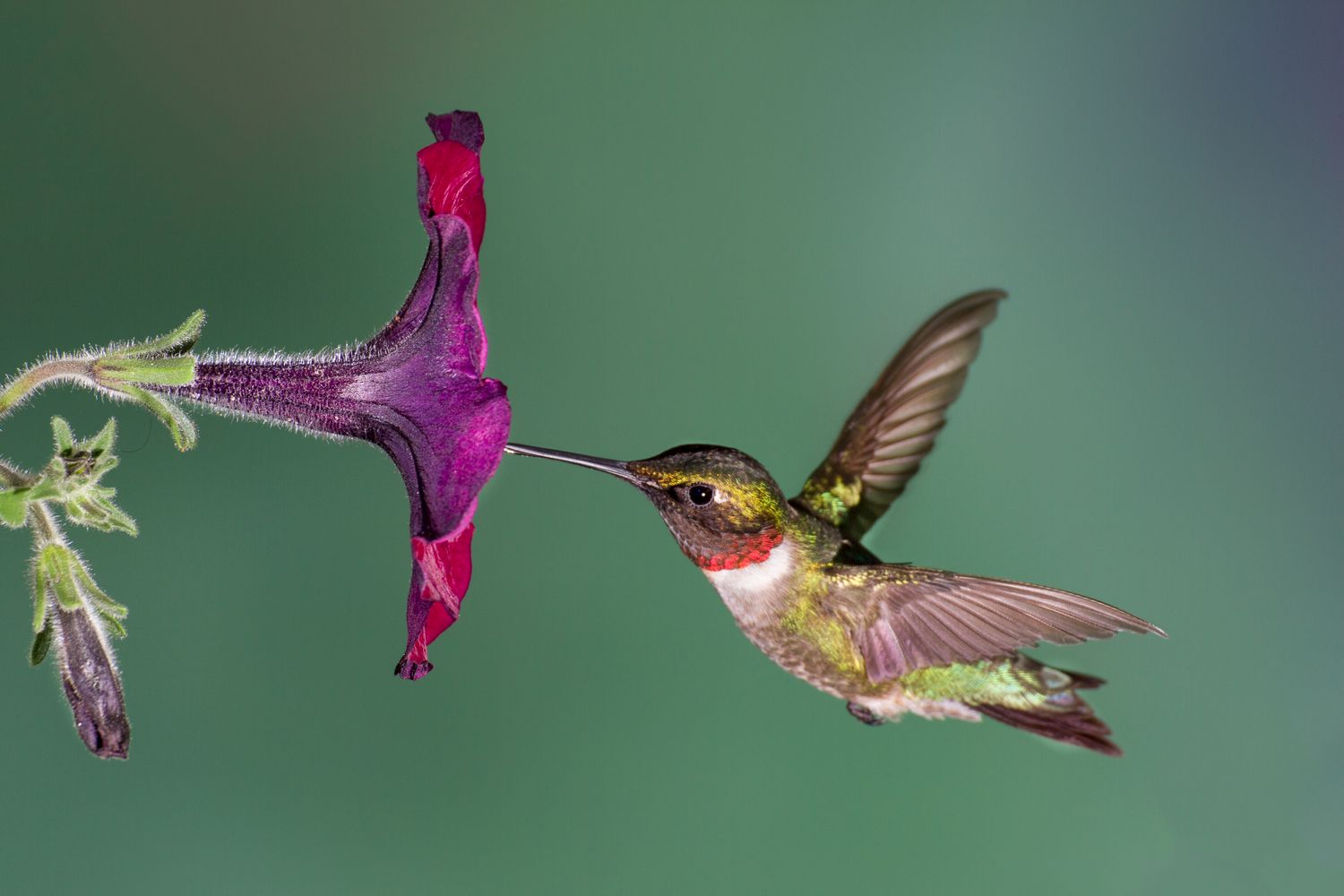
If you are in the eastern half of the country, the ruby-throated hummingbird dominates the conversation. It is the familiar backyard spark plug of summer and fall, and many individuals migrate extraordinary distances. Some even cross the Gulf of Mexico in a nonstop flight, which is the kind of overachieving behavior that makes the rest of us feel lazy for complaining about airport layovers.
In the West, rufous hummingbirds are among the headline acts. They are small, fiery, and known for long migrations relative to their body size. Black-chinned hummingbirds are common in many western inland areas, while Anna’s hummingbirds are the year-round wild cards in portions of California and nearby regions. Depending on your location, Allen’s and Costa’s hummingbirds may also enter the picture.
What Actually Triggers Migration
Many people assume colder weather sends hummingbirds packing. Temperature plays a role, but it is not the whole story. Day length is one of the strongest cues. As the days shorten, hummingbirds experience internal hormonal and behavioral changes that push them toward migration. Food availability and weather conditions matter too, especially for timing stopovers and fueling behavior, but a backyard feeder does not override those internal signals.
That is why the old myth about feeders “making hummingbirds stay too long” does not hold up. A feeder is more like a pit stop than a permanent lease agreement. Migrating birds use it to build energy reserves, then continue on their way when their biological timing says go.
How to Help Hummingbirds During the Fall Migration
Keep feeders up longer than you think
One of the best things you can do is leave a clean feeder up for at least two weeks after you see your last hummingbird. That gives late migrants and unexpected visitors a reliable food source. In some southern and western regions, feeders may stay useful much longer.
Use the right nectar recipe
Skip the neon mystery syrup. The standard homemade recipe is plain white sugar and water. No red dye. No honey. No sports-drink energy experiment. Keep it simple and fresh. In warm weather, change nectar frequently and clean feeders thoroughly so you do not create a microbial nightmare disguised as hospitality.
Plant for migration, not just decoration
Feeders help, but native flowering plants matter too. Hummingbirds also need insects and spiders for protein, especially during breeding and migration. A yard packed with native blooms, layered vegetation, and fewer pesticides supports more than a quick sugar stop. It creates a real refueling station.
Make the yard safer
Fresh nectar is wonderful, but safety matters just as much. Window collisions, outdoor cats, and neglected feeders all create risks. A hummingbird-friendly yard should be clean, calm, and low on hazards. Tiny bird, giant travel schedule, zero time for nonsense.
Common Myths That Deserve to Be Retired
Myth 1: If you leave the feeder up, hummingbirds will not migrate.
False. Migration is strongly tied to day length and internal biological rhythms.
Myth 2: Once your summer birds disappear, the season is over.
Also false. In many places, migrants from farther north arrive after local birds have already moved on.
Myth 3: Hummingbirds only need nectar.
Not true. They also consume insects and spiders, which supply important protein and nutrients.
Myth 4: Every part of the country follows the same migration calendar.
Absolutely not. Species, climate, elevation, and local habitat change the schedule a lot.
What the Map Cannot Tell You
Interactive maps are excellent tools, but they still have limits. They cannot account for every backyard, every flower patch, every storm front, or every bird that sneaks through quietly at dawn. They also cannot fully predict how weather events will alter short-term movement. A cold front, heavy rain, heat wave, or burst of late flowers can shift activity in ways that make one week feel empty and the next feel electric.
That is why the smartest approach is to combine the map with your own observations. Watch your feeder traffic. Notice which flowers bloom when migration is picking up. Pay attention to how the birds behave. Are they lingering longer at feeders? Chasing harder? Visiting in quick bursts and disappearing? Those clues often tell you just as much as the dots on the map.
The Real Experience of Fall Hummingbird Migration
Fall hummingbird migration is one of those natural events that can make a regular backyard feel strangely cinematic. You step outside with a coffee, expecting nothing more exciting than a stubborn squirrel on the fence, and suddenly a hummingbird appears beside the feeder like a tiny helicopter with trust issues. It hovers, drinks, flashes in the sun, and vanishes. Ten minutes later, another one shows up. Then two seem to argue in midair over a flower that definitely did not look worth fighting over five minutes ago. By the end of the week, you realize migration is not just a biological process. It is a mood.
For many people, the experience starts with confusion. The feeder was busy in early summer, then quiet, then busy again. It feels random until you realize you are seeing waves: local birds, then fewer birds, then migrants from farther north using your yard as a refill station. That change gives fall migration a special charm. Spring feels like an arrival story. Fall feels like a passing story. The birds are not settling in. They are moving with purpose, and you are lucky enough to witness a few pages of the journey.
There is also something oddly humbling about how much drama can fit into such a tiny body. A migrating hummingbird may have already traveled farther than most people do on vacation, yet it still has time to glare at another bird for approaching the feeder from the wrong angle. They are fierce, impatient, and beautiful. Watching them can turn even casual gardeners into neighborhood naturalists. Suddenly, people are comparing first sightings, texting photos to family members, and standing motionless near the salvia like amateur wildlife documentarians.
The best migration moments are often small ones. A juvenile bird hesitating before trying the feeder. A flash of coppery feathers at sunset. A familiar route between a bee balm patch and the sugar-water feeder. The strange silence after a busy week, when you realize the travelers have moved on. That empty moment is part of the experience too. It is the reminder that migration is not just about presence. It is about timing, movement, and brief connection.
Interactive maps add another layer of enjoyment because they turn private backyard sightings into a shared seasonal story. You are not just watching one bird in one yard. You are seeing your local experience connect to a continent-wide movement. A dot appears in your state, then another farther south, then a cluster along the coast, and suddenly the whole journey feels visible. Not perfectly visible, of course, but visible enough to make you appreciate the scale of what these birds are doing.
And that may be the best reason to follow fall hummingbird migration at all. It combines science, wonder, routine, surprise, and just enough unpredictability to keep you checking the feeder one more time before heading inside. The map gives you data. The birds give you the thrill. Together, they turn late summer and early fall into one of the most rewarding seasons for backyard birding.
Final Takeaway
If you want to know when hummingbirds will arrive in your area during the fall migration, an interactive map is one of the smartest tools you can use. It helps you track real sightings, understand regional timing, and prepare your yard before the action peaks. But the map works best when paired with simple habits: keep feeders clean, leave them up a little longer, plant hummingbird-friendly flowers, and pay attention to what is happening in your own patch of the world.
Fall hummingbird migration is not a single date on a calendar. It is a rolling, fast-moving season shaped by species, geography, and weather. The earlier you start watching, the better your odds of seeing these tiny athletes in action. And when one finally appears, wings buzzing, attitude fully activated, you will understand why so many bird lovers treat migration season like a holiday.

