
Body Care
3 Ways to Have a Better Relationship With a Younger Brother
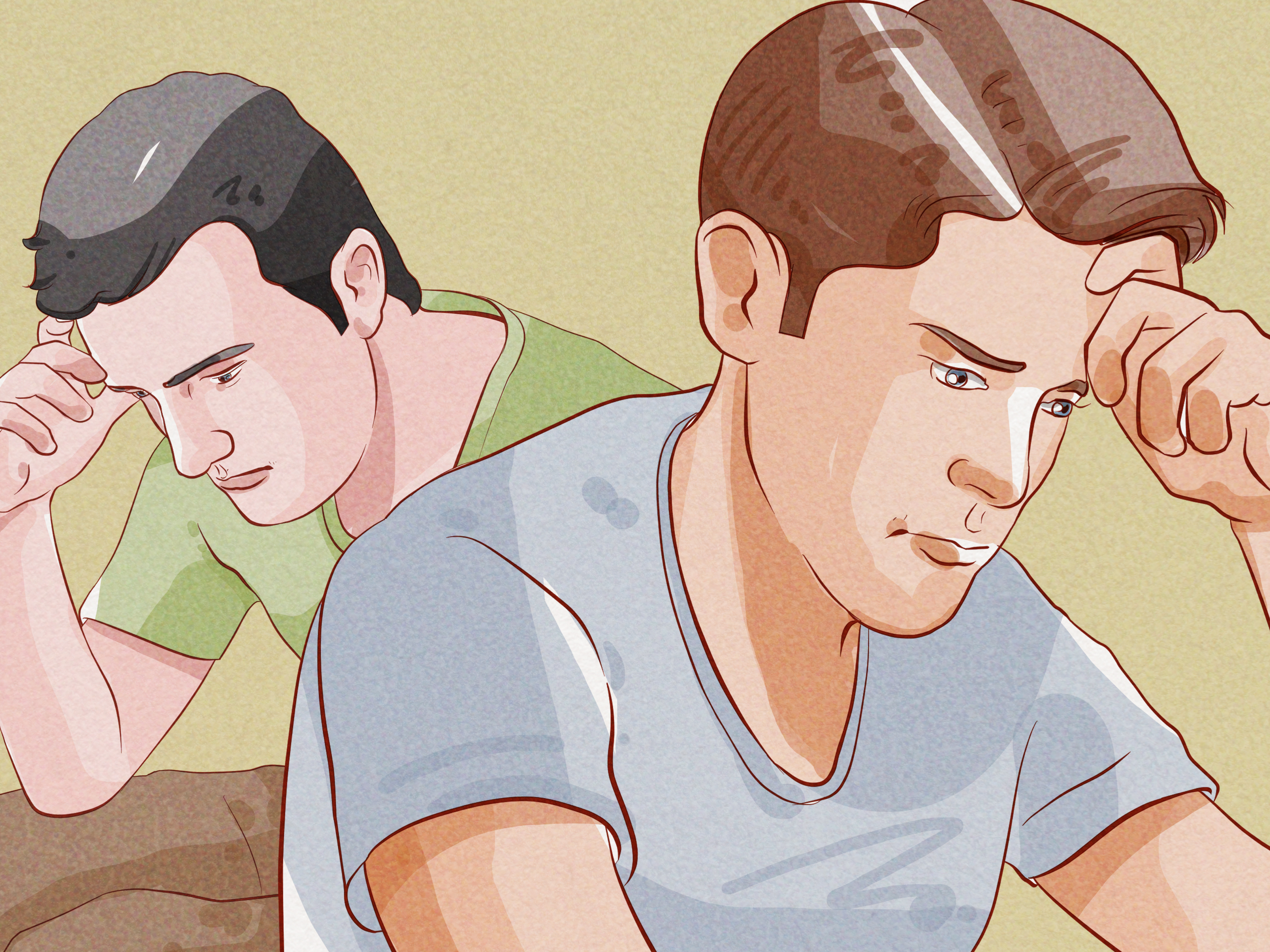
Aug
Your younger brother may be the person who knows your childhood nickname, your most embarrassing haircut, and exactly how to push one mysterious button that turns you into a grumpy raccoon. That does not automatically make him your enemy. In fact, a better relationship with a younger brother can become one of the most reliable, funny, and meaningful connections in your life.
Sibling relationships are rarely smooth from start to finish. Brothers compete for attention, argue over privacy, borrow things without asking, and occasionally communicate almost entirely through annoying noises. But a strong sibling bond does not require you to become best friends who share every thought, snack, and streaming password. It requires respect, better communication, and a willingness to stop treating each other like permanent versions of your childhood selves.
Whether your brother is still in elementary school, navigating the chaos of adolescence, or technically an adult who still leaves one sock in the living room, these practical strategies can help you build a closer, healthier relationship.
Why Your Relationship With a Younger Brother Matters
A younger brother is often one of the first people you learn to negotiate with. You may learn how to share space, recover after arguments, defend someone you find irritating, and care about a person whose personality is completely different from yours. That is a lot of emotional training for a relationship that may begin with fighting over the last chicken nugget.
A healthy brotherly relationship can provide support during school stress, family changes, career struggles, breakups, and other difficult seasons. It can also give both of you a sense of continuity. Friends may move, jobs may change, and fashion choices may become regrettable, but siblings share a history that nobody else can fully recreate.
The goal is not perfection. A better relationship with your younger brother means fewer unnecessary power struggles, more trust, and a stronger ability to repair the connection when life gets messy.
1. Stop Acting Like His Second Parent and Start Becoming a Trusted Ally
Older siblings often slide into the role of unofficial manager, critic, referee, and emergency life coach. Sometimes that happens because you care. Sometimes it happens because you genuinely believe your brother cannot survive without your wisdom about laundry, dating, or how to load a dishwasher correctly.
Unfortunately, too much “help” can feel like control. A younger brother may hear advice as criticism, especially if he already feels compared to you or treated as the family’s permanent rookie.
Ask Before Giving Advice
One of the fastest ways to improve sibling communication is to ask a simple question before offering solutions: “Do you want advice, help, or just someone to listen?”
That question changes the whole conversation. It tells your brother that you respect his ability to make choices. He may still want your opinion, but he is more likely to hear it when it does not arrive disguised as a lecture with a side of disappointment.
For example, imagine your younger brother complains about a difficult boss. Instead of jumping in with, “You should quit,” try this:
“That sounds frustrating. Do you want to vent, or do you want me to help you think through what to do next?”
That response creates room for him to decide what he needs. Sometimes people do not want a five-step strategy. Sometimes they want confirmation that their boss is, in fact, behaving like a malfunctioning office printer.
Respect What He Is Good At
Being older does not automatically make you better at everything. Your younger brother may understand technology, sports, music, investing, cooking, gaming, social media, or a dozen other things more deeply than you do. Let him be the expert sometimes.
Ask him to teach you something. Let him recommend a movie, choose the restaurant, explain a hobby, or help you solve a problem. This may sound small, but it shifts the dynamic from “older sibling versus younger sibling” to “two people who both have something valuable to offer.”
Respect is easier to build when it is visible. Telling your brother, “You are really good at this,” can matter more than you realize, particularly if he has spent years feeling like he lives in your shadow.
Replace Criticism With Clear Boundaries
Being supportive does not mean accepting every annoying behavior with a peaceful smile and a ceremonial robe. You are allowed to set boundaries. The difference is in how you say it.
Instead of: “You are so irresponsible. You always take my stuff.”
Try: “I am happy to lend you my charger, but I need you to ask first and return it by tonight.”
This approach focuses on the behavior, not his character. It is direct without being insulting. It also gives him a clear path to do better instead of leaving him with the vague feeling that he has failed the International Brotherhood Exam.
2. Build Connection Around What He Actually Enjoys
A lot of sibling relationships become distant because both people assume closeness must happen naturally. They wait for a deep conversation, a major family event, or some dramatic movie moment where one brother appears at the airport just before the plane leaves.
Real connection is usually less cinematic. It grows through repeated, low-pressure moments: a shared joke, a late-night snack run, a game, a weekly call, or sending each other ridiculous videos that make absolutely no sense to anyone else.
Create Small Traditions That Belong to Both of You
You do not need an elaborate brotherhood ceremony involving candles and matching jackets. A simple recurring ritual can be enough. Consider a weekly coffee run, a monthly basketball game, an ongoing gaming session, a regular phone call, or a tradition of trying new food together.
The key is consistency. A ten-minute check-in every Sunday can feel more meaningful than one giant emotional conversation every two years. Small traditions create a reliable opening for connection, especially when life gets busy.
For younger brothers who still live at home, this could mean watching one show together, walking the dog, cooking dinner once a week, or working on a project. For adult siblings living apart, it may be a shared online game, a sports chat, a playlist exchange, or a standing “How is life, really?” text message.
Enter His World Without Taking It Over
If your younger brother loves something you do not fully understand, show curiosity instead of judgment. You do not have to become a fan of every game, song, sport, or internet trend he enjoys. You just need to show that his interests are not automatically ridiculous because they are not yours.
Try questions like:
- “What do you like most about it?”
- “How did you get into this?”
- “Who is your favorite player or creator?”
- “Can you show me how this works?”
These questions are better than saying, “I do not get it,” followed by a dramatic sigh. Curiosity tells him that you want to know him as he is now, not just as the kid who used to steal your cereal.
Use Humor Carefully, Not Cruelly
Humor can be one of the strongest tools for improving a sibling relationship. Shared jokes create closeness, reduce tension, and make ordinary moments more memorable. However, teasing is only funny when both people are laughing.
A joke becomes a problem when it targets a real insecurity, embarrasses your brother in front of others, or keeps repeating after he has asked you to stop. The “I was just joking” defense has saved approximately zero relationships in human history.
Good sibling humor makes both brothers feel included. Mean humor turns one brother into the punchline and the other into an unpaid stand-up comedian with terrible reviews.
3. Learn to Fight Fair and Repair Faster
Conflict is normal in family relationships. The problem is not that you and your younger brother disagree. The problem is when every disagreement turns into a courtroom drama about who was annoying in 2014.
Learning how to handle conflict can improve your relationship more than trying to avoid every disagreement. You will not always agree about money, family responsibilities, privacy, borrowed belongings, dating choices, or who really started the argument. But you can disagree without making the relationship feel unsafe.
Do Not Argue When Both of You Are Overheated
When voices rise and sarcasm begins sprinting around the room, take a pause. Say something simple:
“I am too irritated to talk about this well right now. Let’s come back to it later.”
Taking a break is not avoiding the issue. It is preventing the conversation from becoming a pile of words you will both regret. A pause works best when you actually return to the topic later instead of pretending it disappeared into another dimension.
Talk About the Problem, Not His Entire Personality
Statements like “You are lazy,” “You never care,” or “You always ruin everything” make people defensive. They also turn one specific problem into a verdict on someone’s whole identity.
Use more precise language instead:
“I felt dismissed when you interrupted me in front of everyone.”
“I need you to tell me if you are going to use my car.”
“I was hurt when you joked about that in front of our cousins.”
Specific language gives your brother something concrete to understand and respond to. It may not make him instantly agree, but it makes a productive conversation more likely.
Apologize Without Adding a Tiny Escape Hatch
A real apology does not include phrases like “I am sorry you feel that way,” “I was joking,” or “But you made me mad first.” Those phrases are less like apologies and more like emotional coupons with confusing restrictions.
A stronger apology has three parts:
- Name what you did.
- Acknowledge the impact.
- Explain what you will do differently.
For example: “I am sorry I mocked you in front of our friends. That was embarrassing and unfair. I will not bring that up again.”
Apologies do not erase everything immediately, but they show maturity and create a safer relationship over time. Your younger brother may not respond perfectly in the moment. That does not make the apology less worthwhile.
Age-Specific Tips for Getting Along With a Younger Brother
If He Is a Child
Keep your expectations realistic. Younger children are still learning emotional regulation, sharing, patience, and the astonishingly difficult skill of not touching things that are clearly labeled “Do Not Touch.” Use simple language, include him in games when appropriate, and praise him when he behaves kindly or responsibly.
Give him choices when possible. “Do you want to play basketball or go for a bike ride?” works better than, “What do you want to do?” when his answer is likely to be “I do not know” followed by a cartwheel into a lamp.
If He Is a Teenager
Teenage years are a strange mix of wanting independence and still needing support. Respect his privacy, avoid embarrassing him in front of friends, and do not assume every quiet moment means he is angry with you.
Offer support without forcing conversation. A quick “I am here if you need anything” can mean more than an interrogation that begins with, “Why are you acting weird?”
If He Is an Adult
Adult siblings often need to renegotiate old roles. You may still see him as the little brother who needed help tying his shoes, while he sees himself as a capable adult with his own priorities. Let the relationship evolve.
Ask about his goals, listen without correcting every decision, and make space for differences in lifestyle, politics, work, relationships, or family expectations. Being close does not require being identical.
Habits That Quietly Damage a Relationship With a Younger Brother
Some sibling problems are loud, but others happen through small habits repeated over time. Watch for these relationship traps:
- Comparing him to yourself, other siblings, or friends.
- Bringing up old mistakes every time you argue.
- Making him the family joke in front of other people.
- Giving advice when he asked only to be heard.
- Expecting him to stay in the “little brother” role forever.
- Assuming he knows you care without ever saying or showing it.
- Ignoring serious behavior such as bullying, threats, intimidation, or violence.
Healthy sibling relationships need boundaries as well as affection. If there is ongoing aggression, emotional abuse, threats, or physical harm, prioritize safety and seek support from a trusted adult, counselor, therapist, school professional, or other qualified resource. Being brothers does not mean either person must tolerate harmful behavior.
Real-Life Experiences: What a Better Brother Relationship Can Look Like
Many people assume a better relationship with a younger brother must begin with a huge, emotional conversation. Sometimes that happens. More often, it starts with one smaller decision: choosing not to react the way you usually do.
Consider the older brother who used to correct everything his younger brother said. If his brother talked about changing majors, he offered a lecture. If his brother complained about money, he made a budget. If his brother mentioned a relationship problem, he delivered an opinion so quickly it practically arrived before the story was finished.
Eventually, the younger brother stopped sharing much. The older brother assumed he was becoming distant or secretive. In reality, he was tired of feeling like every conversation ended with a report card. The relationship improved when the older brother started asking, “Do you want me to listen, or do you want feedback?” The change felt almost too simple, but it created space for real conversations again.
Another common experience involves teasing. Brothers often build their relationship around jokes, playful insults, and ridiculous stories from childhood. That can be wonderful. But teasing becomes damaging when one brother is always the target. A younger brother may laugh along at family dinners while privately feeling embarrassed or dismissed.
In one familiar pattern, an older sibling realizes that a joke about his brother’s appearance, job, dating life, or mistakes lands differently when other relatives are around. The repair is not complicated, but it requires humility. He can say, “I thought I was being funny, but I can see I embarrassed you. I am sorry.” That moment may feel awkward, yet it communicates something powerful: your relationship matters more than getting a laugh.
Shared activities also make a bigger difference than people expect. Two brothers may not be naturally talkative, especially if emotional conversations feel unfamiliar. But they may open up while driving somewhere, fixing something, playing a sport, cooking, gaming, fishing, or watching a game together. Side-by-side time often feels less intense than face-to-face conversation. It gives both people something to do with their hands while the real conversation slowly sneaks in through the side door.
There is also the experience of growing apart temporarily. A younger brother may become busy with school, friends, work, dating, or moving to a new city. That distance does not always mean the relationship is broken. Sometimes it means both brothers are becoming adults and learning how to stay connected in a new way.
A short text, a funny photo, a birthday call, or an invitation to grab food can keep the door open. You do not have to force closeness. You simply show that the connection is available. Over time, those small gestures can become the foundation for a relationship that feels less like obligation and more like genuine friendship.
Conclusion: A Better Relationship Starts With Small Changes
Building a better relationship with a younger brother does not require you to become perfect, overly sentimental, or suddenly interested in every hobby he has ever loved. It requires a few steady choices: respect him as his own person, create shared moments, and handle conflict in a way that protects the relationship instead of trying to win the argument.
Your younger brother may always know how to annoy you in ways no other person can. That is partly because he has had years of practice. But he can also become someone who understands your history, supports you during hard times, and makes life more fun in a way few other people can.
The best sibling bond is not one without arguments. It is one where both brothers know they can be honest, apologize when necessary, laugh often, and keep choosing each other after the argument is over.
Note: This article is based on established family-relationship guidance and research on sibling communication, conflict resolution, emotional regulation, healthy boundaries, and supportive family relationships.

