
Hair Care
Winter Rash: What It Is and Treatments
Jul
Winter can be charming in theory: cozy sweaters, warm drinks, sparkling snow, and the heroic belief that one pair of gloves will somehow survive the whole season. Then your skin enters the chat. Suddenly your hands feel like sandpaper, your shins itch like they have personal grudges, and your face starts flaking as if it is auditioning for a snow globe.
That uncomfortable seasonal irritation is often called a winter rash. It is not always one single medical diagnosis. Instead, it usually describes dry, itchy, irritated, or inflamed skin that flares when cold air, low humidity, indoor heating, hot showers, harsh soaps, and heavy clothing team up like tiny villains. The medical neighborhood includes dry skin, also called xerosis, winter itch, eczema flare-ups, irritant contact dermatitis, and sometimes other skin conditions that need a closer look.
The good news? Most winter rash symptoms improve with a smarter skin-care routine, gentle products, and a little less “boiling lobster” energy in the shower. The better news? You do not need a 17-step routine or a bathroom shelf that looks like a luxury chemistry lab. You need consistency, moisture, protection, and a clear idea of when to call a healthcare professional.
What Is a Winter Rash?
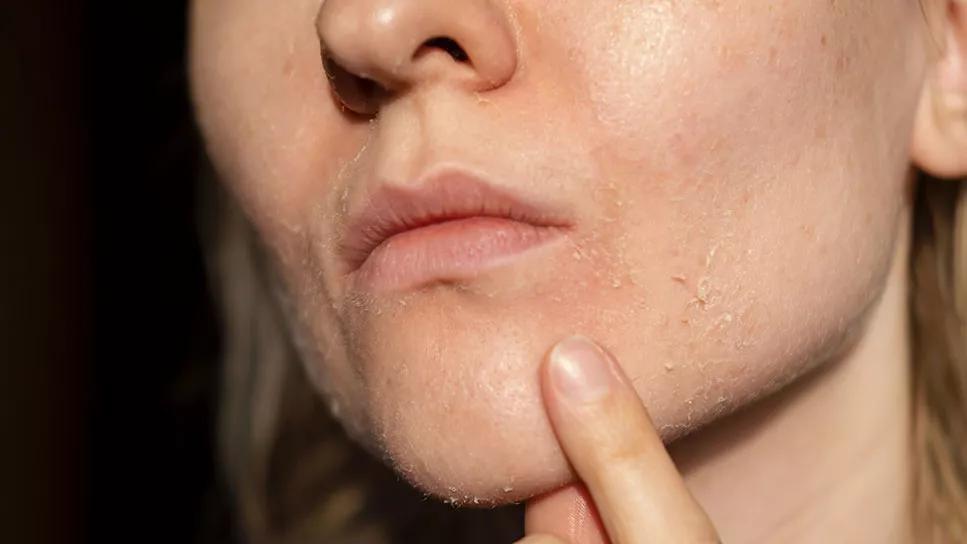
A winter rash is a common term for skin irritation that appears or worsens during cold-weather months. It often shows up as dry, rough, itchy, flaky, scaly, red, pink, brown, gray, purple, or darker patches, depending on your skin tone and the underlying cause. It may appear on the hands, arms, legs, face, feet, elbows, knees, or anywhere skin is exposed to cold air, frequent washing, friction, or dry indoor heat.
At its simplest, winter rash happens when the skin barrier loses too much water and oil. Your skin barrier is like the body’s very underrated security guard. It helps keep moisture in and irritants out. When winter strips away natural oils, that barrier becomes less effective. Moisture escapes, irritants sneak in, and itching begins. Scratching then damages the barrier further, creating a loop that can feel impossible to ignore.
Common Symptoms of Winter Rash
Winter rash symptoms can range from mildly annoying to deeply distracting. Some people only notice a little tightness after showering. Others deal with intense itching, rough patches, cracked knuckles, or eczema flare-ups that make sleep harder.
Typical signs include:
- Dry, tight, rough, or flaky skin
- Itching, especially after bathing or at night
- Redness or discoloration
- Fine scaling or peeling
- Small bumps or irritated patches
- Cracked skin, especially on hands, heels, or lips
- Burning or stinging after applying certain products
- Thickened skin from repeated scratching
Winter rash is often more noticeable on the lower legs and hands. The lower legs have fewer oil glands than some other areas, while hands suffer through constant washing, sanitizer, cold air, dish soap, and the occasional heroic attempt to shovel snow without proper gloves. Hands deserve better. Truly.
What Causes Winter Rash?
Winter rash usually has more than one trigger. Cold weather starts the problem, but daily habits often keep it going. The main issue is water loss from the outer layer of the skin, combined with irritation and inflammation.
1. Cold Air and Low Humidity
Cold air holds less moisture than warm air. When outdoor humidity drops, water evaporates from your skin more quickly. Wind can make this worse by stripping away protective oils. That is why a five-minute walk to the mailbox in January can leave your cheeks feeling like they just attended a desert retreat.
2. Indoor Heating
Indoor heating keeps humans functional, but it can turn the air in your home into a dryness machine. Furnaces, space heaters, fireplaces, and heated offices reduce indoor humidity. The result is skin that feels tight, itchy, and more reactive by the end of the day.
3. Hot Showers and Long Baths
A hot shower feels amazing in winter. Unfortunately, your skin does not always agree. Hot water removes natural oils and can damage the skin barrier. Long showers make the problem worse, especially when paired with harsh soap. Your soul may want steam-room drama; your skin wants lukewarm water and efficiency.
4. Harsh Soaps, Fragrance, and Detergents
Fragrance, dye, strong cleansers, deodorant soaps, alcohol-based toners, and heavily scented laundry detergents can irritate already dry skin. In winter, products that were tolerable in July may suddenly sting in January. This is not betrayal. It is barrier damage.
5. Wool and Rough Fabrics
Winter clothing can be cozy, but rough fabrics may rub against dry skin and trigger itching. Wool sweaters are famous for looking charming while secretly acting like tiny cactus blankets. If wool bothers you, wear a soft cotton layer underneath or choose smoother fabrics.
6. Existing Skin Conditions
People with eczema, psoriasis, sensitive skin, allergic contact dermatitis, or a history of dry skin may notice more flares in winter. Eczema is especially linked with a weaker skin barrier, which makes moisture loss and irritation more likely.
7. Aging and Certain Health Factors
Skin naturally produces less oil with age, which can make dryness more common. Some medications and health conditions may also contribute to dry, itchy skin. If dryness is severe, new, widespread, or not improving with basic care, it is worth discussing with a healthcare provider.
Is Winter Rash the Same as Eczema?
Not always. Winter rash can be simple dry skin, but it can also be an eczema flare. Eczema, also called atopic dermatitis, is a chronic inflammatory skin condition that causes dry, itchy, irritated patches. Winter can aggravate eczema because cold air, low humidity, and indoor heating weaken the skin barrier.
Winter rash may also resemble irritant contact dermatitis, which happens when the skin reacts to something irritating, such as soap, detergent, cleaning products, sanitizer, or certain fabrics. Allergic contact dermatitis is different: it involves an immune reaction to a specific allergen, such as fragrance, nickel, preservatives, or plants.
The difference matters because treatment depends on the cause. Plain dryness may respond beautifully to moisturizer. Eczema may need anti-inflammatory medication. Contact dermatitis may require avoiding the trigger. When in doubt, a dermatologist can help identify what is actually happening instead of letting your bathroom cabinet become a guessing game with labels.
How to Treat Winter Rash at Home
Most mild winter rash improves with consistent home care. The goal is simple: restore moisture, calm irritation, protect the skin barrier, and stop the itch-scratch cycle before your fingernails start making executive decisions.
1. Switch to a Thick, Fragrance-Free Moisturizer
For winter rash, thicker is usually better. Ointments and creams generally work better than thin lotions because they seal in moisture more effectively. Look for ingredients such as petrolatum, mineral oil, glycerin, ceramides, hyaluronic acid, dimethicone, shea butter, or colloidal oatmeal.
Apply moisturizer at least twice daily, and always after washing hands or bathing. If your skin is very dry, keep a small tube near the sink, in your backpack, on your desk, or wherever your hands go to suffer.
2. Moisturize Right After Bathing
The best time to moisturize is within a few minutes after a shower or bath, while skin is still slightly damp. Gently pat your skin with a towel instead of rubbing it. Then apply a generous layer of cream or ointment to trap moisture. This “seal it while it is damp” method is one of the most useful winter rash treatment habits.
3. Take Short, Lukewarm Showers
Limit showers or baths to about five to ten minutes, and use warmnot hotwater. Skip aggressive scrubbing. Your skin is not a dirty baking pan. Wash the areas that need washing, use a gentle cleanser, rinse well, pat dry, and moisturize immediately.
4. Choose Gentle Cleansers
Use mild, fragrance-free cleansers instead of harsh soaps. Avoid deodorant soaps, strong exfoliating washes, and products that leave skin feeling squeaky-clean. “Squeaky” may sound fresh, but for dry skin it often means stripped.
5. Use a Humidifier
A humidifier can add moisture back into dry indoor air, especially while you sleep. Many skin experts suggest keeping indoor humidity in a comfortable range, often around 30% to 50%. Clean the humidifier regularly so it does not become a tiny swamp with a power cord.
6. Protect Your Skin Outdoors
Before going outside, cover exposed skin with gloves, scarves, hats, and protective layers. Apply moisturizer before leaving home, especially to hands and face. If your lips crack easily, use a plain petroleum-based or fragrance-free lip balm.
7. Avoid Scratching
Scratching feels satisfying for approximately three seconds and then makes everything worse. It damages the skin barrier, increases inflammation, and raises the risk of infection. Try cool compresses, moisturizer, short nails, soft clothing, or distraction techniques when itching spikes.
8. Try Colloidal Oatmeal
Colloidal oatmeal baths or creams may help soothe itching and irritation. Use lukewarm water, not hot water, and moisturize immediately afterward. Avoid homemade scrubs, lemon juice, rubbing alcohol, and “natural” remedies that sting. If it burns, your skin is not applauding.
9. Consider Over-the-Counter Hydrocortisone Carefully
For small, itchy, inflamed areas, an over-the-counter 1% hydrocortisone cream may help short-term. Use it according to the product label, and be cautious around the face, eyelids, groin, or broken skin unless a healthcare professional says it is appropriate. If you need steroid cream often, the rash is spreading, or symptoms return quickly, get medical advice.
Best Moisturizer Types for Winter Rash
Choosing a moisturizer can feel weirdly dramatic because every bottle promises to rescue your skin, your confidence, and possibly your tax season. Keep it simple. For winter rash, focus on texture and ingredients.
Ointments
Ointments are the heaviest and most occlusive. They are excellent for cracked hands, heels, elbows, and very dry patches. Petroleum jelly is a classic example. The downside is greasiness. The upside is that it works hard, like a tiny winter coat for your skin.
Creams
Creams are thick but less greasy than ointments. They are a strong everyday choice for winter rash. Look for fragrance-free formulas with ceramides, glycerin, petrolatum, dimethicone, or hyaluronic acid.
Lotions
Lotions are lighter and easier to spread, but they may not be enough for winter rash. They can still be useful for mild dryness or daytime use, but severe dryness usually needs a cream or ointment.
Winter Rash on Hands, Face, Legs, and Feet
Hands
Hands are winter rash headquarters. Frequent washing, sanitizer, cold air, and dishwashing all remove oils. Use lukewarm water, gentle soap, and moisturizer after every wash. Wear gloves outside and waterproof gloves when cleaning or washing dishes. At night, apply a thick ointment and wear cotton gloves if you can tolerate them.
Face
Facial skin may sting when the barrier is irritated. Switch to a gentle cleanser, avoid exfoliating acids or retinoids until the skin calms down, and use a fragrance-free moisturizer. Do not apply strong steroid creams to the face without medical guidance.
Legs
Dry, itchy shins are classic winter rash territory. Use a cream immediately after showering and again before bed. Avoid very hot water and rough leggings or wool directly against the skin.
Feet
Dry heels can crack in winter. Apply a thick cream or ointment at night and wear breathable socks. If scaling is mostly between the toes or comes with odor or persistent peeling, consider seeing a clinician because athlete’s foot or another condition may be involved.
When to See a Doctor for Winter Rash
Winter rash is often manageable at home, but some symptoms deserve medical attention. See a healthcare professional or dermatologist if:
- The rash is painful, spreading, or worsening
- It does not improve after one to two weeks of consistent home care
- You see swelling, warmth, pus, crusting, or signs of infection
- Cracks become deep or bleed repeatedly
- Itching interrupts sleep or daily life
- The rash appears suddenly with fever or feeling unwell
- You have diabetes, immune system concerns, or poor circulation
- The rash is near the eyes or affects large areas of the body
- You suspect an allergic reaction to a product, medication, or workplace exposure
A clinician may recommend prescription topical steroids, nonsteroidal anti-inflammatory creams, wet dressings, allergy testing, or treatment for an underlying condition. The point is not to panic. The point is to stop treating a stubborn rash like a mystery novel when a professional can help read the plot.
How to Prevent Winter Rash Before It Starts
Prevention is easier than repair. Start your winter skin routine before your skin becomes irritated. Once the barrier is already angry, it takes more effort to calm it down.
Build a Winter Skin Routine
- Use a gentle, fragrance-free cleanser
- Take short, lukewarm showers
- Moisturize while skin is slightly damp
- Apply hand cream after washing hands
- Use gloves outdoors
- Choose fragrance-free laundry detergent
- Run a clean humidifier in dry rooms
- Wear soft layers under irritating fabrics
- Avoid unnecessary exfoliation during flare-ups
Also remember that water alone is not enough. Drinking water supports overall health, but dry winter skin usually needs moisture from the outside too. You cannot simply hydrate your way out of a broken skin barrier while using scalding showers and lemon-scented detergent with the intensity of a forest fire.
Common Mistakes That Make Winter Rash Worse
Using Hot Water for Relief
Hot water can temporarily calm itching, but it often worsens dryness afterward. Choose cool compresses or moisturizer instead.
Applying Scented Products
Fragrance is a common irritant. Even products labeled “natural” can trigger a reaction. Lavender-scented body butter may smell peaceful, but your rash may file a complaint.
Over-Exfoliating
Flaky skin can tempt you to scrub. Resist. Scrubbing irritated skin damages the barrier and increases inflammation. Moisturize first; exfoliate only when skin is calm, and keep it gentle.
Waiting Too Long to Treat It
The earlier you moisturize and protect the skin, the easier it is to prevent cracks and inflammation. Do not wait until your hands resemble antique parchment.
Winter Rash Experiences: Real-Life Lessons That Actually Help
One of the most common winter rash experiences is the “I used the same products all year, so why is my skin mad now?” situation. This happens because skin tolerance changes with the season. A foaming cleanser, scented lotion, or strong acne product may feel fine in humid summer weather but sting when the winter barrier is weakened. People often think the product suddenly “went bad,” but usually the skin barrier has become more vulnerable.
Another familiar story is the hand-washing spiral. Someone washes their hands, they feel dry, so they wash again because the skin feels uncomfortable or “unclean,” then the dryness gets worse. Add sanitizer, cold air, and dish soap, and the hands become cracked and itchy. The experience teaches an important lesson: washing is necessary, but moisturizing afterward is not optional in winter. Keeping a pump bottle of fragrance-free cream next to the sink can make the difference between mild dryness and a full hand-rash rebellion.
Many people also discover that their favorite winter sweater is not their skin’s favorite winter sweater. Wool, synthetic blends, tight cuffs, and rough seams can trigger itching on dry skin. A simple cotton layer underneath often helps. This is one of those practical fixes that sounds too easy until it works. Your sweater can still look stylish; it just needs a peace treaty with your skin.
Nighttime itching is another classic experience. During the day, distractions keep the itch in the background. At night, the room is warm, blankets trap heat, and suddenly every dry patch demands attention like it has breaking news. A useful routine is to moisturize before bed, keep the bedroom cool but not freezing, run a clean humidifier if the air is dry, and wear soft, breathable pajamas. If you scratch in your sleep, short nails and cotton gloves can help reduce damage.
People with eczema often learn that winter care has to be proactive. Waiting until a flare is intense makes treatment harder. Moisturizing twice a day, avoiding fragrance, using prescribed medication at the first signs of inflammation, and protecting skin outdoors can reduce the number and severity of flares. The routine may feel boring, but boring is excellent when the alternative is itching through a movie, a class, a meeting, or a good night’s sleep.
A final experience worth mentioning: not every winter rash is “just dry skin.” Sometimes a rash that looks seasonal is actually contact dermatitis, psoriasis, fungal infection, medication-related dryness, or another condition. If a rash behaves strangely, spreads, hurts, oozes, crusts, or refuses to improve, getting medical help is the practical choice. Skin can be dramatic, but it is also informative. Listen when it keeps raising the volume.
Conclusion
Winter rash is common, uncomfortable, and usually very treatable. It happens when cold air, low humidity, indoor heating, hot showers, harsh products, and friction weaken the skin barrier. The result can be dry, itchy, flaky, irritated, or inflamed skin that makes winter feel less like a postcard and more like a dermatology pop quiz.
The best winter rash treatment starts with simple habits: short lukewarm showers, gentle fragrance-free cleansers, thick moisturizers, regular hand protection, soft clothing, and a clean humidifier when indoor air is dry. For mild inflammation, short-term over-the-counter hydrocortisone may help, but persistent, painful, infected, or widespread rashes should be evaluated by a healthcare professional.
Think of winter skin care as weatherproofing. You would not send your house into a snowstorm with the windows open. Do not send your skin out there without moisture, protection, and a little respect. Your skin barrier works hard all season. Give it the backup it deserves.
SEO Tags
Note: This article is for general educational purposes only and does not replace professional medical advice, diagnosis, or treatment. Anyone with severe, persistent, painful, infected, or spreading skin symptoms should contact a qualified healthcare provider.

