
Hair Care
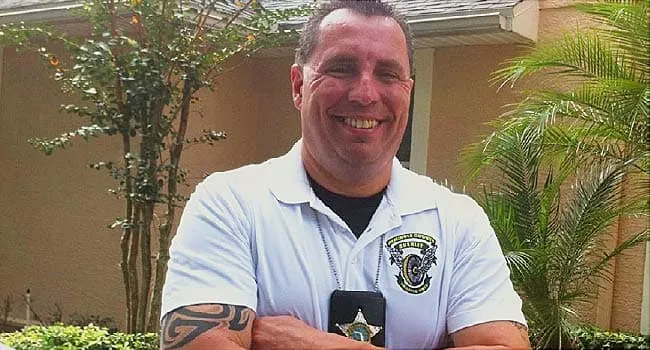
Deputy Sheriff, on PTSD: ‘I Felt Like a Failure’
Jul
A deputy can handle emergencis that refuse to clock out. Mark DiBona’s story shows how cumulative trauma, workplace pressure, shame, and fear of losing a career can push a respected officer toward crisis. It also shows the other side: specialized treatment, peer support, family repair, and the stubborn possibility of recovery.
When the Uniform Looks Fine but the Person Inside Does Not
Post-traumatic stress disorder does not check a résumé before entering. It does not care whether someone is trained, experienced, or the person everyone calls when life goes sideways. That is what makes Florida deputy sheriff Mark DiBona’s account so powerful. His story is not about a weak officer. It is about repeated exposure to suffering colliding with workplace conflict, self-blame, silence, and a culture that may reward endurance more readily than disclosure.
DiBona had wanted to be a police officer since childhood. Decades into the job, conflict with a supervisor and a poor evaluation began eroding his sense of competence. He gained weight, stopped caring for his appearance, and withdrew from his wife. The badge still looked official; internally, the warning lights were flashing.
The Call That Opened Years of Memories
During this period, a woman arrived at a fire station with an infant who was not breathing. With firefighters away, DiBona performed CPR, but the baby died. Nightmares and guilt followed. The call seemed to unlock years of accumulated scenes: fatal crashes, abused victims, robberies, dangerous encounters, and colleagues lost in the line of duty. He began to believe he had failed and reached a suicidal crisis. A fellow officer stopped and helped interrupt it.
PTSD in law enforcement is not always the cinematic result of one spectacular incident. Sometimes one event becomes the final heavy box placed on a shelf that has been bending for years.
What PTSD Can Look Like in a Deputy Sheriff
PTSD may develop after experiencing or witnessing trauma. Many people have short-term distress and gradually recover. It becomes a concern when symptoms persist, cause significant distress, and interfere with work, relationships, sleep, or daily functioning. Diagnosis belongs to a qualified professional, not the break-room coffee committee.
Four Symptom Patterns in Real Life
Intrusion can involve nightmares, unwanted memories, flashbacks, or intense reactions to reminders. Avoidance may look like refusing to discuss a call or staying constantly busy. Negative changes in mood and thinking can include guilt, shame, detachment, and hopelessness. Heightened arousal may appear as poor sleep, irritability, concentration problems, exaggerated startle responses, or constantly scanning for danger.
Some symptoms can initially resemble professional strengths. Hypervigilance may look like alertness, emotional numbing like composure, and avoidance like “moving on.” The FBI’s review of compassion fatigue among officers notes overlapping signs such as irritability, hopelessness, concentration problems, disrupted sleep, anxiety, avoidance, and diminished empathy.
Cumulative Trauma Is Not the Same as Burnout
Burnout often grows from schedules, conflict, poor supervision, and lack of control. Compassion fatigue may develop through repeated contact with victims’ suffering. PTSD may follow direct trauma, witnessed trauma, or repeated exposure to disturbing details. Officers can experience several at once—a particularly unfair bundle deal. Federal guidance links first-responder occupational stress with depression, anxiety, post-traumatic stress, substance misuse, and suicidal behavior. /section>
Why “I Felt Like a Failure” Cuts So Deep
Law enforcement culture centers on control, readiness, loyalty, and competence. Those qualities save lives, but they create a painful contradiction when an officer cannot command a memory to stop or order the body to sleep. A person trained to solve problems may interpret symptoms as a character defect instead of an injured stress response.
DiBona feared that seeking help could cost him his job, firearm, or colleagues’ respect. Early therapy also felt mismatched because the clinicians did not understand police culture. Law-enforcement wellness research repeatedly identifies stigma, confidentiality fears, fitness-for-duty concerns, and limited access to culturally competent care as barriers. Policies, supervisors, insurance networks, and scheduling all affect whether help feels safe enough to use.
The word failure turns a treatable condition into a verdict. A better question is not, “Why am I not tougher?” but, “What has my nervous system been carrying, and what support does it need?”
What Helped Turn the Story Around
A Peer Who Stayed
The first lifesaving intervention was another officer who recognized the danger, stayed present, and talked with DiBona. Peer support can be powerful because the listener understands critical incidents, shift work, chain-of-command pressure, and the emotional whiplash of moving from tragedy to paperwork. It is not a substitute for clinical treatment, but it can be the bridge to it. The U.S. Department of Justice supports confidential peer mentoring as part of law-enforcement wellness systems.
Care That Understood the Job
DiBona eventually joined an officer support group and found a therapist with law-enforcement experience. He received diagnoses of PTSD and depression, used medication, repaired his marriage, and learned to manage symptoms. Recovery did not erase memory, but nightmares became less frequent and daily life improved. After retirement, he continued advocating for first-responder mental health and suicide prevention.
Evidence-Based PTSD Treatment
Strong evidence supports trauma-focused psychotherapies. The Department of Veterans Affairs identifies Prolonged Exposure, Cognitive Processing Therapy, and Eye Movement Desensitization and Reprocessing among the most highly recommended approaches. Treatment may also include medication and care for depression, sleep problems, substance use, panic symptoms, or suicidal thoughts. Exercise, routines, mindfulness, and social support can help, but a treadmill is not licensed to process traumatic guilt. /section>
What Sheriff’s Offices and Police Departments Can Do
Officer wellness cannot be outsourced entirely to individual resilience. Agencies shape risk through leadership, schedules, confidentiality practices, benefits, staffing, and the language used after traumatic calls. A dismissive “that is the job” can close a door. A respectful offer of confidential support can open one.
- Train supervisors to notice change: isolation, irritability, reckless behavior, declining appearance, repeated absences, or unusual mistakes.
- Create confidential pathways: clearly explain privacy, mandatory reporting, and fitness-for-duty procedures.
- Provide culturally competent clinicians: therapists should understand law-enforcement exposure and career concerns.
- Support families: spouses often notice changes first and need trustworthy guidance.
- Use trained peer teams: selection, boundaries, referral protocols, and supervision matter.
- Normalize proactive check-ins: care should begin before a public crisis or disciplinary event.
Federal resources recommend treating mental health concerns with the seriousness given to physical injuries, improving access to peer programs and clinicians, and creating cultures that support early help-seeking. The FBI also highlights psychotherapy, education, peer support, supervisor support, and early intervention. /section>
Signs That It Is Time to Reach Out
No single sign proves PTSD, but a persistent pattern deserves attention. Warning signs may include recurring nightmares, intrusive memories, avoiding reminders, emotional numbness, angry outbursts, heavy drinking, reckless driving, relationship withdrawal, concentration problems, hopelessness, or statements suggesting that others would be better off without the person. Early care can reduce suffering and restore functioning.
Recovery Is Not Pretending Nothing Happened
Recovery may mean sleeping through more nights, recognizing triggers sooner, reconnecting with family, reducing alcohol use, or remembering a call without being pulled completely back into it. Improvement is rarely a straight highway; it is more like a county road with potholes, confusing signs, and one tractor moving eight miles per hour.
DiBona’s experience challenges the false choice between being a capable officer and being affected by trauma. Asking for help is not surrendering the badge. It is protecting the human being who carries it.
Additional Experiences That Echo the Deputy Sheriff’s PTSD Story
The following are composite educational scenarios based on recurring themes in first-responder research and reporting. They do not describe specific people.
1. The Veteran Who Could Handle the Scene but Not the Silence
A patrol deputy calmly manages a fatal collision, directs traffic, interviews witnesses, and finishes the report before sunrise. At home, quiet becomes unbearable. He keeps the television on and finds reasons not to sleep. Weeks later, he is replaying one detail from the scene and calling it “being thorough.” A partner notices the exhaustion and asks a direct, private question. Only then does the deputy admit that his mind never really left the highway. A useful professional habit—careful review—has blurred into trauma-driven repetition.
2. The Investigator Who Became “Less Emotional”
A detective reviewing crimes against children is praised for being unshakable. Soon, the emotional distance follows her home. She stops laughing, avoids affection, and feels irritated by ordinary family problems. A peer supporter explains that numbness and reduced empathy may signal compassion fatigue or traumatic stress, not coldness. That conversation helps her seek care before detachment harms her work and relationships.
3. The Supervisor Who Absorbed Everything
A sergeant believes leadership means shielding the squad from every burden. He covers shifts, handles difficult notifications, and never discusses his reactions. Eventually, he becomes sarcastic, impatient, and unusually punitive. During wellness training, he learns that authority does not require emotional invulnerability. Confidential counseling helps him model a better message: accountability and mental health care can coexist. Roll call does not become group therapy; the culture simply becomes less allergic to honesty.
4. The Spouse Who Saw It First
An officer insists everything is fine, but his spouse sees repeated lock-checking, startle reactions, sleeplessness, and withdrawal from family events. She worries that raising the issue could threaten his career. A family-oriented wellness program helps them describe the changes without blame. The officer agrees to an evaluation, while the spouse learns about triggers and warning signs without being turned into the household therapist—a job nobody should receive through marriage vows.
5. The Rookie Who Asked Early
A newer deputy has nightmares after a violent call and fears that reporting them will end her career. She contacts a confidential clinician recommended by a peer team. She learns that early trauma reactions are common and do not automatically equal PTSD. With monitoring, sleep support, structured follow-up, and trusted peers, her symptoms gradually decrease. The story is less dramatic than a crisis, which is exactly the point: good systems make early help ordinary, so recovery does not require a breakdown or a lucky encounter in a parking lot. /section>
Conclusion: The Opposite of Failure
Mark DiBona’s story strips away a comforting myth: training and courage do not make a person immune to trauma. PTSD is not proof that an officer lacks character. Symptoms can be treated, relationships can be repaired, and agencies can reduce barriers instead of merely praising toughness after damage is done.
The real failure is leaving officers to interpret treatable injuries as private defects. Recovery begins when someone notices, someone listens, and the officer receives care that respects both the trauma and the culture of the job.
Note: This article is educational and is not a diagnosis or a substitute for care from a licensed mental health professional. It synthesizes a published first-person account with guidance and reporting from U.S. medical, government, law-enforcement, and first-responder sources. The additional scenarios are composites and do not depict real individuals.

