
Beauty Tools & Accessories
Conspicuous Style Blog Home Tour
Jul
Some home tours are beautifully photographed, perfectly styled, and forgotten five minutes later. The Conspicuous Style Blog Home Tod as its owner changed, one room makeover, impulsive purchase, family compromise, and “I absolutely need a zebra rug” moment at a time.
Originally shared by desipearing fully formed after one giant shopping spree. Curran had taken an unconventional route into interior design, moving from a career in law toward a more creative professional life. She eventually launched her decorating business and the Conspicuous Style blog, turning a long-standing interest in interiors into serious design work.
That background matters because the house does not read like a showroom. It reads like the work of someone constantly observing, experimenting, editing, and occasionally looking at an old decorating decision and wondering, “What on earth was I thinking?” In other words, it reads like home.
A Home Tour Built Around Evolution, Not Perfection
The family bought the house new in 2003, and over the following years, its rooms went through a steady process of refinement. Some updates corrected builder choices. Others simply reflected changing tastes. That distinction is one of the most useful ideas in the entire Conspicuous Style home tour: not every renovation needs to solve a major problem.
Sometimes a room works perfectly well and still no longer feels like you.
Modern decorating culture often pressures homeowners to reveal dramatic before-and-after transformations. This house offers something more believable. A cabinet color changes. A light fixture is replaced. A texture is added to built-ins. A bedroom is rearranged because one irresistible rug has entered the chat. Small decisions accumulate until the room feels renewed.
That gradual approach is also what gives a collected home its personality. Mixing old and new furniture, introducing meaningful objects over time, and allowing rooms to develop naturally generally creates more depth than purchasing a complete matching set. The best interiors often look as though they have been assembled through experience rather than delivered on Tuesday between noon and four.
The Kitchen: Proof That Small Changes Can Reset a Room
The kitchen began with cabinetry selected by the builder. Stacy liked the cabinets themselves but disliked the original bright white paint, which felt too harsh. Rather than ripping everything out, she repainted the cabinetry in Benjamin Moore Cloud White, a softer shade that changed the atmosphere without requiring a full-scale kitchen demolition.
That decision is a useful reminder for anyone planning a kitchen makeover. Before replacing expensive elements, ask whether the real problem is color, lighting, hardware, or styling. A structurally sound kitchen can sometimes be dramatically improved through selective changes.
Lighting Made the Kitchen Feel More Intentional
The kitchen also evolved through a new chandelier, the removal of a pot rack, and lantern-style fixtures over the island. Fresh greenery from the garden added an organic finishing touch. None of these details alone was revolutionary, but together they created a more polished and personal room.
This is where the tour quietly demonstrates an important decorating principle: lighting is part of the architecture of a room. A memorable fixture does more than help you locate the coffee maker before sunrise. It establishes mood, scale, and character.
Picture-Frame Molding Added Architectural Character
One of the more labor-intensive updates was picture-frame molding, also called decorative wall panel molding. It gave otherwise plain walls extra dimension and helped the newer house feel more established.
This kind of architectural detail works because it creates shadow and rhythm without demanding a wild color palette. It can support traditional decor, transitional interiors, and even more contemporary rooms. The installation may test your patience and your relationship with measuring tools, but the result can make a basic wall look custom.
The Living Room: Neutral Foundations With Texture and Color
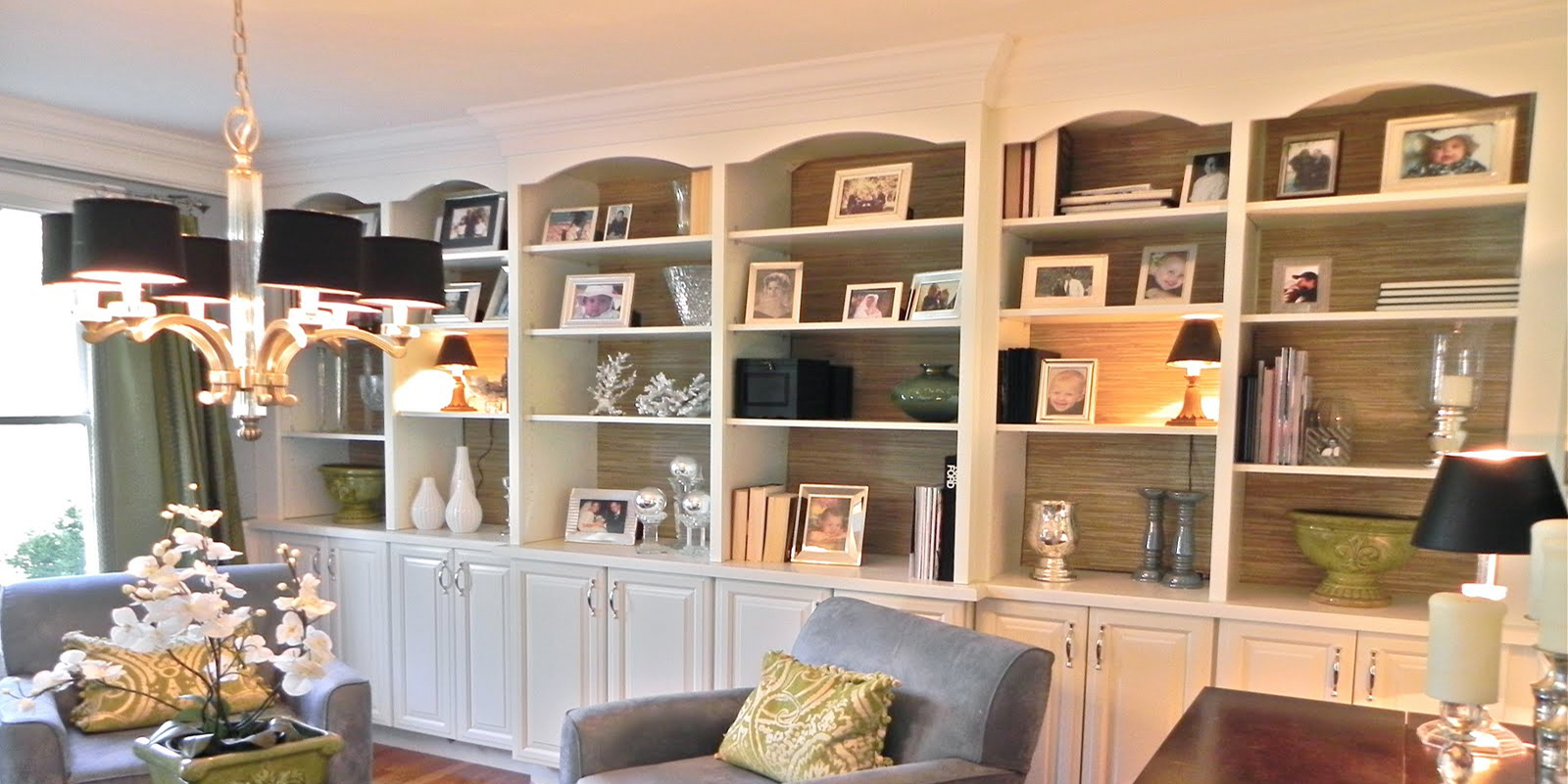
The living room did not undergo a complete reinvention. Instead, its neutral foundation was adjusted with green accents and grasscloth added to the backs of the bookcases.
This is one of the smartest ideas in the tour.
Bookcase backs are often ignored, yet they offer a contained place to experiment with paint, wallpaper, fabric, or textured wallcovering. Grasscloth introduces natural variation and visual warmth without taking over the whole room. It also helps displayed objects stand out from a flat background.
For homeowners who like expressive design but fear wallpapering an entire room, the back of a built-in bookcase is a lower-risk playground. You get texture and depth while keeping the overall space controlled. It is the decorating equivalent of wearing dramatic earrings instead of arriving at brunch in a sequined cape.
The Dining Room: Collected Style Beats Matching Sets
The dining room is especially useful for anyone who believes a beautiful space requires exclusively expensive, brand-new furniture. The table and server were found on eBay, demonstrating how secondhand pieces can anchor an elegant room.
An older desk was later refreshed with chalk paint and brought into the dining area. That mix of purchased, repurposed, and updated furniture gives the room a layered quality. It does not feel as though every item came from the same catalog page, and that is precisely the point.
Why Mixing Furniture Creates More Personality
A successful eclectic interior does not mean placing random objects together and hoping confidence will make them compatible. Cohesion still matters. Repeated colors, compatible proportions, related finishes, and balanced shapes help different pieces cooperate.
In a dining room, for example, an older wood table can work beautifully with a newer light fixture. A painted antique desk can sit near a more formal server. Vintage accessories can coexist with crisp contemporary textiles. Contrast creates interest, while repetition keeps the room from looking like an estate sale lost a bar fight.
The Family Room: Designing Around Real Life
The family room presented a challenge familiar to many homeowners: how do you create a polished space that still functions as a television room?
In this case, the television was positioned in a corner and housed within an armoire. Not every seat had a perfect view, but the arrangement worked for the family. That may sound like a small detail, yet it contains a surprisingly important design lesson.
A room should support the people who actually live there.
There is no universal law stating that every chair must face an enormous screen. Likewise, there is no requirement to hide a television if your household uses it every evening. Good interior design involves priorities. Some families want maximum viewing comfort. Others want conversation to remain the visual focus. The correct layout is the one that serves real routines.
The Primary Bedroom: Let One Bold Piece Start the Story
The primary bedroom demonstrates how a single object can trigger an entirely new decorating direction.
The earlier version had been designed from hundreds of miles away before the family moved in, using a Pottery Barn rug along with coordinated bedding and curtains. Later, Stacy became determined to introduce a zebra rug. Instead of forcing it into the first floor, she redesigned the bedroom around it.
And honestly, this is how many memorable rooms begin.
You do not always need a fully developed design concept before purchasing something you love. Sometimes the rug, painting, antique chair, or strange little lamp becomes the starting point. The rest of the room can then respond through color, scale, and texture.
Animal print is especially effective when treated almost like a neutral pattern. In a controlled palette, it introduces movement without requiring multiple competing colors. The key is restraint. One zebra rug can be chic. Twelve zebra objects may suggest that the safari has escaped containment.
Children’s Rooms That Changed With the Children
The tour also shows the emotional side of decorating through the children’s bedrooms.
Stacy loved the original design of her daughter’s nursery and might happily have preserved it forever. Her daughter, however, grew older and wanted pink. The room changed accordingly.
That is a wonderfully practical reminder that children’s rooms belong to children, not only to adults with excellent Pinterest boards.
A beautifully designed nursery will eventually need to accommodate stronger opinions, different hobbies, bigger furniture, and possibly an aggressive commitment to a color the parent would never have selected. Allowing children some ownership can make their rooms more meaningful and functional.
Her son’s room evolved as well, moving away from an earlier childhood design when he became old enough to want something more mature. These changes make the home tour feel authentic because they reflect life stages rather than frozen decorating moments.
The Powder Room: A Small Space for a Big Idea
One of the boldest rooms in the house was the powder room, featuring metallic gold, wavy wallpaper.
Powder rooms are ideal places for design experimentation. Because they are small and typically used for shorter periods, they can handle dramatic wallpaper, darker paint, unusual lighting, or finishes that might feel overwhelming across a large living room.
They are also excellent places to ignore the cautious friend who says, “Are you sure?”
Not every family member has to understand every decorating decision. A distinctive home is often created by choices that feel a little risky at first. The goal is not universal approval. The goal is a room with enough personality to be remembered.
The Basement: Style Still Has to Make Room for Function
The lower level included a media area, pool table, and exercise space, making it one of the home’s most practical zones.
Multifunctional rooms are often difficult to decorate because each activity introduces its own furniture and equipment. The solution is usually not to pretend those functions do not exist. Instead, establish visual connections through flooring, repeated materials, coordinated colors, and strategic storage.
A home tour becomes genuinely useful when it includes rooms where people watch movies, exercise, play games, and leave things slightly less photogenic than a professionally styled console table. Function is not the enemy of good design. It is the reason design exists.
Tablescapes and Traditions Make the House Personal
One of the most charming parts of the Conspicuous Style Blog Home Tour is the attention given to table settings. Thanksgiving and Christmas tablescapes reveal another side of decorating: temporary design.
A table can be transformed through linens, candles, greenery, dishes, glassware, seasonal objects, and whatever else can survive dinner without catching fire. Because tablescapes are temporary, they invite more experimentation than permanent furnishings.
Even more memorable is the family’s snow-globe tradition. Each year, the two children selected a snow globe, and each piece was labeled with the year and the child’s initials.
This is where decorating becomes more than visual styling.
A collection built through family ritual carries meaning that cannot be purchased as a preassembled “decor set.” Over time, ordinary objects become markers of childhood and memory. Displaying meaningful collections is one of the simplest ways to make a home feel unmistakably personal.
Why the Conspicuous Style Home Tour Still Feels Relevant
Some individual products and decorating details naturally reflect the era in which the tour was created. That is unavoidable. Every photograph of an interior eventually becomes a time capsule.
Yet the deeper ideas remain remarkably useful.
The house was not designed according to one rigid label. It mixed traditional details, glamorous touches, neutral foundations, bold patterns, textured surfaces, repurposed furniture, online finds, family preferences, and sentimental collections. The rooms changed when the family’s needs changed.
That is what gives the tour lasting value.
A truly personal home does not need to fit neatly into “traditional,” “eclectic,” “transitional,” or any other single design category. Style becomes more convincing when it is built from repeated preferences. Perhaps you consistently choose warm whites, brass lighting, animal prints, old wood furniture, dramatic wallpaper, or unusual collections. Those patterns are your design language.
The goal is not to identify the perfect label. The goal is to recognize what you repeatedly love.
Experiences and Practical Lessons From Following a Home Through Years of Change
One of the most relatable experiences connected with a long-term home tour is discovering that decorating is never truly finished. You may complete a room on Saturday and notice something you want to change by Tuesday. This does not necessarily mean the first version failed. Taste evolves, families change, furniture moves, and homes reveal their problems gradually.
A common early decorating experience is trying to finish everything too quickly. An empty room feels uncomfortable, so the temptation is to buy a sofa, matching chairs, tables, lamps, wall art, and accessories all at once. The result may look coordinated, but it can also feel strangely anonymous.
Living with a room before completing it often produces better decisions. You learn where people naturally sit, where sunlight becomes annoying, which storage is actually necessary, and whether that delicate side table can survive contact with children, pets, or enthusiastic guests.
Another valuable experience is realizing that small changes can solve surprisingly large frustrations. A room that feels cold may not require new furniture; it may need warmer lighting or more texture. A boring bookcase may need a contrasting background. A kitchen that feels harsh may benefit from a softer paint color. A dining room that lacks character may simply need one older piece with history.
There is also the experience of decorating around an object you love even when it was not part of the plan. This can feel irresponsible to highly organized people who maintain spreadsheets for throw pillows. Yet spontaneous finds often become the pieces that give a home its identity.
The practical trick is to let one bold item lead without allowing every other element to compete with it. A zebra rug can become the star while surrounding furniture stays comparatively restrained. Metallic wallpaper can dominate a small powder room while adjacent spaces remain calmer. A collection can become a focal point when displayed together rather than scattered randomly throughout the house.
Family compromise is another unavoidable part of the decorating experience. One person may love wallpaper that another person politely describes as “interesting.” A child may request a color that destroys the carefully planned neutral palette. Someone will want the largest television manufactured by modern civilization.
Successful homes usually make room for these differences.
The Conspicuous Style approach is useful because it does not pretend that personal decorating exists in isolation. The rooms belonged to a family. Children’s spaces changed. Entertainment affected furniture arrangements. Traditions influenced collections. Even decorating disagreements became part of the story.
Perhaps the best experience a long-running home tour can offer is permission to edit without embarrassment. Old photographs may contain artificial flowers you no longer like, colors you would never choose today, or furniture arrangements that make you wonder whether gravity operated differently at the time. That is fine.
A house should record growth.
Instead of treating previous decorating choices as mistakes, view them as earlier drafts. Keep what still works. Paint what does not. Move the desk. Change the chandelier. Let the child have the pink room. Buy the strange rug. Add the wallpaper your spouse does not entirely understand.
The most memorable homes are rarely those that obey every design rule. They are the ones where you can tell that somebody actually lives thereand has been paying attention.
Conclusion: The Best Style Is the One That Keeps Becoming More Personal
The Conspicuous Style Blog Home Tour is ultimately less about a single decorating style than about the process of developing one. Stacy Curran’s home changed through paint, lighting, molding, textured wallcoverings, secondhand furniture, bold patterns, children’s preferences, entertaining, and family traditions.
Its strongest lesson is refreshingly simple: a home does not have to be finished to be beautiful.
Start with what you love. Work with the architecture you have. Mix new pieces with objects that carry history. Use smaller spaces for bigger risks. Let collections tell stories. Allow rooms to change when life changes. Most importantly, do not decorate so carefully that your personality disappears.
A stylish house can impress visitors. A truly personal home makes them curious about the people who live there. That distinction is what turns a collection of attractive rooms into a memorable home tour.
Note: The design details discussed here are intended as inspiration rather than strict rules. The most successful version of any idea is the one adapted to the architecture, budget, routines, and personality of the people who actually live in the home.

