
Beauty Tools & Accessories
Happy Smile Pro Reviews • Real User Reviews • In-depth Review
Jul
Teeth whitening is one of those modern miracles that can either make you feel like a movie star… or make you wonder why your teeth suddenly have opinions about cold water. Happy Smile Pro is marketed as an at-home whitening system (often described as a peroxide-free gel paired with an LED mouthpiece) that aims to brighten stains from coffee, tea, wine, and everyday life without the “ouch” factor.
In this in-depth review, I’ll break down what Happy Smile Pro appears to be, what the science says about the kinds of whitening ingredients commonly mentioned (including PAP and traditional peroxides), what real-world users tend to report across online comments and review-style pages, and how to use any whitening kit more safely and effectively. I’ll also flag something important: the name “Happy Smile Pro” is used inconsistently online, and product descriptions don’t always match from one seller/review page to another. That doesn’t mean it’s automatically badjust that you should verify what you’re actually buying.
Quick verdict (for people who don’t have time, but do have stains)
- Best for: Surface stains (coffee/tea/red wine) and people who want a short daily routine.
- Potentially good fit if: You’ve had sensitivity with strong peroxide whiteners and want a gentler approach.
- Not ideal if: You need predictable, dentist-level whitening fast or you have untreated dental issues (cavities, gum disease, cracked teeth).
- Reality check: Whitening is chemistry + consistency. No product can out-whiten daily iced coffee plus zero flossing plus chaos.
What is Happy Smile Pro (and why does it look different depending on where you read about it)?
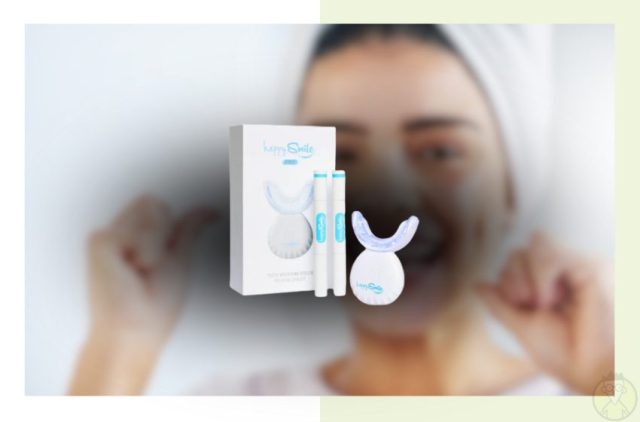
Happy Smile Pro is typically presented online as an at-home whitening kit that includes a whitening gel and an LED mouthpiece/light. Many product write-ups emphasize a non-peroxide PAP formula as the main differentiator, positioning it as gentler than hydrogen peroxide or carbamide peroxide systems. Some pages describe a simple routine (apply gel, use LED device for a set time, repeat daily for a week or two), and many promote a money-back guarantee.
Here’s the twist: in the wider whitening market, product names get reused, resold, or re-listed with different claims. You may see conflicting ingredient statements across sellers or “review” pages. If you decide to buy, the only version that matters is the one you can confirm on the box label or official checkout page for the specific item you’re purchasing.
What’s the typical routine?
While instructions vary by kit, most “gel + light” systems follow the same basic pattern:
- Clean start: Brush (and ideally floss) before whitening so plaque doesn’t block the gel.
- Apply a thin layer: Gel goes on the front surface of your teethless is more, because gums hate surprises.
- Use the LED mouthpiece: Insert and run for the recommended time (often around 10–20 minutes).
- Rinse: Spit, rinse, and wipe off any leftover gel.
- Repeat consistently: Daily use for 7–14 days is common for noticeable change, then occasional maintenance.
How teeth whitening actually works (in plain English)
Tooth color changes for two big reasons: surface stains (coffee, tea, red wine, tobacco) and intrinsic discoloration (aging, certain medications, trauma, or enamel changes). Whitening products work best on the first category, and “results vary wildly” on the secondbecause biology loves being unpredictable.
Peroxide-based whitening (hydrogen peroxide or carbamide peroxide)
Traditional whitening relies on peroxides that break down stain molecules. This approach is widely used, including in dentist-supervised trays and many OTC products. The downside is that peroxide-based whitening commonly causes temporary tooth sensitivity or gum irritation, especially if you overuse it or the gel contacts soft tissue.
PAP whitening (often described as “peroxide-free”)
PAP (phthalimidoperoxycaproic acid) is frequently marketed as a non-peroxide whitening agent. In research discussions, PAP is described as oxidizing stain molecules via a different pathway, and some studies explore whether it may reduce sensitivity compared with high-strength peroxide systems. That said, “peroxide-free” does not mean “risk-free.” Any whitening chemistry can irritate gums if misapplied, and some users still report sensitivityespecially if they already have exposed dentin, enamel wear, or underlying dental issues.
Does the LED light do anything, or is it just a tiny rave in your mouth?
LED mouthpieces are popular because they make whitening feel more “high-tech,” and they can act as a built-in timer (which helps consistency). But when it comes to light-activation claims, the evidence is mixedespecially outside a controlled dental setting. Research reviews on in-office bleaching protocols have found that light activation often doesn’t meaningfully improve the final color change compared to bleaching gel alone, depending on the protocol.
The practical takeaway for consumers: if the gel is the engine, the LED is more like a helpful dashboard. It may support routine and even application, but it’s not a guarantee of faster or dramatically better whitening.
Real user reviews: what people tend to like (and dislike)
Because independent, large-scale retailer review data for “Happy Smile Pro” can be difficult to verify across every listing, the most responsible way to summarize “real user reviews” is to focus on consistent themes that appear repeatedly in public comments and review-style writeups, and to separate experience patterns from hard promises.
Common positives people report
- Visible improvement on surface stains: Especially coffee/tea staining after a week or two of consistent use.
- Gentler feel than strong peroxide kits: Many users looking for “less zing” say it’s more comfortable.
- Easy routine: Short sessions fit into night routines (or doomscroll timeno judgment).
- Confidence boost: A small shade change can look big in photos and bright lighting.
Common complaints or “wish I knew that earlier” notes
- Results aren’t instant for everyone: Deep or older discoloration may need longer, or may not respond much.
- Gum irritation when over-applied: Too much gel (or messy placement) can cause temporary irritation.
- Uneven whitening if teeth aren’t evenly stained: The more varied your baseline, the more “patchy” early sessions can look.
- Confusion about what version they bought: Online listings can be inconsistentingredients and instructions may differ.
Safety: how to whiten without making your teeth hate you
Teeth whitening is generally considered safe when used as directed, but side effects happenmost commonly temporary sensitivity and gum irritation. Overuse, overly concentrated gel, or whitening when you already have dental problems increases risk. If you’re prone to sensitivity, it’s worth checking in with a dentist first so you’re not whitening on top of a cavity, a cracked tooth, or gum recession.
Do this before you start
- Fix dental problems first: If you suspect cavities or gum inflammation, treat those before whitening.
- Know what whitening can’t do: Whitening won’t change the color of crowns, veneers, bonding, or tooth-colored fillings.
- Patch-test your routine: Start with a shorter session the first day to see how your teeth respond.
Do this while you’re whitening
- Use less gel than you think: A thin layer is enough. Extra gel mostly means extra gum irritation.
- Avoid “double sessions”: More whitening isn’t always more whiteningit can be more sensitivity.
- If you get sensitivity: Pause a day or two, use a sensitivity toothpaste, and restart gently.
How to get better results (without living on a “white foods only” diet)
Whitening results depend on stain exposure and consistency. A few practical tips that help most people:
- Take a baseline photo in natural light: You’ll notice progress more accurately than guessing in the bathroom mirror.
- Cut stain intake right after whitening: For 1–2 hours post-session, avoid coffee, red wine, dark soda, and smoking.
- Use a straw for iced coffee: It’s not glamorous, but it works. Think of it as stain prevention cosplay.
- Keep up oral hygiene: Brushing and flossing won’t whiten, but they prevent new stain buildup from settling in.
How Happy Smile Pro compares to alternatives
Choosing a whitening method is basically balancing four things: speed, comfort, cost, and predictability.
- Dentist-supervised trays: More predictable, often faster, higher cost. Good for deeper discoloration.
- OTC whitening strips: Convenient and often effective for surface stains, but can trigger sensitivity.
- Whitening toothpaste: Best for maintenance and surface stain polishing; unlikely to shift shades dramatically.
- PAP-style peroxide-free kits: Often marketed as gentler; may be appealing for sensitive teeth, but results can be slower or more subtle.
Buying tips (so you don’t accidentally subscribe to teeth whitening for the next 47 years)
The teeth whitening space is full of great products and aggressive marketing. Before you buy Happy Smile Pro (or any kit in this category), do a quick “adulting checklist”:
- Confirm the ingredients on the exact listing you’re purchasing (and compare them to the box when it arrives).
- Read shipping/returns in plain English: Look for refund timing, restocking fees, and who pays return shipping.
- Watch for subscription language: If there’s auto-ship, make sure cancellation steps are clearly stated.
- Pay with a method that offers dispute options: It’s boring advice, but boring advice saves money.
FAQs
How long does it take to see results?
Many people notice a small change within a week when stains are mostly surface-level. Deeper discoloration can take longer, and some types (like discoloration from trauma or certain medications) may not respond much to OTC kits.
Will it work if I drink coffee every day?
Yes, but manage expectations. If coffee is your personality, whitening is maintenance, not a one-time event. Limiting coffee right after sessions (even briefly) helps results stick around longer.
Is it safe for sensitive teeth?
Many users specifically choose peroxide-free kits for comfort. Still, if you have existing sensitivity, gum recession, or enamel wear, talk to a dentist before whitening. A “gentler formula” won’t fix an exposed nerve.
Can it whiten crowns, veneers, or fillings?
Nowhitening products won’t change the underlying color of dental restorations. They may remove surface stains, but they won’t make a crown “two shades whiter.” Plan for possible shade mismatch if you whiten natural teeth.
What if I feel gum irritation?
Stop, rinse, and wait a day or two. When you restart, use less gel, avoid the gumline, and shorten the session. If irritation persists, don’t push through itget dental guidance.
Is the LED mouthpiece necessary?
It can help you keep a consistent routine and may support even application timing. But it’s not magic. The gel and your consistency matter most.
Final thoughts: is Happy Smile Pro worth it?
Happy Smile Pro is positioned as a convenient, at-home whitening optionoften described as peroxide-free and paired with an LED mouthpiece. If your main issue is surface staining and you’re willing to use it consistently, you may see a noticeable brightening. If you want dentist-level predictability, have complex discoloration, or already have dental sensitivity/issues, you’ll likely get better outcomes by starting with a dental check and choosing a method tailored to your teeth (not just your cart).
Experience add-on (about ): what using Happy Smile Pro can feel like in real life
Below are experience-style snapshots that reflect common patterns people describe when using at-home whitening kits like Happy Smile Pro. These are composite scenarios based on recurring themes in public user feedback and typical whitening outcomesnot direct quotes from specific individuals. Think of them as “what to expect” stories, so you can recognize your own experience without spiraling into “Is my mouth broken?” after Day 2.
1) The Coffee Loyalist
You start because your morning coffee is non-negotiable, but your smile is looking a little… “latte-tinted.” The first couple of sessions feel easyapply gel, pop in the LED tray, scroll your phone, rinse. Around Day 4–7, you notice the front teeth look brighter in daylight. The biggest win isn’t movie-star white; it’s that your teeth look cleaner and more even. The “aha” moment is realizing whitening isn’t a one-and-done event when coffee is daily. You get best results by doing a consistent first round, then shifting to occasional maintenanceplus using a straw for iced coffee like a person who loves results more than aesthetics.
2) The Sensitivity-Skeptic
You’ve tried peroxide strips before and your teeth responded like you licked a snowcone made of electricity. With a peroxide-free style kit, you’re cautious: shorter session on Day 1, less gel than recommended, and a sensitivity toothpaste on standby. You’re pleasantly surprisedmaybe a little tingling, but nothing dramatic. Your results show up more gradually, which is fine because your priority is comfort. The key lesson: the “gentler” approach works best when you don’t get impatient and start doubling sessions. Comfort is a featuredon’t sabotage it.
3) The “Why Is It Patchy?” Panic
On Day 3, you stare in the mirror and convince yourself one tooth is whitening faster than the others. Welcome to the completely normal phase where uneven starting stains become more noticeable before everything evens out. Teeth aren’t painted the same color to begin withsome have more stain, some have different enamel translucency. If you keep the gel layer thin and consistent, and you don’t skip days, the patchy look often settles as you complete the cycle. The big mistake people make here is over-applying gel to “fix” one tooth, which mostly irritates gums and ruins your vibe.
4) The Gumline Oops
You get ambitious, apply too much gel, and it creeps toward your gums like it’s trying to escape. Within minutes, your gums feel irritated. You rinse, take a break for a day, and restart with a smaller amountonly on the tooth surface, staying away from the gumline. This experience is common with gel kits, and it’s a good reminder that “more product” rarely equals “more whitening.” It usually equals “more regret.” Precision beats volume.
5) The Big Event Countdown
You have a wedding, interview, reunion, or “I might see my ex” situation coming up. You want results fast. You use the kit consistently and avoid stain-heavy foods right after sessions. You don’t become a different person, but you do look more polished in photos. The realistic win is a brighter, cleaner-looking smilenot blinding white. If you’re already close to your natural “bright,” the change can feel subtle in the mirror but obvious in pictures.
6) The Maintenance Mindset
After the first round, you learn what most people eventually learn: whitening is upkeep. You switch to occasional touch-ups, focus on brushing/flossing consistency, and reduce the “stain hits” that undo your work (coffee right after whitening, red wine every night, smoking). Your smile stays brighter longer, and you stop chasing perfection. Ironically, that’s when your smile looks bestbecause you’re not wincing every time you drink cold water.

