
Beauty Unlocked
Mexican Haystack Recipe
Jul
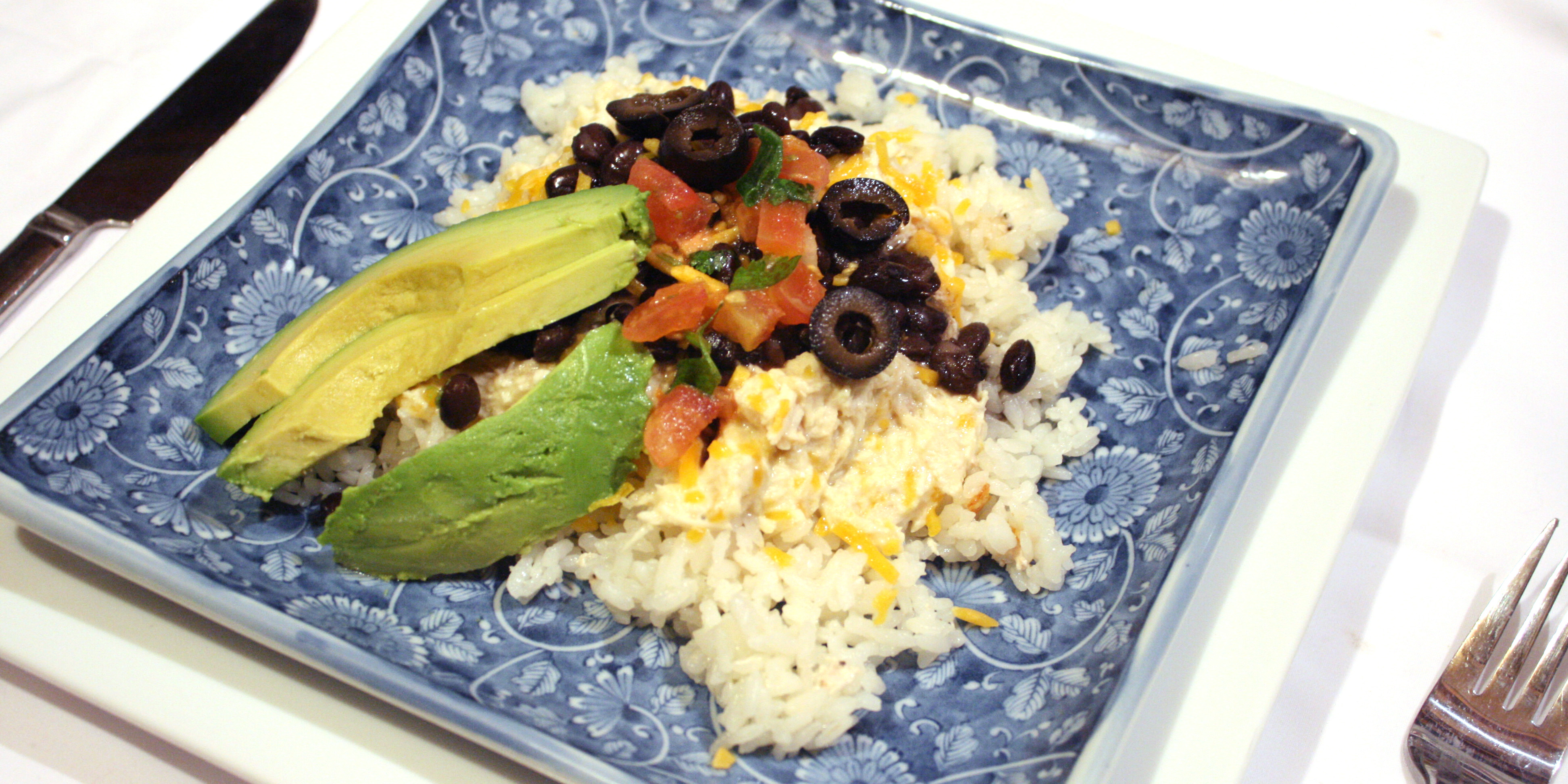
Some dinners arrive at the table looking polished and dignified. Mexican haystacks are not one of those dinnersand that is precisely why everyone loves them. This colorful meal begins with rice and crunchy inner table resemble a cheerful taco stand.
The beauty of a Mexican haystack recipe is customization. One person can build a mild mountain of rice, chicken, cheese, and sour cream. Another can add jalapeños, hot salsa, cilantro, avocado, and enough lime juice to wake up the entire neighborhood. Picky eaters get control over their plates, while the cook gets one main filling instead of six separate entrées.
This version combines the most useful ideas found in popular American haystack, taco-bowl, and burrito-bowl recipes: a dependable rice base, creamy seasoned chicken, black beans, corn, tomatoes, crunchy chips, and fresh toppings. Similar recipes use everything from ground beef and Spanish rice to quinoa, slow-cooked chicken, green chiles, and pico de gallo, confirming that flexibility is part of the dish rather than a culinary misdemeanor.
Recipe note: Mexican haystacks are best understood as an American Tex-Mex-style family meal rather than one specific traditional Mexican dish. The name describes the way rice, meat, beans, vegetables, cheese, and chips are piled into a loose “haystack.” This original recipe was developed by synthesizing common techniques from reputable U.S. cooking and food-safety resources.
Why You Will Love This Mexican Haystack Recipe
Mexican haystacks solve several weeknight problems at once. They are easy to prepare, inexpensive to scale, friendly to substitutions, and entertaining enough to keep dinner from feeling like another mandatory household meeting.
It Is Built for Customization
The cook prepares the hot components, places the toppings in separate bowls, and lets everyone construct a personal masterpiece. This serve-yourself format works especially well for households containing both adventurous eaters and people who consider black pepper a dangerous thrill.
It Uses Familiar Pantry Ingredients
Rice, canned beans, corn, tomatoes, broth, taco seasoning, and tortilla chips are affordable ingredients that are easy to keep on hand. Rotisserie chicken can make the recipe exceptionally fast, while leftover turkey, cooked ground beef, or extra beans can prevent forgotten ingredients from turning into refrigerator archaeology.
It Balances Flavor and Texture
A good rice bowl should offer contrasting textures, temperatures, and flavors. Mexican haystacks accomplish that naturally: fluffy rice, saucy chicken, tender beans, crisp lettuce, creamy avocado, melted cheese, fresh salsa, and crunchy chips all appear in the same bowl.
Mexican Haystack Recipe at a Glance
- Prep time: 20 minutes
- Cook time: 25 minutes
- Total time: 45 minutes
- Servings: 6
- Difficulty: Easy
- Best for: Weeknight dinners, casual parties, potlucks, and family gatherings
Ingredients
For the Rice Base
- 2 cups long-grain white rice, rinsed
- 3 1/2 cups low-sodium chicken broth or water
- 1 tablespoon butter or olive oil
- 1/2 teaspoon kosher salt
- 1 tablespoon fresh lime juice
- 2 tablespoons chopped fresh cilantro, optional
For the Chicken and Bean Mixture
- 1 tablespoon olive oil
- 1 small yellow onion, finely diced
- 3 cloves garlic, minced
- 3 cups cooked shredded chicken
- 1 can (15 ounces) black beans, drained and rinsed
- 1 cup frozen or canned corn, drained if canned
- 1 can (10 ounces) diced tomatoes with green chiles
- 1 cup low-sodium chicken broth
- 4 ounces cream cheese, softened and cubed
- 2 tablespoons taco seasoning
- 1 teaspoon ground cumin
- 1/2 teaspoon smoked paprika
- 1/4 teaspoon ground black pepper
- 1 tablespoon fresh lime juice
- Salt to taste
For Building the Haystacks
- 3 cups corn chips or lightly crushed tortilla chips
- 2 cups shredded romaine lettuce
- 1 1/2 cups shredded cheddar, Monterey Jack, or Mexican-style cheese blend
- 1 cup pico de gallo or chunky salsa
- 1 large avocado, diced, or 1 cup guacamole
- 3/4 cup sour cream or plain Greek yogurt
- 1/2 cup sliced black olives, optional
- 1/3 cup sliced green onions
- 1/4 cup chopped fresh cilantro
- 1 jalapeño, thinly sliced
- Lime wedges
- Hot sauce, for serving
How to Make Mexican Haystacks
Step 1: Cook the Rice
Place the rinsed rice, broth, butter, and salt in a medium saucepan. Bring the mixture to a gentle boil over medium-high heat. Stir once, reduce the heat to low, and cover the pan tightly.
Cook for 15 to 18 minutes, or according to the timing on the rice package, until the liquid is absorbed. Remove the pan from the heat and let the rice rest, covered, for 10 minutes. Fluff it with a fork, then fold in the lime juice and cilantro.
Resist the urge to stir the rice continuously while it cooks. Rice is not risotto, and it does not require emotional support. Leaving the lid closed helps the grains cook evenly and remain fluffy.
Step 2: Sauté the Aromatics
While the rice cooks, heat the olive oil in a large skillet or Dutch oven over medium heat. Add the diced onion and cook for 4 to 5 minutes, stirring occasionally, until softened.
Add the garlic and cook for approximately 30 seconds. Garlic can move from fragrant to bitter surprisingly quickly, so this is not the ideal moment to check your messages.
Step 3: Make the Creamy Chicken Filling
Add the shredded chicken, black beans, corn, tomatoes with green chiles, broth, taco seasoning, cumin, smoked paprika, and black pepper. Stir well and bring the mixture to a gentle simmer.
Add the softened cream cheese. Continue cooking for 5 to 7 minutes, stirring frequently, until the cheese melts and the sauce becomes smooth and lightly creamy. Stir in the lime juice and taste before adding salt, since taco seasoning, canned tomatoes, broth, cheese, and chips can already contribute plenty of sodium.
The finished filling should be moist enough to spoon easily but not so thin that it floods the rice. If it appears watery, simmer it uncovered for another 2 to 3 minutes. If it becomes too thick, stir in a small splash of broth.
Step 4: Prepare the Topping Bar
Arrange the lettuce, cheese, pico de gallo, avocado, sour cream, olives, green onions, cilantro, jalapeños, lime wedges, hot sauce, and chips in separate serving bowls.
Fresh pico de gallo brings acidity and crisp texture to the rich filling. A straightforward version can be made by combining diced tomatoes, onion, jalapeño, cilantro, lime juice, and salt. Rinsing freshly diced onion briefly in cool water can soften its sharp sulfurous bite.
ch Mexican Haystack
Start with approximately 3/4 cup cooked rice. Add a small handful of corn chips, followed by a generous spoonful of the hot chicken mixture. Finish with cheese, lettuce, salsa, avocado, sour cream, and any additional toppings.
There is no official stacking order. However, placing the cheese directly on the hot filling helps it melt, while adding lettuce and chips near the end keeps them crisp. That tiny bit of structural planning is the difference between a glorious haystack and an accidental taco swamp.
Tips for the Best Mexican Haystacks
Use a Combination of Hot and Cold Ingredients
Temperature contrast makes the meal more interesting. Serve the rice and filling hot, but keep lettuce, salsa, avocado, sour cream, and cilantro chilled until the table is ready.
Include at Least One Crunchy Topping
Corn chips are traditional in many American haystack recipes and provide the texture that prevents the meal from feeling like an ordinary bowl of chicken and rice. Allrecipes, for example, describes its family-style haystack as a layered meal of corn chips, vegetables, beans, and cheese.
nents Separately
The most satisfying Mexican rice bowls do not depend entirely on the sauce for flavor. Season the rice lightly, taste the chicken mixture before serving, salt homemade salsa appropriately, and finish the assembled bowl with lime juice.
Do Not Add Every Topping Just Because It Exists
A topping bar offers choices, not obligations. Select ingredients that provide a balance of creamy, crunchy, fresh, salty, and spicy qualities. Avocado, cheese, lettuce, pico de gallo, and chips form an excellent core combination.
Keep the Avocado Fresh
Dice the avocado shortly before serving and toss it gently with lime juice. This will not preserve it forever, but it helps slow browning and adds flavor.
Easy Recipe Variations
Ground Beef Mexican Haystacks
Replace the shredded chicken with 1 1/2 pounds of lean ground beef. Brown the beef with the onion, drain excess fat, and continue with the recipe. Ground-beef versions commonly pair taco-seasoned meat with beans, green chiles, tomato sauce, lettuce, cheese, salsa, avocado, and corn chips. ken Haystacks
Place 1 1/2 pounds boneless, skinless chicken breasts or thighs in a slow cooker with the beans, corn, tomatoes, seasonings, and broth. Cook on low until the chicken is tender, then shred it and stir in the cream cheese. Slow-cooker Mexican haystack and chicken taco bowl recipes commonly combine shredded chicken with beans, corn, tomatoes, rice, cheese, sour cream, and other taco toppings. an Haystacks
Omit the chicken, increase the black beans to two cans, and add one can of drained pinto beans. Use vegetable broth and include sautéed bell peppers, zucchini, mushrooms, or roasted sweet potatoes. Rice-and-bean taco bowls are naturally suited to meatless meals and can be finished with avocado, salsa, cheese, or citrusy sour cream. Haystacks
Use brown rice, quinoa, or cauliflower rice as the base. Replace cream cheese with a small amount of light cream cheese, or omit it and use additional broth. Choose plain Greek yogurt instead of sour cream and emphasize lettuce, tomatoes, peppers, salsa, and avocado.
Extra-Spicy Haystacks
Add chipotle chile powder, cayenne pepper, chopped pickled jalapeños, or minced chipotles in adobo to the filling. Serve with a smoky hot sauce and pepper Jack cheese. Introduce additional heat gradually; dinner should be exciting, not a competitive endurance event.
What to Serve With Mexican Haystacks
Mexican haystacks already contain a starch, protein, vegetables, dairy, and several toppings, so they can stand alone as a complete dinner. For a larger gathering, consider adding:
- A simple cabbage slaw with lime dressing
- Roasted bell peppers and onions
- Fresh watermelon, pineapple, or mango
- Grilled corn with lime and chili powder
- A bowl of guacamole with extra tortilla chips
- Fresh fruit agua fresca or sparkling lime water
Avoid serving too many heavy side dishes. The haystack itself has already arrived wearing rice, chicken, beans, cheese, sour cream, avocado, and chips. It does not need a casserole as a chaperone.
How to Store and Reheat Leftovers
Store the rice, chicken mixture, and cold toppings in separate airtight containers. Keeping the components apart protects their textures and prevents the chips and lettuce from becoming soggy.
Perishable food should generally be refrigerated within two hours of cooking or serving. Large quantities cool more safely when divided among shallow containers. hicken filling within three to four days. Reheat only the portion you plan to eat, adding a tablespoon or two of broth if the sauce has thickened. Heat leftovers thoroughly to 165°F. Cooked poultry should also reach a minimum internal temperature of 165°F when initially prepared. lso be cooled and refrigerated promptly because bacteria can multiply when rice remains at unsafe temperatures. Store it in a covered container and reheat it until steaming hot. e can be frozen for up to three months for best quality. Thaw it safely in the refrigerator rather than on the counter, then reheat thoroughly. Freeze rice separately, and prepare fresh lettuce, avocado, salsa, and chips when serving the meal again.
Frequently Asked Questions
Why Is It Called a Mexican Haystack?
The name refers to the tall, loose pile created by layering rice, chips, seasoned meat, beans, vegetables, cheese, and sauces. The finished bowl resembles a small haystackassuming the haystack was built by a hungry person with excellent access to guacamole.
Can I Use Rotisserie Chicken?
Yes. Rotisserie chicken is one of the easiest shortcuts for this recipe. Remove the skin, shred the meat, and measure approximately three cups. Because rotisserie chicken may already be salty, use low-sodium broth and taste the filling before adding extra salt.
Can I Make Mexican Haystacks Ahead of Time?
Yes. Prepare the rice and chicken filling up to two days in advance. Chop sturdy toppings such as onions and olives ahead, but wait to cut the avocado and lettuce until shortly before serving. Reheat the rice and filling separately.
Can I Serve the Filling Without Rice?
Absolutely. Spoon it over lettuce for a taco salad, use it as a baked-potato topping, place it inside tortillas, or serve it with cauliflower rice. You can also skip the rice and build the haystack directly over corn chips for a fork-friendly nacho dinner.
How Do I Keep the Meal Mild for Children?
Use mild diced tomatoes, reduce the taco seasoning slightly, and omit jalapeños from the main filling. Place hot salsa, sliced peppers, and hot sauce on the topping bar so heat-seeking diners can adjust their own portions.
The Real-Life Experience of Serving Mexican Haystacks
Preparing Mexican haystacks feels less like producing a formal recipe and more like organizing a small, edible construction project. The rice bubbles quietly on the stove while the chicken filling becomes creamy in a skillet. Meanwhile, the counter gradually fills with bowls of lettuce, cheese, salsa, chips, avocado, onions, and lime wedges. By the time dinner is ready, the kitchen looks impressively productive even though most of the work involved opening cans and chopping toppings.
The first useful experience is discovering that organization matters more than advanced cooking skill. Setting out every topping before calling people to the table keeps the meal relaxed. Forget the cheese, and someone will notice immediately. Forget the cilantro, and half the table may not care. Forget the chips, however, and you have not made Mexican haystacksyou have made a perfectly respectable rice bowl that is experiencing an identity crisis.
The serve-yourself format also changes the mood of dinner. Instead of receiving identical plates, diners begin discussing their choices. Someone builds a tidy bowl with rice, chicken, cheese, and lettuce. Someone else creates a leaning tower involving two kinds of salsa, sour cream, olives, guacamole, hot sauce, and a quantity of chips that appears structurally irresponsible. Children often become more willing to try an unfamiliar topping when they can add it themselves rather than finding it mysteriously embedded in the main dish.
Another common experience is realizing how forgiving the recipe can be. If the rice finishes early, it can rest covered. If the chicken sauce becomes too thick, broth fixes it. If it is too thin, a few uncovered minutes on the stove usually solve the problem. Missing black beans can be replaced with pinto beans. Leftover taco meat can replace chicken. A half-empty bag of frozen corn finally finds employment. This adaptability makes the dish particularly satisfying near the end of the grocery week.
Serving Mexican haystacks to a group can also be easier than preparing individual tacos. Taco shells crack, tortillas cool quickly, and fillings occasionally escape through the back of a taco with the confidence of trained professionals. A bowl contains the chaos. Guests can eat slowly, add more toppings, and stir everything together without worrying about structural collapse.
The best bite usually includes several contrasting elements: warm rice, creamy chicken, a black bean, melted cheese, cold salsa, crisp lettuce, and a salty piece of corn chip. Lime juice cuts through the richness, while avocado softens the heat of salsa or jalapeños. That combination explains why the recipe feels more exciting than its simple ingredient list suggests.
Leftovers create a second useful meal, but only when stored separately. Reheated rice and chicken can taste nearly as satisfying the next day, while fresh chips and lettuce restore the original crunch. Combining everything in one storage container produces a softer result that may still taste good but no longer deserves architectural terminology.
Ultimately, the experience of serving Mexican haystacks is casual, colorful, and pleasantly interactive. It is the kind of dinner that accommodates substitutions, dietary preferences, unpredictable schedules, and differing spice tolerances without demanding separate meals. The cook provides a flavorful foundation, everyone else adds personality, and the table becomes quiet for at least a few minutesthe universal sign that dinner has succeeded.
Final Thoughts
This Mexican haystack recipe turns simple pantry ingredients into a lively, customizable dinner. Fluffy lime rice and creamy taco-seasoned chicken create a satisfying base, while beans, corn, cheese, lettuce, salsa, avocado, sour cream, and crunchy chips provide layers of flavor and texture.
Use the recipe exactly as written the first time, then make it your own. Try ground beef, extra beans, quinoa, roasted vegetables, spicy salsa, or whatever ingredients are waiting patiently in the refrigerator. As long as the bowl has a sturdy base, a flavorful filling, and a joyful pile of toppings, your haystack is doing its job.
SEO Information

