
Hair Care
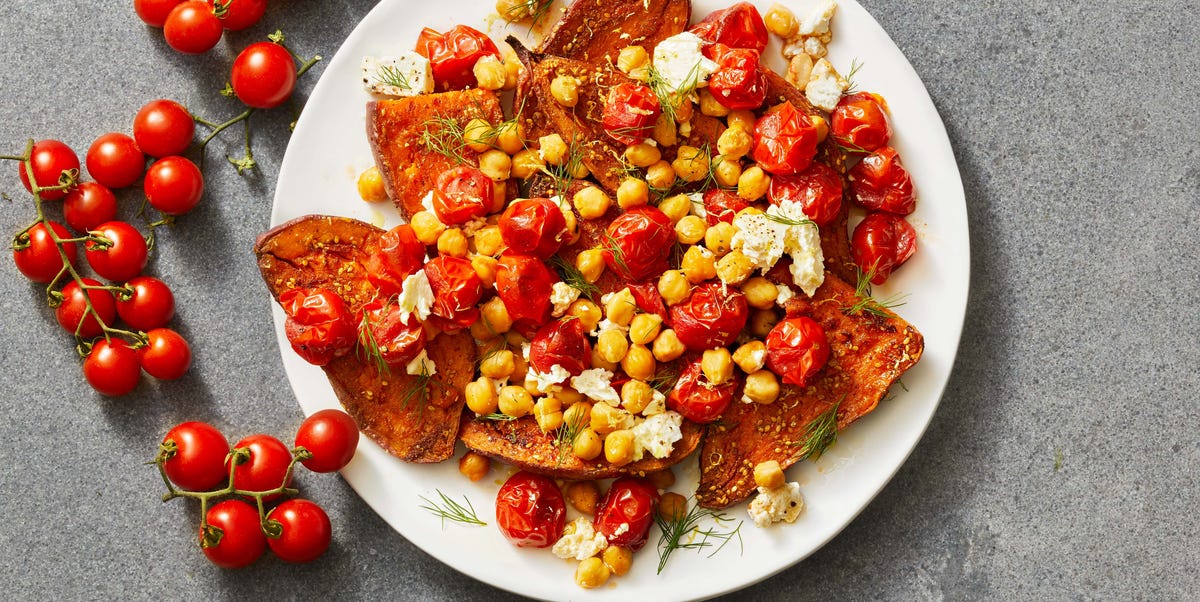
Best Dukkah Sweet Potato Bake Recipe – How To Make Dukkah Sweet Potato Bake
Jul
Some side dishes whisper politely from the corner of the table. This one walks in wearing a velvet blazer and somehow smells like a holiday, a dinner party, and a weeknight win all at once. That is the magic of a dukkah sweet potato bake: tender sweet potatoes, roasty edges, a nutty crunchy topping, and just enough creamy, tangy contrast to keep every bite from becoming a one-note sugar parade.
If you have never made one before, do not worry. This is not one of those recipes that requires a culinary degree, a copper pan blessed by a French grandmother, or a spice drawer organized like a library. It is actually very doable. You roast sweet potatoes until they turn silky and caramelized, top them with a bold dukkah seasoning, and finish the bake with a creamy element that helps the crunchy topping pop even more. The result is a dish that feels special without behaving like a diva.
This version is designed to be practical, flavorful, and highly shareable. It works for holidays, potlucks, dinner parties, meal prep, and those evenings when you want vegetables but also want them to taste like they got dressed up for the occasion. Better yet, it is endlessly flexible. You can go richer, lighter, spicier, nuttier, tangier, or slightly sweeter depending on who is coming to dinner and how dramatic you are feeling.
Why This Is the Best Dukkah Sweet Potato Bake Recipe
The best recipes usually understand contrast, and this one absolutely does. Sweet potatoes bring creamy texture and natural sweetness. Dukkah brings crunch, salt, nuttiness, sesame flavor, and warm spices. A yogurt or tahini-based finish adds coolness and a little tang. Fresh herbs brighten everything up. In other words, this bake has range.
It is also a smart recipe from a texture standpoint. When sweet potatoes are roasted at a high temperature, their surfaces brown and caramelize while the insides go soft and fluffy. That means each forkful can have crisp edges, creamy centers, and a topping that crackles just enough to make you look around the table and say, “Okay, who made this?” even though the answer is you.
Another reason this dish works so well is that dukkah is not just a seasoning. It behaves like a finishing crunch. Think of it as the more interesting cousin of breadcrumbs, the one who studied abroad and came back with excellent opinions about toasted seeds.
What Is Dukkah?
Dukkah is a fragrant blend traditionally made with toasted nuts, sesame seeds, and warm spices such as cumin and coriander. Some versions include fennel, pepper, or other spices depending on the cook. The flavor is earthy, nutty, aromatic, and savory, which makes it a perfect partner for sweet potatoes. Sweet vegetables love anything that can bring contrast, and dukkah shows up ready to do the job.
You can buy dukkah at specialty markets or make a quick homemade version in minutes. Homemade is especially nice because you can control the texture. For a sweet potato bake, you want it somewhat coarse, not powdered into oblivion. Tiny crunchy bits are the point.
Quick Homemade Dukkah
- 1/2 cup pistachios, hazelnuts, or almonds
- 1/4 cup sesame seeds
- 1 tablespoon coriander seeds
- 2 teaspoons cumin seeds
- 1 teaspoon fennel seeds
- 1/2 teaspoon black pepper
- 3/4 teaspoon kosher salt
Toast the nuts and seeds separately until fragrant, let them cool, then pulse everything together until crumbly. Stop before it turns into nut butter. This is a topping, not a science experiment gone wrong.
Ingredients for Dukkah Sweet Potato Bake
Here is everything you need for a generous baking dish that serves about 6 to 8 people.
- 3 pounds sweet potatoes, peeled and cut into thick rounds or wedges
- 2 1/2 tablespoons olive oil
- 1 teaspoon kosher salt
- 1/2 teaspoon black pepper
- 1/2 teaspoon smoked paprika
- 1/4 teaspoon ground cinnamon
- 3/4 cup dukkah, store-bought or homemade
- 3/4 cup plain Greek yogurt
- 2 tablespoons tahini
- 1 tablespoon lemon juice
- 1 small garlic clove, finely grated
- 1 to 2 tablespoons cold water, as needed
- 2 tablespoons chopped parsley or cilantro
- Optional: pomegranate seeds, crumbled feta, red pepper flakes, or hot honey
This ingredient list hits the sweet spot between cozy and interesting. The cinnamon is subtle, not dessert-like. The paprika adds warmth. The yogurt-tahini mixture gives the bake a creamy counterpoint without making it heavy. If you want a vegan version, use a thick unsweetened plant-based yogurt.
How To Make Dukkah Sweet Potato Bake
Step 1: Roast the Sweet Potatoes
Preheat the oven to 425°F. Line a large sheet pan or a 9×13-inch baking dish with parchment if you want easier cleanup. Toss the sweet potatoes with olive oil, salt, pepper, smoked paprika, and cinnamon until evenly coated.
Spread them out in a single layer. This part matters. If they are piled together like they are waiting for a concert to start, they will steam instead of roast. Give them personal space. Roast for 25 minutes, flip, and continue roasting for another 15 to 20 minutes until the edges are browned and the centers are tender.
Step 2: Make the Creamy Sauce
While the sweet potatoes roast, stir together the Greek yogurt, tahini, lemon juice, garlic, and a pinch of salt. Add cold water a little at a time until the mixture becomes spoonable but still thick. You want a drizzle, not a soup.
This sauce does a lot of heavy lifting. It cools down the spices, balances the sweetness, and gives the dish a restaurant-style finish. Also, it makes everything look fancier, which is always welcome.
Step 3: Add the Dukkah
Transfer the roasted sweet potatoes to a baking dish if you used a sheet pan. Spoon over a little of the yogurt-tahini sauce, then sprinkle the dukkah generously over the top. Return the dish to the oven for 5 to 8 minutes, just enough to warm the topping and help it cling to the potatoes.
Do not bury the whole thing in sauce before baking. The goal is contrast. Too much moisture too early and your beautiful crunchy topping turns into a sad, damp blanket.
Step 4: Finish and Serve
Once the bake comes out of the oven, drizzle the remaining sauce over the top. Finish with chopped herbs and, if you like, pomegranate seeds, feta, or a pinch of red pepper flakes. Serve warm.
The first thing people notice is usually the smell. Toasted nuts, sesame, warm spices, and caramelized sweet potato have a way of making a kitchen smell like someone competent lives there.
Tips for the Best Sweet Potato Bake Every Time
Choose the Right Sweet Potatoes
Orange-fleshed sweet potatoes are ideal here because they roast up soft, creamy, and naturally sweet. Try to buy ones that are similar in size so they cook evenly. No one wants one slice turning silky while another slice remains emotionally unavailable.
Cut for Texture
Rounds look pretty, but wedges often give you more edge surface for browning. If you are making this for a holiday table and want visual drama, layer thick rounds in a slightly overlapping pattern. If you want maximum caramelized bits, go with wedges.
Do Not Skip the High Heat
A hot oven is what gives you those deep roasted edges and concentrated flavor. Lower temperatures can cook sweet potatoes through, but they are less likely to give you that irresistible roasted character.
Keep the Dukkah Coarse
Whether homemade or store-bought, dukkah should have texture. You want small crunchy pieces of nuts and seeds, not dust. Dust is for shelves. Dukkah is for flavor.
Balance Sweetness with Acid
Sweet potatoes are naturally sweet, so they benefit from lemon juice, yogurt, feta, or a small splash of vinegar somewhere in the dish. That little bit of brightness keeps the bake lively and prevents it from feeling too rich.
Flavor Variations You Can Try
1. Spicy Dukkah Sweet Potato Bake
Add a pinch of cayenne to the sweet potatoes or finish the dish with hot honey or chili crisp. The heat plays beautifully with the natural sweetness and makes the whole bake feel bolder.
2. Feta and Herb Version
Add crumbled feta after baking for a salty, creamy finish. Fresh mint, parsley, or dill can push the dish in a brighter, more Mediterranean direction.
3. Maple Dukkah Bake
If you want a holiday-style version, drizzle just a little maple syrup onto the sweet potatoes before the final bake. Keep it restrained. You are aiming for a whisper of sweetness, not a pancake situation.
4. Vegan Version
Use a thick dairy-free yogurt and make sure your dukkah contains no surprise ingredients. This version still delivers the creamy-crunchy contrast that makes the dish sing.
5. Main Dish Upgrade
Top the bake with crispy chickpeas, lentils, or roasted cauliflower and serve it as a vegetarian main. Add greens on the side and suddenly dinner looks suspiciously well planned.
What To Serve with Dukkah Sweet Potato Bake
This bake is versatile enough to sit beside roast chicken, grilled salmon, lamb, or a simple green salad. It also works on a holiday table with turkey or ham, especially if you want something more modern than the usual marshmallow-topped casserole. For a vegetarian spread, pair it with grain salad, roasted broccoli, or a lemony lentil dish.
If you are entertaining, this is one of those recipes that makes the table look more expensive than it actually is. The colors help. Orange sweet potatoes, green herbs, white sauce, ruby pomegranate seeds, and golden dukkah are basically doing interior design for your dinner plate.
Can You Make It Ahead?
Absolutely. Roast the sweet potatoes and mix the sauce up to a day ahead. Store them separately in the refrigerator. Reheat the potatoes in the oven until warm and crisp again, then add the dukkah and sauce just before serving.
If you fully assemble it too early, the topping can lose its crunch. That is not a tragedy, but it is a missed opportunity. This dish is at its best when the textures still have distinct personalities.
Is Dukkah Sweet Potato Bake Healthy?
Healthy is a broad word, but this dish has plenty going for it. Sweet potatoes offer fiber and are especially known for beta-carotene, which the body can convert to vitamin A. The nuts and seeds in dukkah contribute richness and texture, and the yogurt-based sauce can add protein and tang without requiring a heavy cream situation. In other words, it tastes cozy without feeling clumsy.
Of course, it is still a side dish designed to be delicious, so the smartest nutrition strategy is simple: enjoy it as part of a balanced meal and try not to eat the entire baking dish while standing at the stove. Or at least use a proper fork.
Common Mistakes To Avoid
- Overcrowding the pan: this prevents browning.
- Using wet sweet potatoes: dry them after peeling so the oil can coat them properly.
- Adding all the sauce before baking: save most of it for the end.
- Grinding the dukkah too fine: crunch matters.
- Underseasoning: sweet potatoes need enough salt to taste balanced.
Final Thoughts
If you are looking for the best dukkah sweet potato bake recipe, the real secret is not complexity. It is balance. Roast the sweet potatoes until they are deeply caramelized. Use a dukkah that tastes nutty, toasty, and alive. Add a creamy, tangy sauce. Finish with herbs and let the textures do the flirting.
This is the kind of side dish that can quietly become the star of the meal. It is familiar enough to comfort people and interesting enough to impress them. And once you make it, there is a decent chance someone will ask for the recipe before dessert shows up. That is always a good sign.
Experience Notes: What It’s Really Like To Make and Serve This Dish
One of the best things about making a dukkah sweet potato bake is how forgiving it feels in a real kitchen. Not a TV kitchen. Not a fantasy kitchen with twelve matching bowls and sunlight performing professionally through the windows. A real kitchen, where the cutting board slides a little, someone asks what is for dinner every six minutes, and you are pretty sure the good sheet pan is already in the dishwasher. This recipe still works there.
The first experience most cooks have with it is surprise at how good the house smells. Sweet potatoes already bring that warm, roasted aroma that feels comforting. Then the dukkah joins the party with toasted sesame, warm cumin, coriander, and nuts. Suddenly the kitchen smells like a tiny corner of a very stylish café where everything costs too much but tastes incredible. It is the kind of smell that makes people wander in and ask whether they can “just try one piece,” which is almost never limited to one piece.
Another very real experience is discovering how useful this dish is for different kinds of meals. On a weeknight, it can be the star with a salad and maybe some chickpeas on top. For a holiday, it becomes the side dish that people remember because it offers something richer and more modern than the usual sweet potato casserole routine. At a potluck, it travels surprisingly well if you keep the sauce separate and finish it right before serving. That little move makes you look organized, even if you packed the serving spoon at the last second.
There is also a nice confidence boost built into this recipe. It looks impressive. Layered sweet potatoes, drizzled sauce, crunchy topping, fresh herbs, maybe a few jeweled pomegranate seeds if you are feeling dramatic. It looks like effort. But the actual method is straightforward: roast, mix, sprinkle, finish. This is the culinary equivalent of wearing a very polished outfit that secretly feels like pajamas.
People also tend to remember the texture more than anything else. The creamy centers of the sweet potatoes, the crisp edges from roasting, and the crackly dukkah topping make each bite interesting. That matters more than cooks sometimes realize. Texture is often the difference between “pretty good” and “can you send me that recipe tonight?” This bake delivers the second response more often than not.
And then there is the flexibility, which becomes more obvious each time you make it. The first round might be classic, with yogurt, tahini, herbs, and dukkah. The next time you add feta. Then maybe a little chili oil. Then maybe maple for a holiday version. Over time, the dish starts to feel less like a strict recipe and more like a reliable framework. That is usually when a recipe becomes part of regular life instead of just being bookmarked and forgotten between banana bread ambitions and salad fantasies.
In the end, the experience of making this bake is deeply satisfying because it feels both practical and a little special. It does not ask for outrageous effort, but it gives back strong flavor, beautiful presentation, and the very pleasant possibility of leftovers. And if there are no leftovers, that usually means you made the right thing.
SEO Tags

