
Body Care
Author Explains Why So Many Young People Resign From Their Jobs And His Twitter Thread Goes Viral
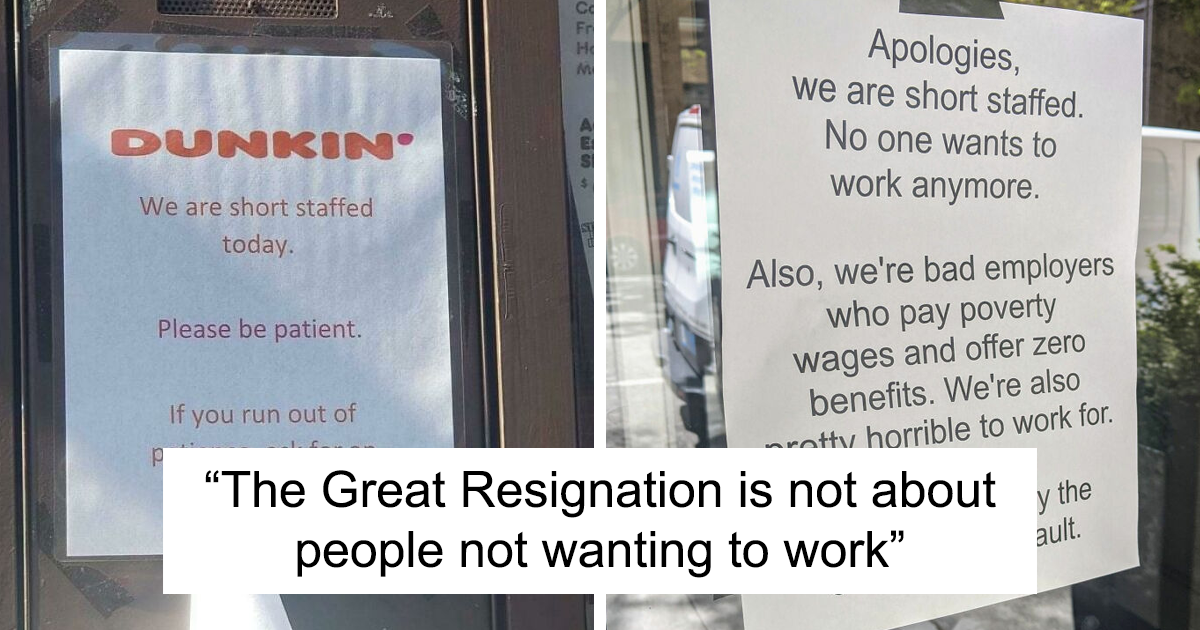
Jul
It starts the way most workplace revolutions start now: not with a union meeting or a sternly worded memo, but with a thread. An author posts a punchy take on why so many young people are resigning, and suddenly your feed is full of people replying with: “THIS.” “I thought it was just me.” “My manager should read this (but he can’t even find the PDF I emailed him).”
The thread goes viral because it doesn’t feel like a lecture. It feels like someone finally said the quiet part out loudabout pay that doesn’t match rent, about “growth opportunities” that are just more work, and about being told to “bring your whole self to work” right after your whole self gets scheduled for a 6 a.m. meeting.
But here’s the twist: the author isn’t revealing one secret reason young workers quit. He’s translating a whole stack of reasonseconomic, cultural, and painfully day-to-dayinto a story people recognize. And recognition is rocket fuel on social media.
Why the Thread Hits So Hard: It Names What People Already Feel
Viral workplace threads tend to do three things well:
- They validate experiences people assumed were “just a me problem.”
- They simplify messy systems into memorable phrases (“disrespected,” “stuck,” “burned out”).
- They give language to something workers struggle to explain to bosses, parents, or even themselves.
The author’s central message is basically this: young people aren’t quitting because they’re allergic to effort. They’re quitting because the deal they were offered doesn’t feel like a deal anymore.
The Real Reasons Young People Resign (And Why It’s Not One Thing)
1) Pay that doesn’t keep up with life
For a lot of early-career workers, “competitive pay” is corporate for “we checked what other underpaying companies pay and decided to match them.” When the cost of living jumps but wages and schedules don’t, quitting becomes less of a dramatic statement and more of a budgeting strategy.
And yespeople do leave for more money. But what’s often underestimated is how quickly “more money” turns into “finally enough money to breathe.” That’s not greed; that’s arithmetic.
2) No clear path forward (aka “career treadmill syndrome”)
Young workers tend to tolerate hard work when it’s clearly connected to growth. The problem is that many jobs offer a vague promise of advancementwithout a visible ladder, consistent feedback, or training that isn’t just “watch this 37-minute compliance video.”
When people can’t see what “good” looks like or how to reach it, they don’t stay loyal. They stay anxious. And anxious employees eventually update their résumés at 11:48 p.m.
3) Feeling disrespected isn’t a “soft” issueit’s a quitting issue
Disrespect shows up in a thousand small ways: being talked over, being mocked for asking questions, having boundaries treated like personal insults, or being rewarded with… more work.
The thread resonates because it frames disrespect as the hidden tax on young workers: it drains energy, motivation, and trust until the paycheck can’t compensate for the daily emotional cost.
4) Toxic culture and bad managementstill undefeated champs
If the author’s thread had a villain, it would be “the manager who makes everything harder than it needs to be.” Not every manager, obviously. But enough to create a pattern people recognize instantly.
Toxic environments don’t always look like screaming matches. Sometimes they look like favoritism, constant urgency, unclear expectations, and a workplace where mistakes are punished but success is ignored. The more “high-performing” the chaos claims to be, the more workers quietly decide they’d rather be medium-performing somewhere sane.
5) Burnout isn’t a phase; for many, it’s the baseline
Burnout is often described as “being tired,” but it’s more specific than that. It’s the combination of chronic stress, low control, and the sense that nothing you do is enough. For young workersespecially those who entered the workforce during or right after the pandemicburnout can show up early.
And once burnout becomes your normal, quitting starts to feel like the only “self-care” option that actually works.
6) Flexibility became a standard, and then some companies tried to un-invent it
Remote and hybrid work didn’t just change where people worked. It changed what people believed was possible: fewer pointless commutes, more control over focus time, and a healthier boundary between work and life.
So when organizations roll out strict return-to-office mandates without a clear purpose, some employees interpret it as a trust downgrade. In other words: “We don’t believe you work unless we can see your chair.”
7) The “meaning” factor: young workers want the job to add up
Not every job needs to feel like a calling. But many young workers want at least one of these:
- Work that connects to a bigger purpose (even a small one)
- A company that behaves like it has values, not just posters about values
- A role that builds skills that travel well
When none of that is present, the job becomes “just a job”and people feel less guilty leaving it.
Why This Is Happening More Publicly Now
Social media turns private frustration into public narrative
A viral Twitter/X thread is basically a modern campfire story. People gather around it, nod, share their own versions, and realize they’re not alone. That sense of collective experience reduces the shame many people used to feel about leaving.
Quitting is content (and sometimes a coping mechanism)
Trends like posting resignations or “QuitTok” videos blur the line between storytelling and catharsis. For some workers, sharing the moment feels like reclaiming power after months of feeling invisible.
That doesn’t mean public quitting is always smart (more on that later). But it explains why the author’s thread spreads: it’s not just informationit’s emotional release with a retweet button.
The Data-Backed Backstory: The Great Resignation, Then the Great Recalibration
The pandemic-era labor market gave workers more leverage than they’d had in years. Quitting was easier when job openings were plentiful and employers were scrambling. People tested the market and often found better pay, better schedules, or at least a better manager.
As the labor market cooled, job-switching became more cautiousyet the underlying issues didn’t magically disappear. Many young workers still report stress, isolation, and feeling undervalued. The difference is that now, some resignations are less “I’m chasing the bag” and more “I’m protecting my sanity.”
Concrete Examples: What “I Quit” Looks Like in Real Life
Example A: The early-career coordinator with three unofficial jobs
A marketing coordinator gets hired for campaign support. Within six months, they’re doing social media, email, event logistics, and the company newsletterwithout a title change or a raise. Their manager calls it “stretching.” They call it “unpaid expansion pack.”
Example B: The retail worker whose schedule changes like the weather
A retail associate can’t plan doctor appointments or classes because schedules are posted late and changed often. They’re told to “be flexible,” but flexibility only flows one way. They quitnot because they hate work, but because they want a life that isn’t constantly on standby.
Example C: The new hire who gets trained by vibes
A new grad joins a team where documentation doesn’t exist, expectations are unclear, and feedback arrives only as sarcasm. They start doubting themselves. Then they realize the systemnot their abilityis the problem. They leave for a workplace that trains people like it actually wants them to succeed.
What Employers Can Do (If They’d Like Fewer “Surprise Resignations”)
If you manage people and want to reduce turnoverespecially among young workersfocus on what actually drives resignations. Not snack bars. Not “funny Slack gifs.” Not an annual “Wellness Week” that schedules three mandatory webinars.
1) Make pay and growth feel real
- Share salary bands and promotion criteria.
- Run regular compensation check-ins, not just annual reviews.
- Offer training that builds transferable skills.
2) Fix the manager layer
- Train managers to give clear expectations and useful feedback.
- Reward managers for retention and development, not just output.
- Stop promoting the best individual contributor into management without support.
3) Reduce chaos and “always-on” culture
- Clarify priorities weekly so everything isn’t urgent.
- Protect focus time; limit meeting creep.
- Set norms for after-hours communication.
4) Treat flexibility as strategy, not a perk you can revoke
If you’re changing hybrid policies, explain why, show the goals, and measure outcomes. “Because leadership said so” is not a change-management plan. It’s a resignation generator.
5) Build belonging without forcing fake closeness
Young workers often want community at workbut not mandatory fun. Create real connection through mentorship, support, fair treatment, and team trust. Skip the “mandatory karaoke bonding experience,” unless you enjoy watching turnover rise in harmony.
What Young Workers Can Do (Quitting Smarter, Not Just Faster)
Resigning can be a healthy move, but strategy matters. Here are practical ways to protect your future while protecting your peace:
- Document your achievements before you leave. Future-you will thank you during interviews.
- Know your non-negotiables (pay, schedule, growth, manager behavior) so you don’t repeat the pattern.
- Exit with professionalism even if the job didn’t deserve it. Professionalism is for your reputation, not their feelings.
- Be careful with public resignations. Going viral can feel empowering, but the internet has a long memory and recruiters have search bars.
Bonus: of Real-World Experiences That Match the Viral Thread
Experience 1: The “high potential” employee who gets rewarded with burnout. A 24-year-old analyst gets labeled a rising star. At first, it’s flattering: more projects, bigger visibility, “leadership opportunities.” But the workload grows faster than the support. They become the go-to fixer for messy work nobody else wants, and the praise starts to replace actual resources. After a few months, they’re not excited by new assignmentsthey’re bracing for them. The resignation isn’t impulsive. It’s the only way they can stop the job from eating the rest of their life.
Experience 2: The quiet erosion of trust. A young worker asks for feedback and gets vague reassurance: “You’re doing great.” Later, they’re surprised by a negative performance review filled with criticisms that were never mentioned before. The employee doesn’t just feel disappointedthey feel tricked. The next time a recruiter reaches out, they listen. They’re not quitting the company’s mission; they’re quitting the uncertainty.
Experience 3: The “return to office” whiplash. A team is hired with the understanding that hybrid work is normal. Then policies shift: more in-office days, fewer exceptions, more monitoring. The commute adds cost and time, and the office days aren’t even collaborativethey’re headphones-at-your-desk days. One employee tries to adapt. Another asks for a formal accommodation and gets stonewalled. Eventually, they accept a job that offers flexibility and treats adults like adults. They don’t leave angry; they leave exhausted.
Experience 4: The manager who turns everything into a personality test. A new hire is eager but inexperienced. Instead of coaching, their manager responds with sarcasm, public correction, and “you should already know that.” The employee starts staying quiet in meetings, not because they have nothing to say, but because speaking feels risky. Over time, they disengagethen they exit. The company thinks they lost someone who “wasn’t a fit.” The employee thinks they escaped a workplace that confused humiliation with leadership.
Experience 5: The job that pays okay but costs too much emotionally. Not every quitting story is about money. Sometimes the salary is fine, but the environment is draining: constant tension, unclear priorities, gossip, blame, and a feeling that one small mistake could become a public spectacle. The employee starts waking up with dread on Sunday night. They begin to realize the job isn’t just stressfulit’s changing them. When they resign, friends call it brave. The employee calls it necessary.
Conclusion
The author’s viral Twitter/X thread goes viral for the same reason so many young workers are resigning: people are done pretending the old workplace deal still makes sense. Quitting isn’t always about laziness or entitlementit’s often about pay that doesn’t stretch, growth that never arrives, managers who drain trust, and cultures that treat burnout like a badge.
If employers want retention, the answer isn’t “make them tougher.” It’s “make the job worth staying for.” And if workers want a career that lasts, the goal isn’t to quit dramaticallyit’s to choose deliberately, grow intentionally, and refuse to normalize misery as a personality trait.

