
Body Care
#887 Talking About How Much the Meal You’re Eating at Home Would Cost at a Restaurant – 1000 Awesome Things
Jul
There is a special kind of joy that appears halfway through a homemade meal, usually right after someone takes the first bite, pauses dramatically, and says, “You know what this would cost at a restaurant?” Suddenly, the kitchen table becomes a tiny accounting department. Someone estimates the steak at $38. Someone else adds “at least $14 for the side salad.” A third person, who has clearly been waiting for this moment all evening, reminds everyone that the drinks would be “absolutely criminal” after tax and tip.
And just like that, dinner becomes more than dinner. It becomes a victory lap with mashed potatoes.
This small ritual, made famous by the 1000 Awesome Things idea of celebrating everyday happiness, captures a wonderfully human habit: turning a home-cooked meal into a private restaurant review where the chef is wearing socks, the server is also your spouse, and the dishwasher is unfortunately you. Still, the feeling is real. When you compare the cost of eating at home versus dining out, you are not only doing mental math. You are appreciating effort, flavor, thrift, and the tiny luxury of eating something delicious without needing a reservation, valet parking, or a waiter named Chad explaining the “concept” of soup.
The Magic of the “Restaurant Price” Conversation
The conversation usually starts innocently. Someone looks at the meal on the table and recognizes that it has restaurant energy. Maybe it is a sizzling cast-iron steak with garlic butter. Maybe it is homemade lasagna with bubbling cheese, roasted vegetables, and a salad that contains more than three ingredients, which already makes it suspiciously upscale. Maybe it is tacos with all the fixings, and everyone knows the guacamole alone would require a small loan if ordered outside.
At home, the ingredients may have cost $25, $40, or $60 depending on the meal and the number of people. At a restaurant, that same dinner might easily become a $120 evening after entrées, appetizers, drinks, tax, tip, and the mysterious “we ordered fries for the table” fee. That gap is where the joy lives. It is the emotional profit margin of home cooking.
In recent years, the comparison has become even more satisfying because restaurant meals have continued to feel expensive for many Americans. U.S. food data has consistently shown that food away from home tends to rise faster than grocery prices, and restaurant operators face costs that home cooks do not: labor, rent, utilities, insurance, payment processing, delivery platform fees, packaging, marketing, and the emotional labor of smiling when a customer asks if the gluten-free pasta can also “not taste gluten-free.”
So when you sit at home and say, “This would be $28 at a restaurant,” you are not being cheap. You are participating in economic analysis with a fork.
Why Home-Cooked Meals Feel Like a Bargain
The biggest difference between home cooking and restaurant dining is not just ingredient cost. It is everything around the food. At home, nobody charges you for ambiance, even if the ambiance includes a laundry basket on the couch and one lightbulb that flickers like a haunted bistro. Restaurants must price meals to cover food, staff, equipment, cleaning, rent, menu development, waste, management, and the fact that someone has to fold napkins into shapes that say, “We have overhead.”
A restaurant dish is rarely priced as “ingredients plus a little extra.” It has to support the whole operation. A plate of pasta may include only a few dollars of flour, eggs, tomatoes, garlic, cheese, and herbs. But the menu price also pays for the cook who made it, the server who carried it, the dishwasher who rescued the plate afterward, the electricity that boiled the water, and the lease on the dining room where people are discussing whether burrata is just fancy mozzarella with a trust fund.
At home, your “restaurant” has unusual advantages. The rent is already being paid. The staff works for leftovers. The dress code is flexible. The chef can taste directly from the spoon and call it “quality control.” There is no corkage fee, no parking fee, and no awkward moment when the server asks if you are “still working on that” while you are clearly guarding the last roasted potato with your life.
Specific Examples: The Home Table vs. the Restaurant Table
Example 1: Steak Night
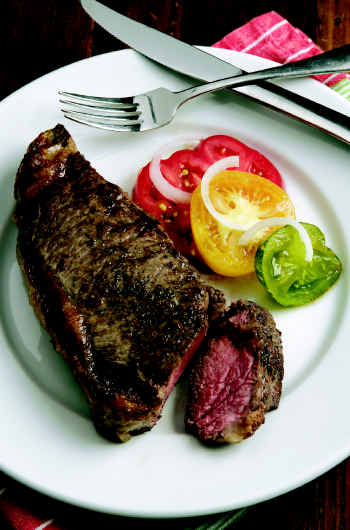
Imagine two ribeye steaks, roasted potatoes, sautéed green beans, garlic butter, and a simple salad. At the grocery store, this meal may not be cheap, especially when beef prices are high, but it can still feel like a win compared with a steakhouse bill. At a restaurant, each steak entrée might be priced separately, sides may cost extra, and a simple glass of wine can turn into a dramatic financial subplot. At home, the steak is cooked exactly how you like it, the potato portion is generous, and nobody judges you for putting extra butter on everything except maybe the dog.
Example 2: Homemade Pasta Night
Pasta is one of the greatest “this would cost so much outside” meals because restaurants can make it look elegant with a wide bowl, a sprinkle of herbs, and a confident menu description. “Hand-tossed rigatoni in slow-simmered tomato basil sauce” sounds like something that should arrive with mood lighting. At home, it is still pasta, but if you use quality cheese, fresh herbs, and a sauce you simmered longer than your last online meeting, it feels luxurious. Add garlic bread and salad, and suddenly the dining room becomes a neighborhood trattoria where the chef also controls the thermostat.
Example 3: Taco Night
Taco night is where home cooking becomes a full-blown value festival. Tortillas, seasoned meat or beans, shredded lettuce, cheese, salsa, onions, cilantro, lime, sour cream, and guacamole can feed a table beautifully. In a restaurant, each taco may be priced individually, guacamole may cost extra, and chips can become a line item. At home, the toppings sit in bowls like edible confetti, and everyone builds their plate according to personal chaos level. Someone makes a perfect taco. Someone else creates a tortilla landslide. Both are valid.
Example 4: Breakfast-for-Dinner
Breakfast at a restaurant has become one of the sneakiest bill builders. Pancakes, eggs, bacon, coffee, juice, and maybe a side of hash browns can add up quickly, especially for a family. At home, pancakes are basically flour having a glow-up. Eggs, toast, fruit, and coffee can become a cozy meal for a fraction of the cost. Plus, you can wear pajamas, which would be frowned upon at many brunch places despite brunch itself being spiritually pajama-adjacent.
The Psychology of the “Cheapskate High”
The phrase “cheapskate high” sounds funny because it names something many people feel but rarely admit. It is the little rush you get when you realize you received more value than you paid for. It is not about being stingy. It is about feeling clever. You beat the system without doing anything illegal, unless eating half the garlic bread before dinner counts.
This feeling is especially powerful with food because meals are emotional. We do not compare prices like cold machines. We compare the entire experience: taste, comfort, company, portion size, leftovers, and whether we had to put on shoes. A home-cooked meal can feel valuable because it combines savings with intimacy. You know who made it. You saw the chopping, stirring, tasting, and last-minute panic when the sauce looked too thin. The meal has a story before it even reaches the plate.
Restaurants offer pleasure too, of course. Dining out provides convenience, service, atmosphere, discovery, and a break from dishes. A good restaurant meal is not merely food; it is an outing. But the home version has its own luxury: control. You can add more garlic, reduce the salt, make the portions huge, use the good olive oil, skip the reservation, and eat dessert directly from the pan like a pioneer with Wi-Fi.
Why This Topic Works So Well for SEO and Readers
The title “#887 Talking about how much the meal you’re eating at home would cost at a restaurant – 1000 Awesome Things” has strong appeal because it blends nostalgia, humor, home cooking, money-saving, and everyday happiness. People search for practical food topics such as “home cooking vs eating out,” “restaurant prices,” “how to save money on food,” “budget-friendly meals,” and “why cooking at home is cheaper.” But they also enjoy content that recognizes a familiar moment. This article is not only about math. It is about that proud table conversation where everyone becomes a menu consultant.
From an SEO perspective, the topic naturally supports related keywords without forcing them. Phrases like home-cooked meals, restaurant cost comparison, food away from home, grocery budget, family dinner, cooking at home, and affordable meals fit smoothly into the discussion. The key is to keep the writing human. Nobody wants to read a robotic paragraph that says, “Home-cooked meals restaurant cost comparison affordable meals cooking at home” unless they are being punished by an algorithm with no taste buds.
The Real Reason Restaurant Food Costs More
It is tempting to look at a restaurant plate and think, “I could make that for less.” Often, you can. But that does not mean restaurants are simply overcharging. Restaurants must solve problems home cooks never face. They need consistent supply chains, trained staff, safe food handling, menu testing, licenses, scheduling, accounting, equipment maintenance, cleaning systems, and enough revenue to survive slow Tuesdays when the only customer is a guy ordering iced tea and writing a screenplay.
Food cost is only one piece of the menu price. Labor is another major factor, especially for full-service restaurants. Then come rent, utilities, repairs, linen service, insurance, technology, credit card fees, delivery commissions, and waste. If a restaurant buys beautiful produce and half of it spoils before the weekend rush, the cost does not politely disappear. It sneaks into the price of your salad.
That is why the home-cooked version feels so victorious. You are not reproducing the entire restaurant business model. You are borrowing the best partthe delicious mealand leaving the overhead outside like an umbrella you do not want to bring in.
How to Play the Home Meal Price Game
The game is simple. After everyone has taken a few bites, ask, “What would this cost at a restaurant?” Then let the estimates fly. The trick is to include the full dining-out experience, not just the entrée. Add appetizers if the meal has a starter. Add drinks, sides, dessert, tax, and tip. If the meal is especially good, add a fake “chef’s confidence surcharge.”
For example, suppose your homemade dinner includes roasted chicken, mashed potatoes, green beans, salad, rolls, and brownies. At home, it might feed four people with leftovers. At a casual restaurant, four chicken entrées, sides, drinks, and dessert could easily climb into a much larger bill. The exact number depends on the city, restaurant type, and order, but the conversation is the point. It makes everyone notice the value of what is already on the table.
You can also make it fun by assigning roles. One person becomes the menu writer: “Pan-seared chicken with rustic potato purée and garden vegetables.” Another becomes the skeptical diner: “Is the brownie locally sourced?” Someone else becomes the accountant, quietly calculating tip percentages with the seriousness of a NASA launch.
How Home Cooking Builds More Than Savings
Cooking at home is not only a budget move. It can also support healthier routines, stronger family connections, better portion control, and more food awareness. When people cook, they see what goes into a meal. They learn which ingredients stretch, which leftovers transform, and which recipes are secretly just vehicles for cheese. Shared meals can also create conversation and routine, especially for families, roommates, couples, and friends who might otherwise eat separately while scrolling through the glowing rectangle of doom.
There is also pride in serving something you made. Even if the dish is simple, it carries effort. A homemade soup says, “I chopped things.” A roasted chicken says, “I planned ahead.” A cake says, “I believe frosting solves several categories of human suffering.” The meal does not have to be perfect to feel special. In fact, a little imperfection can make it more memorable. Nobody forgets the lasagna that needed a spoon because it lost structural integrity but still tasted like a hug.
Budget Tips for Making Restaurant-Worthy Meals at Home
Use One Premium Ingredient
You do not need an entire cart full of expensive items to create a restaurant feeling. Choose one premium ingredientgood cheese, fresh herbs, quality bread, a better cut of meat, or excellent chocolateand let it carry the meal. A little luxury goes a long way when it is used intentionally.
Plate the Food Like You Mean It
Restaurants know presentation matters. At home, a clean plate, a sprinkle of herbs, a drizzle of sauce, or lemon wedges can make dinner feel fancy. This is not about being pretentious. It is about telling your Tuesday pasta, “You clean up nice.”
Cook in Batches
Many restaurant-style foods work well in larger batches: soups, stews, sauces, roasted vegetables, pulled pork, lasagna, chili, curry, and casseroles. The first meal is dinner. The second meal is savings wearing leftovers as a cape.
Make the Sides Count
Restaurants often make money on sides, and home cooks can use that knowledge wisely. A simple entrée becomes impressive with roasted carrots, crispy potatoes, rice pilaf, sautéed greens, or a bright salad. The sides make the plate look abundant without requiring a second mortgage.
Recreate the Experience, Not Just the Dish
Light a candle. Put water in actual glasses. Play music. Use cloth napkins if you have them, or paper towels folded with unreasonable confidence. The restaurant feeling comes from attention, not just ingredients.
Experience Section: The Joy of Pricing Your Own Dinner Like a Tiny Restaurant Critic
The best part of this whole ritual is how quickly it changes the mood at the table. One minute everyone is just eating. The next minute, the meal has a backstory, a price point, and possibly a fake Yelp review. I have seen a simple homemade burger night turn into a full debate about whether the burger would be $16 or $19 at a trendy gastropub. Someone insisted the caramelized onions made it “craft.” Someone else said the toasted bun pushed it into “downtown pricing.” The fries were served in a bowl, not a tiny metal basket, but emotionally they were worth $7.
Lasagna is another classic. Homemade lasagna has restaurant confidence because it requires layers, patience, and enough cheese to make everyone temporarily believe the world is manageable. When a bubbling tray comes out of the oven, the price guessing begins almost automatically. “This slice would be $18,” someone says. “No, $22 if it came with salad.” Then another person points out that the restaurant would call it “Nonna-style,” even if Nonna was not consulted. By the end, everyone agrees the pan is worth at least $95 retail and immeasurable spiritual value.
Grill nights may be the champion of the genre. Put chicken, corn, peppers, and sausages on a grill, add a big salad and a cooler of drinks, and suddenly the backyard becomes a restaurant with questionable seating but excellent vibes. The smoky smell alone feels expensive. Someone will inevitably say, “Imagine ordering all this out.” Then everyone silently looks at their plate with renewed respect, as if the corn has just revealed a second career in finance.
There is also a deeply satisfying leftover effect. At a restaurant, leftovers are a nice bonus, but at home, they are part of the master plan. Tonight’s roast chicken becomes tomorrow’s sandwich. The extra rice becomes fried rice. The chili becomes nachos. The soup becomes lunch and, if you made too much, a personality trait. When you calculate restaurant value, leftovers make the savings feel even better because the meal keeps paying dividends. It is dinner with compound interest.
One of the funniest experiences is when the meal is clearly not restaurant-perfect, but everyone plays along anyway. The pizza is oddly shaped. The salad is overdressed. The cookies are “rustic,” which is what we say when baked goods look like they survived a minor landslide. Still, someone says, “Artisan places charge extra for that.” And they are right, at least emotionally. Imperfection at home feels charming. Imperfection at a restaurant may require speaking to a manager named Brent.
This habit also makes people appreciate the cook. When you ask what the meal would cost outside, you are indirectly saying, “This is good enough to compare.” That is a compliment hiding inside a spreadsheet. It recognizes planning, shopping, chopping, seasoning, timing, and cleanup. It says the meal has value beyond the receipt. For families, couples, roommates, and friends, that small recognition can turn ordinary dinner into a shared celebration.
And maybe that is why this awesome thing still matters. The restaurant price game is not really about proving that staying home is always better. Sometimes dining out is wonderful. Sometimes it is necessary. Sometimes you simply need fries cooked by someone who owns a commercial fryer and has made peace with it. But when you are sitting at home, enjoying a meal made by familiar hands, realizing that it tastes great and costs less, the feeling is quietly magnificent.
It is the pleasure of abundance without extravagance. It is the thrill of savings without sacrifice. It is the little moment when the table gets louder, the food tastes better, and everyone agrees that if this were served in a restaurant, it would definitely have a longer description.
Awesome.
Conclusion
Talking about how much the meal you are eating at home would cost at a restaurant is one of those tiny, perfect pleasures that combines humor, gratitude, and practical wisdom. It turns dinner into a celebration of flavor and value. It reminds us that a home-cooked meal can feel luxurious without being expensive, impressive without being fussy, and meaningful without needing a printed menu.
In a world where restaurant prices, grocery bills, delivery fees, and everyday expenses can make food feel complicated, this simple conversation brings the joy back to the table. You are not just saving money. You are noticing the work, creativity, and love behind the meal. You are laughing with people you care about. You are giving the cook a round of applause, even if the applause is mostly chewing sounds.
Note: This article synthesizes current and widely reported U.S. information on grocery prices, restaurant costs, home cooking, family meals, food budgeting, and restaurant operations from reputable public and industry sources. Source links are intentionally not included in the article body for cleaner web publication.

