
Makeup
America’s Top-Trending Latte Flavors Are Surprisingly Easy to Make at Home
Jul
If it feels like latte flavors are having a full-on main-character moment in America, you are not imagining it. Coffee chains are rolling out limited-time drinks faster than most people can find their keys, and food media keeps spotlighting viral flavors that somehow go from “TikTok weird” to “actually delicious” in about 48 hours. The good news? Most of these trendy lattes are shockingly easy to make at homewithout a fancy café setup, a barista apron, or a tattoo of a coffee bean.
This guide breaks down the top latte flavors trending across U.S. coffee culture right now, plus how to recreate them in your kitchen with simple ingredients and a few smart shortcuts. We’re talking pumpkin spice, pistachio, lavender, brown sugar oatmilk, matcha mashups, and more. If you can heat milk and stir a cup, you’re already halfway there.
What Makes a Latte Flavor “Trending” in America Right Now?
Latte trends don’t come from one place anymore. They show up in a few predictable (and entertaining) lanes:
- Big chain menus: When Starbucks, Dunkin’, or Caribou push a flavor nationally, it usually explodes.
- Seasonal returns: Pumpkin, peppermint mocha, and pistachio come back because people keep ordering them.
- Viral flavor mashups: Pistachio-chocolate, banana bread matcha, blueberry lattes, and cookie butter all gained traction from social media and menu hacks.
- At-home coffee culture: More people now want “coffee shop quality” drinks from a blender, frother, or even a mason jar.
That last part is the game changer. Trendy no longer means complicated. It usually means “espresso + milk + one smart flavor combo.”
The Basic Homemade Latte Formula (Use This for Every Flavor)
Before we get into the flavor list, here’s the base formula that makes almost every home latte work:
Hot Latte Base
- 1–2 shots espresso (or strong brewed coffee)
- 8–10 ounces milk (dairy or non-dairy)
- 1–2 tablespoons syrup, sauce, or sweetener
- Optional topping: foam, whipped cream, spice dusting, drizzle
Iced Latte Base
- 1–2 shots espresso (cooled slightly)
- 1–2 tablespoons flavor syrup/sauce
- Ice
- 6–8 ounces milk
- Optional cold foam or topping
Pro tip: Heat milk gently, not aggressively. If your milk tastes like soup, you went too far. Warm and silky wins every time.
America’s Top-Trending Latte Flavors You Can Make at Home
1) Pumpkin Spice Latte (Still the Reigning Fall Royalty)
Let’s not pretend this one is leaving. The pumpkin spice latte is basically a seasonal event now, and it keeps returning because people genuinely love it. A great homemade version tastes cozy, creamy, and balancednot like a candle.
Flavor profile: Pumpkin, vanilla, cinnamon, nutmeg, espresso, milk.
Easy at-home version:
- Brew espresso or strong coffee.
- Warm milk with pumpkin puree, a little sugar or maple syrup, vanilla, and pumpkin pie spice.
- Froth or whisk until smooth.
- Pour over espresso and top with whipped cream + extra spice if you want the full coffeehouse drama.
Shortcut: Use pumpkin spice syrup plus a tiny spoonful of real pumpkin puree for a better texture and flavor. That combo tastes more “real” than syrup alone.
2) Pistachio Latte (Nutty, Slightly Sweet, and Very “I Have My Life Together”)
Pistachio has moved from niche flavor to serious trend status. It shows up in seasonal coffee menus, dessert-inspired drinks, and social-media-friendly café creations. The appeal is obvious: pistachio tastes rich and nutty, but not heavy.
Flavor profile: Toasted nuts, sweet cream, espresso, optional chocolate accent.
Easy at-home version:
- Mix 1–2 tablespoons pistachio syrup or pistachio cream with hot espresso.
- Steam or froth milk separately.
- Combine and top with crushed pistachios (optional, but it looks fancy for minimal effort).
- For a “Dubai chocolate” twist, add a spoon of chocolate sauce or cocoa foam on top.
Shortcut: No pistachio syrup? Blend a spoon of pistachio butter with warm milk, honey, and a tiny pinch of salt. It becomes a surprisingly great latte base.
3) Lavender Latte (Floral, Calming, and No Longer Just a Spring Thing)
Lavender drinks used to feel like a boutique café specialty. Not anymore. Lavender is now mainstream enough to appear on national coffee menus, and it works beautifully in both coffee and matcha lattes.
Flavor profile: Delicate floral notes, soft sweetness, honey, milk, espresso.
Easy at-home version:
- Brew 2 shots of espresso.
- Stir in 1 teaspoon honey (or to taste).
- Froth warm milk with 1–2 teaspoons lavender syrup.
- Pour over espresso.
- Optional: whipped cream or a tiny sprinkle of lavender sugar for café flair.
Shortcut: Use store-bought lavender syrup and let honey do the rest. Lavender can get “soap-adjacent” fast, so start small and build.
4) Brown Sugar Oatmilk Latte (The Smooth Crowd-Pleaser)
Brown sugar and oatmilk is one of the easiest flavor combos to make at home because the ingredients naturally get along. Brown sugar adds caramel depth, oatmilk brings creaminess, and espresso keeps the drink from turning into dessert soup.
Flavor profile: Brown sugar, warm spice, creamy oatmilk, espresso.
Easy at-home version:
- Mix espresso with brown sugar (or brown sugar syrup) and a pinch of cinnamon.
- Add ice for an iced version, then pour in oatmilk.
- Shake in a jar first if you want that frothy “coffee shop” texture.
- Top with a little extra cinnamon.
Shortcut: Make quick brown sugar syrup by heating equal parts brown sugar and water for a few minutes. Keep it in the fridge and use it all week.
5) Matcha Lattes (Now With More Personality)
Matcha lattes are no longer just “green and slightly grassy.” New versions are fruitier, creamier, and way more playfulthink berry, banana bread, pistachio-chocolate, or lavender matcha. If you want a trend-forward latte that also looks good in photos, matcha is doing the most.
Flavor profile: Earthy tea base + sweet add-ins (berry, banana, pistachio, lavender).
Easy at-home version:
- Whisk matcha powder with hot water until smooth (no clumps).
- Add sweetener (honey, vanilla syrup, or lavender syrup).
- Pour over warm or iced milk.
- For a pistachio-chocolate version, add pistachio syrup and a spoon of chocolate cold foam or cocoa cream.
Shortcut: Use a handheld milk frother for matcha. It’s the easiest way to avoid the dreaded green lumps that ruin the vibe.
6) Vanilla Latte (Classic, But Quietly Trending Again)
Vanilla never really leaves, but it trends harder whenever people start making more drinks at home. Why? Because vanilla is the “starter flavor” that teaches the latte formula. It also plays nicely with every trendy add-on: lavender, pumpkin, cinnamon, maple, pistachio, and even matcha.
Flavor profile: Sweet, creamy, balanced, easygoing.
Easy at-home version:
- Steam or heat milk.
- Pour espresso over vanilla syrup in a mug.
- Add milk, then spoon foam on top.
Shortcut: Start with vanilla, then customize. Add cinnamon for a vanilla-cinnamon latte, lavender for floral notes, or caramel drizzle when your week has been… character-building.
7) Peppermint Mocha and Toasted White Chocolate (Holiday Favorites You Don’t Need to Wait For)
Holiday lattes used to be a once-a-year treat. But now, thanks to syrups and sauces being easy to buy (or make), you can recreate them any time your brain says, “I need December energy in March.”
Peppermint Mocha: Espresso + chocolate sauce + peppermint syrup + steamed milk. Top with whipped cream and crushed candy cane if you’re feeling festive.
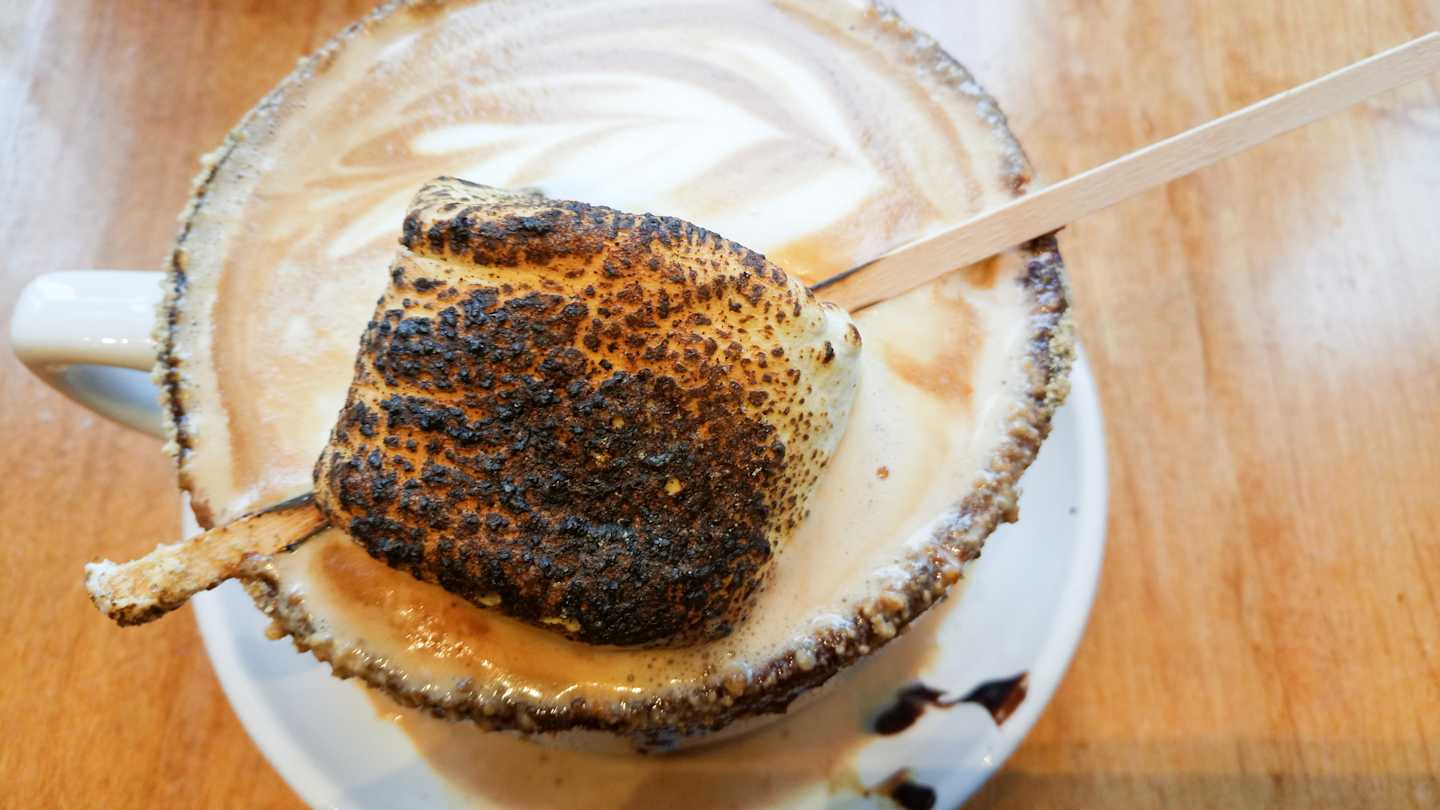
Toasted White Chocolate Latte: Espresso + white chocolate sauce + a pinch of salt + steamed milk. Add a lightly torched marshmallow topping if you want to be extra (in the best way).
Shortcut: Keep a tiny bottle of peppermint extract and a good chocolate syrup on hand. Just use peppermint carefullya drop too much and your latte tastes like toothpaste with ambition.
8) Cookie Butter and “Nostalgia” Lattes (Dessert in a Mug, Basically)
Cookie butter, cereal-milk, banana bread, and blueberry flavors are part of a bigger trend: nostalgic lattes. These drinks lean into dessert-shop comfort and childhood flavor memories, but with espresso. And yes, that sentence is dangerous for your grocery budget.
Flavor profile: Brown sugar, cookie spice, marshmallow cereal notes, fruit syrups, creamy milk.
Easy at-home version ideas:
- Cookie Butter Latte: Espresso + cookie butter syrup (or melted cookie butter spread) + milk + cookie crumbs.
- Cereal-Milk Latte: Steep cereal in milk for 15 minutes, strain, then use that milk in a latte with espresso.
- Blueberry Latte: Espresso + homemade blueberry syrup + milk (best iced).
- Banana Bread Latte: Espresso + brown sugar syrup + a tiny bit of banana extract + cinnamon + milk.
Shortcut: Build these on top of a vanilla or brown sugar latte. That keeps the flavor bold without turning the drink into a sugar tornado.
How to Make Your Homemade Latte Taste Like a Coffee Shop Latte
1) Get the Milk Temperature Right
Warm milk makes a latte. Scalded milk makes regret. Aim for hot but not boiling. If you use a thermometer, the sweet spot is roughly 145°F to 165°F for most lattes.
2) Froth Smarter, Not Harder
No espresso machine? No problem. A handheld frother, French press, or even a mason jar can create decent foam. The goal is texture, not a foam mountain that looks like a science fair project.
3) Dissolve Flavors Before Adding Milk
Mix syrups, sauces, honey, or sugar into the hot espresso first. This helps everything blend evenly and keeps your drink from tasting sweet on top and bitter on the bottom.
4) Use Salt Like a Grown-Up Secret
A tiny pinch of salt can round out sweet flavors like pistachio, caramel, and white chocolate. Tiny means tiny. You are seasoning coffee, not making soup.
5) Don’t Overdo the Flavor
The best lattes still taste like coffee (or matcha). If the flavor syrup is doing all the talking, pull back a little and let the espresso or tea show up.
Best At-Home Latte Setup (Without Spending Your Rent Money)
You do not need a café-grade machine to make trending latte flavors at home. A simple setup works:
- Espresso machine, moka pot, or strong coffee maker
- Handheld milk frother (cheap and genuinely useful)
- Small saucepan or microwave-safe pitcher for milk
- 2–3 syrups (vanilla, lavender, brown sugar or pistachio)
- Cinnamon, cocoa, and whipped cream for toppings
That’s enough to make a rotation of drinks that feels café-worthy without the café line, café parking, or café price tag.
500-Word Experience Section: What It’s Actually Like to Try These Trending Lattes at Home
One of the best parts of making trending latte flavors at home is that the experience changes the way people think about “coffee time.” At first, most people treat it like a recipe challenge: Can I really make something that tastes like a coffee shop drink? Then, after two or three tries, it stops feeling like a challenge and starts feeling like a small daily ritual.
The first experience is usually a little chaotic in a very normal way. Someone heats milk too long, forgets to stir the syrup into the espresso, or adds too much lavender and gets a cup that tastes like a very polite bouquet. But that is exactly why homemade lattes become fun. The mistakes are low-stakes, the fixes are easy, and each round tastes a little better than the last. By the end of the week, the same person who was guessing measurements is suddenly saying things like, “I think this pistachio version needs half a teaspoon less syrup and a pinch of salt.” That is growth. Coffee-flavored growth.
Another common experience is discovering that different flavors fit different moods. Pumpkin spice feels cozy and slow, like a Saturday morning drink. Brown sugar oatmilk feels like a weekday workhorsesweet enough to be satisfying, simple enough to make while answering messages. Lavender lattes often become the “quiet afternoon” drink, especially hot versions with honey. Matcha lattes, especially berry or pistachio twists, feel more playful and visual, which is probably why people love sharing them online. Peppermint mocha and cookie butter lattes tend to become “treat drinks,” the kind people make when friends come over or when they need a morale boost after a long day.
There’s also a practical experience people rarely expect: homemade latte flavors help cut down on impulse spending without making coffee less enjoyable. Once someone learns a solid vanilla latte and a brown sugar oatmilk latte, the daily coffee run becomes optional instead of automatic. Many people still go out for coffee (as they shouldsupport your local café), but they stop going out because they have to. That switch feels surprisingly good.
And then there is the social part. Trending lattes are fun to make alone, but they’re even better when shared. A simple home coffee bar with two syrups, one milk frother, and a few toppings turns into an easy weekend activity. People compare their favorite combinations, test a “viral” flavor, and immediately start giving each other feedback like judges on a very low-budget but enthusiastic reality show. Someone will make a blueberry latte too sweet. Someone will make a perfect lavender matcha. Everyone will act like they discovered espresso.
That is really the heart of this trend: these drinks feel special, but they are easy enough to become part of real life. They bring a little café energy home, and they make ordinary mornings feel less ordinarywhich is a pretty great return on investment for a cup of milk, coffee, and a good syrup.
Conclusion
America’s top-trending latte flavors may look fancy on a menu board, but most of them are built from the same simple formula: espresso (or matcha), milk, and a smart flavor combo. Pumpkin spice, pistachio, lavender, brown sugar oatmilk, vanilla, and holiday favorites all translate beautifully to the home kitchen with just a few ingredients and basic tools.
If you want the fastest path to success, start with vanilla or brown sugar oatmilk, then branch out to pistachio or lavender once you’ve got your milk and espresso rhythm down. Trendy lattes are fun, yesbut they’re also practical, customizable, and way easier than they look. In other words: you don’t need a barista badge. You just need a mug.

