
Body Care
What Is an Accessory Dwelling Unit (Granny Flat) – ADU Costs & Benefits – Money Crashers
Jul
An accessory dwelling unit, or ADU, is the housing world’s way of saying, “What if your backyard, garage, basement, or spare space could start pulling its weight?” Also called a granny flat, in-law suite, backyard cottage, carriage house, casita, garage apartment, or secondary unit, an ADU is a smaller independent home located on the same lot as a primary residence.
Unlike a guest room with a futon and a suspiciously loud mini-fridge, a true ADU is designed for independent living. It usually includes a place to sleep, a bathroom, a kitchen or kitchenette, living space, and a separate entrance. In short, it is not just “Mom’s room over the garage.” It is a real dwelling unit, with real construction costs, real permits, real benefits, and, yes, real opportunities to increase income or house loved ones without starting a family group chat called “Basement Boundaries.”
For homeowners, an accessory dwelling unit can be a financial tool, a family solution, and a long-term property upgrade. But it is not automatically cheap, easy, or guaranteed to print money like a tiny backyard ATM. Before building one, you need to understand ADU costs, zoning rules, financing options, tax implications, rental demand, and the practical experience of living with another household on your property.
What Is an Accessory Dwelling Unit?
An accessory dwelling unit is a secondary residential unit on the same parcel as a main home. It is “accessory” because it is smaller and subordinate to the primary house, but it is still a complete living space. A legal ADU typically needs sleeping space, cooking facilities, a bathroom, utilities, safe access, and compliance with local building codes.
The key word is “legal.” A converted garage with a hot plate, extension cord, and “good vibes” is not necessarily an ADU. Local governments usually require permits, inspections, safety features, and zoning approval. If the unit is unpermitted, it can create problems when you sell, refinance, insure the property, or rent it out.
Common Types of ADUs
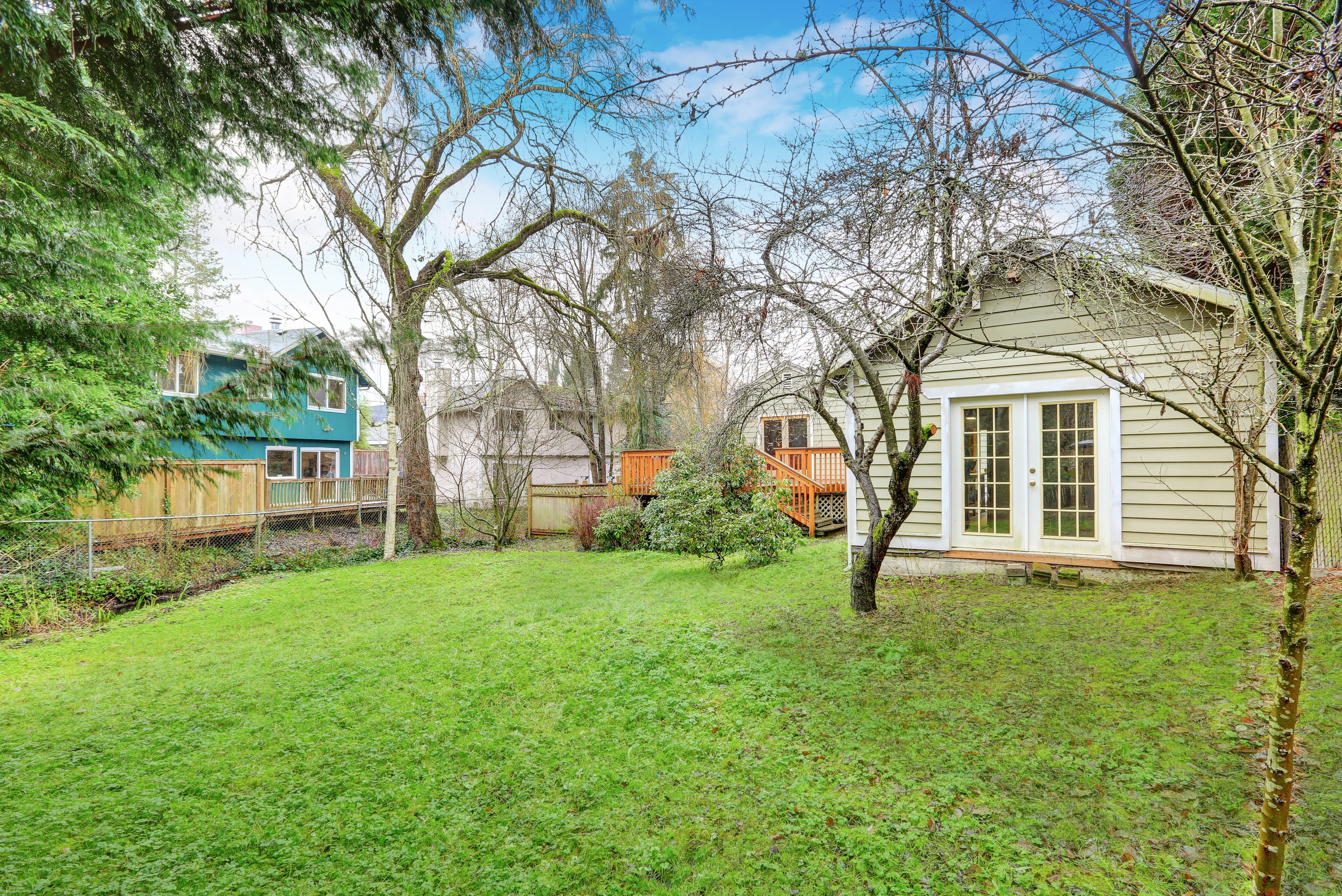
ADUs come in several forms. A detached ADU is a stand-alone backyard cottage or small house. This option offers the most privacy but usually costs the most because it requires a separate foundation, roof, walls, utilities, and full construction process.
An attached ADU is built onto the main home, often as a side or rear addition. It may share some walls or utility connections, which can reduce costs compared with a detached unit. However, attached ADUs need careful design so the main house and the unit both feel private.
A garage conversion turns an existing garage into a livable unit. This can be more affordable than new construction, but only if the garage is structurally sound and can meet code requirements for insulation, windows, ceiling height, plumbing, electrical systems, and fire safety.
A basement ADU uses below-grade space inside the main house. It can work well in regions where basements are common, but moisture control, ceiling height, emergency exits, soundproofing, and natural light matter. Nobody wants to rent a space that feels like a polite dungeon.
An internal ADU is created within the existing home, often by dividing part of the floor plan into a separate apartment. This may be the least expensive route if the layout already works, but privacy and separate access can be challenging.
Why ADUs Are Becoming Popular in the United States
Accessory dwelling units are gaining attention because they solve several modern housing problems at once. The United States has a shortage of affordable homes, many households are smaller than they used to be, more adults are caring for aging relatives, and younger generations are often priced out of homeownership. Meanwhile, millions of single-family lots have unused garages, large yards, or underused interior space.
An ADU adds housing without buying more land. That makes it a form of gentle density: more homes in existing neighborhoods without replacing every house with a large apartment building. For cities, ADUs can increase housing supply. For homeowners, they can create rental income, flexible family space, or a future downsizing option. For renters, they can offer smaller, often more affordable housing in neighborhoods where apartment buildings may be limited.
How Much Does an ADU Cost?
ADU costs vary widely, and anyone who gives you one universal number is probably also willing to sell you oceanfront property in Kansas. In 2026, many U.S. homeowners can expect ADU projects to range from about $40,000 for simpler conversions to $300,000 or more for larger detached units in high-cost markets. Some custom detached ADUs can exceed $350,000 or even $400,000 when land conditions, utilities, design fees, and premium finishes are involved.
A rough national planning range is $150 to $300 per square foot, but location can push that number higher. A 400-square-foot garage conversion might cost far less than a 900-square-foot detached cottage with a new sewer line, custom cabinets, solar requirements, and a foundation designed around a tree that everyone suddenly realizes is “emotionally important.”
Estimated ADU Cost by Type
A garage conversion may cost between $40,000 and $150,000 depending on the condition of the structure and the amount of plumbing, insulation, and electrical work required. Basement ADUs often fall in a similar range, although excavation, waterproofing, egress windows, and ceiling-height issues can increase the price.
An attached ADU commonly costs between $100,000 and $300,000. It can be less expensive than a detached unit because it may share some utility connections and structural elements with the main house, but it still requires permits, professional plans, code-compliant construction, and finished living space.
A detached ADU is usually the most expensive option. Many detached backyard cottages cost between $180,000 and $400,000, especially in expensive metro areas. The upside is privacy, flexibility, and stronger rental appeal. The downside is that you are essentially building a small house, and small houses do not get a discount on complexity just because they are adorable.
What Factors Affect ADU Costs?
The biggest cost drivers are size, location, labor, materials, site conditions, utility access, design complexity, and local permitting requirements. A simple rectangular layout is usually cheaper than a highly customized design. A flat backyard with easy street access is easier than a steep lot where the contractor looks around and quietly mutters, “Interesting.”
Permits and Design Fees
Most ADU projects require architectural plans, engineering, energy calculations, permit applications, inspections, and sometimes planning review. Permit costs can range from a few thousand dollars to well over $10,000 depending on the city, impact fees, utility connection fees, and whether waivers or exemptions apply.
Utility Connections
Plumbing, sewer, water, electrical, and gas connections can make or break the budget. If your existing electrical panel needs upgrading, if the sewer line is too small, or if the ADU sits far from the main utility connections, costs can rise quickly. Utility trenching is rarely glamorous, but it is very good at eating money.
Site Preparation
Tree removal, grading, drainage, demolition, soil work, retaining walls, and foundation requirements can add thousands or tens of thousands of dollars. Homeowners often underestimate site costs because they focus on the cute finished cottage instead of the less cute reality of dirt, concrete, and drainage.
Finishes and Appliances
Cabinets, flooring, tile, windows, heating and cooling, lighting, appliances, and fixtures affect the final price. A rental ADU does not need luxury finishes, but it should be durable, easy to maintain, and comfortable. Think “attractive and tough,” not “showroom fragile.”
Financial Benefits of an ADU
The most obvious benefit of an ADU is rental income. A well-located ADU can generate monthly cash flow that helps pay the mortgage, cover property taxes, fund retirement, or offset construction financing. In high-demand markets, long-term ADU rentals can bring in meaningful income while providing a private space for tenants.
An ADU may also increase property value. Buyers often like flexible living space, especially if the unit is legal, permitted, attractive, and income-producing. The added value depends on local market demand, comparable sales, rental potential, and whether the ADU is fully documented. A legal unit is an asset; an unpermitted one can become a negotiation headache wearing drywall.
ADUs can also help families avoid other major expenses. If an aging parent can live in a backyard cottage instead of moving into assisted living sooner than necessary, the family may save money while preserving independence and closeness. If an adult child lives in the ADU while saving for a down payment, the household can build financial stability across generations.
Lifestyle Benefits of a Granny Flat
Money matters, but ADUs are not only about cash flow. A granny flat can make multigenerational living more comfortable by creating closeness without eliminating privacy. Grandparents can be nearby for childcare or support, adult children can have independence, and homeowners can host long-term guests without turning the dining room into a suitcase obstacle course.
An ADU can also serve as a home office, studio, guest suite, caregiver unit, or future retirement space. Some homeowners eventually move into the smaller unit and rent out the main house, creating income while staying on their property. This strategy can be especially appealing for retirees who want to age in place but no longer need a large home.
Community Benefits of ADUs
ADUs can add housing in established neighborhoods without large-scale redevelopment. They use existing roads, schools, utilities, parks, and transit more efficiently. Because ADUs are usually smaller than primary homes, they can create lower-cost rental options for singles, couples, students, caregivers, older adults, and workers who want to live near jobs or family.
They can also support neighborhood stability. A homeowner with rental income may be better able to stay in the home despite rising taxes, insurance, or maintenance costs. An older resident may remain near family and community instead of moving away. In this way, ADUs are not just tiny houses with better paperwork; they are a flexible housing tool.
Potential Drawbacks and Risks
An ADU is not a perfect solution for every homeowner. The upfront cost can be large, financing can be complicated, and construction can disrupt daily life. Permitting may take longer than expected, contractors may be booked, and material prices can change. A project that looks simple on a napkin can become less simple when the building inspector, engineer, and utility company join the party.
Rental ADUs also create landlord responsibilities. You may need to screen tenants, follow fair housing laws, maintain the unit, handle repairs, collect rent, and understand local rules for security deposits, notices, leases, and evictions. Short-term rentals may face additional restrictions, licensing, taxes, or outright bans in some areas.
There are privacy considerations too. Even with a detached ADU, you may share a driveway, yard, trash area, laundry access, or utility infrastructure. Good fencing, landscaping, window placement, lighting, soundproofing, and separate entrances can make the difference between “pleasant neighborly arrangement” and “why is someone’s Amazon package on my patio again?”
How to Finance an ADU
Common ADU financing options include cash savings, a home equity line of credit, a home equity loan, a cash-out refinance, a renovation loan, a construction loan, or specialized ADU financing programs where available. The best option depends on your credit, equity, income, interest rates, repayment timeline, and whether rental income can be considered by the lender.
Some mortgage programs and lender guidelines may allow projected or existing ADU rental income to help borrowers qualify, but rules vary. Homeowners should speak with lenders early, preferably before paying for final plans. Financing should include a contingency fund of at least 10% to 20%, because construction surprises are not surprises to contractors; they are practically seasonal events.
ADU Zoning and Legal Rules
Before designing an ADU, check local rules. ADU laws vary by state, county, and city. Important rules may include maximum size, height limits, setbacks, parking requirements, owner-occupancy rules, short-term rental restrictions, fire safety standards, utility connection rules, design standards, and whether multiple ADUs are allowed on one lot.
Many states and cities have made ADUs easier to build in recent years, especially in places facing housing shortages. Some jurisdictions now offer preapproved plans to reduce design time and permitting friction. Even so, local details matter. A rule that applies in Los Angeles may not apply in Dallas, Chicago, Portland, Seattle, Atlanta, Phoenix, or a small town where the zoning code was apparently written when fax machines were exciting.
Is an ADU a Good Investment?
An ADU can be a strong investment when the numbers work. Start by estimating total project cost, financing payments, expected rent, vacancy, maintenance, insurance, taxes, utilities, and management time. Then compare the net income with your total cash invested.
For example, suppose a homeowner spends $220,000 to build a detached ADU and rents it for $2,000 per month. Gross annual rent would be $24,000. After setting aside money for maintenance, vacancy, insurance, taxes, and utilities, the net income might be lower, perhaps $16,000 to $19,000 depending on the market. That can still be attractive, but the return depends heavily on financing costs and local rent levels.
If the ADU is mainly for family use, the return may be measured differently. Avoided assisted living costs, childcare help, shared expenses, emotional peace of mind, and future flexibility may matter more than monthly rent. Not every smart investment fits neatly into a spreadsheet, although spreadsheets do enjoy pretending otherwise.
How to Plan an ADU Project
Begin with your goal. Are you building for rental income, aging parents, adult children, guests, a home office, or future downsizing? The goal affects layout, size, privacy, accessibility, finishes, and financing.
Next, research zoning and permitting. Contact the local planning or building department, review city ADU guides, and ask whether your lot qualifies. Then talk to professionals: an architect, designer, contractor, lender, insurance agent, and tax professional. A good ADU team can prevent expensive mistakes before they become concrete.
Design for flexibility. A unit that works for a tenant today might house a parent tomorrow or become your retirement home later. Features such as no-step entries, wider doors, good lighting, durable flooring, efficient storage, a real kitchen, and a comfortable bathroom can make the space useful for many years.
Practical Design Tips for a Better ADU
Small spaces need smart design. Use built-in storage, pocket doors, high windows for privacy, durable materials, quiet HVAC systems, and outdoor space where possible. Natural light makes a small unit feel larger, while good soundproofing keeps everyone from learning too much about everyone else’s blender habits.
Privacy is one of the most important design details. Avoid placing ADU windows directly across from the main house’s most-used rooms. Use fencing, landscaping, separate walkways, and lighting to create clear boundaries. A separate mailbox, address marker, trash area, and utility plan can also reduce friction.
Experience: What Homeowners Often Learn After Building an ADU
The first experience many homeowners report is that planning takes longer than expected. The dreamy part is choosing windows, finishes, and whether the tiny kitchen should have open shelving. The less dreamy part is waiting for permits, comparing bids, reviewing utility requirements, and learning that “setback” is not just a mood after seeing the estimate. A successful ADU project usually begins with patience and a realistic budget.
Homeowners also learn that the cheapest bid is not always the cheapest project. A contractor who understands ADU construction, local codes, small-space design, and inspections can save money by avoiding delays and rework. Someone may offer a low price, but if they miss sewer requirements, fire separation rules, energy standards, or drainage needs, the savings can disappear faster than snacks at an open house.
Another common lesson is that privacy must be designed, not hoped for. Families often imagine that everyone will naturally respect boundaries. Then someone parks in the wrong spot, borrows the wrong garden hose, or waves through the kitchen window at 7 a.m. Good layouts solve these issues before they happen. Separate entrances, outdoor screens, clear walkways, and thoughtful window placement make the ADU feel like its own home rather than an accessory to awkwardness.
For landlords, tenant selection becomes one of the most important parts of the experience. Renting an ADU is more personal than renting a distant apartment unit because the tenant may live steps from your back door. A strong lease, clear rules, proper insurance, and respectful communication help protect both sides. It is wise to decide in advance how utilities, parking, pets, guests, noise, maintenance requests, and shared spaces will be handled.
Families using an ADU for relatives often discover that the emotional benefits can be as valuable as the financial ones. An older parent can have independence while staying close enough for support. Adult children can save money while still having their own door, kitchen, and dignity. Grandchildren can visit easily. Caregiving becomes more practical, but privacy remains possible. That balance is the magic of a good granny flat.
Homeowners also learn that an ADU changes the rhythm of a property. The backyard may become more active. Deliveries may increase. Maintenance responsibilities expand. Insurance and taxes may change. But the property also becomes more flexible. One building can serve as rental housing, family housing, guest space, office space, or a future downsizing plan. In a world where life changes quickly, flexibility is not a luxury; it is a financial safety feature.
The best ADU experiences usually come from homeowners who plan for the long term. They do not build only for today’s rent estimate or this year’s family need. They ask: Will this unit still be useful in 10 years? Can someone age comfortably here? Is the layout durable? Can the space work for different household types? Will future buyers understand the value? When the answer is yes, an ADU can become one of the smartest improvements on the property.
Final Thoughts
An accessory dwelling unit can be a powerful addition to a home. It can create rental income, support multigenerational living, increase property value, and add flexible space for changing life stages. It can also help communities add housing without using new land or dramatically changing neighborhood character.
Still, an ADU is not a weekend project or a guaranteed financial win. The best results come from careful budgeting, legal permitting, good design, realistic rental assumptions, and a clear purpose. Before building, check local rules, compare financing options, talk with professionals, and run the numbers with a healthy contingency fund.
If your lot, budget, and local regulations line up, a granny flat may be more than a cute backyard cottage. It can be a practical housing solution, a family safety net, and a long-term investment. And if nothing else, it finally gives the garage a chance to become something more impressive than a museum of half-empty paint cans.
Note: This article is based on current publicly available U.S. ADU housing guidance, lender standards, municipal permitting practices, and recent construction cost data. ADU rules, costs, rental laws, tax treatment, and financing options vary by location, so homeowners should verify local requirements before starting a project.

