
Makeup
Receding Chin: Pictures, Causes, Exercises, and Surgery
Jul
A receding chin is one of those features people often notice in photos before they ever learn the medical vocabulary for it. One day it is just “my side profile looks a little soft,” and the next day you are down an internet rabbit hole with words like retrognathia, micrognathia, genioplasty, and enough before-and-after photos to make your browser feel judged.
Here is the good news: a receding chin is not automatically a health problem, not automatically a cosmetic problem, and definitely not a character flaw disguised as a facial feature. In some people, it is simply part of normal anatomy. In others, it may be linked to bite issues, snoring, TMJ symptoms, or breathing concerns. And sometimes what looks like a weak chin is not really the chin bone at all, but a combination of neck fullness, skin laxity, posture, or camera angles that deserve an Oscar for dramatic exaggeration.
This guide breaks down what a receding chin really is, what pictures can and cannot tell you, the most common causes, whether exercises help, and what surgery options exist if treatment is actually needed. The goal is not to sell you a sharper jawline like it is a kitchen knife set. The goal is to help you understand the difference between appearance, function, and realistic treatment choices.
What Is a Receding Chin?
The phrase receding chin is often used casually, but medically it can describe a few different things. Sometimes the issue is the lower jaw sitting farther back than usual. That is commonly called retrognathia. Sometimes the lower jaw or chin is physically smaller than average, which may be described as micrognathia or a small chin. And sometimes the chin point itself has less projection even though the bite is reasonably normal.
Those distinctions matter because they change the solution. A person with a normal bite and a small chin point may be a candidate for chin-focused treatment. A person whose whole lower jaw sits too far back may need orthodontic care, jaw surgery, or sometimes no treatment at all if there are no functional problems. A person whose profile looks soft because of submental fullness, loose skin, or genetics may have a completely different conversation.
In plain English, a receding chin can mean one of three big categories:
- A skeletal position issue: the jaw sits back more than expected.
- A chin-size issue: the chin point is underprojected.
- An appearance issue: the jawline looks less defined because of fat, skin, or posture.
That is why two people can both say, “I have a weak chin,” while needing completely different advice. One may need nothing more than reassurance. Another may need a sleep evaluation. A third may need a surgeon, an orthodontist, and patience measured in months rather than minutes.
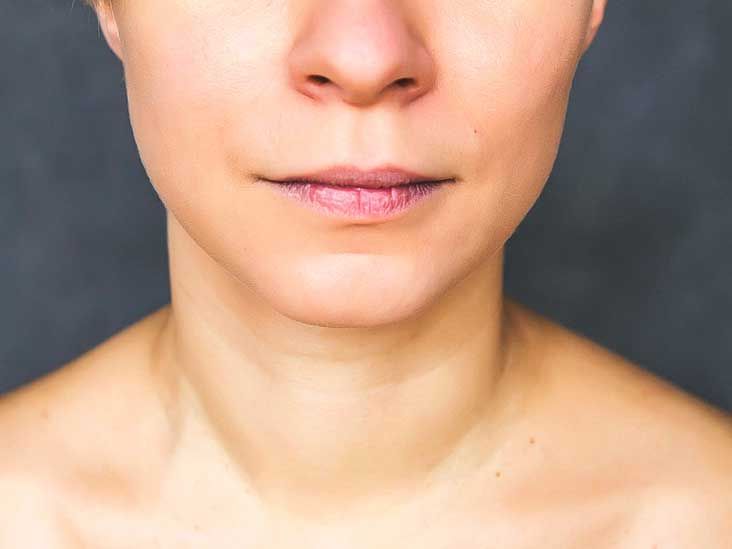
Receding Chin Pictures: What Photos Can Show
The “pictures” part of this topic is important because a receding chin is usually first noticed in images. Side-profile selfies, professional portraits, video calls, and the dreaded front-camera angle from below can all make the chin look smaller or the neck look fuller. Photos can be helpful, but they can also lie with the confidence of a reality show contestant.
Good evaluation photos usually include:
- Front view at rest
- Side-profile view
- Three-quarter view
- Smile view
- Sometimes bite photos or X-rays
Doctors and surgeons often use standardized photographs and imaging to plan treatment because random phone pictures are notorious for distortion. Lighting, head tilt, neck position, a pushed-forward tongue, and camera lens effects can all change how prominent the chin looks. A chin can look dramatically different between “passport photo posture” and “scrolling in bed at midnight” posture.
When looking at receding chin pictures online, keep one important rule in mind: before-and-after photos show outcomes, not diagnoses. They can help you understand what procedures are designed to change, but they cannot tell you whether your issue is jaw alignment, chin projection, soft tissue fullness, or just an unflattering angle.
Common Causes of a Receding Chin
1. Genetics and Normal Facial Variation
For many people, a receding chin is simply inherited. Some families naturally have stronger jaw projection, while others have softer profiles. That does not automatically mean something is wrong. Facial structure varies a lot, and not every softer chin is a diagnosis waiting to happen.
2. Developmental Jaw Differences
In some cases, the lower jaw develops smaller than usual or sits farther back than usual. That may be seen in childhood or infancy and can sometimes improve as growth continues. In more significant cases, it may be associated with bite problems, feeding difficulties, or airway issues.
3. Congenital Conditions and Syndromes
In babies and children, a receding chin may appear with conditions such as Pierre Robin sequence or other craniofacial syndromes. These are medical situations, not cosmetic labels, and they can affect breathing, feeding, and development. In those settings, the chin is part of a larger structural picture.
4. Bite and Jaw Alignment Problems
A receding chin may be tied to a malocclusion, meaning the upper and lower teeth do not fit together ideally. If the lower jaw is set back, the bite can be affected, and that can create issues with chewing, speaking, or long-term jaw strain.
5. Neck Fullness, Loose Skin, or Aging Changes
Sometimes the chin bone is not the main issue at all. Extra fullness under the chin, reduced skin elasticity, and soft-tissue changes can blur the jawline and create the appearance of a weaker chin. This is why “double chin” and “receding chin” sometimes get mixed together even though they are not identical.
6. Trauma or Prior Surgery
Injury to the face or jaw can also affect chin projection or jaw position. In reconstructive cases, treatment may be aimed at restoring both function and appearance.
Symptoms That Matter More Than Looks
A purely cosmetic concern is one thing. A functional problem is another. If a receding chin comes with symptoms, it deserves a more careful workup.
Signs that may be worth discussing with a medical or dental professional include:
- Snoring or suspected sleep apnea
- Mouth breathing
- Difficulty chewing or biting
- Jaw pain, clicking, or locking
- Trouble closing the lips comfortably
- Speech issues
- Swallowing difficulty
- In infants, feeding or breathing problems
If the concern is mainly aesthetic, that is still a valid conversation. But if the chin issue overlaps with breathing, bite, or TMJ symptoms, the best expert may not be a beauty influencer with ring lighting. It may be an orthodontist, oral and maxillofacial surgeon, ENT specialist, or sleep specialist.
Do Exercises Fix a Receding Chin?
This is the section the internet loves to oversell. The short answer is: exercises may help some related issues, but they are not a magic way to push an adult jawbone forward.
If your receding chin is caused by skeletal anatomy, no amount of dramatic jaw jutting in the bathroom mirror is likely to remodel the mandible into a new position. Bone structure is not Play-Doh. If it were, orthodontists and surgeons would be out of business and every phone app would offer “Jawline Bootcamp in 7 Days.”
What Exercises May Help
Exercises can still have value in the right context. Jaw exercises may help people with TMJ symptoms by improving muscle relaxation, range of motion, and comfort. Some lip or tongue exercises are used for swallowing therapy or other clinician-directed goals. Good posture can also improve how the neck and jawline look in day-to-day life. And overall weight management may reduce fullness under the chin for some people.
What Exercises Usually Cannot Do
Exercises generally cannot:
- Grow a significantly smaller adult lower jaw
- Reposition a jaw that is structurally set back
- Correct a substantial bite problem
- Replace orthodontics or surgery when those are medically indicated
Reasonable Exercise Ideas
If you want a practical, low-drama approach, focus on habits that help function and appearance without making wild promises:
- Practice upright posture with the head balanced over the neck
- Avoid clenching and grinding
- Use clinician-approved jaw stretches if you have TMJ discomfort
- Stay consistent with general fitness and nutrition if submental fullness is part of the problem
- Do not overuse jaw-training gadgets that leave your face sore and your expectations shattered
In other words, exercises can support comfort and muscle habits. They are not a reliable substitute for structural treatment.
Nonsurgical Options Before You Think About Surgery
Not every receding chin needs an operation. Depending on the cause, treatment may include:
Orthodontic Care
If the concern is connected to bite alignment, braces or orthodontic planning may be part of the solution. In growing patients, jaw development may also be monitored over time.
Observation
If there are no functional problems and the anatomy falls within normal variation, some people simply choose to do nothing. That is a legitimate option. “No treatment” is still a treatment plan when the condition is mild and not causing harm.
Soft-Tissue Treatments
If what looks like a weak chin is really fullness under the chin, treatment may target the neck area instead of the jawbone. This is a completely different conversation from jaw surgery.
Therapy for Related Symptoms
For TMJ symptoms, targeted exercises, behavior changes, bite evaluation, and pain management may help. For sleep apnea or airway concerns, a formal sleep evaluation may matter more than the chin itself.
Receding Chin Surgery Options
When a person wants a stronger chin profile or needs structural correction, surgery can be an option. The best procedure depends on whether the issue is the chin point, the whole jaw, or the surrounding soft tissue.
1. Chin Implant
A chin implant is usually used to add projection to a small or underprojected chin. The surgeon places an implant, often silicone, to create more definition. This can work well when the bite is otherwise fine and the main goal is cosmetic improvement.
Best for: people with normal jaw alignment who want more chin projection.
Pros: relatively direct procedure, can create a clearer jawline, often less extensive than full jaw surgery.
Cons: it does not correct the position of the whole jaw, and implants come with risks such as displacement, asymmetry, infection, numbness, or the need for revision.
2. Sliding Genioplasty
Sliding genioplasty is a bone procedure. Instead of inserting an implant, the surgeon cuts the chin bone, moves it forward, backward, up, down, or sideways, and fixes it in place with plates and screws. This makes it more customizable and often more structural than an implant alone.
Best for: people who need true chin repositioning rather than just added volume.
Pros: uses your own bone, can improve projection and contour, can be tailored precisely.
Cons: still a real surgery with swelling, downtime, numbness risk, and recovery demands.
3. Orthognathic Jaw Surgery
If the lower jaw itself sits too far back and causes functional problems, orthognathic surgery may be the more appropriate option. This procedure repositions the jawbones to improve bite, facial balance, and in some cases breathing or sleep apnea. It is the heavy-duty option, not the casual lunch-break option.
Best for: people with skeletal jaw misalignment, significant bite issues, or airway-related concerns.
Pros: can improve chewing, speaking, facial balance, and sometimes breathing and sleep-related function.
Cons: longer planning, more recovery, possible braces or orthodontic treatment, and a bigger commitment overall.
4. Procedures for Neck Fullness
If the main issue is a double chin rather than a recessed jaw, options may include treatments directed at submental fat or loose skin. This is why accurate diagnosis matters so much. Treating the wrong problem is an expensive way to stay annoyed.
What Recovery Is Like
Recovery depends on the procedure. A chin implant and a sliding genioplasty are not the same as full jaw surgery, and full jaw surgery is not the same as treating neck fullness.
In general, people can expect some swelling, tightness, soreness, bruising, and a temporary “Why did I voluntarily sign up for face swelling?” phase. Soft foods are often part of the plan after bone surgery. Mouth care matters. Smoking is a terrible idea during healing. And patience is not optional.
Many people return to work or school within a week or a few weeks depending on the procedure, but final healing takes longer than social media captions usually admit. Initial jaw healing often takes several weeks, while full healing and final settling can take months.
Risks and Things to Think About
Every surgery has trade-offs. Even when results are excellent, the decision should be based on realistic goals rather than the fantasy that one changed angle will unlock a perfect life, perfect skin, perfect confidence, and probably perfect Wi-Fi.
Potential risks can include:
- Swelling and bruising
- Bleeding
- Infection
- Numbness or altered sensation
- Asymmetry
- Poor healing or scarring
- Implant-related issues if an implant is used
- Need for revision surgery
For teens and young adults, there is one more key issue: surgeons generally prefer to operate after skeletal growth is complete when possible. That is because changing a growing jaw is a different situation from correcting an adult facial structure.
How to Know Whether You Need Evaluation
You may want a professional evaluation if:
- Your bite feels off
- You snore heavily or suspect sleep apnea
- You have chronic TMJ pain or jaw locking
- You cannot comfortably close your lips
- You have breathing or feeding concerns in a child
- You are considering surgery and want to know what problem is actually being treated
A good evaluation may involve a dentist, orthodontist, oral and maxillofacial surgeon, plastic surgeon, ENT, or sleep specialist depending on the symptoms. The main point is this: the correct specialist depends on whether the issue is cosmetic, dental, skeletal, or airway-related.
Bottom Line
A receding chin is not one single diagnosis. It can reflect normal genetics, a small chin point, a lower jaw set back, or just a softer neck profile. Pictures can help you notice it, but they do not replace a real evaluation. Exercises may help posture, muscle comfort, or TMJ symptoms, but they are not a proven shortcut for rebuilding adult bone structure. When treatment is needed, options range from observation and orthodontics to chin implants, sliding genioplasty, and full orthognathic surgery.
The smartest move is not chasing the sharpest jawline on the internet. It is figuring out what is actually going on with your anatomy, your bite, and your goals. A softer chin is not automatically a medical problem. But if it comes with snoring, jaw pain, bite issues, or significant self-consciousness, a qualified evaluation can turn confusion into a real plan.
Extended Experience Section: What the Journey Often Feels Like
People rarely start this journey with a medical textbook. They start with a mirror, a profile photo, or a comment from a dentist. One common experience is noticing that the chin looks fine from the front but disappears a bit from the side. That can trigger a lot of overthinking. Some people convince themselves they need major surgery after three selfies and a late-night scroll. Then they get evaluated and learn that the issue is mild, mostly cosmetic, or actually related to neck posture and soft tissue rather than the jawbone itself. That moment can be oddly relieving. Sometimes the best treatment is not a dramatic operation but a clearer understanding of what is normal.
Another common experience involves function, not looks. A person may come in because of snoring, jaw fatigue, trouble chewing, or a bite that never felt quite right. They may have spent years thinking their jaw was just “a little awkward,” only to discover that the lower jaw position is playing a role in TMJ symptoms or airway concerns. For them, the receding chin is less about aesthetics and more like a visible clue to a deeper structural issue. That kind of evaluation often feels more serious, but it can also be more helpful because it gives a functional reason for treatment instead of just a cosmetic wish list.
Then there is the exercise phase, which many people go through. They try chin lifts, neck stretches, tongue posture tricks, and enough jaw movements to make breakfast feel like physical therapy. Some report that their posture improves, their jaw feels less tense, or their neck looks a little better in photos. That is useful. But many also discover that exercises do not deliver the dramatic bone-level transformation promised by sketchy internet claims. The real lesson is usually that habits can polish the presentation, but they do not rewrite the architecture.
People who move on to surgery often describe a mix of excitement and nerves. Before surgery, there is planning, imaging, consultations, and the deeply humbling experience of seeing your face discussed in millimeters. After surgery, recovery can feel like a strange combination of progress and puffiness. Swelling is normal. Soft foods become your temporary personality. Looking better is not immediate, because healing has its own schedule and does not care about your calendar. But many patients say the most satisfying part is not the first post-op photo. It is the moment their face starts to feel like their own again, just more balanced or more functional.
And finally, there are plenty of people who decide not to do surgery at all. They learn the anatomy, understand the options, and choose acceptance. That choice deserves respect too. Not every soft profile needs fixing. Not every facial difference needs a treatment plan. Sometimes the most useful outcome of researching a receding chin is realizing that your face is allowed to look like your face. Knowledge can lead to surgery, orthodontics, lifestyle changes, or absolutely nothing. All four can be valid endings.

