
Body Care
Bacterial vs. Viral Infections: The Differences Explained
Jul
A cough, fever, sore throat, or upset sty alike. The important difference is not which illness feels “stronger,” but which kind of germ is causing it. That distinction shapes testing, treatment, recovery, and whether an antibiotic will helpor merely create side effects while contributing to antibiotic resistance.
The Basic Difference: Cells Versus Cellular Hijackers
Bacteria and viruses are both microscopic germs, but biologically they are very different. Bacteria are single-celled organisms. Many can live and reproduce on their own when the environment provides the right nutrients. Some bacteria cause disease, yet many are harmless or useful. The bacteria living on the skin and in the digestive tract, for example, are part of the body’s normal microbial community.
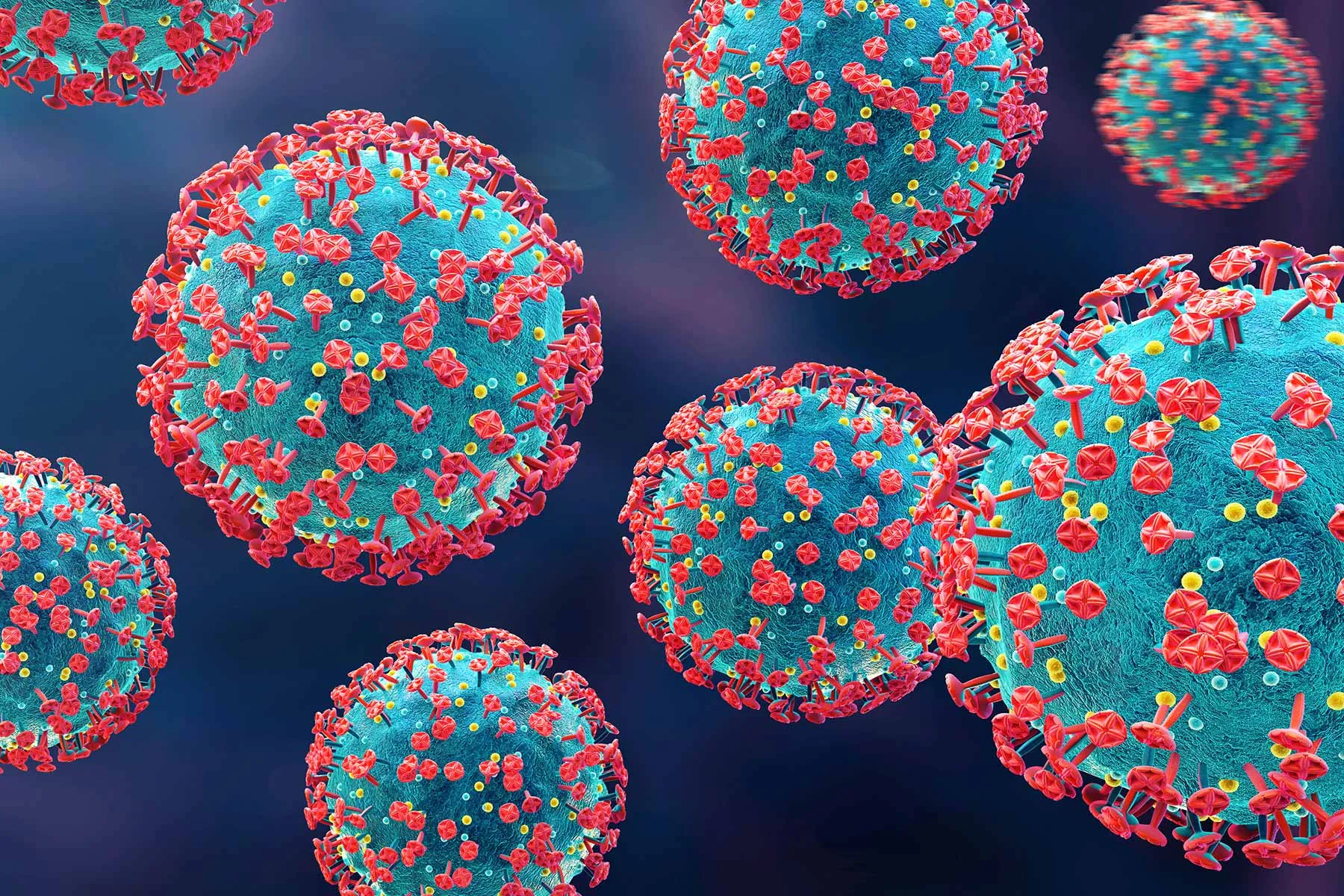
Viruses are much smaller and are not complete cells. A virus carries genetic instructions wrapped in a protective coat, sometimes with an outer envelope. It cannot reproduce independently. Instead, it enters a host cell and uses that cell’s machinery to make more viruses. In other words, bacteria can operate their own tiny shop; viruses break into someone else’s factory and take over the assembly line.
This biological difference helps explain why bacterial and viral infections require different treatments. Antibiotics target features of bacteria, such as cell walls or bacterial protein-making systems. Viruses do not have those same targets, so an antibiotic has nothing useful to attack.
Common Examples of Bacterial and Viral Infections
Examples of bacterial infections
Well-known bacterial illnesses include strep throat, many urinary tract infections, bacterial pneumonia, bacterial meningitis, whooping cough, Lyme disease, impetigo, and some foodborne infections. The location of an infection does not identify its cause by itself. Pneumonia, sinusitis, meningitis, diarrhea, and ear infections can each have more than one possible cause.
Examples of viral infections
Common viral infections include the common cold, influenza, COVID-19, respiratory syncytial virus infection, norovirus, chickenpox, measles, viral hepatitis, and many cases of bronchitis. Some viral illnesses are brief and mild. Others can become severe, especially in infants, older adults, pregnant people, and people with weakened immune systems or chronic medical conditions.
Why Symptoms Alone Can Be Misleading
Bacterial and viral infection symptoms overlap because many symptoms come from the immune response rather than directly from the germ. Fever, fatigue, swollen lymph nodes, body aches, inflammation, coughing, vomiting, and diarrhea can occur with either type of infection. Your immune system is sounding the alarm, but it does not hand you a neatly labeled suspect.
No single home clue can reliably settle the bacterial-versus-viral question. Thick yellow or green mucus does not automatically mean bacteria. A high fever can occur with either. Severe symptoms do not prove that an infection is bacterial, and mild symptoms do not guarantee that it is viral.
Patterns that may guide a clinician
Although symptoms are not definitive, their pattern can help. A typical viral upper respiratory infection often peaks and then gradually improves. Certain bacterial sinus infections become more likely when severe symptoms persist for several days, symptoms continue for more than about 10 days without improvement, or the person improves and then becomes worse again. Clinicians sometimes call that last pattern “double worsening.” It is a clue, not a do-it-yourself diagnosis.
With a sore throat, cough, runny nose, hoarseness, or inflamed eyes may point toward a viral cause. Strep throat becomes more plausible with sudden throat pain, fever, tender neck nodes, and no cough, but a rapid strep test or throat culture may still be needed. The throat, regrettably, does not come with a dashboard light marked “bacteria.”
How Doctors Tell the Difference
Diagnosis begins with the timeline, exposures, age, medical history, local disease activity, vaccination status, medications, and physical examination. A clinician may also consider the infected body site. Burning urination suggests a different group of possibilities than wheezing, a skin abscess, or a stiff neck.
Tests commonly used
- Rapid antigen tests can detect parts of certain viruses or bacteria, such as influenza, COVID-19, or group A strep.
- Molecular tests, including PCR tests, look for genetic material from a specific organism and can be highly sensitive.
- Cultures allow bacteria from urine, blood, throat, sputum, a wound, or another sample to grow in a laboratory. They may also show which antibiotics are likely to work.
- Blood tests can reveal inflammation, immune responses, or signs of organ stress, although many results are not specific to one type of germ.
- Imaging, such as a chest X-ray, can help identify pneumonia or rule out noninfectious conditions, but an image may not always reveal the exact organism.
- Spinal fluid testing may be necessary when meningitis is suspected.
Biomarkers such as C-reactive protein or procalcitonin can sometimes support clinical decisions, particularly in certain hospital settings, but they are not magic bacterial detectors. Results must be interpreted with symptoms, examination findings, and other tests.
Treatment: Antibiotics, Antivirals, and Supportive Care
When antibiotics help
Antibiotics treat certain bacterial infections by killing bacteria or slowing their growth. They can be lifesaving for conditions such as bacterial meningitis, sepsis caused by susceptible bacteria, and some cases of pneumonia. They may also shorten illness, prevent complications, or reduce transmission in infections such as confirmed strep throat.
However, not every bacterial infection needs an antibiotic, and no single antibiotic treats every bacterium. The right drug depends on the infection site, likely organism, local resistance patterns, allergies, kidney and liver function, pregnancy status, test results, and illness severity. An abscess may need drainage; tablets alone may not solve a pocket of pus that has set up camp.
Why antibiotics do not treat viruses
Antibiotics do not cure colds, influenza, COVID-19, or other viral infections. Taking one “just in case” can cause nausea, diarrhea, rash, yeast infection, allergic reactions, and other harms. Unnecessary use also encourages resistant bacteria to survive and spread. Antibiotic resistance means the bacterianot the patientbecome resistant, making future infections harder to treat.
Never use leftover antibiotics, share them, or take medicine prescribed for another person. A partial bottle is not a medical strategy; it is a tiny mystery box containing the wrong dose, the wrong duration, or the wrong drug. ntivirals help
Some viral infections have specific antiviral treatments. Medicines for influenza and COVID-19 can be especially important for people at higher risk of severe disease and generally work best when started early. Other antivirals are used for infections such as herpes, hepatitis B, hepatitis C, and HIV. Antiviral drugs are targeted: a medication for influenza does not become a universal remote control for every virus.
Supportive care still matters
Many uncomplicated viral infections improve as the immune system clears them. Rest, fluids, appropriate fever or pain medicine, humidified air, and other symptom-relief measures may help. Supportive care is not “doing nothing.” It is managing discomfort and preventing complications while the body does the repair work.
People with chronic conditions, pregnancy, immune suppression, or very young or advanced age should ask a clinician which over-the-counter medicines and doses are safe.
Can a Viral Infection Turn Into a Bacterial Infection?
A virus does not literally transform into a bacterium. However, a viral illness can damage protective tissue, alter mucus clearance, or temporarily weaken local defenses. That can create an opportunity for bacteria to cause a secondary infection. Examples include bacterial pneumonia after influenza or a bacterial sinus infection following a viral cold.
Warning signs may include new fever after improvement, worsening shortness of breath, increasing chest pain, severe localized facial pain, dehydration, or symptoms that improve and then sharply return. Because the pattern varies by illness and patient, a clinician should evaluate meaningful deterioration rather than assuming an antibiotic is automatically needed.
Which Type Is More Dangerous?
Neither category is automatically more dangerous. A mild bacterial skin infection may be less serious than viral influenza in a vulnerable adult. A common cold is usually less dangerous than bacterial meningitis. Severity depends on the specific organism, infection site, immune response, age, underlying health, access to treatment, and whether the infection has spread.
Both bacterial and viral infections can be associated with sepsis, a life-threatening response to infection that can lead to organ dysfunction. Immediate evaluation is important when a sick person develops confusion, difficulty breathing, clammy or mottled skin, extreme pain, very low urine output, or rapid worsening. Do not wait for certainty about the germ when emergency warning signs are present.
How to Prevent Bacterial and Viral Infections
Prevention overlaps because both types of germs can spread through respiratory droplets and aerosols, contaminated food or water, direct contact, bodily fluids, insects, animals, or contaminated surfaces.
Practical protection includes staying current on recommended vaccines, washing hands, improving indoor ventilation, covering coughs, avoiding food cross-contamination, practicing safer sex, cleaning wounds, and using insect precautions where appropriate.
Stay home when feverish or significantly ill when possible, and follow current public-health guidance for contagious respiratory infections. Avoid sharing drinks, utensils, razors, needles, or medications. In healthcare settings, careful infection-control practices protect both patients and staff.
Antibiotic stewardship is also prevention. Using antibiotics only when indicated helps preserve their effectiveness and reduces side effects. Asking, “What diagnosis are we treating, and do I need a test?” is not challenging your clinician; it is good teamwork.
When to Call a Healthcare Professional
Contact a healthcare professional when symptoms are severe, persistent, worsening, or unusual for you. Earlier advice is particularly important for infants, adults over 65, pregnant people, people with immune suppression, and those with significant heart, lung, kidney, neurologic, or metabolic disease.
Seek urgent care for difficulty breathing, blue or gray lips, chest pressure, confusion, fainting, a stiff neck, a seizure, severe dehydration, blood in vomit or stool, a rapidly spreading rash, or intense pain. A fever in a baby younger than 3 months requires prompt medical guidance. Suspected sepsis, meningitis, or a rapidly worsening infection is an emergency.
Conclusion: Treat the Cause, Not the Guess
The key difference between bacterial and viral infections lies in the organism causing the illness. Bacteria are living cells that can reproduce independently; viruses must enter host cells to copy themselves. Yet the symptoms can be nearly identical, which is why confident self-diagnosis often goes off the rails.
Antibiotics can treat selected bacterial infections but do nothing against viruses. Antivirals work only for certain viral diseases, often with strict timing considerations. The smartest approach is to watch the symptom pattern, use appropriate testing, seek care when needed, and resist the urge to turn every cough into an antibiotic shopping list.
Real-World Experiences: What Illness Often Looks Like Outside a Textbook
The following composite experiences are educational examples, not accounts of specific patients. They show why the difference between bacterial and viral infections is rarely obvious on day one.
Experience 1: The colorful mucus trap
An otherwise healthy adult develops a scratchy throat, congestion, fatigue, and a cough. By day four, the nasal mucus is yellow-green. The immediate conclusion is, “Aha, bacteria.” But colored mucus commonly appears during a viral cold because immune cells and concentrated secretions change its appearance. The person rests, drinks fluids, and notices gradual improvement over the next several days without antibiotics.
The useful lesson is not that every congested illness is viral. It is that color alone is a poor diagnostic test. A different experiencesymptoms lasting beyond 10 days without improvement, severe fever and facial pain for several days, or a clear improvement followed by a sharp declinewould justify a clinician’s assessment for possible bacterial sinusitis.
Experience 2: The sore throat that needed a swab
A school-age child wakes with sudden throat pain and fever but has little cough or nasal congestion. A parent cannot distinguish strep throat from a viral sore throat by flashlight inspection, and social media photos of “strep spots” are not exactly a board-certified consultation.
A clinic performs a rapid strep test. When the test confirms group A strep, an appropriate antibiotic is prescribed to treat the infection and reduce certain complications and transmission.
Now change the details: the child has a cough, runny nose, hoarse voice, and red eyes. Those features make a viral infection more likely, and testing or treatment decisions may differ. The experience illustrates why the same complaint“my throat hurts”can lead to different care based on the full symptom pattern and test results.
Experience 3: Feeling better, then suddenly worse
An older adult has influenza-like symptoms and begins to recover. Several days later, fever returns, breathing becomes harder, and the cough produces more sputum. That second downturn is not something to shrug off as “the virus taking one last lap.” A viral respiratory infection can be followed by secondary bacterial pneumonia, particularly in people at higher risk. Prompt examination, oxygen measurement, imaging, and laboratory testing may be needed.
This scenario also shows why preventive antibiotics are not routinely given for a viral illness. Taking antibiotics before a bacterial complication exists does not reliably prevent it and can cause harm. The safer plan is to know the warning signs and act quickly if the course changes.
Experience 4: The pressure to leave with a prescription
Many people visit urgent care after several miserable days expecting an antibiotic because they need to return to work, care for family, or simply stop feeling as if their sinuses have been packed with wet cement. The frustration is real. Still, a prescription is not proof of good care, and no prescription is not proof of dismissal.
A productive conversation includes the likely diagnosis, whether testing would change treatment, the expected recovery timeline, safe symptom relief, and specific reasons to return. A delayed prescription is sometimes used in selected situations, but it should come with clear instructions rather than guesswork.
The best experience is not automatically the one with the most medicine. It is the one with the clearest plan.
The practical takeaway from these experiences
Across these examples, the most reliable clues are the whole clinical picture, the illness timeline, risk factors, examination findings, and targeted testing. One dramatic symptom rarely solves the mystery.
Track when symptoms began, whether they are improving, what changed, your temperature, medicines taken, and relevant exposures. That short record can be more useful to a clinician than declaring, with great confidence and zero laboratory support, that “it feels bacterial.”
SEO Metadata

