
Beauty Unlocked
Growing Up With a Pooch Could Be Key to Protecting Against Crohn’s Disease
Jul
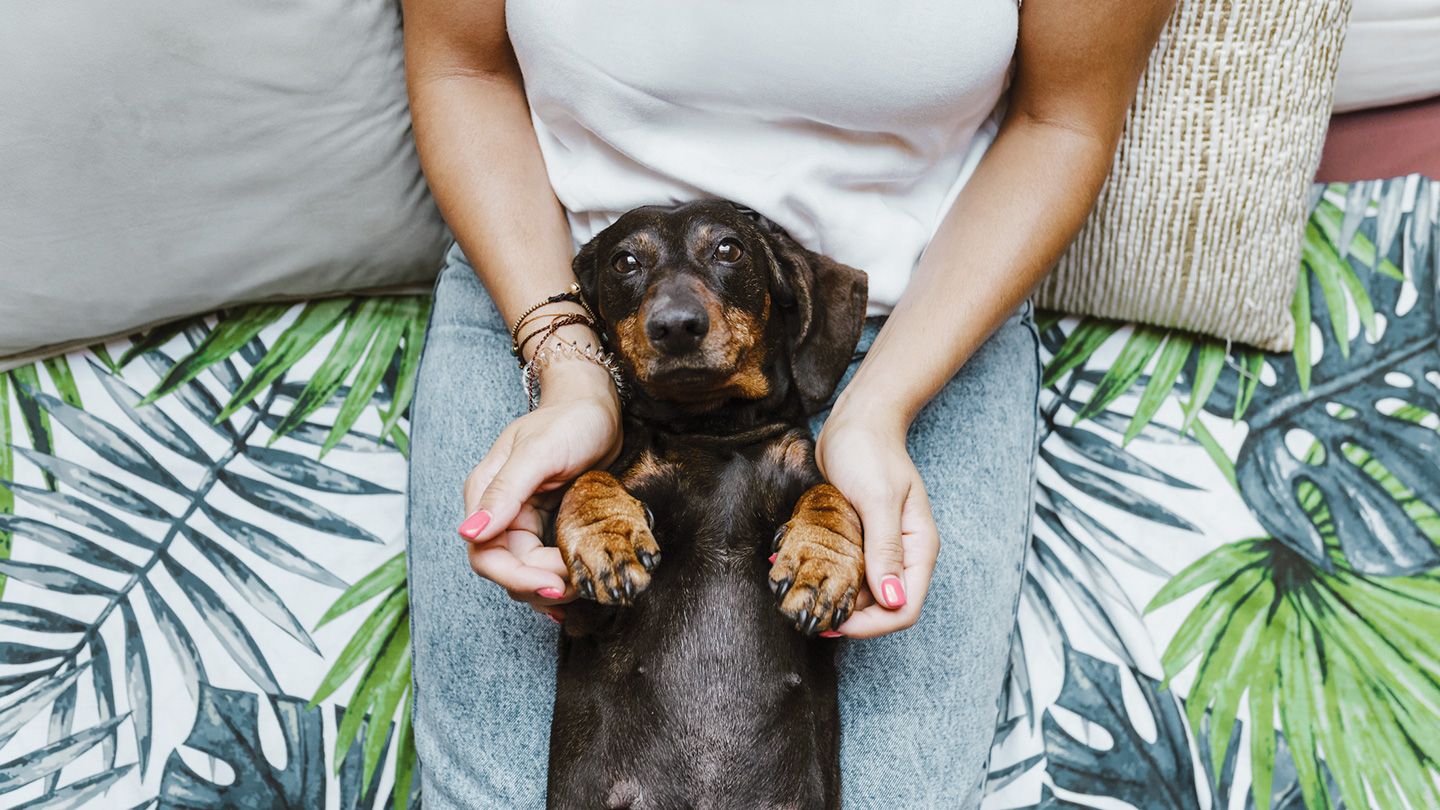
If you grew up with a dog, you may remember the obvious benefits: muddy paws on clean floors, tennis balls under the couch, and a furry alarm clock who believed 6:00 a.m. was sleeping in. But emerging research suggests that childhood dog exposure may offer something more surprising than companionship: a possible link to healthier gut development and a lower risk of Crohn’s disease later in life.
That does not mean a puppy is a medical prescription, and no responsible doctor is handing out golden retrievers with discharge papers. Still, the connection between dogs, early-life microbial exposure, the immune system, and Crohn’s disease is becoming one of the more fascinating areas in inflammatory bowel disease research. For families with children, pet lovers, and anyone interested in gut health, the idea is worth a closer look.
What Is Crohn’s Disease?
Crohn’s disease is a chronic inflammatory bowel disease, or IBD, that can affect any part of the digestive tract, from the mouth to the anus. It most commonly affects the end of the small intestine and the beginning of the colon, but its behavior can vary from person to person. Unlike a simple stomach bug, Crohn’s is long-term, immune-driven, and often unpredictable.
Common symptoms include ongoing diarrhea, abdominal pain, cramping, fatigue, unexpected weight loss, reduced appetite, fever, mouth sores, and sometimes blood in the stool. In children and teens, Crohn’s disease may also interfere with growth or delay puberty. The condition often moves in cycles, with periods of active symptoms called flares and quieter periods called remission.
Crohn’s can also lead to complications such as intestinal narrowing, fistulas, abscesses, malnutrition, anemia, and an increased need for surgery in severe cases. The good news is that modern treatment can help many people control inflammation, reduce symptoms, and live active lives. The not-so-good news? Scientists still do not know exactly why Crohn’s starts in the first place.
Why Scientists Are Looking at Childhood Dogs
Crohn’s disease is not caused by one single thing. Instead, it appears to develop from a complicated mix of genetic susceptibility, immune system behavior, gut bacteria, and environmental exposures. In plain English: genes may load the dice, but environment may help roll them.
One major clue comes from the fact that Crohn’s disease is more common in developed countries, urban environments, and populations with more sanitized lifestyles. Researchers have long wondered whether reduced exposure to diverse microbes early in life could affect the way the immune system learns to respond to the world. This idea is often called the hygiene hypothesis, although it is sometimes misunderstood. It does not mean children should skip handwashing or lick shopping carts for “immunity.” Please do not put that on a birthday invitation. It means that normal, everyday contact with a rich variety of harmless microbes may help train immune regulation.
Dogs may matter because they are excellent microbial ambassadors. They go outside, roll in grass, sniff everything with the seriousness of a detective, and then bring bits of the outdoor world back into the home. For a developing child, that may mean more exposure to environmental microbes that influence the gut microbiome and immune system.
The Study Behind the Dog-and-Crohn’s Connection
A key study from the Crohn’s and Colitis Canada Genetic, Environmental, and Microbial project examined thousands of healthy first-degree relatives of people with Crohn’s disease. These participants were already at higher-than-average risk because they had a close family member with the condition. Researchers asked detailed questions about environmental exposures, including family size, pets, farm living, water sources, and other early-life factors.
The standout finding was that living with a dog, especially between ages 5 and 15, was associated with healthier gut permeability and a more balanced relationship between gut microbes and immune response. These biological patterns may help explain why dog exposure appeared linked with a lower risk of developing Crohn’s disease.
Another interesting finding was that growing up in a household with three or more people during the first year of life also seemed protective. This supports the broader idea that early exposure to a variety of household microbes, siblings, shared environments, and everyday messiness may influence immune development. Translation: your sibling stealing your cereal may not have been entirely useless.
Does This Mean Dogs Prevent Crohn’s Disease?
Not exactly. The phrase “dogs prevent Crohn’s disease” would be catchy, clickable, and scientifically too confident. The research shows an association, not proof of cause and effect. Children who grow up with dogs may differ from children who do not in many ways. They may spend more time outdoors, live near more green space, have different household routines, or be exposed to different social and environmental patterns.
Researchers are still trying to determine whether the dog itself is the protective factor, or whether dogs are a marker for a broader lifestyle. For example, a family with a dog may take more walks, spend more time in parks, track more outdoor microbes into the home, or have a less sterile indoor environment. Any of those factors could influence the microbiome.
There is also the important issue of recall bias. Some environmental studies rely on questionnaires, and people may not perfectly remember details from early childhood. That does not make the findings useless, but it does mean they should be interpreted carefully.
How Dogs May Influence the Gut Microbiome
The gut microbiome is the community of bacteria, fungi, viruses, and other microorganisms living in the digestive tract. Far from being freeloaders, these microbes help with digestion, immune communication, gut barrier function, and inflammation control. A diverse, balanced microbiome is generally considered a marker of better gut health.
In Crohn’s disease, researchers often find differences in microbiome composition, including reduced diversity and shifts in certain bacterial groups. Some studies suggest that microbiome changes may appear years before Crohn’s symptoms begin. That is a big deal because it hints that gut bacteria may not simply change after illness starts; they may be part of the early disease pathway.
Dogs may influence the microbiome by increasing microbial diversity in the home. They bring in soil organisms, plant-associated microbes, and outdoor bacteria. They also encourage human behaviors that change exposure patterns, such as walking outside, playing in yards, and spending time in parks. A child who grows up tossing a slobbery ball may encounter a wider microbial world than a child whose main exposure is a tablet screen and climate-controlled carpeting.
The Immune System: A Training Program, Not a Panic Button
The immune system is not born fully educated. It learns. In early life, it needs to figure out what is dangerous, what is harmless, and what belongs in the body’s normal ecosystem. When immune regulation works well, the body can fight real threats without overreacting to friendly gut bacteria or everyday environmental particles.
In Crohn’s disease, the immune system appears to overreact in the digestive tract, creating chronic inflammation. Researchers believe this may involve genes, abnormal immune signaling, a weakened gut barrier, and altered microbial communities. Early-life exposure to a wider range of microbes may help train immune tolerance, though scientists are still mapping the details.
This is where dogs become interesting. They may act like furry environmental enrichment tools. They do not “boost” immunity in the vague way supplement labels love to promise. Instead, they may help shape the immune system’s education by broadening normal microbial exposure during childhood.
Why the Ages 5 to 15 May Matter
The study found especially notable links between dog exposure from ages 5 to 15 and healthier gut-related biomarkers. This age range is important because children are still developing immune patterns, gut microbial stability, habits, and environmental relationships. They are also old enough to interact actively with pets: walking them, playing in the yard, sharing floor space, and occasionally accepting a face lick before anyone can intervene.
By school age, children are exposed to classmates, playgrounds, sports, pets, siblings, and community environments. A dog may add another layer of microbial variety and outdoor contact. The result may be a richer set of signals for the immune system and microbiome.
That said, this does not mean infancy is irrelevant. Other research on pets and early childhood suggests that household animals may influence infant gut bacteria as well. The bigger message is that childhood environments may leave biological fingerprints that matter years later.
Dogs, Cats, Birds, and the “Not All Pets Are the Same” Problem
One of the more curious findings from the research is that dogs appeared linked to protective patterns, while cats did not show the same association. Before cat owners sharpen their claws, this does not mean cats are bad for gut health. It may simply mean cats create different exposure patterns. Dogs typically go outdoors more, require walks, and interact with outdoor environments in ways indoor cats often do not.
The study also found that living with birds at the time of recruitment was associated with higher Crohn’s risk. That does not prove birds cause Crohn’s disease, but it does highlight an important point: different animals may influence the home microbiome in different ways. Pet exposure is not one single category. A Labrador who joyfully runs through wet grass, a couch-loving Persian cat, and a parakeet in a cage may create very different household microbial environments.
Should Families Get a Dog to Reduce Crohn’s Risk?
A dog should never be adopted solely as a disease-prevention strategy. Dogs need time, money, training, veterinary care, exercise, patience, and a household ready for chewed socks. If a family already wants a dog and can care for one responsibly, the possible gut-health connection is a fascinating bonus. But if the family is overwhelmed, allergic, financially stretched, or not interested in pet care, there are other ways to support a child’s healthy development.
Families can encourage outdoor play, time in green spaces, balanced nutrition, regular physical activity, safe social interaction, and avoidance of cigarette smoke. These habits support general health and may also influence the microbiome. Children do not need a dog to have a healthy childhood, but a well-cared-for dog can be part of a rich, active, connected home environment.
What Parents With a Family History of Crohn’s Should Know
Family history matters. People with a parent, sibling, or child who has Crohn’s disease have a higher risk than the general population. However, genetics are not destiny. Many people with a family history never develop the disease, and many people with Crohn’s have no known family history.
Parents should watch for persistent digestive symptoms rather than panic over occasional stomachaches. Warning signs include ongoing diarrhea, repeated abdominal pain, unexplained weight loss, delayed growth, blood in the stool, chronic fatigue, mouth sores, or symptoms that keep returning. A pediatrician or gastroenterologist can evaluate whether testing is needed.
The dog research is encouraging because it suggests that Crohn’s risk may be shaped by modifiable environmental factors. Scientists are not yet ready to issue specific prevention rules, but the direction is hopeful. The future of Crohn’s prevention may involve identifying high-risk people earlier and understanding how environment, diet, microbiome, and immune markers interact before symptoms begin.
Practical Ways to Support Gut Health in Childhood
Whether or not there is a dog in the house, families can build gut-friendly habits. A varied diet with fruits, vegetables, whole grains, legumes, and fiber-rich foods can support microbial diversity. Fermented foods such as yogurt with live cultures may fit into some diets, though children with digestive symptoms should follow medical advice. Regular sleep, movement, hydration, and stress management also matter.
Outdoor play is another underrated gut-health habit. Soil, plants, fresh air, and physical movement all create a broader environmental experience than indoor sedentary routines. Safe messiness is not the enemy. Kids can garden, play in parks, help wash vegetables, run around with friends, and yes, throw a ball for the family dog until the dog pretends not to be tired.
At the same time, hygiene still matters. Children should wash hands after using the bathroom, before eating, after handling animal waste, and after playing in areas where harmful germs may be present. The goal is not a sterile life or a reckless one. It is a balanced life with safe exposure to everyday environments.
What This Research Means for the Future of Crohn’s Disease
The most exciting part of this field is not simply that dogs may be protective. It is that researchers are learning to detect biological changes before Crohn’s disease appears. Studies following healthy relatives of people with Crohn’s have identified patterns in gut permeability, inflammation markers, blood proteins, and microbiome composition that may predict future disease risk.
If scientists can identify who is at risk before symptoms begin, they may eventually test prevention strategies. These could involve diet, microbiome therapies, environmental adjustments, targeted monitoring, or other interventions that do not exist yet. The dog finding is one piece of a much larger puzzle: how the modern environment shapes immune-mediated diseases.
Personal Experience: Growing Up With a Pooch and Learning What “Healthy Mess” Means
For many people, childhood with a dog was not neat, quiet, or perfectly organized. It was muddy sneakers by the door, fur on the sofa, nose prints on windows, and at least one mysterious smell no adult could identify. Looking back through today’s gut-health lens, that ordinary chaos feels different. It was not just “mess.” It was contact with the real world.
A family dog often changes the rhythm of a household. Children go outside more because the dog needs exercise. They learn responsibility by filling the water bowl, brushing fur, measuring food, and noticing when their pet seems tired or sick. They become familiar with grass, dirt, rain, sidewalks, parks, and neighborhood trails. A dog turns the outdoors into a daily appointment, and unlike a gym membership, the dog will absolutely remind you.
Consider a child who spends afternoons playing fetch in the backyard. The ball rolls through grass, lands in soil, gets carried by a dog, and ends up back in a child’s hand. That scene may make a germ-conscious parent reach for the wipes, and reasonable hygiene is important. But it also represents a normal kind of environmental exposure: plants, outdoor air, animal contact, movement, and play. Those experiences may help shape a child’s microbial world in ways researchers are only beginning to understand.
There is also an emotional layer. Living with a dog can reduce loneliness, encourage routine, and offer comfort during stressful times. Stress does not cause Crohn’s disease, but chronic stress can affect digestion, sleep, appetite, and quality of life. A dog cannot replace medical care, but anyone who has had a loyal pet rest its head on their lap knows that animals can make hard days softer.
Families with Crohn’s disease history often live with quiet worry. A parent with Crohn’s may wonder whether their child will develop symptoms someday. In that context, research about dog exposure can feel both hopeful and frustrating. Hopeful because it suggests environment matters. Frustrating because it does not provide a guaranteed prevention plan. The healthiest response is curiosity, not fear. A dog may be one positive part of a child’s environment, but it is not a magic shield.
The real lesson may be broader: childhood health is shaped by relationships, routines, microbes, food, movement, and the spaces children explore. A pooch can bring many of those elements together in one wagging package. Dogs get children moving, pull families outdoors, add microbial variety to the home, and teach care through daily action. They also occasionally eat homework-adjacent objects, proving that no health benefit comes without paperwork.
Growing up with a dog is not the only path to a healthy gut or a resilient immune system. But it may be one charming example of how ordinary family life influences biology. The muddy pawprints, the backyard games, the neighborhood walks, and the loyal companion at the foot of the bed may all be part of a richer childhood environment. Science is still catching up to what dog lovers have long suspected: sometimes the family pooch is doing more than stealing snacks. Sometimes, in ways we are only beginning to measure, that dog may be helping shape a healthier life.
Conclusion
Growing up with a pooch may be more than a sweet childhood memory. Research suggests that exposure to dogs during childhood, especially between ages 5 and 15, is associated with healthier gut permeability, more balanced microbiome patterns, and a potentially lower risk of Crohn’s disease among people already at higher genetic risk. The connection is not proof that dogs prevent Crohn’s, and families should not adopt pets for medical reasons alone. Still, the findings fit into a larger scientific story: early-life environments, microbial diversity, immune education, and gut health are deeply connected.
For parents, the takeaway is refreshingly practical. Encourage outdoor play. Support a varied diet. Avoid cigarette smoke. Pay attention to persistent digestive symptoms. Create a home that is clean but not sterile, active but not frantic, and loving enough to include a four-legged friend if the family is ready. The future of Crohn’s disease prevention may be complex, but one part of the puzzle may already be wagging its tail at the back door.
Note: This article is for educational purposes only and should not replace professional medical advice, diagnosis, or treatment. Anyone with persistent digestive symptoms or a family history of Crohn’s disease should speak with a qualified healthcare provider.

