
Hair Care
Tomato Guide: Nutrition, Benefits, Side Effects, and More
Jul
Tomatoes are the drama queens of the produce aisle. Botanically, they are fruit. Culinarily, they behave like vegetables. Nutritionally, they are low-calorie overachievers. And emotionally? They are the reason a plain sandwich suddenly believes in itself.
Whether you slice them into salads, simmer them into sauce, blend them into gazpacho, or eat cherry tomatoes straight from the container like nature’s snackable marbles, tomatoes deserve a closer look. This tomato guide covers nutrition, health benefits, possible side effects, smart storage tips, and practical ways to get more from every juicy bite.
What Are Tomatoes?
Tomatoes come from the plant Solanum lycopersicum, a member of the nightshade family. That makes them related to potatoes, peppers, and eggplants. Although many people call tomatoes vegetables because they appear in savory dishes, they are technically fruits because they develop from a flower and contain seeds.
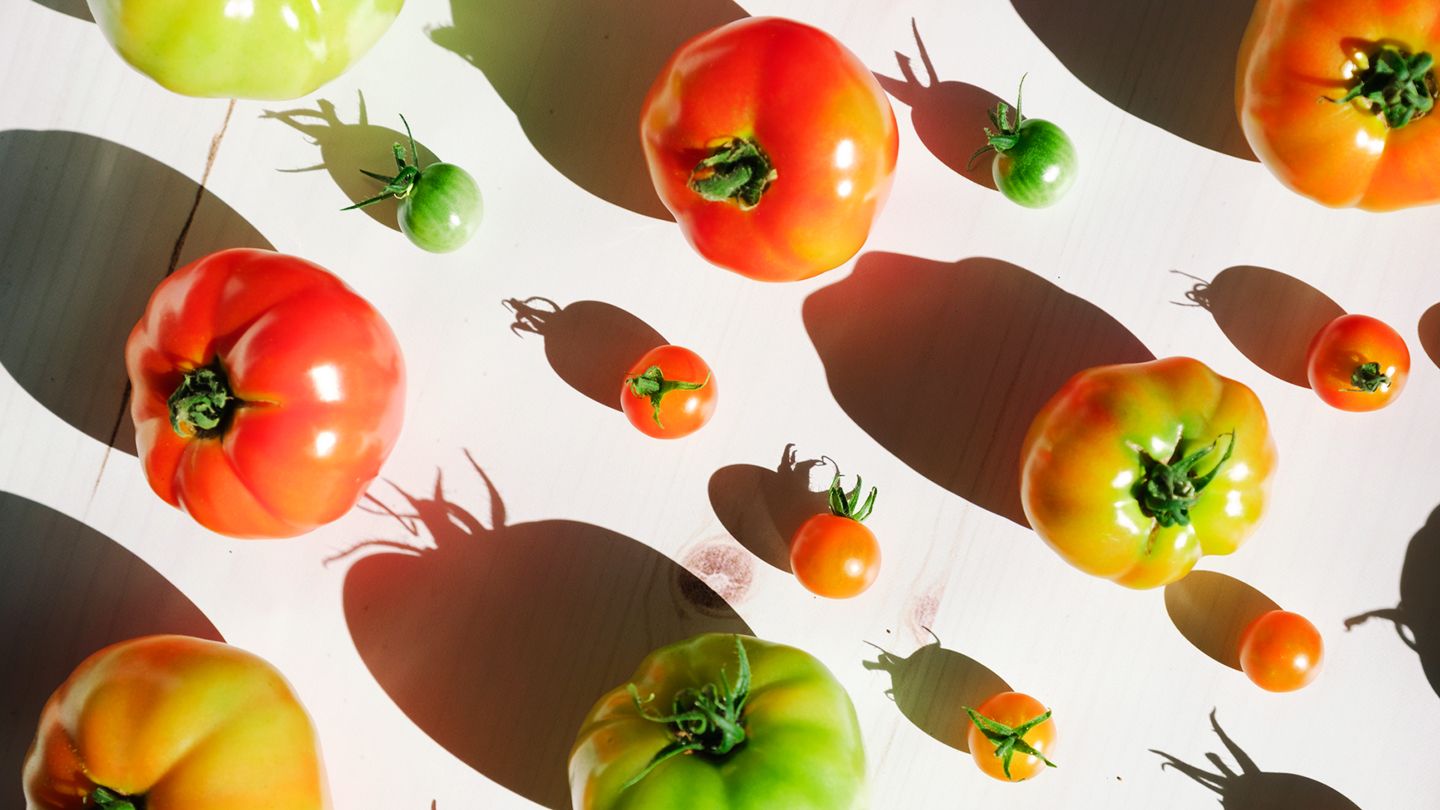
Common tomato varieties include beefsteak tomatoes, Roma tomatoes, cherry tomatoes, grape tomatoes, heirloom tomatoes, vine-ripened tomatoes, and green tomatoes. Each type has its own best use. Beefsteaks are sandwich royalty, Romas are sauce workhorses, cherry tomatoes are lunchbox heroes, and heirlooms are the colorful artists who show up late but make the table prettier.
Tomato Nutrition Facts
Tomatoes are mostly water, which explains why they taste so refreshing and why a truly ripe one can turn a cutting board into a tiny red lake. A medium raw tomato typically contains about 20 to 25 calories, around 1 gram of protein, less than 1 gram of fat, about 5 grams of carbohydrates, and roughly 1 to 2 grams of fiber.
Tomatoes also provide vitamin C, potassium, folate, vitamin K, beta-carotene, and small amounts of magnesium and iron. Their most famous plant compound is lycopene, the red carotenoid pigment that gives ripe tomatoes their bright color and much of their antioxidant reputation.
Key Nutrients in Tomatoes
Vitamin C: Supports immune function, collagen production, and antioxidant defense. Tomatoes are not as vitamin C-heavy as bell peppers or citrus fruits, but they still contribute nicely to daily intake.
Potassium: Helps support normal blood pressure, muscle function, and fluid balance. Tomatoes can be a useful potassium source in a balanced diet.
Fiber: Supports digestion, helps with fullness, and contributes to gut health. Tomato fiber is modest, but it still countsespecially when tomatoes are eaten with other vegetables, beans, or whole grains.
Lycopene: A carotenoid antioxidant linked in research to heart health, skin protection, and potential support against oxidative stress.
Folate: Important for cell growth and DNA formation, making it especially relevant for people who are pregnant or planning pregnancy.
Top Health Benefits of Tomatoes
1. Tomatoes Support Heart Health
Tomatoes may be especially helpful for heart-friendly eating patterns. Their potassium supports healthy blood pressure, while lycopene and other antioxidants may help protect blood vessels from oxidative stress. Tomato-rich diets are often associated with better cholesterol markers and improved vascular function, especially when tomatoes are part of a broader diet rich in fruits, vegetables, whole grains, legumes, nuts, and healthy fats.
One practical example: a bowl of whole-grain pasta with tomato sauce, olive oil, garlic, spinach, and beans is not just “comfort food.” It is a fiber-rich, antioxidant-packed meal that tastes like it came with a tiny Italian grandmother giving nutritional approval from the corner.
2. Tomatoes Are Rich in Antioxidants
Antioxidants help protect cells from damage caused by free radicals. Tomatoes contain several antioxidant compounds, including lycopene, beta-carotene, vitamin C, lutein, and flavonoids. These compounds do not act like magic shields, but they do contribute to the body’s natural defense system.
Lycopene is especially interesting because it becomes more available to the body when tomatoes are cooked. That means tomato sauce, tomato paste, tomato soup, and stewed tomatoes can be excellent sources. Add a little olive oil, avocado, or another healthy fat, and lycopene absorption may improve because carotenoids are fat-soluble.
3. Tomatoes May Benefit Skin Health
Tomatoes are not sunscreen, and rubbing marinara on your face is not a skincare routine anyone should recommend at brunch. Still, the nutrients in tomatoes may support skin health from the inside. Vitamin C helps the body make collagen, while lycopene and beta-carotene may help defend against oxidative stress related to sun exposure.
A tomato-rich diet will not replace SPF, hats, or shade, but it can be part of a skin-supportive eating pattern. Think of tomatoes as a supporting actor in your skin health movienot the entire cast.
4. Tomatoes Support Hydration
Because tomatoes are high in water, they can contribute to hydration. This is one reason fresh tomatoes taste so good in warm weather. Tomato salads, pico de gallo, gazpacho, and tomato-cucumber bowls are refreshing ways to add fluid, electrolytes, and flavor without loading the plate with calories.
5. Tomatoes May Help With Weight-Friendly Eating
Tomatoes are low in calories but big on flavor. Their acidity and natural sweetness can make meals feel brighter and more satisfying. Adding tomatoes to eggs, beans, salads, sandwiches, soups, and grain bowls can increase volume and taste without adding much fat or sugar.
For example, scrambled eggs with tomatoes, spinach, and onions feel like a full breakfast instead of a negotiation with hunger. A turkey sandwich with tomato slices tastes fresher and more filling. A bean salad with chopped tomatoes suddenly becomes something you might proudly bring to a picnic instead of apologizing for.
6. Tomatoes Support Digestive Health
Tomatoes contain water and fiber, two basic helpers for digestion. Fiber supports regular bowel movements and feeds beneficial gut bacteria. The amount of fiber in one tomato is not enormous, but tomatoes are easy to combine with higher-fiber foods such as lentils, chickpeas, oats, quinoa, brown rice, whole-grain bread, and vegetables.
A simple tomato and white bean salad with olive oil, parsley, lemon, and black pepper is a great example of digestive-friendly eating that does not taste like homework.
7. Tomatoes May Support Eye Health
Tomatoes contain beta-carotene, lutein, and zeaxanthin, plant compounds that are associated with eye health. These nutrients help support the retina and may play a role in protecting eyes from oxidative stress. Tomatoes should not be viewed as a cure for vision problems, but they fit well into a diet that supports long-term eye health.
Fresh Tomatoes vs. Cooked Tomatoes
Fresh and cooked tomatoes both have advantages. Fresh tomatoes provide vitamin C, crisp texture, and bright flavor. Cooked tomatoes often provide more bioavailable lycopene, especially when prepared with a small amount of fat.
Fresh tomatoes shine in salads, sandwiches, bruschetta, salsa, and caprese. Cooked tomatoes are best in soups, sauces, stews, shakshuka, chili, and roasted vegetable dishes. Canned tomatoes can be just as useful as fresh ones, especially when tomatoes are out of season. The main thing to watch with canned tomato products is sodium. Choose “no salt added” or “low sodium” options when possible, especially if you are monitoring blood pressure.
Possible Side Effects of Tomatoes
Acid Reflux and Heartburn
Tomatoes are naturally acidic, and tomato-based foods can trigger symptoms in some people with acid reflux or GERD. Sauce, salsa, ketchup, and tomato juice may be more irritating than small amounts of fresh tomato because they are concentrated or combined with spices, garlic, onion, or vinegar.
If tomatoes bother your stomach, try smaller portions, avoid eating them late at night, and notice whether cooked tomato products trigger more symptoms than fresh ones. People with frequent reflux should speak with a healthcare professional instead of playing detective with a bottle of antacids and a suspicious plate of spaghetti.
Tomato Allergy or Oral Allergy Syndrome
True tomato allergy is uncommon, but some people may experience itching, tingling, or swelling in the mouth after eating raw tomatoes. This can happen with oral allergy syndrome, also called pollen-food allergy syndrome, where proteins in raw fruits or vegetables cross-react with pollen allergies.
Symptoms are often mild and limited to the mouth or throat, but any reaction involving trouble breathing, widespread hives, dizziness, or throat tightness needs urgent medical attention. Cooked tomatoes may be tolerated by some people who react to raw tomatoes, but this varies by individual.
Nightshade Sensitivity Concerns
Tomatoes are nightshades, and the internet has given nightshades a reputation that ranges from “slightly suspicious” to “villain in a vegetable costume.” For most people, tomatoes are safe and nutritious. There is no strong evidence that everyone with arthritis or inflammation needs to avoid them.
However, individual tolerance matters. If tomatoes consistently seem to worsen symptoms, keep a food and symptom journal and discuss it with a doctor or registered dietitian. Avoiding an entire food group without a clear reason can make eating more restrictive than necessary.
Kidney or Potassium Considerations
Tomatoes contain potassium. For most healthy people, that is a benefit. But people with advanced kidney disease or those on potassium-restricted diets may need to limit high-potassium foods, including tomato products. Tomato paste, sauce, and juice can be more concentrated sources than fresh tomato slices.
Food Safety Risks
Like other fresh produce, tomatoes can carry bacteria if they are contaminated during growing, handling, transport, or preparation. Rinse tomatoes under running water before cutting or eating them. Do not wash produce with soap, detergent, or bleach. Also, use clean knives and cutting boards so the tomato does not become an innocent victim of cross-contamination.
How to Choose the Best Tomatoes
Choose tomatoes that are firm but not rock-hard, smooth, heavy for their size, and fragrant near the stem. Avoid tomatoes with deep cracks, mold, bruises, or leaking spots. Color depends on variety, so a yellow or purple tomato is not necessarily unripe. A tomato should look alive, not like it has survived three emotional breakups in the grocery bin.
How to Store Tomatoes
For best flavor, store whole ripe tomatoes at room temperature and use them within a few days. Keep them away from direct sunlight. Refrigeration can help slow spoilage when tomatoes are very ripe, but it may dull their flavor and texture. If you must refrigerate ripe tomatoes, let them return to room temperature before eating for better taste.
Cut tomatoes should be refrigerated in a covered container and used promptly. Tomato sauce, salsa, and cooked tomato dishes should also be refrigerated and handled like other leftovers.
Easy Ways to Eat More Tomatoes
Breakfast Ideas
Add chopped tomatoes to omelets, breakfast burritos, avocado toast, or cottage cheese bowls. Try tomatoes with eggs, black pepper, and herbs for a breakfast that feels fancy but takes almost no effort.
Lunch Ideas
Layer tomato slices into sandwiches, wraps, grain bowls, and salads. Add cherry tomatoes to pasta salad, tuna salad, or chickpea salad. A tomato can rescue a sad desk lunch faster than most motivational quotes.
Dinner Ideas
Use tomatoes in chili, curry, soup, pasta sauce, roasted chicken, baked fish, vegetable stew, or lentil dishes. Roast cherry tomatoes with olive oil and garlic until they burst, then spoon them over toast, grains, or grilled protein.
Snack Ideas
Eat grape tomatoes with hummus, mozzarella, guacamole, or Greek yogurt dip. Sprinkle sliced tomatoes with a little salt, pepper, and basil for a snack that tastes like summer remembered your address.
Who Should Eat Tomatoes?
Most people can enjoy tomatoes regularly as part of a balanced diet. They are especially useful for people who want more vegetables and fruits, more antioxidants, more hydration, and more flavor without many calories. Tomatoes fit easily into Mediterranean-style, vegetarian, vegan, gluten-free, and heart-conscious eating patterns.
People with reflux, tomato allergy, kidney-related potassium restrictions, or specific medical diets may need to be more cautious. When in doubt, personal tolerance and professional guidance matter more than generic food rules.
Practical Tomato Experience: What Real Life Teaches You About Tomatoes
Tomatoes are one of those foods that teach you quickly. Buy a pale, hard tomato in the middle of winter, slice it onto a sandwich, and you learn humility. Buy a ripe summer tomato from a farmers market, add a pinch of salt, and suddenly you understand why people write poetry about lunch.
One common kitchen experience is discovering that tomato quality matters more in raw dishes than cooked ones. A bland tomato can disappear into a sauce with garlic, herbs, onion, and olive oil, but it cannot hide in a caprese salad. If the tomato is the star, choose the ripest, best-smelling one you can find. If the tomato is part of a simmered dish, canned tomatoes may do the job beautifully and consistently.
Another lesson is that tomatoes reward patience. Letting chopped tomatoes sit for a few minutes with salt, olive oil, and herbs draws out their juices and creates a quick dressing. That little pool of tomato liquid at the bottom of the bowl is not a problem; it is flavor wearing a cape. Toss it with bread, pasta, beans, cucumbers, or greens, and suddenly the meal tastes planned.
Cooking tomatoes also changes their personality. Raw tomatoes are bright, juicy, and fresh. Roasted tomatoes become sweet and jammy. Simmered tomatoes turn rich and savory. Tomato paste, when cooked in oil for a minute or two, develops deeper flavor and can make soups, stews, and sauces taste as if they took longer than they did. This is a useful trick for busy weeknights when dinner needs to taste slow-cooked but your schedule says, “Absolutely not.”
People also learn that tomato tolerance is personal. Some can eat salsa, marinara, and tomato soup without a second thought. Others get heartburn from one enthusiastic bowl of spaghetti. The best approach is not panic; it is observation. Notice serving size, timing, and preparation. Fresh tomato slices may be fine while spicy tomato sauce is not. A small amount at lunch may work better than a large portion before bed.
Finally, tomatoes are a reminder that healthy food does not have to be complicated. A tomato sandwich on whole-grain bread, tomato soup with beans, roasted tomatoes over fish, or cherry tomatoes with hummus can all support better eating without requiring a spreadsheet, a blender the size of a lawn mower, or a wellness influencer whispering affirmations over your cutting board.
Conclusion
Tomatoes are low in calories, rich in water, and packed with useful nutrients such as vitamin C, potassium, folate, fiber, and lycopene. Their benefits may include support for heart health, skin health, hydration, digestion, eye health, and weight-friendly eating. Fresh tomatoes offer bright flavor and vitamin C, while cooked tomatoes and tomato products can provide more available lycopene.
Still, tomatoes are not perfect for everyone. People with acid reflux, allergies, oral allergy syndrome, potassium restrictions, or personal sensitivities may need to adjust how often and how much they eat. For most people, though, tomatoes are a smart, flexible, delicious addition to everyday meals. In other words, the tomato may be confused about whether it is a fruit or vegetable, but nutritionally, it knows exactly what it is doing.
Note: This article is for general educational purposes only and is not a substitute for personalized medical advice, diagnosis, or treatment.

