
Hair Care
Pancakes Recipe
Jul
There are mornings when toast feels too responsible, cereal feels like a missed opportunity, and your kitchen quietly whispers, “Pancakes.” A good pancakes recipe is more than flour, milk, eggs, and a hot pan. It is a tiny weekend celebration you can make on a Tuesday, a golden stack that says, “Yes, I do have my life together,” even if you are still wearing one sock.
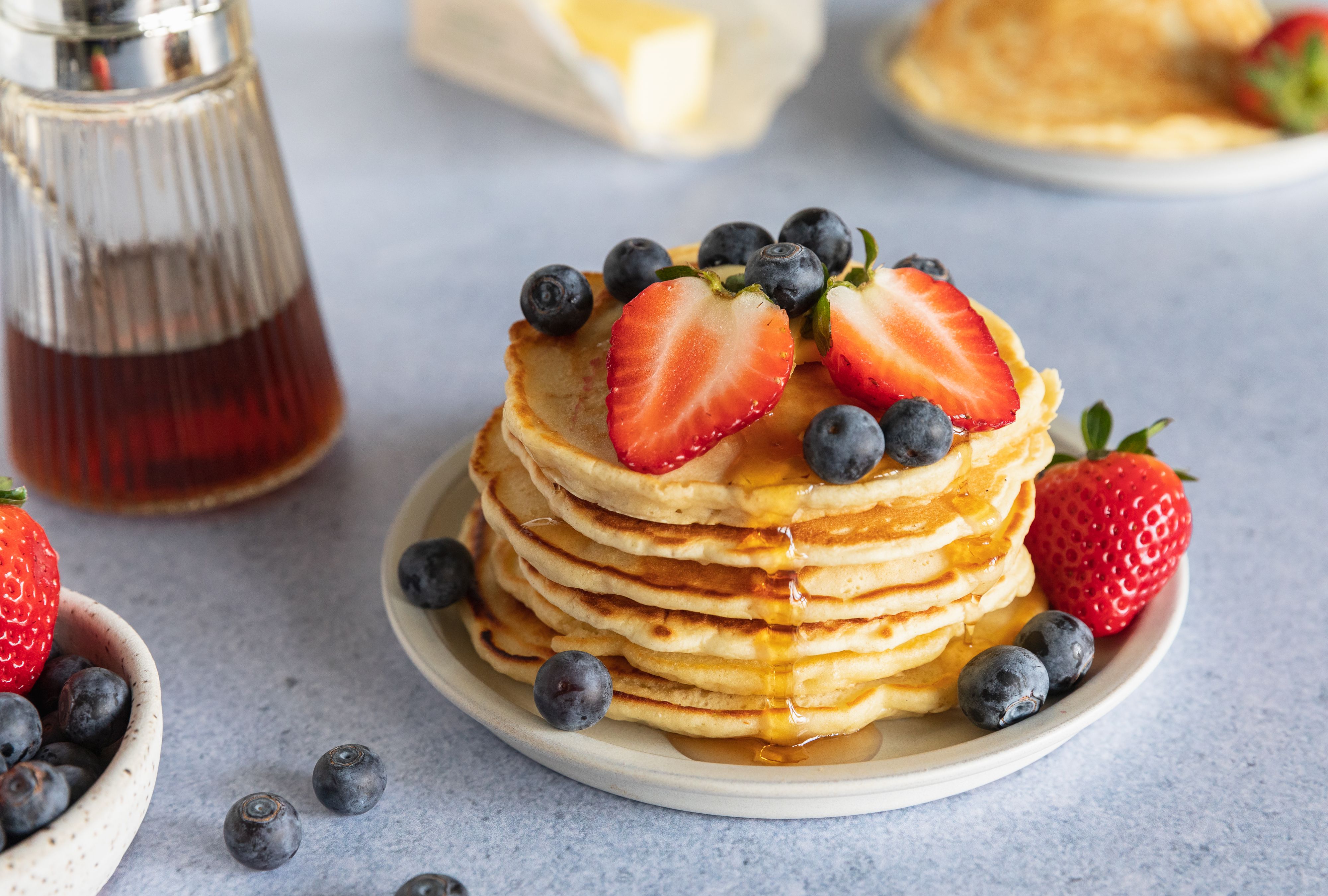
This homemade pancakes recipe is designed for fluffy pancakes with tender centers, lightly crisp edges, and that classic diner-style flavor people chase with maple syrup in hand. It uses simple pantry ingredients, a short batter rest, and a few practical cooking tricks that make the difference between “pretty good” and “who gave these pancakes a pillow contract?”
Whether you are making breakfast for kids, brunch for friends, or a deeply personal stack for yourself, this guide covers the full method: ingredients, steps, variations, common mistakes, storage, reheating, and real-world pancake wisdom learned one slightly-too-dark first pancake at a time.
Why This Pancakes Recipe Works
The best pancake recipe balances structure, lift, moisture, flavor, and heat. All-purpose flour gives the pancakes enough body to hold their shape. Baking powder creates rise. A small amount of sugar helps browning and adds gentle sweetness. Salt keeps the flavor from tasting flat. Milk hydrates the batter, egg binds it, and melted butter brings richness.
The real secret is not one magical ingredient. It is the method. You do not want to beat pancake batter into submission like it owes you money. Mix it gently, leave a few small lumps, let it rest for a few minutes, and cook it over steady medium heat. Pancakes are simple, but they are not fans of chaos.
Ingredients for Classic Homemade Pancakes
This recipe makes about 8 medium pancakes, enough for 3 to 4 people depending on appetite, topping enthusiasm, and whether someone in the house believes pancakes are a competitive sport.
Dry Ingredients
- 1 1/2 cups all-purpose flour
- 3 1/2 teaspoons baking powder
- 2 tablespoons granulated sugar
- 1/2 teaspoon fine salt
Wet Ingredients
- 1 1/4 cups whole milk, plus 1 to 2 tablespoons more if needed
- 1 large egg
- 3 tablespoons unsalted butter, melted and slightly cooled
- 1 teaspoon vanilla extract
For Cooking and Serving
- Butter or neutral oil for the skillet
- Maple syrup
- Fresh berries, sliced bananas, whipped cream, or toasted nuts, optional
How to Make Pancakes From Scratch
Step 1: Whisk the Dry Ingredients
In a large mixing bowl, whisk together the flour, baking powder, sugar, and salt. This quick step spreads the leavening evenly through the flour, which helps every pancake rise instead of letting one lucky pancake become the skyscraper of the batch.
Step 2: Mix the Wet Ingredients
In a separate bowl or large measuring cup, whisk the milk, egg, melted butter, and vanilla extract until smooth. Make sure the melted butter is slightly cooled before adding it, because hot butter can scramble the egg. Breakfast should be dramatic only after coffee, not inside the mixing bowl.
Step 3: Combine Gently
Pour the wet ingredients into the dry ingredients. Stir with a spatula or whisk just until the flour disappears. The batter should look slightly lumpy. That is not a mistake; that is pancake insurance. Overmixed batter can turn fluffy pancakes into chewy little breakfast coasters.
Step 4: Rest the Batter
Let the batter rest for 5 to 10 minutes. During this time, the flour hydrates and the baking powder begins doing its bubbly little science show. The batter may thicken slightly. If it looks too thick to pour, stir in 1 tablespoon of milk at a time until it moves slowly but easily from a scoop.
Step 5: Heat the Pan
Place a nonstick skillet, cast-iron pan, or griddle over medium heat. Add a small amount of butter or oil. The pan is ready when a drop of water sizzles gently and disappears. If the water vanishes instantly with a furious hiss, the pan is too hot. Pancakes like confidence, not volcanic activity.
Step 6: Cook the Pancakes
Scoop about 1/4 cup of batter for each pancake. Cook until bubbles appear on the surface, the edges look set, and the bottom is golden brown, about 2 to 3 minutes. Flip once and cook the second side for 1 to 2 minutes more. Avoid pressing down with the spatula. Pancakes are not paninis; they do not need emotional pressure.
Step 7: Keep Warm and Serve
Transfer finished pancakes to a plate or a baking sheet in a low oven set around 200 degrees Fahrenheit while you cook the rest. Serve warm with butter, maple syrup, fruit, or your favorite toppings.
Buttermilk Pancake Variation
If you want extra tangy, fluffy pancakes, replace the whole milk with 1 1/4 cups buttermilk and reduce the baking powder to 2 teaspoons. Add 1/2 teaspoon baking soda. Buttermilk brings acidity, which reacts with baking soda and helps create bubbles in the batter. The result is a tender pancake with a classic brunch flavor.
No buttermilk? You can make a quick substitute by stirring 1 tablespoon lemon juice or white vinegar into 1 1/4 cups milk. Let it sit for 5 minutes before using. It will not taste exactly like cultured buttermilk, but it works nicely in a pinch and saves you from making an emergency grocery run in pajama pants.
Tips for Extra Fluffy Pancakes
Use Fresh Baking Powder
Baking powder loses strength over time. If your pancakes are coming out flat even though you followed the recipe, your baking powder may be the sleepy villain. To test it, stir a little into hot water. If it bubbles strongly, it is active. If it just sits there like it is on vacation, replace it.
Do Not Overmix the Batter
Once flour meets liquid, gluten begins to develop. A little gluten gives pancakes structure. Too much makes them tough. Mix only until combined and do not chase every lump. Small lumps disappear during cooking.
Let the Batter Rest
A short rest helps the flour absorb liquid and gives the leavening time to activate. This makes the pancakes lighter and more even. Five to ten minutes is enough for this recipe.
Cook Over Medium Heat
High heat burns the outside before the inside cooks. Low heat dries the pancakes out before they brown. Medium heat is the sweet spot. If the first pancake looks too dark, lower the heat slightly. The first pancake is often the test pancake, also known as the chef’s snack.
Flip Only Once
Wait until bubbles form and the edges look set before flipping. Flip once, then leave the pancake alone. Repeated flipping can knock out air and make the texture less tender.
Common Pancake Mistakes and How to Fix Them
Pancakes Are Flat
Flat pancakes are usually caused by expired baking powder, overmixed batter, or batter that sat too long after mixing. Use fresh leavening, stir gently, and cook the pancakes soon after the batter rests.
Pancakes Are Burnt Outside and Raw Inside
Your pan is too hot. Lower the heat and give the pan a minute to adjust. Pancakes should cook gradually enough for the center to set before the outside turns too dark.
Pancakes Are Tough
The batter was likely overmixed. Next time, stir just until the flour disappears. A few lumps are welcome guests.
Pancakes Stick to the Pan
Make sure the pan is properly preheated and lightly greased. If using cast iron, it should be well seasoned. Too much butter can burn, so wipe out dark bits between batches if needed.
Best Pancake Toppings
Classic butter and maple syrup will never let you down, but pancakes are also a blank canvas for breakfast creativity. Try fresh blueberries, sliced strawberries, bananas, toasted pecans, cinnamon sugar, peanut butter, chocolate chips, lemon curd, or Greek yogurt with honey.
For a dessert-style stack, add whipped cream and warm berry sauce. For a more balanced breakfast, serve pancakes with scrambled eggs, fruit, or turkey sausage. For a “because I can” breakfast, add chocolate chips and call it self-care. No court would convict you.
Easy Pancake Add-Ins
Add-ins can make this simple pancakes recipe feel brand-new every time. Fold in up to 3/4 cup of blueberries, chopped strawberries, mini chocolate chips, or sliced bananas. For nuts, use about 1/2 cup chopped pecans or walnuts.
One smart trick is to sprinkle add-ins onto each pancake after you pour the batter into the pan instead of mixing them directly into the bowl. This gives you better control and prevents berries or chocolate from sinking to the bottom of the batter.
How to Store and Reheat Pancakes
Cool leftover pancakes completely, then store them in an airtight container in the refrigerator for up to 3 days. To freeze, place pancakes in a single layer on a baking sheet until firm, then transfer them to a freezer bag with parchment between layers. Freeze for up to 2 months.
Reheat pancakes in a toaster, toaster oven, or warm skillet. The microwave works too, but it can make them softer. If reheating a stack, cover loosely with a damp paper towel and heat in short bursts.
Food Safety Notes for Pancakes
Because pancake batter contains egg, avoid tasting raw batter. Cook pancakes until the centers are set and no wet batter remains. Keep dairy and eggs refrigerated before using, wash hands and utensils after handling raw egg, and refrigerate leftovers promptly.
If you are serving pancakes for a crowd, keep cooked pancakes warm in a low oven rather than leaving them at room temperature for a long time. Pancakes are friendly, but they are still food, and food appreciates basic boundaries.
Real-Life Pancake Experience: What Actually Makes a Better Stack
After making pancakes in real kitchens, for real people, with real distractions, one lesson becomes obvious: pancake success is less about perfection and more about rhythm. The first pancake is almost always a rehearsal. It tells you whether the pan is too hot, whether the batter is too thick, and whether you remembered to grease the skillet. Treat it like a test pancake, not a personal failure. Even chefs have first pancakes that look like they made a wrong turn.
One of the most useful experiences with homemade pancakes is learning the right batter texture. Many beginners want the batter perfectly smooth, but that usually leads to overmixing. A good pancake batter should look slightly uneven, thick enough to mound for a second when poured, but loose enough to spread into a round shape on its own. If it sits like biscuit dough, add a splash of milk. If it runs like cream, add a spoonful of flour.
Another practical discovery is that pan temperature matters more than people think. A pan that is too hot gives you pancakes with dark, dramatic surfaces and pale, undercooked centers. A pan that is too cool makes pancakes dry and flat. Medium heat is usually right, but every stove has its own personality. Gas burners, electric coils, glass cooktops, and griddles all behave differently. Once you find your sweet spot, stay there and adjust slowly.
Cooking pancakes for a group also teaches patience. It is tempting to pour six pancakes into one skillet and hope for the best, but crowded pancakes are hard to flip and often merge into one strange breakfast continent. Give each pancake space. Use a 1/4-cup scoop for consistent size. If you need to serve several people, cook in batches and keep finished pancakes warm in a low oven. This keeps breakfast calm and prevents the cook from standing at the stove like a short-order diner employee during rush hour.
Flavor improves with small details. Vanilla adds warmth. Melted butter gives richness. A pinch of salt makes the sweetness taste brighter. If using fruit, fresh blueberries are excellent, but frozen blueberries work well when added directly to each pancake in the pan. Do not thaw them first unless you enjoy purple batter with the emotional energy of a cartoon storm cloud.
The biggest experience-based tip is to serve pancakes immediately when possible. Pancakes are at their best when warm, soft, and lightly crisp at the edges. Toppings should be ready before cooking starts: butter softened, syrup warmed, fruit washed, plates waiting. Pancakes cool quickly, and nobody wants to watch a perfect stack lose steam while someone searches for the syrup hiding behind the pickles.
Finally, pancakes are forgiving. If one batch is a little too brown, lower the heat. If the batter thickens as it sits, add milk. If the pancakes are not perfectly round, call them rustic. The goal is not a flawless magazine stack. The goal is a warm plate of fluffy pancakes that makes breakfast feel special without requiring culinary gymnastics. Master this basic pancakes recipe, and you will always have a reliable answer to the question, “What should we eat this morning?”
Conclusion
A great pancakes recipe should be simple, reliable, and delicious enough to make everyone at the table suspiciously quiet for a few minutes. This version uses everyday ingredients and easy techniques to create fluffy homemade pancakes with golden edges and soft centers. Remember the big rules: use fresh baking powder, mix gently, rest the batter, cook over medium heat, and flip only once.
Once you master the basic recipe, you can customize it endlessly with buttermilk, berries, bananas, chocolate chips, nuts, yogurt, or warm fruit sauces. Pancakes may look humble, but with the right method, they become the kind of breakfast that turns an ordinary morning into a tiny celebration. Add coffee, syrup, and maybe a second stack. You have earned it.
Note: This original article is written for web publishing and synthesizes practical cooking guidance from reputable U.S. culinary and food-safety resources without embedding source links.
SEO Tags

