
Body Care
Copy One Of These Lovely Lattice Ideas For Your Home
Jul
Lattice is one of those home design details that quietly does everything. It adds privacy without turning your yard into a wooden fortress. It supports climbing plants without demanding a degree in landscape architecture. It hides awkward under-deck spaces, softens fences, dresses up patios, and can even sneak indoors as a chic trellis-inspired wall pattern. In other words, lattice is the helpful friend who shows up with snacks, tools, and a backup plan.
If you have been staring at your porch, deck, garden wall, balcony, or backyard corner thinking, “This needs something,” lattice might be the something. The beauty of lattice design is that it can be traditional, cottage-style, coastal, modern, farmhouse, romantic, or clean and contemporary depending on the material, color, scale, and placement. A white diamond lattice panel says classic garden party. A black square lattice screen says modern patio with excellent taste. A cedar lattice fence says, “Yes, I own pruning shears, and I know where they are.”
Below are lovely lattice ideas you can copy for your home, from simple weekend upgrades to more polished projects that look designer without requiring you to sell a kidney to fund them.
Why Lattice Works So Well Around the Home
Lattice works because it solves a design problem while still looking decorative. Solid fencing can feel heavy, especially in a small yard or narrow side garden. Lattice creates a lighter barrier because its open pattern allows air, light, and glimpses of greenery to pass through. That makes it especially useful for patios, decks, porches, balconies, garden beds, and awkward utility zones.
Another reason lattice remains popular is flexibility. You can buy ready-made lattice panels in wood, vinyl, plastic, composite, or decorative screen styles. You can paint them, stain them, frame them, mount them to posts, attach them to fences, use them under decks, or train climbing plants through them. Lattice can look charmingly old-fashioned or surprisingly sleek depending on how you style it.
1. Add a Lattice Privacy Screen to Your Patio
A lattice privacy screen is one of the easiest ways to make a patio feel more like an outdoor room. Instead of building a full fence, install framed lattice panels along one or two exposed sides of the patio. This blocks direct sight lines from neighbors while keeping the space breezy and open.
For a traditional look, choose white or natural wood diamond lattice. For a modern look, choose square lattice in black, charcoal, or deep brown. If your patio has light stone pavers or pale outdoor furniture, a dark lattice screen can add striking contrast. If your home is coastal or cottage-inspired, white lattice with climbing roses, clematis, or jasmine can make the whole area feel like it belongs in a summer movie where nobody ever has mosquito bites.
Best for:
Small patios, townhome backyards, outdoor dining areas, and side-yard seating spaces.
2. Use Lattice as Deck Skirting
Deck skirting is one of the most practical lattice ideas for your home. If the underside of your deck currently looks like a mysterious cave where old soccer balls and forgotten garden gloves go to retire, lattice skirting can clean it up instantly.
Install lattice panels around the base of the deck to conceal the understructure while still allowing ventilation. That airflow matters because enclosed spaces under decks can trap moisture if they are completely sealed. Lattice creates a finished look without suffocating the area. Add a framed access panel or small hidden door if you use the space for storage.
Wood lattice gives a warm, classic appearance and can be stained to match the deck. Vinyl lattice is low-maintenance and resists rot, which makes it attractive for homeowners who prefer not to spend weekends sanding things while muttering darkly under their breath.
Copy this idea:
Paint the lattice skirting the same color as your deck trim for a seamless built-in look. For a more intentional contrast, use black lattice beneath a natural wood deck.
3. Top a Fence with Decorative Lattice
If your existing fence feels too plain, too short, or too visually heavy, adding a lattice topper can completely change its personality. A lattice fence topper adds height and privacy while softening the overall structure. It is especially useful when you want more screening but do not want the yard to feel boxed in.
Diagonal lattice creates a classic garden look, while square lattice feels cleaner and more contemporary. For older homes, a white or painted wood topper can complement traditional architecture. For modern homes, slim horizontal or geometric lattice panels can make a standard fence feel custom.
Design tip:
Keep proportions in mind. A tall solid fence with a narrow strip of lattice at the top looks balanced. A short fence with oversized lattice may look like it is wearing a hat it borrowed from a much larger fence.
4. Create a Garden Trellis Wall
Lattice and climbing plants are a natural pair. A lattice trellis wall gives vines a structure to climb and adds vertical interest to the garden. Place a trellis against a blank garage wall, shed wall, side fence, or exterior wall that needs texture.
For flowering color, consider climbing roses, clematis, mandevilla, or honeysuckle. For fragrance, jasmine is a lovely choice in suitable climates. For edible gardening, use lattice to support cucumbers, peas, beans, or small vining squash. Just remember that plants are living roommates. Some are polite. Some try to take over the lease. Always choose vines appropriate for your climate and maintenance style.
Copy this idea:
Frame a large lattice panel with simple wood trim, paint it white, and mount it on a blank wall. Plant a climbing vine at the base and guide the stems through the openings as they grow.
5. Hide Trash Cans, HVAC Units, or Utility Areas
Every home has a few necessary-but-not-beautiful zones. Trash bins, recycling cans, garden hoses, air-conditioning units, propane tanks, and storage corners are useful, but they rarely inspire poetry. Lattice screens are an attractive way to hide these areas while still allowing airflow where needed.
Build a three-sided lattice enclosure around trash cans, or install a hinged lattice gate for easy access. Around HVAC equipment, be careful to follow manufacturer clearance recommendations so the unit can breathe and be serviced. The goal is “pleasantly concealed,” not “accidentally expensive.”
Best material:
Vinyl or composite lattice is ideal for utility screens because it is easy to wash and holds up well outdoors. Wood works beautifully too, especially if you want a warmer natural look.
6. Add Lattice to a Porch for Charm and Privacy
Porches and lattice have been flirting for generations, and honestly, they are still a great couple. Lattice can be used below porch railings, along porch sides, or as a decorative privacy panel near a seating area. It gives the porch a more finished, cozy feeling without blocking every breeze.
For a classic American porch, white lattice paired with painted railings is timeless. For a farmhouse porch, stained wood lattice adds a rustic note. For a bungalow, lattice panels with thicker framing can echo Craftsman-style details.
Small upgrade, big effect:
Add climbing planters or hanging baskets near porch lattice. The plants soften the structure and make the porch feel more welcoming from the street.
7. Build a Lattice Pergola Accent
A pergola already adds architecture to an outdoor space, but lattice can make it more useful. Add lattice panels to the top of a pergola for dappled shade, or use lattice on one side to create a sense of enclosure. This works especially well over outdoor dining areas, hot tub zones, or garden seating nooks.
The pattern creates beautiful shadows during the day, which is basically free outdoor wallpaper courtesy of the sun. Add climbing plants for more shade over time, or keep the lattice bare for a crisp architectural look.
Copy this idea:
Use cedar or redwood lattice on a pergola for warmth, then let it weather naturally or seal it to preserve the color.
8. Try a Modern Black Lattice Screen
When people hear “lattice,” they often picture white diamond panels under a porch. That is lovely, but lattice has range. A black square lattice screen can look bold, graphic, and modern. It pairs well with concrete patios, gravel gardens, contemporary outdoor furniture, and minimalist landscaping.
Use black lattice as a privacy screen, fence accent, balcony panel, or backdrop for container plants. The dark color makes greenery pop and creates a sleek frame around the outdoor space. If white lattice is lemonade on the porch, black lattice is espresso on the patio.
Design tip:
Repeat the black finish in nearby details such as light fixtures, planter boxes, door hardware, or metal furniture legs. Repetition makes the lattice look intentional rather than randomly dramatic.
9. Frame Lattice Like Artwork
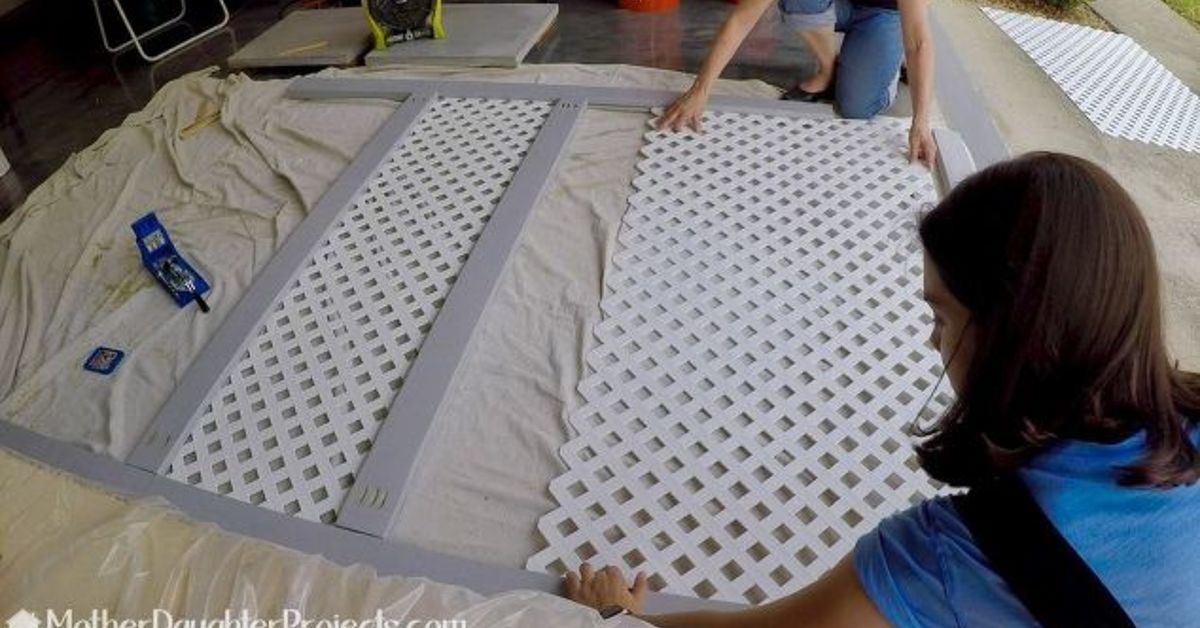
Lattice looks more expensive when it is framed. A simple wood frame around a lattice panel gives it structure, strength, and a custom finish. This is especially important if you are using lattice as a freestanding screen or decorative wall feature.
Think of lattice the way you would think of fabric or wallpaper. The pattern is beautiful, but the edges matter. Frame it cleanly, paint or stain the frame to coordinate with your home, and suddenly a basic panel looks like a designed element.
Copy this idea:
Create three framed lattice panels and install them in a row behind an outdoor sofa. Add string lights or wall-mounted planters for an easy backyard focal point.
10. Use Lattice Indoors as Treillage-Inspired Decor
Lattice is not only for gardens. Treillage-inspired interiors have made a stylish return because they bring structure, pattern, and a garden-room feeling indoors. You can create the look with actual thin wood trim arranged in a lattice pattern, or use trellis wallpaper for a simpler approach.
This idea works especially well in sunrooms, breakfast nooks, powder rooms, entryways, mudrooms, and bedrooms. A trellis pattern can make a plain wall feel dimensional and classic. It also pairs beautifully with botanical prints, wicker furniture, painted furniture, rattan lighting, and fresh greenery.
If you want a subtle effect, choose tone-on-tone colors such as soft blue on pale blue, cream on white, or sage on muted green. If you want drama, try navy and white, emerald and cream, or black and beige.
Beginner-friendly option:
Use peel-and-stick trellis wallpaper in a powder room or behind built-in shelves. It gives you the lattice look without sawdust, measuring stress, or the spiritual journey of finding a level.
11. Make a Lattice Plant Wall for Small Spaces
If you have a balcony, tiny patio, or small backyard, vertical gardening is your friend. A lattice plant wall lets you grow upward instead of outward. Attach small pots, hanging baskets, herb containers, or lightweight planters to a sturdy lattice panel.
This is a smart way to grow herbs near a kitchen door, add flowers to a balcony, or create a green backdrop for a small seating area. Use lightweight containers and make sure the lattice is securely attached. Wet soil can be heavier than it looks, much like a “quick little home project” that somehow becomes a full weekend commitment.
Good plants to try:
Herbs, trailing petunias, nasturtiums, strawberries, pothos in warm protected areas, compact ferns, and seasonal annuals.
12. Add Lattice Gates and Arbors
A lattice gate or arbor creates a charming transition from one outdoor area to another. Use it between a patio and garden, at the entrance to a side yard, or at the beginning of a walkway. The lattice gives climbing plants a place to grow and makes the entrance feel special.
For romance, pair an arbor with roses or clematis. For a formal look, keep the arbor painted and plant symmetrical shrubs nearby. For a relaxed cottage style, allow vines and flowers to soften the structure naturally. Just prune regularly unless your design goal is “enchanted forest with mild access issues.”
How to Choose the Right Lattice Material
Wood Lattice
Wood lattice is classic, paintable, stainable, and warm. It works beautifully with traditional, cottage, farmhouse, and craftsman-style homes. Cedar, redwood, and pressure-treated wood are common outdoor choices. Wood does require maintenance, including sealing, staining, or repainting depending on exposure.
Vinyl Lattice
Vinyl lattice is low-maintenance and easy to clean. It is a popular choice for deck skirting, privacy screens, and utility enclosures. It does not need painting, although color options may be more limited depending on the product.
Composite or Plastic Decorative Panels
Composite and decorative plastic panels can offer more modern patterns, including geometric, botanical, or laser-cut-inspired designs. These are useful when you want lattice function with a more contemporary style.
Important Installation Tips Before You Start
Before installing lattice, measure carefully and plan for expansion, drainage, airflow, and access. Outdoor materials can shift with temperature and moisture. Lattice panels should be supported by sturdy framing, especially in windy areas. If you are attaching lattice to a deck, fence, or exterior wall, use appropriate fasteners for the material.
For deck skirting, leave enough ventilation beneath the deck and include an access point if you store items underneath. For privacy screens, check local rules or HOA guidelines before building anything tall near a property line. Nothing ruins a lovely lattice moment faster than receiving a letter written in the icy poetry of neighborhood regulations.
Color Ideas for Lattice
Color changes everything. White lattice feels crisp and traditional. Natural wood feels warm and organic. Black lattice feels modern and sophisticated. Green lattice can disappear into the garden. Soft blue, sage, or gray lattice can complement cottage, coastal, and farmhouse homes.
If you want the lattice to blend in, match it to surrounding trim, fencing, or siding. If you want it to stand out, use contrast. A dark lattice panel against pale siding or a white lattice screen against lush greenery can become a beautiful focal point.
Experience-Based Ideas: What Actually Works When You Copy Lattice Projects
After seeing how lattice behaves in real homes, one lesson becomes clear: the best lattice ideas are the ones that look intentional. A panel slapped against a wall can look temporary, even if it cost real money and caused real splinters. But the same panel with a frame, matching trim, thoughtful paint, and a few plants suddenly looks like a design choice. Lattice rewards finishing touches.
For beginners, the easiest project is usually a framed privacy screen. You do not need to redesign the whole yard. Choose one spot where privacy matters most, such as beside a patio chair, behind a grill area, or near a dining table. Install one or two panels, then live with them for a week before expanding. This helps you understand how the screen affects light, airflow, and views. Sometimes one panel is perfect. Sometimes you need three. Sometimes you realize the neighbor’s window was not the problem; the problem was your patio chair facing directly toward their breakfast nook like a surveillance operation.
Another practical lesson: plants make lattice better, but they also make it heavier and more demanding. A bare lattice screen is crisp and architectural. A planted lattice screen is lush and romantic. Both are good. But if you train aggressive vines through delicate lattice, you may eventually create a green monster with excellent curb appeal and questionable boundaries. Choose plants based on the strength of the structure and your willingness to prune.
For deck skirting, removable access is worth the extra effort. Even if you think you will never need to get under the deck, you probably will. A missing tool, a plumbing check, a curious pet, or one suspicious noise can quickly turn fixed skirting into a regret. Build at least one panel as a door or removable section. Future you will be grateful, and future you may be holding a flashlight.
Color testing is also important. White lattice can look fresh, but in a muddy or heavily planted area, it may need frequent cleaning. Black lattice looks elegant but can show dust or pollen. Natural wood looks beautiful but needs protection from weather. Before committing, paint or stain a small sample and view it outside in morning light, afternoon light, and shade. Outdoor color is sneaky. What looks soft beige in the garage can look like sad oatmeal in the yard.
Indoors, trellis wallpaper or trim lattice works best when the room already has some softness. Pair it with fabric, natural textures, lamps, plants, or warm wood. In a completely bare room, a lattice pattern can feel busy. In a layered room, it feels charming and architectural. Powder rooms are especially good places to experiment because they are small enough for drama and nobody expects a powder room to be shy.
The most successful lattice projects also respect the style of the home. A Victorian porch can handle ornate lattice. A modern house may need clean square panels. A farmhouse exterior looks good with stained or painted wood. A coastal cottage practically begs for white lattice and hydrangeas. Copy the idea, but adapt the details. Lattice should look like it belongs to your home, not like it wandered in from another yard and got comfortable.
Finally, do not underestimate lighting. A lattice screen with warm string lights, lanterns, or low garden lighting becomes magical at night. The pattern casts shadows, the plants glow softly, and suddenly your ordinary patio becomes the kind of place where people say, “This is so cute,” which is homeowner currency of the highest order.
Conclusion
Lattice is lovely because it is both pretty and practical. It can create privacy, support plants, hide awkward areas, dress up decks, soften fences, frame porches, and bring garden-inspired pattern indoors. Whether you choose classic white diamond lattice, modern black square panels, natural cedar screens, or treillage wallpaper, the key is to use lattice with intention.
Start with one problem area: a too-open patio, a plain fence, a bare wall, an exposed deck base, or a boring corner. Then choose a lattice idea that fits your home’s style and your maintenance comfort level. Frame it well, finish it thoughtfully, add plants if you want softness, and let the pattern do what it does best: make everything look more charming without trying too hard.
Note: This original article was written for web publication in standard American English and synthesized from current home improvement, gardening, and interior design guidance without copying source text.

