
Makeup
Shake Niskayuna Tripod Table
Jul
The Shake Niskayuna Tripod Table is the kind of furniture piece that quietly walks into a room, says very little, and somehow becomes the most interesting guest at the party. It does not shout with glossy hardware, dramatic curves, or “look at me” ornamentation. Instead, it leans on something far more confident: honest materials, visible craftsmanship, and a simple three-legged silhouette that feels both old-world and surprisingly modern.
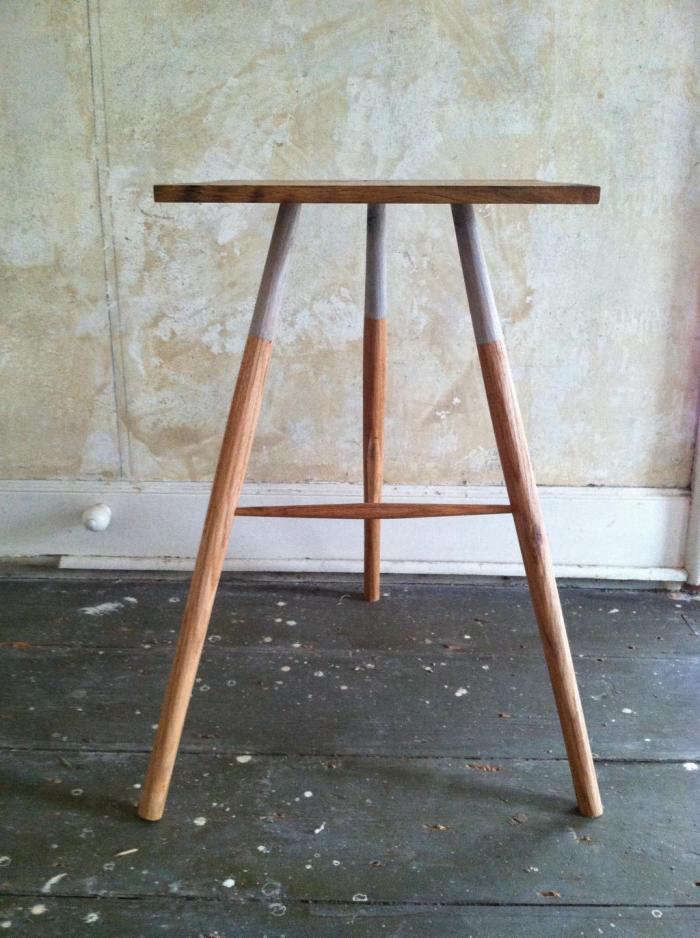
Originally listed through Vespoe and featured by Remodelista, the table was described as a Shaker-inspired three-legged side table made from reclaimed oak dunnage. Its hand-carved legs pass through the tabletop and are secured with traditional wedges. The leg tops are dipped in milk paint, while the wood is finished with rubbed tung oil. In plain English: this is not a flat-pack table pretending to have a personality. It has one.
For homeowners, collectors, designers, and anyone who has ever tried to find a small table that does not look like it came free with a dorm-room lamp, the Shake Niskayuna Tripod Table offers a useful lesson. A side table can be practical, beautiful, sustainable, sculptural, and still humble enough to hold your coffee without demanding applause.
What Is the Shake Niskayuna Tripod Table?
The Shake Niskayuna Tripod Table is best understood as a small handcrafted wooden side table with a Shaker-inspired design language. It uses three legs rather than the more common four-leg layout, giving it a lighter visual footprint and a sculptural profile. Its construction details matter: hand-carved legs, through-table joinery, wedge fastening, reclaimed oak, milk paint, and tung oil finishing all point toward a piece designed to show how it was made rather than hide the evidence.
The name “Niskayuna” evokes a place in New York’s Capital Region, while “Shake” appears to reference the table’s Shaker influence. Even if the product itself is contemporary, its soul belongs to a much older American design tradition: clean lines, usefulness, restraint, and craftsmanship. It is minimal, but not cold. Rustic, but not sloppy. Handmade, but not fussy. Basically, it is the furniture equivalent of someone who owns one excellent coat and never overpacks.
Why Shaker-Inspired Design Still Works
Shaker furniture has remained relevant because it solves a problem many modern interiors still face: how to create beauty without clutter. The Shaker style is commonly associated with simplicity, utility, craftsmanship, clean lines, and minimal ornamentation. That is exactly why it blends so easily with farmhouse, Scandinavian, rustic modern, Japandi, traditional, and even industrial interiors.
The Shake Niskayuna Tripod Table follows this logic. Nothing on the table appears decorative just for the sake of decoration. The legs are not only visual elements; they support the tabletop. The wedges are not hidden; they become part of the design. The milk paint is not a flashy surface trick; it adds a subtle handmade accent. The tung oil finish does not smother the oak; it lets the wood grain breathe.
That is the secret of good Shaker-style furniture: the details are quiet, but they are not boring. They reward attention. The more you look, the more you notice.
Key Materials: Reclaimed Oak, Milk Paint, and Tung Oil
Reclaimed Oak Dunnage
One of the most compelling parts of the Shake Niskayuna Tripod Table is its use of reclaimed oak dunnage. Dunnage refers to wood used for supporting, separating, or protecting goods during storage or transportation. When reclaimed, that wood gains a second life. Instead of ending up as waste, it becomes furniture with history built into the grain.
Oak is widely appreciated in furniture making because it is strong, hard, attractive, and capable of taking finishes well. Reclaimed oak adds another layer of character. It may include small imperfections, color variation, weathering, nail marks, or subtle irregularities. These are not flaws in the usual sense. They are the wood’s résumé.
Milk Paint Details
The table’s leg tops are dipped in milk paint, a traditional finish known for its matte, soft, and slightly old-fashioned appearance. Milk paint is often made with natural ingredients such as milk protein, lime, and pigments. On furniture, it can create a beautifully muted surface that feels more handcrafted than factory-perfect.
On this table, milk paint is not used to cover the whole piece. That restraint matters. By dipping only the leg tops, the maker creates contrast between painted detail and exposed oak. The effect is small but memorable, like a well-chosen pocket square on a plain jacket.
Rubbed Tung Oil Finish
The tabletop and wood surfaces are finished with rubbed tung oil. Tung oil is valued in woodworking because it penetrates the wood and enhances the natural grain without creating a thick plastic-like film. It gives wood warmth, depth, and a tactile quality that invites use. This is especially important for a small side table, because side tables are touched constantly. They hold mugs, books, remotes, phones, reading glasses, and the occasional snack you promised yourself you were not going to eat.
A tung oil finish also fits the table’s personality. It is practical, natural-looking, and understated. Rather than sealing the oak behind a shiny shell, it keeps the surface feeling close to the material.
The Beauty of Three Legs
The tripod form is one of the oldest and smartest structural ideas in furniture. Three legs naturally find balance on uneven floors because three points define a plane. Anyone who has tried to stop a four-legged table from wobbling with a folded napkin can appreciate this. The tripod design says, “I solved that problem centuries ago, but thank you for the napkin.”
However, tripod tables require thoughtful design. While they are excellent at avoiding wobble, they can be more vulnerable to tipping if too much weight is placed far outside the triangular support zone. That means the Shake Niskayuna Tripod Table is best used as a side table, accent table, drink table, plant stand, or reading nook companionnot as a ladder, stool, or emergency stage for your cat’s Broadway debut.
Its three-legged form also makes it visually lighter. In small rooms, bulky furniture can make the space feel crowded. A tripod side table keeps the floor area more open and gives the eye room to move. This is especially useful beside armchairs, sofas, beds, or entry benches.
Where the Shake Niskayuna Tripod Table Fits Best
Beside a Sofa
As a sofa-side table, the Shake Niskayuna Tripod Table works best when its tabletop sits near the height of the sofa arm or slightly below it. That makes it comfortable to reach for a drink, book, or lamp switch. If the table is too high, it looks awkward. If it is too low, every cup of coffee becomes a tiny workout.
Next to a Lounge Chair
This table is a natural fit beside a reading chair. Its compact form can hold a small lamp, a stack of books, and a cup of tea without overwhelming the corner. Because the design has personality, it can make a simple chair feel more intentional. Suddenly your “chair in the corner” becomes a “reading nook.” Interior design loves a promotion.
As a Bedside Table
For bedrooms, the table works beautifully in spaces that do not need heavy storage. If you require three drawers, a charging station, two shelves, and a hidden compartment for mysterious cables, this may not be your nightstand. But if you want a graceful surface for a lamp, book, phone, and water glass, it can be charming.
In an Entryway
Placed near a front door, the tripod table can hold keys, a small ceramic bowl, or a seasonal vase. Because it has a handcrafted look, it gives guests an immediate sense of warmth. It says, “People with taste live here,” even if there is a pile of shoes just out of frame.
How to Style the Shake Niskayuna Tripod Table
The best styling approach is restraint. This table already has strong material character, so it does not need to be buried under accessories. A small lamp with a linen shade, a stoneware vase, a candle, or a stack of two books is usually enough.
Try pairing it with natural textures: wool, linen, leather, clay, iron, rattan, or handmade ceramics. These materials complement the reclaimed oak and Shaker-inspired simplicity. Avoid overly glossy or flashy objects unless you want contrast. A chrome lamp can work, but it should be chosen carefully. The goal is conversation, not furniture karaoke.
Because the table has a round or compact tabletop feel, odd-numbered groupings often look good. For example, use a small lamp, a book, and a tiny dish. Or try a plant, a candle, and a coaster. Keep negative space visible. The empty surface is part of the design.
Buying Considerations Before Choosing a Tripod Table
Check the Height
Measure the sofa arm, chair arm, or bed height where the table will sit. A side table usually feels most natural when it is close to the height of the surrounding seating surface. Proportion matters more than rules, but measuring prevents regret.
Think About Weight and Use
A tripod side table is excellent for everyday light use. It is not meant for heavy leaning or oversized objects placed at the edge. Keep heavier items centered. If you plan to display a large stone sculpture, first ask yourself why your side table is living such a stressful life.
Expect Natural Variation
Reclaimed wood is not uniform. Grain, color, small marks, and surface character can vary from piece to piece. That is part of the appeal. If you want perfect sameness, reclaimed oak may not be your soulmate. If you like furniture with a backstory, it probably is.
Understand Finish Maintenance
Tung oil finishes are beautiful, but they appreciate gentle care. Use coasters, wipe spills quickly, avoid harsh cleaners, and dust with a soft cloth. Over time, an oil-finished table may benefit from light maintenance to refresh the surface. The reward is a finish that ages gracefully rather than peeling like a bad sunburn.
Shake Niskayuna Tripod Table vs. Mass-Produced Side Tables
Mass-produced side tables often win on price and availability. They are easy to order, predictable, and usually designed to match broad trends. There is nothing wrong with that. Sometimes you need a table quickly, and sometimes “good enough” is exactly good enough.
The Shake Niskayuna Tripod Table appeals to a different buyer. It is for someone who notices joinery, material origin, handwork, and proportion. It is for a room where one unique object can do more than three generic ones. Instead of blending into a furniture set, it adds a crafted note that makes the space feel collected.
Its value is not only in function. Yes, it holds things. But it also introduces story: reclaimed oak, Shaker influence, traditional wedges, milk paint, rubbed oil, and handmade construction. Those details give the table a sense of permanence.
Real-Life Experience: Living With a Table Like the Shake Niskayuna Tripod Table
Using a piece like the Shake Niskayuna Tripod Table changes how you treat a room. At first, you may think of it as just a side table. Then, after a few days, it becomes the spot where your morning coffee lands, where your current book waits, where your phone charges, where a small vase suddenly looks like it belongs in a magazine. That is the quiet magic of a well-designed accent table: it improves ordinary routines without making a big speech about it.
In a living room, the table’s compact footprint is immediately useful. You can tuck it beside a chair without blocking traffic. Because it has three legs, it feels open and easy to move visually. It does not create the heavy, boxed-in feeling that some storage-heavy side tables can produce. If your room is small, this is a major advantage. The space still breathes.
The reclaimed oak surface also encourages a different relationship with wear. With a glossy, factory-finished table, every tiny mark can feel like a tragedy. With reclaimed wood and an oil finish, small signs of use feel less dramatic. A faint ring, a softened edge, or a subtle darkening of the grain can become part of the table’s evolving character. Of course, that does not mean you should abandon coasters like a villain. It simply means the table is not emotionally fragile.
The tripod shape is practical but asks for common sense. Place heavier items toward the center, especially if you use the table for a lamp or plant. A small ceramic lamp works beautifully. A giant leaning fiddle-leaf fig in a concrete pot? That is less “interior styling” and more “physics experiment.” The table is happiest when used for modest, daily objects: a mug, a notebook, a candle, a small bowl, a paperback, or a reading lamp.
One of the best experiences with this kind of table is how easily it moves between rooms. It can begin beside a sofa, then migrate to a bedroom, then spend a season in the entryway with a vase of branches. Because the design is not overly specific, it adapts. The Shaker-inspired simplicity makes it flexible, while the painted leg detail keeps it from becoming invisible.
Guests tend to notice it, but not in the way they notice a loud statement piece. They notice the legs first, then the wedges, then the wood. Someone eventually asks, “Where did you get that?” That is usually the sign of a successful accent table. It does its job, but it also starts a conversation. It feels made, not merely manufactured.
Over time, the table can become one of those small pieces you would take with you from home to home. It does not require a specific layout, color palette, or trend cycle. It can work in a city apartment, a farmhouse, a craftsman bungalow, a cabin, or a clean-lined modern room. That staying power is exactly why Shaker-inspired furniture remains relevant. Good proportions, honest materials, and useful forms do not expire.
Final Thoughts
The Shake Niskayuna Tripod Table is more than a small wooden table. It is a compact lesson in American design values: simplicity, usefulness, durability, and respect for materials. Its reclaimed oak gives it texture and history. Its hand-carved legs and traditional wedges reveal the maker’s process. Its milk paint detail adds charm without noise. Its tung oil finish lets the wood remain warm and touchable.
For anyone searching for a Shaker-inspired side table, reclaimed oak accent table, handcrafted tripod table, or small-space furniture with character, this piece offers a thoughtful alternative to mass-produced sameness. It is not trying to be trendy. That is exactly why it feels timeless.

