
Beauty Tools & Accessories
#148 The core of a cinnamon roll – 1000 Awesome Things
Jul
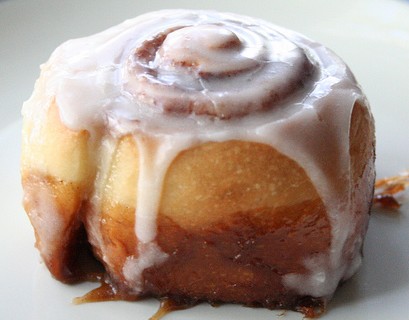
There are two kinds of people in this world: people who politely nibble a cinnamon roll from the outside in, and people who know the center is the whole point. The outer rings are lovely, sure. They are respectable. They are the neat little suburbs of the pastry. But the core? The core is downtown. The core is where the frosting gathers, where the cinnamon sugar settles into soft spirals, where the dough stays tender and just a little dramatic. It is the part of the roll that makes you close your eyes for a second and forget every email you were supposed to answer.
That is why the core of a cinnamon roll deserves a full celebration. It is not just a tasty bite. It is a tiny edible lesson in texture, anticipation, nostalgia, and the strange joy of saving the best for last. In the spirit of 1000 Awesome Things, this article looks at why that middle swirl feels so ridiculously satisfying, how cinnamon rolls became such a beloved comfort food, and why the center has somehow earned near-mythical status in breakfast culture.
Why the core of a cinnamon roll feels like winning
The center of a cinnamon roll has everything going for it. It is soft, rich, fragrant, and usually blessed with the highest concentration of icing. While the outer layers can bake up with a little structure and light chew, the middle spiral stays more tender because it is wrapped tightly, protected by the surrounding layers, and loaded with butter, sugar, and cinnamon. In plain English: the middle gets pampered.
That is also why the core often tastes more intense than the rest of the roll. The swirl is tighter, which means the cinnamon-sugar filling stacks up in delicate layers instead of spreading out across wide territory. Every bite gives you dough, spice, sweetness, and frosting in almost perfect balance. It is the pastry equivalent of hearing your favorite song right when the chorus hits.
Even visually, the core has star power. It is the spiral that announces, “Yes, this was handmade. Yes, it will ruin plain toast for you today.” Humans are suckers for swirls. They suggest movement, abundance, and just enough chaos to be interesting. A cinnamon roll center looks like comfort with good branding.
The baking science behind that irresistible center
1. The spiral traps moisture
Cinnamon rolls are typically made from enriched dough, meaning the dough includes ingredients like milk, butter, eggs, and sugar. That kind of dough is designed to be soft and plush rather than crusty and lean. Once it is rolled up with butter and cinnamon sugar, the center layers are packed more closely together than the outer rings. That tight structure helps protect the middle from drying out during baking.
In other words, the center is living a different life than the edges. The heat reaches it more gently, the moisture lingers longer, and the filling melts into the surrounding dough instead of escaping. That is why the middle often has a tender, almost custardy quality when the roll is warm.
2. The filling concentrates in the middle
Good cinnamon rolls rely on contrast: fluffy dough, gooey filling, and a creamy topping. The center delivers that contrast more dramatically because the filling is wound more tightly. Thin layers of cinnamon sugar stack on one another, creating tiny pockets of sweetness and spice. When the butter melts, it carries flavor into the dough and leaves behind that glorious sticky swirl people fight over at brunch.
This is also why bakers obsess over rolling the dough evenly and tightly. A loose roll gives you a cinnamon bun with commitment issues. A tight roll gives you definition, structure, and a core worthy of poetry.
3. Frosting naturally favors the center
Gravity, that hero of breakfast, often sends icing right into the middle. Whether the topping is a vanilla glaze or cream cheese frosting, the warm contours of the roll invite it inward. The center becomes a sweet little reservoir. Sometimes the top sets slightly while the underneath stays creamy, which creates a combination of soft icing, glossy syrup, and pillowy dough that feels borderline unfair to every other pastry on the table.
A brief history of the cinnamon roll’s greatness
The cinnamon roll did not appear out of thin air to rescue dull mornings, though it is tempting to believe that. Its roots are generally linked to European sweet buns and spiced yeast breads, with cinnamon gaining popularity through centuries of trade and baking tradition. Versions of cinnamon buns became associated with home baking, celebrations, and coffee breaks long before the American frosted breakfast roll took center stage.
In the United States, the cinnamon roll evolved into something especially indulgent: bigger, softer, sweeter, and often covered in icing with zero shame. It became a diner favorite, a mall bakery icon, a holiday breakfast tradition, and a comfort food that could swing between homemade nostalgia and glorious excess. Some versions lean toward sticky buns, some toward Scandinavian restraint, and some toward “this pastry weighs as much as a small laptop.” America contains multitudes.
What stayed constant was the emotional effect. Cinnamon rolls smell like warmth before they even taste like it. The scent of cinnamon and fresh baked dough has a way of making kitchens feel friendlier, mornings slower, and people momentarily more forgiving. That is not accidental. Smell is deeply tied to memory and emotion, which is one reason a pan of cinnamon rolls can feel like a direct message from your childhood.
Why cinnamon rolls trigger such strong memories
There is a reason people do not talk about cinnamon rolls the way they talk about a random granola bar. Cinnamon rolls are not simply eaten; they are remembered. The smell arrives first, warm and spicy, and suddenly you are ten years old again, standing in socks on a cold floor while someone in the kitchen says breakfast will be ready in five minutes. Five minutes, of course, is breakfast’s least honest unit of time, but the feeling remains.
Odor has a powerful connection to autobiographical memory, and cinnamon is one of those instantly recognizable scents that can light up entire scenes from the past. Holiday mornings. Church basements. School cafeterias. Weekend diners. Family vacations where everyone agreed on exactly one thing: yes, let’s get the cinnamon roll. The pastry becomes bigger than itself because it collects these moments. By the time you reach the center, you are not just tasting sugar and spice. You are tasting familiarity.
That emotional layer matters because it explains why the center feels almost ceremonial. It is the reward bite, the prized bite, the bite someone might protect with a fork hovering nearby like a tiny security guard. The core is concentrated comfort, both physically and psychologically.
The center as a tiny philosophy lesson
It is funny how often the best things are hidden in the middle. The middle chapter of a novel where the story finally clicks. The center seat by the fire. The inside joke that only your oldest friends understand. The heart of a song after the buildup. The core of a cinnamon roll belongs in that club. It reminds us that anticipation can be delicious and that not every pleasure needs to be efficient.
In fact, the center quietly rebels against modern life. It says you do not need to optimize this experience. You do not need to turn breakfast into a productivity ritual. You do not need a twelve-step framework for enjoying pastry. You just need a plate, a little time, and maybe the wisdom to save the best bite for last. Or first. No judgment. Civilization is fragile.
How bakers create a better cinnamon roll center
Use a soft dough
The best centers start with dough that is rich, tender, and well hydrated. Many bakers improve softness through careful mixing, longer proofing, or techniques designed to help the dough retain moisture. The goal is not toughness or chew for its own sake. The goal is plushness.
Roll tightly, but not brutally
A cinnamon roll should be rolled with confidence, not aggression. The spiral needs enough tension to hold shape and build that layered core, but not so much that the filling squeezes out or the dough tears. Think snug scarf, not boa constrictor.
Do not skimp on the filling
The center is only as good as the cinnamon-sugar mixture winding through it. Butter brings richness, sugar melts into gooey pockets, and cinnamon provides the warm spice that defines the whole experience. A timid filling produces a center with good manners and no charisma.
Frost while warm
One of the great joys of a cinnamon roll is what happens when frosting meets heat. It softens, drapes, and sneaks into every curve, especially the middle. A properly warm roll invites the topping into the core, which is exactly where it belongs.
The cultural power of the “best bite”
The center of a cinnamon roll also taps into a universal human obsession: the best bite on the plate. Every food has one. The corner brownie with the shiny top and chewy edge. The last spoonful of soup where all the broth and herbs come together. The potato chip folded into a double crunch masterpiece. The cinnamon roll center is one of the clearest examples because it is built to feel like a climax.
That is probably why people argue over how to eat a cinnamon roll in the first place. Some peel layer by layer, turning breakfast into a leisurely little excavation. Others dive straight for the middle like raccoons with a mission. Both strategies make emotional sense. One is about suspense. The other is about refusing to let destiny sit there getting cold.
Either way, the core becomes the point around which the entire experience is organized. It is not just part of the roll. It is the plot twist.
Why #148 still resonates
The brilliance of #148 The core of a cinnamon roll is that it notices something tiny and instantly makes you say, “Wait, yes, absolutely.” That is the charm of everyday delight. It does not have to be expensive, rare, or life changing in a grand cinematic way. Sometimes awesome is simply recognizing that one small part of an ordinary thing feels disproportionately wonderful.
And the core of a cinnamon roll really does. It is a little pocket of abundance hiding inside a familiar breakfast. It rewards patience, celebrates texture, triggers memory, and offers just enough sweetness to make the world seem slightly more manageable. Not fixed. Let us not ask too much of pastry. But manageable? Absolutely.
Experiences related to the topic: the center that steals the whole morning
Almost everyone has a cinnamon roll story, and it usually begins the same way: with a smell moving through the house like a friendly rumor. You are not fully awake yet, but you know something good is happening. Maybe it is a holiday morning and the living room is still half dark. Maybe it is a rainy Saturday and nobody has plans beyond coffee and comfort. Maybe it is a road trip stop at a bakery where the glass case fogs slightly from the warmth inside. The details change, but the feeling does not. Cinnamon rolls turn ordinary time into occasion time.
And then there is that deeply personal decision of how to approach the roll. Some people treat it like a ritual, peeling off each ring in slow spirals until they reach the center as if they have earned a tiny edible trophy. Other people go straight for the middle with the confidence of someone who has suffered enough and deserves joy immediately. Both methods say something honest about a person. One says, “I believe in the journey.” The other says, “The journey has meetings at 11.”
One of the most relatable experiences is the silent moment when you realize the center is better than you remembered. Not good. Better. Softer. Gooier. More cinnamon-forward. Slightly glossy with icing that melted and settled exactly where it should. It is the kind of bite that makes conversation pause. Nobody announces it, because nobody needs to. The evidence is on everyone’s face.
There is also the social drama of the cinnamon roll center. If you are sharing a giant roll, the core becomes valuable real estate. Suddenly otherwise reasonable adults are negotiating pastry boundaries with the intensity of diplomats. “You can have the top if I get the middle” is the sort of sentence that has probably saved and ended brunch friendships in equal measure.
Then there is the homemade version, which carries a special kind of pride. When you make cinnamon rolls yourself, you know how much waiting they require. Mixing, kneading, proofing, rolling, filling, slicing, proofing again. By the time they come out of the oven, you are emotionally invested. The first look at the spirals feels like a report card. And when the centers rise beautifully and catch the frosting just right, it feels absurdly validating. You did that. You created edible architecture with a soft, sugary heart.
Maybe that is why the core of a cinnamon roll sticks with people. It is not just delicious. It captures a whole category of happiness: small, sensory, familiar, and a little ridiculous in the best way. It reminds us that pleasure can be simple and still feel huge. A spiral of dough, a rush of cinnamon, a warm center, and for a minute the day improves. Not because anything profound has happened, but because something ordinary has been noticed properly. That might be the most awesome thing about it.
Conclusion
The core of a cinnamon roll earns its reputation honestly. It is the softest, richest, most concentrated part of the pastry, where baking science and human nostalgia shake hands. It holds moisture, gathers filling, welcomes frosting, and delivers the kind of bite people remember long after breakfast is over. More than that, it represents the pleasure of paying attention to small joys. That is why #148 The core of a cinnamon roll still lands so well: it turns a tiny breakfast detail into a celebration of comfort, memory, and the art of saving room for the best part.

