
Body Care
25 Free Vintage Nature Images for Fall
Jul
Fall is the season when nature suddenly remembers she owns a dramatic wardrobe. Leaves turn amber, apples look suspiciously photogenic, mushrooms pop up like tiny umbrellas, and every squirrel behaves as if it has a mortgage payment due in acorns. For designers, bloggers, teachers, crafters, and anyone who enjoys a good old-fashioned woodland mood board, free vintage nature images for fall are a treasure chest waiting to be opened.
Vintage nature artwork has a special charm that modern stock photos often miss. A 19th-century botanical plate of oak leaves feels studied and elegant. An old harvest illustration feels cozy without shouting “pumpkin spice” through a megaphone. A public-domain mushroom drawing can make a recipe card, classroom worksheet, printable wall art, or seasonal blog header look instantly curated.
The best part? Many reputable museums, libraries, and open-access archives now offer high-resolution public-domain or rights-free images that can be downloaded and reused. That includes collections from the Library of Congress, Smithsonian Open Access, The Metropolitan Museum of Art, the National Gallery of Art, the New York Public Library, the Getty, the Biodiversity Heritage Library, Internet Archive, Flickr Commons, and other respected cultural institutions.
This guide gathers 25 ideas for free vintage nature images for fall, plus practical tips on where to use them, how to style them, and how to avoid the classic mistake of downloading a gorgeous image only to realize it prints like a blurry potato.
Why Vintage Nature Images Are Perfect for Fall Projects
Fall already has a nostalgic personality. It smells like sharpened pencils, cinnamon, old books, and the first sweater you pull from the closet. Vintage nature images fit that feeling beautifully because they carry texture, age, and hand-crafted detail. Botanical artists, naturalists, photographers, and printmakers often created their work with careful observation. The result is artwork that feels both decorative and educational.
Unlike many modern seasonal graphics, vintage nature illustrations do not usually depend on trendy fonts or neon-orange pumpkins. They are flexible. A single antique fern print can work on a cottagecore blog, a Thanksgiving menu, a homeschooling worksheet, a wedding invitation, a printable calendar, or a small business product label. That versatility is why public-domain fall images remain useful year after year.
What Counts as a Free Vintage Nature Image?
A free vintage nature image is usually an older illustration, photograph, painting, print, poster, book plate, field guide image, or archival object that can be reused without paying a licensing fee. Many are in the public domain because their copyright has expired. Others are released under open licenses such as CC0, meaning the institution has made the digital image available for unrestricted use.
Still, “free” deserves a tiny magnifying glass. Before using an image for commercial products, always check the individual rights statement. Some archives contain a mix of public-domain images, restricted images, educational-use images, and images with “no known copyright restrictions.” That last phrase is promising, but it is not always identical to a formal public-domain dedication. In other words: admire freely, download wisely.
25 Free Vintage Nature Images for Fall
1. Oak Leaves and Acorns
Few images say “fall” as elegantly as oak leaves paired with acorns. Vintage oak illustrations work beautifully for printable wall art, stationery, Thanksgiving menus, and rustic brand graphics. Look for botanical plates with visible veins, warm brown tones, and detailed acorn caps. They bring woodland charm without requiring you to sweep actual leaves off your desk.
2. Maple Leaf Botanical Prints
Maple leaves are the unofficial celebrities of autumn foliage. Vintage maple illustrations often show multiple leaves in red, gold, and orange, making them ideal for seasonal banners, blog graphics, or framed prints. They also pair well with neutral backgrounds, linen textures, and serif typography.
3. Mushroom Field Guide Illustrations
Antique mushroom images are fall design gold. Fungi illustrations from old field guides and natural history books can feel whimsical, scientific, or slightly fairy-tale-ish depending on the style. Use them for recipe cards, woodland nursery decor, craft labels, nature study pages, or autumn mood boards. Bonus: mushrooms are adorable as art and considerably less risky than identifying them for dinner.
4. Fern Fronds
Ferns add softness and structure to fall designs. Vintage fern plates often include graceful shapes, muted greens, and fine linework. They are especially useful for layered collages, botanical scrapbooking, minimalist printables, and dark academia-inspired decor.
5. Pinecones and Evergreen Sprigs
Pinecones bridge the gap between fall and winter. Vintage illustrations of cones, needles, and evergreen branches work well for late-autumn projects, holiday previews, cabin-themed designs, and natural gift tags. Choose images with clean backgrounds if you want easy digital editing.
6. Apples on Branches
Vintage apple illustrations bring orchard energy to fall content. Look for old fruit plates showing apples with leaves, blossoms, or cross-sections. These images are perfect for recipe blogs, farmers market flyers, kitchen art, cider labels, and fall classroom materials.
7. Pear Botanical Plates
Pears have a quieter autumn elegance than pumpkins, which is exactly why they are so useful. A vintage pear image can make a recipe printable or dining room wall art feel refined. Search for fruit illustration collections, agricultural bulletins, and old pomology books.
8. Pumpkins and Squash
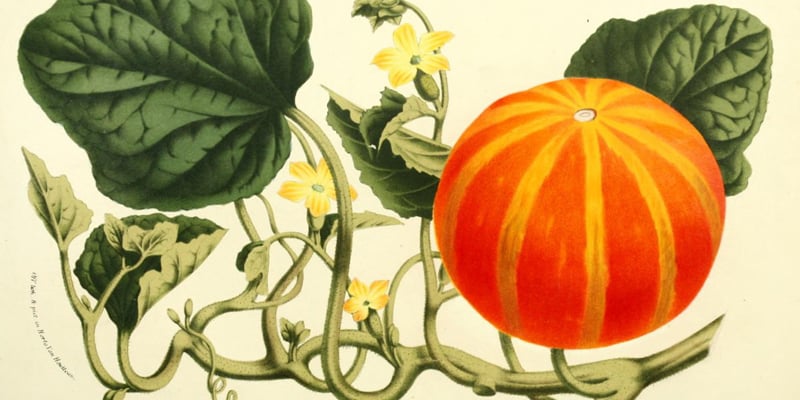
Yes, pumpkins are obvious. But vintage pumpkins are more charming than generic cartoon pumpkins because they often include vines, blossoms, and irregular shapes. Use them for fall festival posters, recipe pages, garden content, and Thanksgiving printables. A lumpy heirloom squash illustration has more personality than half the cast of a reality show.
9. Grapevines and Autumn Fruit
Grapevine illustrations bring harvest-season richness to fall projects. Vintage grape clusters, tendrils, and leaves work beautifully for wine tasting invitations, dinner menus, kitchen prints, and Mediterranean-inspired design. They also pair nicely with deep burgundy, cream, and antique gold color palettes.
10. Chrysanthemums
Chrysanthemums are classic fall flowers, and vintage botanical collections often include detailed chrysanthemum plates. Their layered petals add drama to invitations, greeting cards, calendars, and floral collages. They are especially useful when you want fall beauty without using leaves for the 4,000th time.
11. Goldenrod and Wild Asters
Late-season wildflowers give fall designs a meadow-like feel. Vintage goldenrod and aster illustrations can brighten educational content, nature journals, and printable art. Their yellow and purple tones create a natural autumn palette that feels fresh and less predictable.
12. Autumn Forest Landscapes
Vintage forest paintings, postcards, and prints can create instant atmosphere. Look for woodland paths, rolling hills, rural fences, or old park scenes. These images make strong blog headers, desktop wallpapers, journal covers, and seasonal landing-page backgrounds.
13. Old Orchard Photographs
Historic photographs of orchards, harvest workers, apple crates, and rural landscapes give fall content documentary depth. They are especially useful for history blogs, farm websites, educational materials, and editorial layouts. Black-and-white images can also feel surprisingly modern when paired with clean typography.
14. Squirrels and Acorn Gatherers
Squirrels are the tiny accountants of autumn, and vintage animal illustrations capture their busy charm. Use squirrel images for children’s worksheets, storybook-inspired printables, woodland party invitations, or playful social media graphics.
15. Owls in Woodland Settings
Vintage owl illustrations add a mysterious fall mood without going full haunted house. They are great for Halloween-adjacent designs, nature education, library displays, and cozy reading lists. Pair them with moon imagery for extra atmosphere.
16. Migrating Birds
Bird migration is one of fall’s grand natural events. Antique bird illustrations, especially ducks, geese, warblers, and songbirds, can add movement and seasonal meaning to a project. They work well for nature blogs, classroom resources, and conservation-themed designs.
17. Moths and Butterflies
Vintage moth and butterfly plates offer delicate detail and moody color. For fall, choose earth-toned species, muted wings, or nocturnal moths. These images are excellent for collage art, stickers, packaging, and cottagecore design.
18. Seed Pods
Seed pods are underrated fall heroes. Vintage illustrations of pods, dried stems, and seed heads can give designs a quiet, natural sophistication. They are ideal for minimalist prints, gardening articles, botanical study pages, and handmade product labels.
19. Wheat and Grain Illustrations
Harvest imagery does not have to be loud. Vintage wheat, barley, rye, and oat illustrations bring warmth and abundance to fall projects. Use them for bakery branding, Thanksgiving menus, farmhouse prints, recipe cards, or agricultural education.
20. Chestnuts and Nuts
Chestnuts, walnuts, hazelnuts, and hickory nuts appear in many vintage botanical and agricultural resources. These images are great for food content, woodland designs, autumn recipe cards, and nature-study printables. They also make excellent small decorative accents.
21. Pressed Leaves and Herbarium Sheets
Digitized herbarium sheets can be visually stunning. A pressed plant on aged paper has texture, history, and scientific charm. Use herbarium-style images for educational posters, journal pages, botanical branding, or fall wall art with a museum-inspired feel.
22. Moss, Lichen, and Forest Floor Details
Fall is not only about treetops. The forest floor has its own tiny universe of moss, lichen, bark, fungi, and fallen twigs. Vintage natural history images of these details are perfect for earthy collages, nature guides, and cozy woodland designs.
23. Vintage Seed Catalog Covers
Seed catalog covers often combine plants, typography, and charming commercial art. Autumn catalogs may include bulbs, vegetables, flowers, and garden scenes. They are especially useful for retro design inspiration, posters, digital scrapbooking, and gardening blog graphics.
24. Harvest Moon and Night Sky Images
Old astronomy prints, moon diagrams, and night landscape images can bring a dreamy fall feeling to seasonal content. Pair moon imagery with owls, bare branches, or quiet fields for a design that whispers “October” instead of yelling it through a plastic skeleton.
25. Woodland Animals and Rural Scenes
Foxes, deer, rabbits, birds, farm lanes, fences, and barns all belong in the vintage fall image toolkit. These images are useful for greeting cards, children’s materials, nature blogs, and printable art. Choose scenes with warm tones, soft contrast, and clear focal points.
Where to Find Free Vintage Fall Nature Images
Several major archives are especially useful when searching for free vintage nature images for fall. The Library of Congress offers curated “Free to Use and Reuse” sets, including historical photographs, posters, prints, maps, and seasonal materials. The New York Public Library provides high-resolution public-domain downloads for many out-of-copyright items in its Digital Collections.
Smithsonian Open Access includes millions of digital items across museums, research centers, libraries, archives, and the National Zoo. It is especially helpful for botanical, scientific, zoological, and historical images. The Metropolitan Museum of Art and the National Gallery of Art both offer large open-access collections with public-domain artworks that can be downloaded and reused.
The Biodiversity Heritage Library is one of the best places to search for vintage botanical illustrations, animal studies, fungi plates, field guides, and scientific publications. Internet Archive is another strong source for scanned books, catalogs, and historic image plates. The Public Domain Review and its Public Domain Image Archive are excellent for curated discoveries when you want something unusual, beautiful, or delightfully odd.
Flickr Commons, Digital Public Library of America, Cleveland Museum of Art Open Access, Getty Open Content, and museum collection portals can also provide rich options. For quick design-ready files, curated public-domain platforms may help, but always verify the original source and rights statement when possible.
How to Use Vintage Fall Images in Creative Projects
For Blog Graphics
Use a vintage leaf, mushroom, or forest image as a blog header, Pinterest pin, or section divider. Keep text readable by placing typography over a light overlay or a blank margin. Long-tail SEO phrases such as “free vintage fall images,” “public domain autumn illustrations,” and “vintage botanical prints” can be used naturally in captions and image alt text.
For Printable Wall Art
Choose high-resolution files with clean details. Botanical plates, fruit illustrations, and herbarium sheets print especially well. For a cohesive gallery wall, stick to a limited palette: amber, olive, cream, brown, rust, charcoal, and muted gold.
For Crafts and Scrapbooking
Mushrooms, leaves, seed pods, moths, and birds are excellent for collage work. Print them on matte paper for a softer vintage feel. If you need transparent backgrounds, use editing software to remove paper edges carefully rather than relying on automatic cutouts that accidentally remove half a fern.
For Small Business Branding
Vintage nature images can add warmth to candles, soaps, teas, baked goods, journals, stickers, and seasonal packaging. If you plan to sell products, confirm that the image is public domain or CC0, and keep a record of the source page. Future you will be grateful. Future you also wants better file names than “download-final-final2-real.png.”
Tips for Choosing the Best Images
Start with resolution. For print projects, choose the largest available download. A beautiful thumbnail is not enough for a poster. Next, check contrast and background. Images on plain paper are easier to edit than illustrations surrounded by heavy text or book shadows.
Look for images with strong seasonal cues: red leaves, seed heads, pumpkins, apples, nuts, migrating birds, mushrooms, grasses, and bare branches. Also consider mood. Some fall projects need cozy harvest warmth; others need quiet woodland mystery. A cheerful apple plate and a moonlit owl print are both autumnal, but they belong to very different parties.
Finally, think about composition. Images with open space are better for headers and social graphics. Highly detailed plates are better for prints, worksheets, and decorative inserts. If the image has aged paper, stains, or handwritten labels, decide whether those imperfections add charm or distract from your design.
SEO Benefits of Using Vintage Nature Images
Vintage nature images can improve user experience by making seasonal content more memorable and visually distinctive. They can also support image SEO when used properly. Add descriptive file names such as “vintage-oak-leaves-acorns-public-domain.jpg” instead of “IMG_8472.jpg.” Write clear alt text that describes the image, not a pile of keywords wearing a trench coat.
For example, good alt text might be: “Vintage botanical illustration of oak leaves and acorns for fall decor.” That helps search engines understand the visual while also helping users who rely on screen readers. Captions can mention the image type, subject, and project use. Keep captions natural and useful.
Fast loading also matters. Compress large files before uploading them to your website. Public-domain archives often provide huge, beautiful downloads, which is wonderful until your webpage loads like it is being carried by a sleepy raccoon. Use the largest file for print, but optimize web images for speed.
Common Mistakes to Avoid
The first mistake is assuming every old image is free to use. Age helps, but the rights statement is what matters. The second mistake is ignoring image quality. Low-resolution files may look fine on a phone screen but fall apart in print. The third mistake is over-designing. Vintage artwork usually already has character; it does not need six filters, three shadows, and a font called Spooky Pumpkin Explosion.
Another common issue is mixing too many visual styles. A delicate 1800s botanical plate, a 1930s travel poster, and a Victorian mushroom drawing can work together, but only if the color palette and layout are controlled. When in doubt, choose one source style and build around it.
Personal Experience: What Working With Vintage Fall Images Teaches You
Using free vintage nature images for fall feels a little like wandering through an old library where every shelf smells faintly of paper, dust, and possibility. The first time you search through public-domain botanical archives, you may go in looking for one maple leaf and emerge two hours later with mushrooms, moths, pears, pinecones, and a suspicious number of Victorian seed pods. This is normal. It is not a problem. It is “research,” and that sounds much more professional.
One of the biggest lessons is that the best image is not always the most colorful one. A quiet brown oak leaf on cream paper may work better than a blazing red forest scene because it gives your design room to breathe. When creating fall printables, blog headers, or social graphics, subtle images often feel more expensive and timeless. They do not compete with the headline. They support it, like a well-behaved background actor who deserves more credit.
Another useful experience is learning to save images by theme. Instead of dumping everything into one folder called “fall stuff,” create folders such as “leaves,” “mushrooms,” “fruit,” “birds,” “forest landscapes,” “herbarium sheets,” and “harvest.” This simple system prevents the classic creative meltdown where you know you downloaded the perfect acorn illustration but can only find a blurry pumpkin and something mysteriously named “scan-0047.”
Vintage images also teach patience. Many archive interfaces are built for research, not instant design gratification. Search terms matter. Try “autumn,” “fall,” “leaves,” “oak,” “acer,” “fungi,” “mushroom,” “pomology,” “orchard,” “seed catalog,” “harvest,” “chestnut,” “fern,” and “botanical plate.” Scientific names can unlock better results, especially in biodiversity collections. If “maple leaf” gives you too many modern results, try “Acer saccharum” or “Acer rubrum.” Suddenly, the archive starts behaving like a treasure map.
Another practical discovery: aged paper can be either your best friend or your biggest design headache. Cream backgrounds, tiny stains, and handwritten labels add authenticity. But if you want a clean sticker, logo element, or transparent PNG, those same details can take extra editing time. Keep both versions when possible: the original scan for texture-rich projects and a cleaned-up cutout for digital layouts.
Finally, working with vintage fall images creates a deeper appreciation for seasonal design. Modern autumn graphics often repeat the same symbols: pumpkins, plaid, orange leaves, coffee cups. Vintage nature images open the door to a richer visual vocabulary. Fall can be mushrooms under damp leaves, migrating birds crossing a pale sky, wheat bending in a field, dried seed heads, pear branches, owl feathers, mossy bark, or the precise geometry of an acorn cap. That variety makes your content feel more thoughtful, more original, and more human.
And perhaps that is the real charm. These images were often made by people who looked closely at nature before cameras, filters, and instant downloads made looking easy. They studied leaves, labeled plants, painted fruit, documented birds, and preserved details that still inspire us today. Using their work is not just convenient; it is a small collaboration across time. You bring the blog, the printable, the craft, or the brand project. They bring the acorns.
Conclusion
Free vintage nature images for fall are more than pretty seasonal decorations. They are practical, flexible, historically rich design resources that can elevate blogs, printables, social media graphics, classroom materials, crafts, and small business branding. Whether you choose oak leaves, mushrooms, apples, owls, seed catalogs, herbarium sheets, or harvest landscapes, the right image can add instant warmth and personality.
The key is to use reputable public-domain and open-access sources, verify the rights statement, download high-resolution files, and style the artwork with restraint. Let the details shine. Fall already knows how to be dramatic; your design just needs to hand it a nice frame.
Note: This article is based on real public-domain and open-access practices from major cultural archives and museum collections. Always review the rights statement on each individual image before publishing, selling, or redistributing it.

