
Makeup
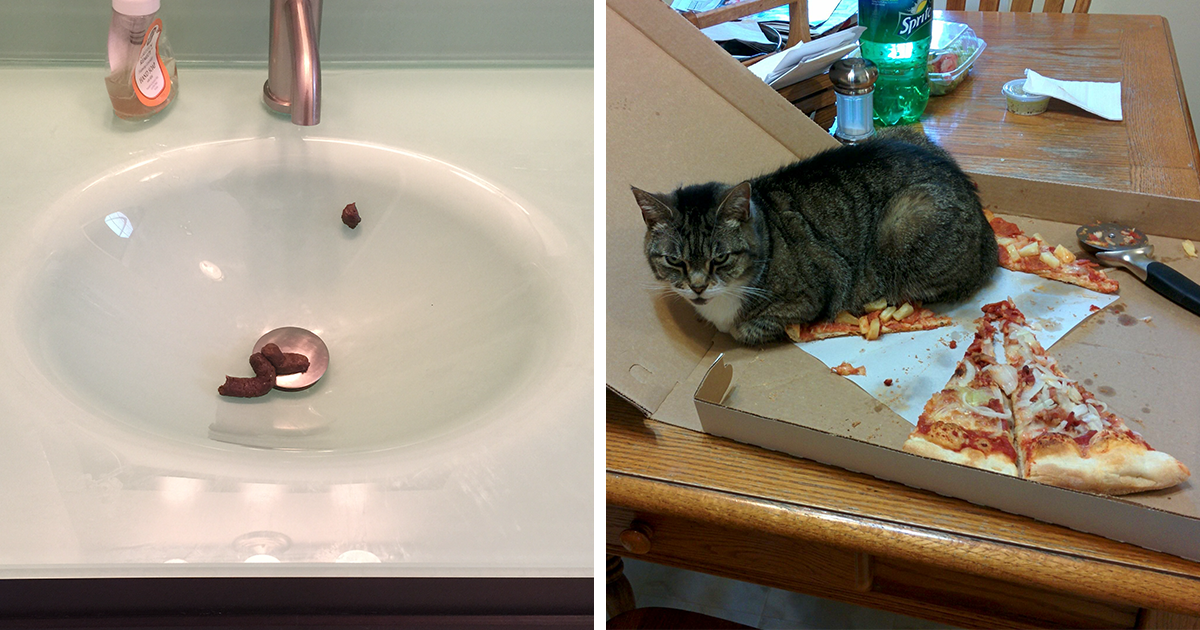
Get A Cat They Said, It Will Be Fun They Said… (Add Yours)
Jul
“Get a cat,” they said. “It will be fun,” they said. What they forgot to mention was that your new roommate would be a tiny, whiskered landlord with opinions about your furniture, your sleeping schedule, your drinking glass, your laptop keyboard, and the unacceptable placement of that one sock on the floor.
Cat ownership is magical, hilarious, slightly chaotic, and occasionally suspiciously expensive. One moment you are watching a soft little loaf blink at you with the emotional depth of a Victorian poet. The next, that same creature is sprinting across the house at 3:07 a.m. like it has just remembered an unpaid parking ticket from a previous life.
This is the beautiful contradiction behind the phrase “Get A Cat They Said, It Will Be Fun They Said… (Add Yours)”. It sounds like a complaint, but it is really a love letter written in claw marks, hairballs, and half-eaten houseplants. Cat people know the truth: life with cats is not always easy, but it is almost never boring.
Why Cats Are So Funny Without Even Trying
Cats do not perform comedy. They are comedy. A dog may try to please you, but a cat seems to believe you have been hired as unpaid staff. That difference creates endless entertainment. Cats stare dramatically at empty corners. They reject the expensive bed and sleep in the shipping box. They knock one object off a table slowly, with eye contact, as though conducting a scientific experiment on your patience.
The humor comes from their instincts. Cats are natural hunters, climbers, scratchers, hiders, and observers. When a cat launches itself into a laundry basket, ambushes your ankle, or claims the highest shelf in the room, it is not being “weird” in a random way. It is practicing deeply rooted feline behavior. The problem is that those instincts now happen inside modern homes filled with breakable mugs, white couches, charging cables, and people trying to take Zoom calls.
That is why cat memes feel so universal. Whether you live in a studio apartment, a suburban house, or a high-rise with a very judgmental tabby, you have probably experienced the same strange moments: the midnight zoomies, the forbidden counter visit, the full-volume meow outside a closed bathroom door, and the sudden discovery that your cat prefers the grocery bag to every toy you bought.
The Promise: Cats Are Low-Maintenance. The Reality: Cats Are Highly Specific
One of the biggest myths about cats is that they are completely low-maintenance. Compared with some pets, cats can be more independent. They do not need walks in the rain. They do not require constant outdoor bathroom trips. They are often well suited to apartments and busy households. But “independent” does not mean “decorative throw pillow with a pulse.”
Cats have specific needs. They need clean litter boxes, fresh water, appropriate food, veterinary care, safe hiding places, scratching surfaces, exercise, play, and mental stimulation. They also need choice. A cat that feels trapped, bored, ignored, or stressed may start acting in ways humans describe as “bad behavior,” even though the cat is often communicating a problem.
For example, scratching is not rebellion. It helps cats stretch, mark territory, shed claw layers, and feel secure. If you do not provide a scratching post your cat likes, your sofa may receive an unpaid internship in feline nail maintenance. The cat is not plotting against your living room. It is simply using the best available tree, and unfortunately, that tree has cushions.
The Litter Box: The Tiny Sandbox That Rules the House
Every cat owner eventually learns that the litter box is not just a box. It is a diplomatic agreement. Place it in a quiet, accessible location, keep it clean, and choose litter your cat accepts. Ignore these basics, and negotiations may collapse in the hallway.
Most cats prefer a box that is easy to enter, large enough to turn around in, and filled with a comfortable, unscented litter. Strong perfumes may smell “fresh” to humans, but to a cat’s sensitive nose, they may smell like a candle store exploded. Daily scooping matters, too. Cats are clean animals. If the box is dirty, some will protest by taking their business elsewhere, often somewhere deeply inconvenient and emotionally unforgettable.
House soiling can also signal medical problems, stress, conflict with other pets, or dissatisfaction with the box setup. A sudden change in litter box habits should not be dismissed as spite. Cats are dramatic, yes, but they are not usually writing bathroom-based revenge poetry. When behavior changes quickly, a veterinarian should be part of the conversation.
Scratching: The Sofa Did Not Volunteer, But Here We Are
If you bring home a cat and no scratching post, your furniture may become the scratching post. This is not a character flaw. It is biology with claws.
Good scratching options can save your furniture and your sanity. The best post is sturdy, tall enough for a full-body stretch, and placed where the cat already wants to scratch. Many owners hide scratching posts in corners and then wonder why the cat prefers the couch. From the cat’s perspective, the couch is in a socially important location, smells like the family, and has excellent claw texture. Congratulations, you bought a giant scratching monument and called it a sectional.
Place scratching posts near favorite scratching spots, sleeping areas, and high-traffic family spaces. Try vertical posts, horizontal scratchers, cardboard, sisal, carpet, or wood textures. Reward your cat for using the right surface with praise, treats, or play. Avoid punishment. Yelling at a cat usually teaches one lesson: “Scratch the sofa when the human is not looking.”
Indoor Enrichment: Because Bored Cats Invent Crimes
A bored cat is a creative cat. Sadly, that creativity may express itself through shredded toilet paper, acrobatic curtain climbing, or the mysterious disappearance of every hair tie in the home.
Indoor cats need enrichment that lets them hunt, chase, climb, hide, pounce, scratch, sniff, and observe. That does not mean your home must become a luxury feline theme park, although your cat would probably approve. Simple upgrades make a big difference: a window perch, a cardboard box, a cat tree, puzzle feeders, rotating toys, tunnels, wand play, and safe vertical spaces.
Interactive play is especially powerful. Cats are predators by nature, and a good play session follows the hunting pattern: stalk, chase, pounce, catch, and then relax. Let the cat “win” sometimes. If the toy always escapes, your cat may become frustrated, which is fair. Imagine ordering pizza every night and watching it fly away at the last second.
The Midnight Zoomies: A Household Tradition
No discussion of cat ownership is complete without the midnight zoomies. This sacred ritual may include sprinting down hallways, leaping over sleeping humans, skidding across floors, attacking invisible enemies, and making the exact sound of a bowling ball falling down stairs.
Why does this happen? Cats are naturally crepuscular, meaning many are most active around dawn and dusk. Indoor cats may also build up energy during the day, especially if they sleep while humans are busy. By nighttime, the cat is fully charged and ready to become a tiny parkour instructor.
The solution is not to beg your cat for mercy. Cats respect many things; pleading is not one of them. Instead, schedule active play in the evening, followed by a meal or small snack. This can help satisfy the hunt-eat-groom-sleep rhythm. It may not eliminate every late-night sprint, but it can reduce the odds that your cat will use your ribcage as a launchpad.
Counter Surfing and the Great Kitchen Debate
Cats love high places. Counters, shelves, refrigerators, and the top of the door you definitely did not expect them to reach all offer excellent surveillance opportunities. From a cat’s point of view, height equals safety, visibility, and power. From a human’s point of view, height sometimes equals paw prints near the sandwich.
Keeping cats off counters is partly about hygiene and partly about safety. Hot stoves, sharp knives, cleaning products, and food hazards can turn curiosity into an emergency. The goal is not to punish the cat for wanting height. The goal is to provide a better legal option. Cat trees, wall shelves, window perches, and tall furniture can redirect climbing behavior.
Consistency matters. If the counter is forbidden on Monday but becomes a snack buffet on Tuesday, the cat will choose Tuesday’s policy forever. Remove food rewards, clean surfaces, block access when necessary, and reward the cat for using approved elevated spaces. Basically, build a tiny penthouse and hope your cat accepts the lease terms.
Cat Communication: The Meow Is Only the Beginning
Cats communicate through sound, body language, scent, posture, tail position, ear movement, eye contact, and behavior. Some cats are chatty. Others speak mostly through slow blinks and judgmental silence. Learning your cat’s communication style is one of the joys of living with them.
A slow blink often signals comfort. A relaxed tail may suggest confidence. Flattened ears, a tucked body, growling, or hiding may indicate fear or stress. A cat that suddenly becomes aggressive, withdrawn, clingy, noisy, or uninterested in food may be dealing with pain, illness, anxiety, or environmental changes.
One important rule: behavior is information. When a cat changes, investigate before blaming personality. Did the household routine shift? Is there a new pet? A new baby? Construction noise? A different litter? A medical issue? Cats are creatures of habit. They may act like mysterious forest spirits, but they notice everything.
Adopting a Cat: Choose Personality, Not Just the Perfect Photo
Cat adoption is exciting, but it should be thoughtful. A kitten may look irresistible, but kittens are tiny chaos engines. They need socialization, supervision, play, training, and patience. Adult cats often have more settled personalities, making it easier to choose one that fits your home. Senior cats may be calm, affectionate, and deeply grateful for a soft place to nap.
Before adopting, consider your lifestyle. Do you want a playful cat, a lap cat, an independent observer, or a bonded pair? Do you have other pets? Children? Long work hours? A small apartment? Noisy surroundings? The right match matters more than the cutest profile picture.
Many shelters and rescues can help identify cats that suit your household. Be honest about your experience level and expectations. If you want a relaxed companion, do not accidentally adopt a feline gymnast who requires daily aerial entertainment. If you want a high-energy cat, do not expect a sleepy senior to become your personal circus performer.
The Real Cost of “Free” Cats
Someone may offer you a “free” kitten. This is how many great love stories begin, and also how many people learn that “free” is a charming word used before veterinary bills, litter, food, toys, carriers, scratchers, vaccines, spay or neuter surgery, flea prevention, and emergency savings.
Responsible cat ownership includes budgeting. Regular veterinary care can catch problems early. Quality food supports long-term health. Safe toys, clean litter, and environmental enrichment improve behavior and well-being. Pet insurance or a dedicated savings fund can help with unexpected medical costs.
This does not mean cats must be luxury pets with diamond collars and personalized fountains, although the cat may file a formal request. It means that bringing home a cat is a real commitment. Fun is part of the deal, but responsibility is the foundation.
Why We Still Love Them After the Chaos
After all the scratched furniture, stolen seats, dramatic meows, and surprise hairballs, why do people still adore cats? Because cats make homes feel alive. They turn ordinary rooms into small theaters. They offer companionship without constant noise. They choose affection on their own terms, which makes it feel like winning a tiny emotional lottery.
When a cat curls beside you after a difficult day, the world gets quieter. When it greets you at the door, even while pretending it was already walking that way, the house feels less empty. When it falls asleep with one paw over its face, all crimes are forgiven. Mostly.
Cats are funny because they are independent, expressive, and deeply committed to their own strange logic. They are comforting because they share space in a way that feels peaceful. They are frustrating because they are intelligent enough to have preferences and bold enough to enforce them.
Add Yours: The Shared Comedy of Cat Life
The phrase “Add Yours” invites every cat owner to contribute their own story. Maybe your cat stole a slice of pizza. Maybe it screamed at a closed closet for twenty minutes, then walked away when you opened it. Maybe it ignored a $70 cat tree and adopted a shoebox named Kevin. Maybe it sat directly on your keyboard and sent your boss a message consisting of “;;;;;;;;;;;;;.”
These stories connect cat lovers because they reveal the same truth: cats are not accessories. They are characters. They have routines, grudges, preferences, hobbies, and suspiciously strong opinions about doors. A home with a cat is never just a home. It is a stage, a hunting ground, a nap kingdom, and sometimes a crime scene involving shredded paper towels.
So yes, get a cat, they said. It will be fun, they said. And in the strangest, loudest, fluffiest, most furniture-threatening way possible, they were absolutely right.
Extra Cat Owner Experiences: What Living With a Cat Really Teaches You
Living with a cat teaches patience in a way no motivational podcast ever could. You may think you are a calm, reasonable adult until you find yourself negotiating with a ten-pound animal over whether the laundry basket is a bed, whether your water glass is communal property, or whether breakfast should be served at 5:12 a.m. instead of the outrageous hour of 5:30.
One common experience is the slow transformation of your home. At first, you promise yourself you will not become “one of those cat people.” Then you buy one scratching post. Then a second, because the first one was apparently facing the wrong direction. Then a window perch. Then a fountain. Then a seasonal bow tie your cat hates. Eventually, your living room contains more feline infrastructure than human seating, and you still catch the cat sleeping on a cardboard box from last week’s delivery.
Another classic experience is learning that privacy no longer exists. Many cats treat closed doors as personal insults. The bathroom door closes, and suddenly your cat becomes a tiny opera singer performing a tragic aria about abandonment. Open the door, and the cat may simply stare, walk in, turn around, and leave. The mission was not companionship. The mission was access.
Cat ownership also teaches you to celebrate small victories. The first time a shy rescue cat sleeps near you feels like winning an award. The first slow blink feels like a secret handshake. The first time your cat chooses your lap over the laundry pile, you become emotionally unreasonable for the rest of the day. These tiny milestones are part of the bond. Cats may not give affection on command, but when they offer trust, it feels earned.
There are also humbling moments. You will buy toys that fail immediately. You will discover that the true favorite toy is a bottle cap, a receipt, or the plastic ring from a milk jug. You will spend twenty minutes searching for your cat in a panic, only to find it inside a cabinet you swear was closed. You will learn that “cat-proof” is not a guarantee; it is a dare.
Then there is the emotional support side. Cats have a reputation for being aloof, but many are deeply tuned in to their people. They may sit quietly nearby when you are sad, press against your leg when you are tired, or supervise your work with the intensity of a tiny manager who offers no feedback except sitting on the paperwork. Their companionship can be gentle, funny, and surprisingly grounding.
Of course, cats also teach boundaries. They remind us that love is not control. You can invite a cat to cuddle, but you cannot force it. You can provide the perfect bed, but you cannot make the cat appreciate your interior design vision. You can call its name, and it may look directly at you while choosing not to participate. That independence is part of the charm. A cat’s affection feels special because it is voluntary.
In the end, the best cat experiences are not always the picture-perfect moments. They are the ridiculous daily scenes: the paw under the door, the dramatic flop in a sunbeam, the zoomies after using the litter box, the offended stare when dinner is one minute late, and the warm weight of a purring cat deciding that you are furniture worth keeping. That is the real fun they promised. Not easy fun. Not tidy fun. Cat fun.
Conclusion
“Get A Cat They Said, It Will Be Fun They Said… (Add Yours)” captures the full comedy of cat ownership: the affection, the chaos, the mystery, and the tiny daily disasters that somehow become favorite memories. Cats scratch, climb, hide, pounce, sing the song of their people before sunrise, and treat cardboard boxes like luxury real estate. But they also bring comfort, personality, laughter, and companionship into everyday life.
The secret to enjoying life with cats is understanding that their funny habits usually have real feline reasons behind them. Give them clean litter boxes, scratching surfaces, vertical spaces, play, routine, patience, and veterinary care when something changes. Do that, and the chaos becomes manageable. Sometimes even adorable.
Note: This article is for entertainment and general pet-care education. If a cat suddenly changes behavior, eating habits, litter box use, grooming, or activity level, a veterinarian should be consulted.

