
Skincare
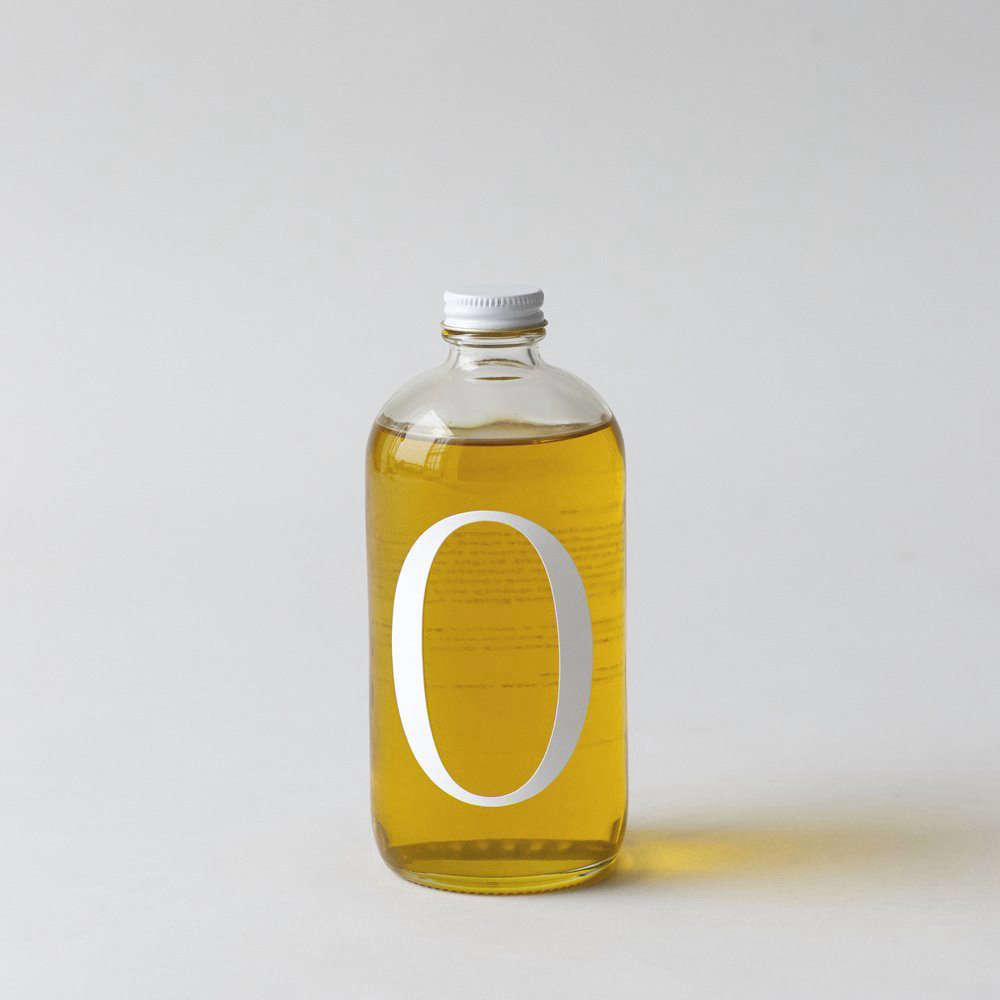
ILA Extra Virgin Olive Oil
Jul
Some pantry staples quietly do their job. Others show up wearing a tailored bottle, smelling faintly of green fruit and toasted almonds, and somehow make a bowl of tomatoes feel like it has a passport. ILA Extra Virgin Olive Oil belongs in the second group.
Known through boutique product listings as a Spanish extra virgin olive oil from Córdoba, ILA is described as warm, fruity, and nutty, with olives hand-picked and pressed on the same day. That combination makes it the kind of oil people reach for when they want more than plain cooking fat. It is meant to bring flavor, texture, and a little Mediterranean confidence to the plate.
This guide explores what makes ILA Extra Virgin Olive Oil appealing, how extra virgin olive oil differs from ordinary olive oil, where it works best in the kitchen, and how to keep every precious drop tasting fresh rather than like a forgotten box of crayons.
What Is ILA Extra Virgin Olive Oil?
ILA Extra Virgin Olive Oil is associated with Córdoba in Andalusia, southern Spain, a region with a long olive-growing tradition and plenty of sun-soaked groves. Historical retailer descriptions characterize the oil as being made from hand-picked olives that are pressed promptly after harvest, a practice that can help preserve fresh flavor and aroma.
The most frequently described flavor profile is warm, fruity, and nutty. In practical kitchen terms, that means ILA Extra Virgin Olive Oil is not merely an invisible ingredient for greasing a pan. It is better treated as a seasoning: something that can bring roundness to vegetables, richness to beans, silkiness to soups, and a subtle finish to fish, bread, salads, and pasta.
Because boutique olive oils can change harvest to harvest, it is wise to check the current bottle for its harvest date, origin, size, and handling recommendations. Olive oil is agricultural, not factory wallpaper. A new harvest can taste brighter, greener, pepperier, or softer depending on the olives, weather, and blending choices.
What “Extra Virgin” Actually Means
Extra virgin olive oil, often shortened to EVOO, is the highest commonly recognized grade of olive oil. It is produced mechanically from olives rather than heavily refined with heat or chemical processing. Under widely used quality standards, extra virgin olive oil should have no sensory defects such as rancidity or mustiness, while also showing positive fruitiness.
That matters because flavor is not just decoration. Fresh extra virgin olive oil can offer aromas that range from grass, herbs, tomato leaf, and green apple to ripe fruit, almond, butter, black pepper, or artichoke. A good bottle may even create a gentle tickle at the back of the throat. That peppery sensation is not the oil being rude; it is a common trait in fresh, robust olive oils.
Regular olive oil, sometimes labeled “pure” or “light” olive oil, is usually more refined and neutral in taste. It can still be useful for cooking, but it generally lacks the vivid aroma and personality that make a premium EVOO enjoyable at the table.
The Flavor Profile of ILA Olive Oil
ILA Extra Virgin Olive Oil is typically described as smooth rather than aggressively bitter. Its warm, fruity, and nutty direction makes it especially approachable for people who enjoy olive oil flavor but do not want every bite to feel like it has been challenged to a duel by black pepper.
What “Warm, Fruity, and Nutty” Means on the Plate
A warm olive oil often feels rounded and mellow rather than sharp. Fruity notes can suggest ripe olives, green apple, tomato, or soft fresh herbs. Nutty notes may resemble almond or hazelnut, adding a savory depth that works beautifully with roasted vegetables, grains, creamy cheeses, and rustic bread.
This profile gives ILA Extra Virgin Olive Oil a useful middle ground. It can play gently with delicate ingredients, such as white fish or burrata, but it also has enough character to improve a simple bowl of lentils or a weeknight plate of roasted squash.
Do Not Judge Olive Oil by Its Color
Golden oil may look glamorous in a glass cruet, but color alone does not prove freshness or quality. Olive oil color can vary because of olive variety, ripeness, filtering, and natural pigments. A deep green oil is not automatically better, and a pale gold oil is not automatically inferior. Your nose and palate are better detectives than your eyes.
Nutrition and Health: Why Olive Oil Has a Good Reputation
Olive oil is rich in unsaturated fat, especially monounsaturated fat. A typical tablespoon provides about 120 calories and 14 grams of fat, so it is nourishing but not calorie-free fairy dust. The key is using it thoughtfully as part of a balanced eating pattern.
One of the most practical benefits of olive oil comes from substitution. Replacing butter, shortening, or other fats higher in saturated fat with olive oil can support a more heart-conscious approach to cooking. The goal is not to pour oil onto every food in sight like an enthusiastic lawn sprinkler. The goal is to use it in place of less favorable fats when that makes sense.
Extra virgin olive oil also contains naturally occurring plant compounds, including polyphenols and vitamin E. Researchers continue to study how these compounds may contribute to health, but the strongest everyday takeaway is simple: olive oil works best inside an overall pattern rich in vegetables, beans, whole grains, fruit, nuts, seafood, and minimally processed foods.
In other words, ILA Extra Virgin Olive Oil can elevate a Mediterranean-style meal, but it cannot rescue a diet built entirely around drive-thru fries and emotional support donuts. Even excellent olive oil has limits.
How to Use ILA Extra Virgin Olive Oil
ILA Extra Virgin Olive Oil is versatile enough for cooking and finishing, though its flavor is most noticeable when used near the end of preparation or directly at the table. Think of it as both a cooking ingredient and a final flourish.
Use It as a Finishing Oil
Finishing is where a flavorful olive oil gets to show off. Drizzle it over grilled vegetables, tomato salad, hummus, beans, lentil soup, grilled chicken, roasted potatoes, or a bowl of pasta. A teaspoon on warm soup can make the whole dish taste more complete, as though someone finally turned on the lights.
Make a Simple Vinaigrette
Whisk three parts ILA Extra Virgin Olive Oil with one part lemon juice or vinegar. Add a pinch of salt, black pepper, Dijon mustard, and a little honey if you want balance. This works with greens, grain salads, roasted beets, cucumbers, chickpeas, or almost anything that could use a polite wake-up call.
Sauté and Roast with It
Extra virgin olive oil works well for everyday sautéing, pan-cooking, and roasting at moderate temperatures. Use it for onions, garlic, greens, zucchini, mushrooms, eggs, chicken, and sheet-pan vegetables. Avoid letting it smoke heavily, and do not repeatedly reuse the same oil for high-heat frying. That is where flavor and quality begin packing their bags.
Pair It with Bread, Cheese, and Fruit
Serve ILA Extra Virgin Olive Oil in a small dish with flaky salt and crusty bread. For a more memorable snack, pair it with fresh ricotta, burrata, goat cheese, figs, peaches, strawberries, or orange slices. Olive oil with fruit may sound eccentric until the first bite. Then it sounds like lunch.
Best Foods to Pair With ILA Extra Virgin Olive Oil
- Tomatoes: Use it on tomato toast, caprese salad, bruschetta, or roasted cherry tomatoes.
- Beans and lentils: A drizzle adds body to white beans, chickpeas, black lentils, and warm bean salads.
- Roasted vegetables: Try it with carrots, squash, eggplant, cauliflower, asparagus, and potatoes.
- Fish and seafood: Use it over grilled salmon, shrimp, scallops, or flaky white fish with lemon.
- Fresh cheese: Pair it with mozzarella, burrata, feta, ricotta, or goat cheese.
- Whole grains: Add it to farro, quinoa, couscous, brown rice, or barley for a richer finish.
- Soup: Finish tomato soup, minestrone, pumpkin soup, or white bean soup with a small swirl.
How to Choose a Fresh Bottle of Extra Virgin Olive Oil
When shopping for ILA Extra Virgin Olive Oil or any premium EVOO, look beyond stylish packaging. Pretty labels are nice, but they cannot personally stop oxidation.
Check for a Harvest Date
A harvest date offers a clearer picture of freshness than a vague “best by” date. Olive oil does not improve with age like wine. It is more like fresh juice with better manners: enjoy it while it still has energy and aroma.
Choose Protective Packaging
Dark glass, opaque bottles, and metal tins help shield olive oil from light. Clear bottles can look striking on a counter, but sunlight is not olive oil’s friend. Store the bottle away from windows, heat, and the top of the stove.
Buy the Right Size
A giant bottle may seem like a bargain, but only if you use it quickly. For a household that uses olive oil occasionally, a smaller bottle is often smarter. Freshness beats bulk savings when the larger bottle spends six months aging beside the toaster.
How to Store ILA Extra Virgin Olive Oil
Three things shorten olive oil’s happy life: heat, light, and oxygen. Store ILA Extra Virgin Olive Oil in a cool, dark cupboard, tightly capped after each use. A cabinet away from the oven is better than a shelf above it.
Cool storage is helpful, especially in a warm kitchen. Olive oil can become cloudy or partially solid in colder temperatures, and that does not necessarily mean it has gone bad. Once it warms, it usually returns to normal. The bigger concern is prolonged exposure to heat and sunlight.
When olive oil turns rancid, it may smell waxy, stale, musty, or oddly similar to crayons, old nuts, or a forgotten cardboard box. Fresh olive oil should smell clean and lively. If the aroma makes you hesitate, trust your instincts. Dinner deserves better.
Frequently Asked Questions About ILA Extra Virgin Olive Oil
Is ILA Extra Virgin Olive Oil good for cooking?
Yes. Its balanced flavor makes it useful for sautéing, roasting, sauces, dressings, and finishing dishes. For the most noticeable aroma, reserve a little for drizzling after cooking.
Is ILA olive oil better for salads or hot food?
It can do both. Its warm, fruity, nutty style should work especially well in salad dressings, tomato dishes, grain bowls, roasted vegetables, and bread dipping. Use it where the flavor can be appreciated rather than buried under heavy sauces.
Does extra virgin olive oil need to be refrigerated?
Not usually. A cool, dark cupboard is generally ideal. Refrigeration can make oil cloudy or solid, which is harmless but inconvenient. Refrigeration may be useful when a kitchen stays very hot for long periods.
Is all extra virgin olive oil supposed to taste peppery?
No. Pepperiness is common in fresh oils, especially robust styles, but flavor can range from mild and buttery to grassy, fruity, herbaceous, bitter, or spicy. The best olive oil is one that tastes fresh and suits the food you are making.
Kitchen Experience Notes: What Cooks Often Notice With ILA-Style EVOO
The following section is a practical composite of common kitchen-use experiences, not a personal product test or a guarantee that every harvest will taste identical.
The first noticeable experience with a warm, fruity, nutty extra virgin olive oil often happens with the least complicated food: bread. A slice of toasted sourdough, a shallow pour of oil, and a pinch of salt can reveal more about an olive oil than an elaborate recipe ever will. With an ILA-style profile, cooks often notice that the oil feels rounded rather than harsh. The flavor does not bulldoze the bread; it settles into it, bringing a gentle richness that makes a simple snack feel suspiciously expensive.
Tomatoes are another useful test. A plate of ripe tomatoes, a little salt, cracked pepper, fresh basil, and a drizzle of EVOO is not revolutionary cuisine. It is simply proof that good ingredients can hold a meeting without inviting fifteen unnecessary coworkers. The fruitiness of the oil can brighten tomato sweetness, while nutty notes give the dish a fuller finish. Add mozzarella or burrata, and suddenly the meal has enough charm to make you forget you were planning to eat cereal.
In warm dishes, cooks often find that this style of olive oil behaves best when used in two moments. The first pour goes into the pan for onions, garlic, or vegetables. The second, smaller pour happens after cooking. That final drizzle carries aroma that heat would otherwise soften. Try it over roasted carrots with lemon zest, sautéed greens with white beans, or a bowl of pasta with parmesan. The difference is subtle but real: the food tastes less flat and more deliberate.
For weekday cooking, EVOO can be a quiet workhorse. A teaspoon in scrambled eggs, a spoonful over lentil soup, or a light coating on vegetables before roasting can improve texture without turning dinner into an oil slick. The trick is restraint. A flavorful olive oil is not a dare. Start with a small amount, taste, and add more only when the food asks for it.
One especially satisfying use is in a simple vinaigrette. Combine olive oil, lemon juice, Dijon mustard, salt, pepper, and a little honey. Shake it in a jar until it turns creamy. Pour it over bitter greens, shaved fennel, chickpeas, or roasted squash. The oil’s nutty character can soften sharper ingredients while still keeping the dressing lively.
Finally, the best kitchen experience may be learning that olive oil does not need a grand occasion. It can turn leftover rice into a better lunch, make frozen peas taste less apologetic, and give a bowl of soup a finishing touch that feels intentional. That is the quiet magic of a quality extra virgin olive oil: it does not demand center stage, but it makes everything around it perform better.
Final Thoughts
ILA Extra Virgin Olive Oil is best understood as a flavor-forward Spanish EVOO with a warm, fruity, and nutty personality. Its Córdoba roots and boutique positioning make it especially appealing for cooks who treat olive oil as more than a pantry default.
Use it for salad dressings, roasted vegetables, beans, fish, bread dipping, and finishing warm meals. Store it away from heat and light, buy a quantity you can use while fresh, and remember that the best olive oil is not the one with the fanciest story. It is the one that makes you want to cook another meal tomorrow.

