
Beauty Tools & Accessories
Camp Fire Starters From Dryer Lint
Jul
A successful campfire begins long before the marshmallows appear. It starts with dry tinder, a little patience, and the humility to accept that damp wood has defeated better campers than us. One simple, low-cost option is sitting in your laundry room right now: dryer lint.
Dryer lint fire starters are lightweight, easy to pack, and surprisingly effective when used correctly. A small bundle can help dry kindling catch faster, especially when the weather is cool, breezy, or mildly damp. Better still, turning lint into camp fire starters gives a useful second life to something that would otherwise head straight for the trash.
There is one important catch: not every pile of dryer lint belongs near a campfire. Modern clothing often contains polyester, nylon, spandex, acrylic, and other synthetic fibers. Those materials can melt, smoke, and create unpleasant fumes when burned. The safest approach is to use lint from loads made mostly of natural fibers, such as 100% cotton towels, cotton T-shirts, linen, or untreated wool clothing.
Used responsibly, dryer lint can be a practical part of your camping kit. Used carelessly, it can become a tiny gray reminder that fire safety rules exist for a reason. Let’s keep the adventure part and skip the accidental drama.
Why Dryer Lint Makes a Good Camp Fire Starter
Dryer lint works because it is made of tiny, dry fibers with plenty of air pockets between them. Fire needs heat, fuel, and oxygen. Lint offers a little fuel and lots of surface area, which makes it easy to ignite with a match, lighter, or ferro rod when conditions are favorable.
Think of dryer lint as tinder, not firewood. Tinder catches the first flame. Kindling builds that small flame into a stable fire. Larger logs then keep the fire going. If you expect a fluffy fistful of lint to roast hot dogs for three hours, you may be disappointed. If you use it to help thin, dry twigs catch quickly, it can be remarkably useful.
Benefits of Dryer Lint Fire Starters
- They are nearly free.
- They weigh very little in a backpack or camping bin.
- They can be stored in a resealable bag to keep them dry.
- They are easy to use as tinder beneath kindling.
- They reduce the need to buy disposable fire-starting products for every trip.
- They can be made ahead of time instead of assembled in the dark while mosquitoes conduct a taste test.
Choose the Right Dryer Lint Before You Make Fire Starters
The best dryer lint for campfires comes from natural-fiber laundry. Cotton lint is usually the easiest option because cotton clothing, towels, washcloths, and sheets are common in many households. Lint from a load of cotton towels is often dense, soft, and easy to collect.
Use Lint From These Materials
- 100% cotton towels and washcloths
- 100% cotton T-shirts and socks
- Linen fabric
- Untreated wool items
- Natural-fiber clothing that has not been heavily treated with fragrance products
Avoid Lint From These Materials
- Polyester fleece, athletic wear, and microfiber fabrics
- Nylon, acrylic, spandex, and other synthetic clothing
- Mixed-fiber loads when you cannot tell what is in the lint
- Lint coated with dryer-sheet residue or strong fragrance products
- Lint from clothing exposed to paint, automotive fluids, solvents, or chemical cleaners
- Pet bedding or heavily soiled laundry
When in doubt, skip the lint. Commercial fire starters, dry twigs, untreated wood shavings, or plain cotton balls are better choices than burning mystery fibers. A campfire should smell like wood smoke, not like a chemistry lab that has lost adult supervision.
How to Make Simple Dryer Lint Camp Fire Starters
There are several easy ways to turn dryer lint into useful tinder. The best method depends on whether you want something ultra-lightweight for hiking or something that burns longer at a car campsite.
Method 1: Loose Dryer Lint Bundles
This is the fastest option and works well for short camping trips. Gather clean, dry natural-fiber lint and store it in a small resealable bag, waterproof pouch, or screw-top container. At camp, pull off a small piece, fluff it gently, and place it beneath a nest of pencil-thin dry twigs.
Do not compress the lint into a hard gray pebble. A loose bundle with air spaces catches more easily. Place it where it is protected from direct wind but still has enough airflow to support a flame.
Method 2: Dryer Lint in Cardboard Tubes
Empty toilet paper tubes and paper towel tubes make excellent holders for dryer lint. Cut a paper towel tube into shorter sections, then loosely pack each section with clean lint. The cardboard gives the tinder structure and adds a little extra burn time.
- Collect dry, natural-fiber dryer lint.
- Cut a cardboard tube into two- or three-inch pieces.
- Loosely fill each piece with lint.
- Store the tubes in a waterproof bag or small container.
- At camp, place one tube under dry kindling and light the cardboard edge.
This style is simple, inexpensive, and easy to use with gloves on. It is also less likely to drift away in a breeze than a loose clump of lint, which is helpful when the wind decides to become part of the group chat.
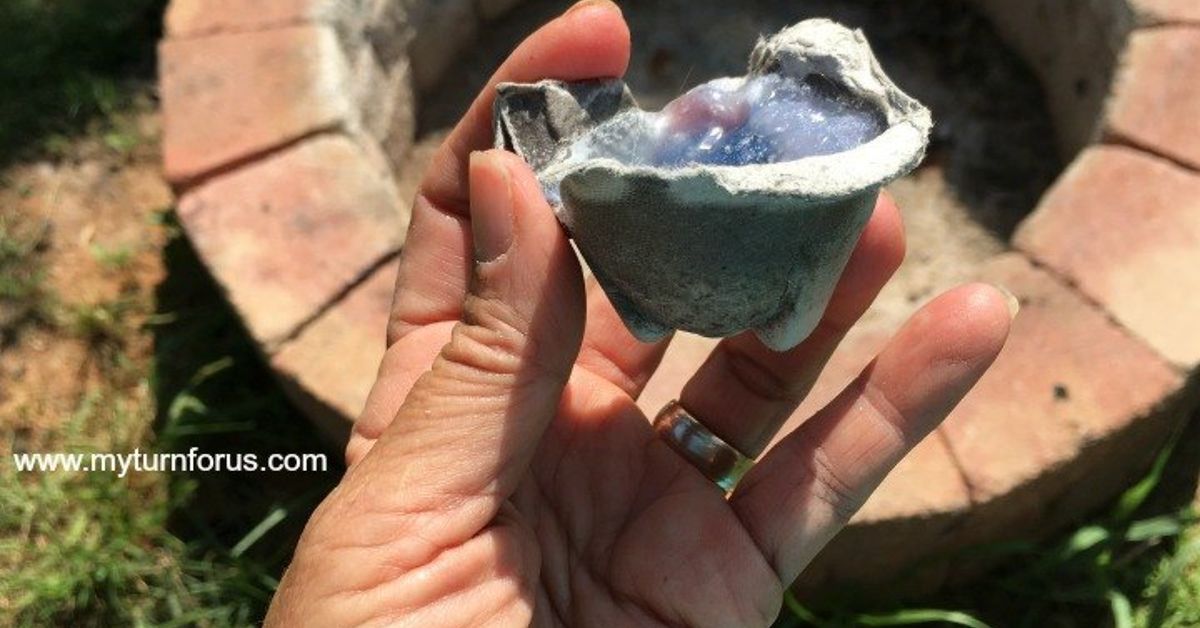
Method 3: Waxed Egg Carton Fire Starters
For a longer-burning DIY fire starter, combine dryer lint with a paper egg carton and plain candle wax. Use only a cardboard or paper egg carton. Never use foam or plastic cartons, because synthetic materials should not be burned in a campfire.
- Place a small amount of clean dryer lint into each paper egg cup.
- Melt plain leftover candle wax using a heat-safe double boiler setup.
- Carefully drizzle a small amount of wax over the lint so it holds together.
- Allow the carton to cool fully before handling.
- Cut or tear apart the individual egg cups.
- Store finished fire starters in a sealed bag or container until your trip.
The wax slows the burn and helps the lint keep a flame long enough for kindling to catch. Do not drown the lint in wax until it resembles a miniature candle brick. A little goes a long way. The goal is a dependable starter, not a candle that could survive a family power outage.
How to Use Dryer Lint Fire Starters at a Campsite
Even the best fire starter cannot rescue a poorly built fire. Before lighting anything, check local fire regulations, campground rules, weather conditions, and temporary fire restrictions. Campfires may be prohibited during dry or high-risk periods, even in places that normally allow them.
Use an existing fire ring, grill, or designated fire area whenever possible. Keep water and a shovel nearby. Clear dry leaves, pine needles, paper, and other flammable debris from around the fire area. Never build a fire below low branches, beside dry grass, or next to your tent unless your tent has secretly become your least favorite possession.
Basic Campfire Setup
- Place one dryer lint fire starter in the center of the fire ring.
- Add a loose layer of dry, pencil-thin twigs above it.
- Stack slightly larger sticks around the twigs in a teepee or small log-cabin shape.
- Light the lint or cardboard edge carefully.
- Add larger pieces of dry firewood only after the kindling has a steady flame.
- Keep the fire small and controlled.
Resist the temptation to pile on large logs immediately. A campfire is not impressed by confidence. It needs airflow. Start small, let the flame build, and feed the fire gradually.
Important Safety Rules for Dryer Lint Fire Starters
Dryer lint is highly flammable. That is exactly why it works as tinder and exactly why it deserves respect. Collecting lint for fire starters should never replace basic dryer maintenance. Clean the lint screen after each load, keep the dryer vent system clear, and do not allow lint to build up behind or beneath the appliance.
Follow These Fire Safety Habits
- Use dryer lint only in a legal outdoor campfire or approved fire pit.
- Never use gasoline, lighter fluid, alcohol, aerosol sprays, or other flammable liquids to start a fire.
- Do not burn plastic, foam, coated paper, trash, or synthetic fabric.
- Keep children and pets away from the active fire area.
- Never leave a campfire unattended, even for a quick trip to the cooler.
- Keep water available before you light the fire.
- Do not cook food directly over a newly lit wax-and-lint starter.
- Wait until the starter has burned away and you have a clean bed of wood coals before cooking.
- Extinguish the fire completely before leaving or going to sleep.
To put out a campfire, drown it with water, stir the ashes and coals, add more water, and stir again. Continue until every ember is cool to the touch. Do not simply cover hot coals with dirt and hope they understand the assignment. Buried embers can remain hot and may reignite later.
When Dryer Lint Is Not the Best Fire Starter
Dryer lint is handy, but it is not magic. In very wet conditions, a loose lint bundle may struggle unless it has been protected from moisture. Waxed lint starters usually perform better in damp weather because the wax helps sustain the flame. Still, wet wood remains wet wood, and no amount of laundry fluff can negotiate with a soaked log.
Dryer lint may also be a poor choice for backpackers who are trying to follow strict leave-no-trace practices in sensitive areas. Some backcountry locations discourage or prohibit campfires because of wildfire risks, limited wood availability, or environmental impact. In those settings, a camp stove is often the safer and more responsible option.
For cooking-heavy camping trips, a commercial fire starter made specifically for food-fire use may offer more consistency. For family campsites and casual evening fires, however, natural-fiber dryer lint can be a smart, practical backup.
Storage Tips for DIY Dryer Lint Fire Starters
Moisture is the enemy of every fire starter. Store loose lint bundles, cardboard tubes, and waxed egg-carton starters in a waterproof bag or sealed plastic container. Label the container clearly so nobody mistakes it for snack mix. A bag of gray fluff may not look delicious, but camping hunger has led people to make questionable choices.
Keep fire starters away from stoves, lanterns, vehicle heaters, direct sunlight, and open flames. Store them in a cool, dry place at home and in your camping gear. Bring only what you expect to use, then keep the rest safely packed away.
Campfire Lessons and Real-World Experiences With Dryer Lint
The most useful lessons about dryer lint fire starters usually come from ordinary camping mistakes rather than heroic wilderness moments. The classic situation happens at dusk: everyone is hungry, the air is cooling fast, and someone discovers that the only available kindling is a sad pile of slightly damp sticks. This is where a prepared lint fire starter can feel less like a craft project and more like a tiny emergency assistant.
Campers often learn quickly that loose dryer lint works best when it is fluffed rather than squeezed into a dense ball. A compact wad may char on the outside without giving the flame enough oxygen to grow. A gently pulled-apart bundle, placed under small dry twigs, catches more readily and gives the kindling a fighting chance. The difference is small, but it can save several minutes of crouching beside a fire ring while pretending everything is going according to plan.
Another common experience involves wind. A lightweight lint bundle can lift, tumble, or scatter if it is placed in an exposed fire ring on a breezy evening. Cardboard-tube starters solve much of that problem because the lint stays contained. Waxed paper egg-cup starters are even more stable, especially when the ground is cool or a light drizzle is hanging in the air. They are not weatherproof miracles, but they are more forgiving than loose tinder.
People also discover that lint quality matters more than expected. Lint collected from cotton towels tends to feel dense and fibrous, while lint from synthetic athletic clothing may look different, smell different, and behave differently near a flame. Campers who sort their lint at home avoid surprises at the campsite. A small labeled container of “cotton lint only” is much more useful than a random bag of whatever came out of the dryer last month.
Family camping trips often turn this project into a simple preparation activity. One person saves cardboard tubes, another collects suitable lint, and an adult handles the wax if making longer-burning starters. The result is not only a practical fire kit but also a reminder that successful camping starts before the car is packed. A child who helps build a fire starter can better understand the difference between tinder, kindling, and fuel, as well as why fire rules are not optional decorations on a campground sign.
There is also a satisfying moment when a homemade lint starter works exactly as intended. The cardboard catches, the lint glows, the twigs begin to crackle, and suddenly the campsite looks less like a collection of folding chairs in the dark. That little success is part practicality and part primitive victory over dampness. No one needs to announce it dramatically, but a quiet nod toward the laundry basket is fully acceptable.
Of course, some experiences teach the opposite lesson. A fire starter cannot compensate for green firewood, a badly arranged pile of logs, a fire ban, or a campsite where flames are not allowed. The smartest campers know when not to light a fire at all. If the weather is dry, restrictions are active, or wind is pushing embers toward brush, the best fire starter is the one that stays safely packed in the container.
That is the real value of dryer lint camp fire starters: they are useful tools, not excuses to take risks. Prepared responsibly, used in legal conditions, and paired with good fire habits, they can make the simple task of starting a campfire easier, cleaner, and a little more satisfying.
Final Thoughts
Camp fire starters from dryer lint are one of those wonderfully practical camping ideas that sound almost too simple until you try them. Clean natural-fiber lint can ignite quickly, cardboard tubes make it easier to handle, and waxed paper egg cups can provide a longer burn for stubborn kindling.
The key is using the right lint, building a small and well-ventilated fire, following campground rules, and treating every flame with respect. Save the clean cotton lint, pack it dry, and keep it ready for the next legal campfire night. Your future self, shivering slightly while trying to light damp sticks, may be very grateful that laundry day came with a bonus feature.
SEO Tags

