
Beauty Tools & Accessories
Turn a Sewing Machine Cabinet into a Charming Vanity
Jul
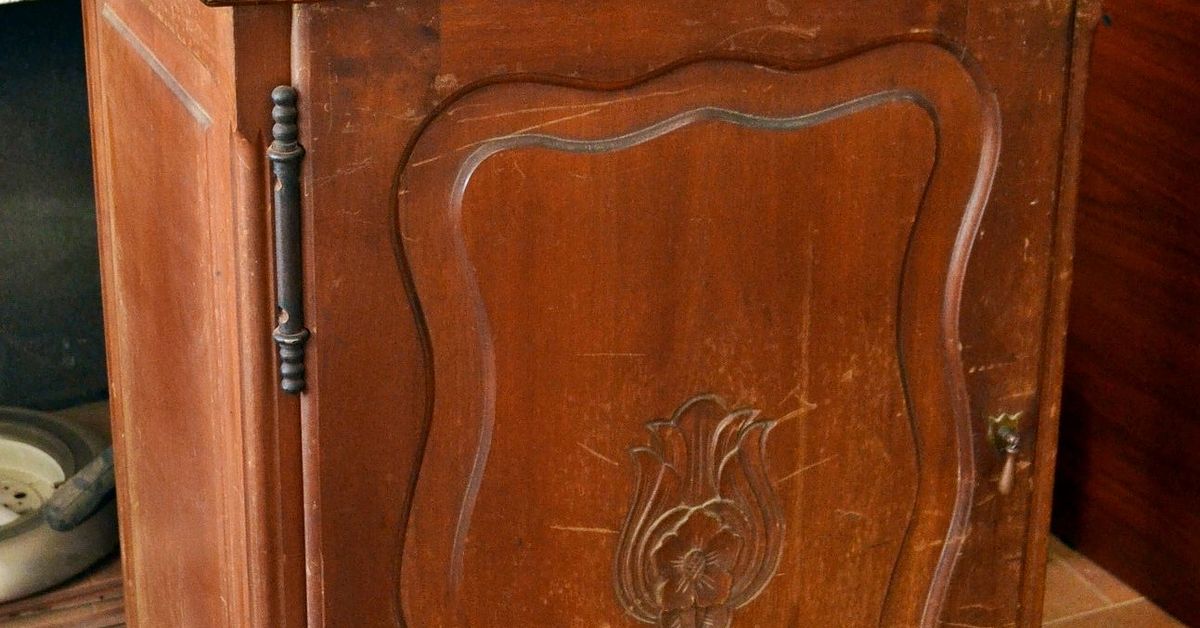
An old sewing machine cabinet has already survivttering at a zipper. With a thoughtful makeover, it can begin an entirely new career as a charming bathroom vanity.
Unlike a mass-produced cabinet, a vintage sewing table brings real character to a bathroom. Decorative ironwork, petite drawers, carved legs, aged wood, and flip-top compartments create a focal point that looks collected rather than ordered from a catalog. Better yet, converting one can be more affordable than commissioning custom cabinetry.
The project does require careful planning. A sink is heavier and considerably wetter than a spool of thread, and plumbing has a rude habit of occupying exactly the space you hoped to use for storage. This guide explains how to evaluate the cabinet, choose a compatible sink, reinforce the structure, protect the wood, accommodate plumbing, and finish the vanity so it remains practical as well as pretty.
Why a Sewing Machine Cabinet Makes a Great Vanity
Repurposed furniture gives a bathroom warmth that ordinary built-in cabinetry sometimes lacks. Designers frequently use dressers, consoles, chests, and sewing tables as vanity bases because their furniture-style legs and authentic details make even a small powder room feel distinctive. achine cabinets are especially useful in compact rooms. Many are narrower than standard bathroom vanities, yet they still offer enough surface area for a small vessel sink or drop-in basin. A treadle base can also make the floor appear more open because its decorative iron frame has less visual weight than a solid cabinet.
There is an environmental bonus, too. Reusing an existing piece keeps usable furniture out of the waste stream and reduces the need for newly manufactured cabinetry. You are not merely remodeling; you are giving a hardworking antique a retirement plan with running water.
Inspect the Cabinet Before You Fall in Love
Vintage charm can be persuasive, but structural problems are not improved by nostalgia. Before buying or modifying a sewing machine cabinet, examine it as critically as you would inspect any piece expected to support a sink.
Check the Frame and Joints
Gently rock the cabinet from different directions. Loose legs, separated joints, cracked rails, missing screws, and damaged veneer should be repaired before installation. Pay special attention to the top because it will carry the combined weight of the sink, faucet, countertop accessories, and water.
If the cabinet has a cast-iron treadle base, inspect it for cracks, loose bolts, severe rust, or missing cross braces. Surface rust is usually manageable, but a broken structural casting may require professional metal repair.
Measure the Cabinet and the Bathroom
Measure the cabinet’s width, depth, and finished height. Then check the distance to the toilet, doorway, tub, baseboards, supply valves, and drain. Standard bathroom vanities come in many widths, but comfort and clearance matter more than matching a catalog number. Industry design recommendations commonly favor about 30 inches of clear space in front of a fixture, while building codes may permit less. Always verify local requirements. sider the final sink height. A typical comfortable sink rim is approximately 32 to 36 inches above the floor. A vessel sink sits on top of the cabinet, so a tall sewing table plus a deep bowl can create a washstand better suited to a basketball team. fy the Original Top Material
Many sewing machine cabinets have solid wood frames but veneered tops. Veneer can be refinished, but aggressive sanding may cut through its thin decorative layer. Tops made from swollen particleboard, severely delaminated plywood, or badly warped wood are often better replaced with solid wood, quartz, marble, sealed butcher block, or another moisture-resistant surface.
Choose the Sink and Faucet Before Cutting Anything
The sink determines the size and location of the openings, the final vanity height, and how much storage survives beneath the top. Buy or physically inspect the sink before making a template. Product listings are helpful; the actual basin is better.
Vessel Sink
A vessel sink is often the easiest option because most of the bowl remains above the countertop. Usually, the top needs only a drain opening and possibly a faucet hole. This preserves more of the cabinet and reduces the amount of interior space occupied by the basin.
However, the faucet must be tall enough to clear the vessel and long enough for the water stream to land near the center of the bowl. A faucet that is too short produces knuckle collisions; one with excessive reach may splash water toward the user. n Sink
A drop-in sink sits partly inside the cabinet and has a rim that rests on the countertop. It offers a familiar appearance and can keep the finished sink height lower, but it requires a larger cutout. The sink bowl may also interfere with drawers, hinges, or the former sewing machine compartment.
Undermount Sink
An undermount basin creates a clean countertop edge, but it normally requires a stone, solid-surface, or specially prepared wood top. The installation must support the sink from below rather than relying on adhesive alone. For most first-time furniture conversions, a vessel or drop-in sink is less complicated.
Tools and Materials
Your exact supply list will depend on the cabinet and sink, but most conversions require the following:
- Safety glasses, hearing protection, gloves, and a dust mask
- Screwdrivers, wrenches, pliers, and an adjustable wrench
- Tape measure, square, pencil, painter’s tape, and level
- Drill, hole saw, jigsaw, and fine-tooth blades
- Orbital sander and assorted sandpaper
- Wood glue, clamps, wood filler, and reinforcement lumber
- Bonding or stain-blocking primer if painting
- Cabinet-grade paint, stain, or clear protective finish
- Sink, drain assembly, faucet, supply lines, and P-trap components
- Bathroom-rated silicone sealant
- Wall fasteners appropriate for the wall construction
Plumbing configurations vary. Before shopping, photograph and measure the existing drain, supply valves, and wall openings. Those pictures are surprisingly useful when standing in a plumbing aisle surrounded by fittings that all look almostbut not quitecorrect.
How to Convert the Sewing Machine Cabinet
Step 1: Remove the Sewing Machine and Unneeded Hardware
Open the cabinet and document how the hinges, springs, lift mechanism, and machine are attached. Take several photos before disassembly. Remove the sewing machine carefully; older machines can be extremely heavy.
Save decorative screws, drawer pulls, metal emblems, and hinges you may want to reuse. Remove the lift mechanism if it conflicts with the sink or plumbing. If the cabinet has a valuable or historically significant machine, consider preserving or selling it rather than discarding it.
Step 2: Clean and Repair the Cabinet
Vacuum the interior and wash away dust, wax, grease, and residue using a cleaner compatible with the existing finish. Repair loose joints with wood glue and clamps. Fill abandoned screw holes, patch damaged veneer, and tighten the frame.
A cabinet with a thin top may need reinforcement below the sink. Add solid-wood cleats or a plywood subframe where they will not interfere with the drain. A real-world sewing cabinet conversion commonly begins by removing the machine and hardware, sanding the surfaces, and rebuilding the piece around its new purpose. : Plan the Plumbing Route
Move the cabinet into its intended location without the sink. Mark the position of the wall drain and supply valves on the back of the cabinet. Determine whether the plumbing can pass through an existing opening or whether the back, interior shelf, or drawer must be modified.
Keep openings as small as practical while leaving enough clearance to connect and service fittings. Removable back panels are useful because plumbing eventually needs attention, usually at a time when nobody feels emotionally prepared to dismantle furniture.
Step 4: Refinish the Wood
For a natural finish, remove loose or failing coatings, sand carefully, apply stain if desired, and protect the piece with a durable clear topcoat. Do not oversand veneer. Start gently and stop as soon as the surface is even.
For a painted vanity, clean the cabinet thoroughly, scuff-sand glossy surfaces, remove dust, and use a bonding or stain-blocking primer. Apply thin coats of cabinet-grade paint, allowing proper drying time between coats. Professional painting guides emphasize adhesion testing, careful preparation, and suitable primer because these steps help prevent peeling and uneven coverage. every vulnerable area, including the top, cut edges, undersides, drawer interiors near plumbing, feet, and openings around pipes. Clear finishes such as polyurethane help protect wood from water, household chemicals, scratches, and ordinary wear. : Mark the Sink and Faucet Openings
Place painter’s tape over the cutting area to make pencil marks easier to see and to reduce surface chipping. Position the sink template, checking that the basin is centered visually and clears the cabinet frame below.
Mark the faucet location only after checking the sink rim, backsplash, mirror, faucet reach, mounting hardware, and supply-line path. Confirm every measurement twice. Then walk away, drink something, return, and confirm it a third time. A jigsaw has no reverse button.
Step 6: Cut and Seal the Openings
Drill a starter hole inside the waste section and cut slowly with a jigsaw. Support the cutout so it does not break away and tear the remaining surface. Use a hole saw for round drain or faucet openings when appropriate.
Test-fit the sink and hardware. Smooth rough edges, remove dust, and seal all exposed wood inside the openings. This step is critical because an unsealed cut edge can absorb water even when the visible countertop looks beautifully finished.
Step 7: Adapt Drawers and Interior Storage
Instead of permanently sacrificing every drawer, shorten the drawer box to fit around the plumbing. Another option is to attach the original drawer front to the cabinet as a fixed false front. Small side drawers may remain fully operational and can hold toothbrushes, cosmetics, washcloths, or other daily items.
Open treadle cabinets can be fitted with a shallow shelf or decorative basket. Just keep stored items away from valves and drain connections. Repurposed vanity projects often combine preserved drawers with baskets, shelves, and modified compartments to recover storage lost to plumbing. : Install the Sink and Faucet
Follow the manufacturers’ instructions for the sink, faucet, and drain. Depending on the design, the faucet may be easier to install before the vanity is moved against the wall. Apply plumber’s putty or silicone only where the fixture manufacturer specifies.
Use bathroom-rated silicone around the sink where required, but avoid smearing sealant over visible surfaces. A neat bead looks professional; a giant transparent mountain range does not.
Step 9: Secure the Vanity
Level the cabinet with moisture-resistant shims if necessary. Anchor it to wall studs or suitable blocking so it cannot tip or shift. Furniture-style legs may look delicate, but the finished vanity must behave like a permanent fixture.
Connect the water lines and drain, then test carefully. Wipe every fitting dry and place a paper towel beneath each connection. Run the faucet, fill the sink, release the water, and inspect for moisture. Repeat the test after several hours and again the next day.
Standard vanity-installation procedures begin with shutting off the water, releasing pressure, disconnecting supply lines, and managing water trapped in the P-trap. Hire a licensed plumber when pipes must be relocated, local rules require one, or you are uncertain about the connections.
Design Ideas That Preserve the Cabinet’s Character
Keep the Original Wood
Warm walnut, oak, or mahogany looks beautiful with a white ceramic vessel sink. Pair the wood with aged brass hardware, a framed mirror, and simple wall lighting. Natural imperfections can remain visible as long as the surface is smooth, clean, and protected.
Use Paint Strategically
Deep green, navy, charcoal, cream, and muted blue work particularly well on vintage furniture. Paint the wooden cabinet while retaining a black iron treadle base, or use one color outside and a surprising contrasting shade inside the drawers.
Add a New Countertop
If the original top is damaged, replace it rather than forcing a fragile surface to survive bathroom conditions. Marble adds traditional elegance, quartz offers easy maintenance, and sealed wood keeps the furniture-like appearance. A custom top can also provide the exact depth needed for the sink and faucet.
Highlight the Treadle Base
Clean cast iron with a wire brush, treat rust, and apply an appropriate metal primer and durable topcoat. Matte black preserves the classic appearance, while bronze or soft metallic accents can emphasize raised lettering and decorative details.
Complete the Vintage Story
An antique-style mirror, beadboard, small-format tile, vintage-inspired sconces, and traditional hardware can reinforce the cabinet’s history without turning the bathroom into a museum exhibit. Vintage bathrooms are most convincing when old and new elements are mixed rather than matched too perfectly.
Common Mistakes to Avoid
- Choosing the cabinet before checking the plumbing: A beautiful piece is not useful if the drain passes directly through a structural leg.
- Making the vanity too tall: Include the vessel sink in the finished height calculation.
- Cutting before receiving the sink: Printed measurements may not reveal the exact mounting footprint.
- Failing to reinforce a thin top: The sink and faucet need stable support.
- Leaving raw wood around openings: Seal cut edges, undersides, holes, and seams.
- Blocking plumbing access: Valves, traps, and supply lines must remain serviceable.
- Using ordinary wall paint: Select a finish designed for cabinets, trim, or furniture in a humid environment.
- Relying on silicone to hold everything together: Sealant is not a substitute for mechanical support or proper mounting hardware.
- Skipping wall anchors: Secure the completed vanity even when the base appears stable.
Caring for Your Repurposed Vanity
Wipe standing water promptly, especially around the faucet, sink rim, seams, and backsplash. Clean the finish with mild products and a soft cloth rather than abrasive powders or aggressive scrubbers.
Inspect the silicone, drain, valves, and supply lines periodically. Watch for swelling, discoloration, peeling finish, musty odors, or damp items stored below. Address small leaks immediately; vintage wood is charming, but it is not known for enjoying surprise indoor weather.
Maintain bathroom ventilation with an exhaust fan or open window. If the finish becomes worn, clean and lightly scuff the surface before applying a compatible maintenance coat according to the product instructions.
What the Project Is Really Like: An Experience-Based Field Guide
The most common surprise in a sewing machine cabinet vanity project is how quickly the plan changes once the cabinet is placed in front of the actual plumbing. On paper, the drain seems politely centered. In the room, it may line up with a drawer support, iron cross brace, hinge, or narrow strip of wood that appears to be holding the entire nineteenth century together.
A realistic approach is to begin with a temporary setup. Place the empty cabinet against the wall, set the uninstalled sink on top, and use cardboard to represent the faucet and drain. Standing in front of this mock-up reveals issues that measurements alone may miss. The sink might feel too close to the front edge. The faucet handle may collide with the mirror. The cabinet door may hit a baseboard. A vessel bowl that looked compact online may suddenly resemble a salad bowl built for a banquet.
Refinishing also tends to expose the cabinet’s history. Removing hardware may reveal unfaded wood beneath a hinge, handwritten assembly marks, old repair holes, or the outline of the original sewing machine. These details make the piece more interesting, but they also force decisions. Some owners preserve dents and uneven color because they tell the story of the cabinet. Others fill everything and create a crisp painted finish. Neither choice is wrong. The best result looks intentional.
Another recurring experience is the slow realization that preparation takes longer than the glamorous steps. Removing grime from corners, fixing veneer, sanding edges by hand, waiting for coatings to cure, and sealing the inside of a plumbing hole are not especially photogenic. They are, however, what separates a lasting vanity from a weekend project that begins peeling before the guest towels have been folded.
The first cut is usually the most stressful moment. DIYers often measure repeatedly, reposition the template, stare at the cabinet, and briefly consider returning it to sewing-machine duty. Using painter’s tape, drilling a clean starter hole, and cutting slowly helps. So does remembering that the sink rim or mounting hardware will conceal a modest amount of imperfection. The opening needs to be accurate, not emotionally transcendent.
Plumbing installation produces its own lesson: preserve more access than you think you need. A fitting that is easy to tighten in an open workshop can become nearly unreachable after the cabinet touches the wall. Removable shelves, generous back openings, and shortened drawers make future maintenance far less frustrating. Experienced renovators plan for the next repair, not only for installation day.
The reward arrives when the water is turned on and the vanity functions like it has always belonged in the room. The cabinet’s aged wood or decorative treadle creates a contrast with the clean porcelain sink. Visitors notice it immediately, and many ask where it was purchased. That question is particularly satisfying because the answer is not a store name. It is a story involving an overlooked cabinet, several careful measurements, a few unexpected problems, and one very nervous encounter with a jigsaw.
Most successful conversions are not perfect. A drawer may be shallower than planned, the back opening may be larger than expected, or the old wood may retain a few scars. Those details rarely diminish the finished piece. They make it feel authentic. The goal is not to disguise the cabinet as new cabinetry; it is to make an old object safe, useful, and beautiful in a completely new role.
Conclusion
Turning a sewing machine cabinet into a charming vanity combines practical remodeling with creative reuse. The key is to treat the project as both furniture restoration and fixture installation. Choose a sound cabinet, calculate the finished sink height, plan around the existing pipes, reinforce weak areas, and protect every exposed wood surface from moisture.
A vessel sink offers the simplest conversion in many cases, while a drop-in basin can create a more traditional profile. Either way, careful measuring matters more than speed. Preserve original drawers and hardware when possible, but never sacrifice structural support or plumbing access merely to keep a feature intact.
Once completed, the vanity becomes more than a place to wash your hands. It preserves craftsmanship, reduces waste, and gives the bathroom a centerpiece with genuine history. Not bad for a cabinet that once considered a bobbin-winding mechanism its most advanced plumbing system.

