
Body Care
Serenity Now: A No-Drama Bedroom in Berkeley, CA
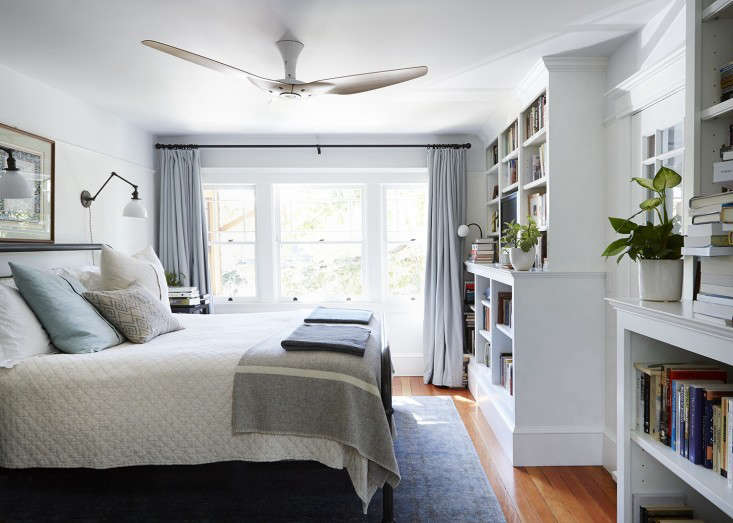
Jul
Some bedrooms are peaceful. Some bedrooms are “where laundry goes to think.” If your bedroom has slowly turned into a storage unit with a comforter, this guide is your intervention. The goal here is not a showroom-perfect space that looks amazing and feels weird. The goal is a no-drama bedroom: calm, functional, easy to maintain, and genuinely restfulespecially in a place like Berkeley, CA, where homes and apartments often come with personality, quirks, and the occasional “charming” draft.
Berkeley’s mild, Mediterranean-like climate is a gift for bedroom design: temperatures are generally moderate, with warm but not scorching summers and cool, damp winters. That means you can build a room that leans into comfort, natural light, and layering instead of constantly fighting extreme weather. The trick is to design for daily life and better sleep at the same time.
In this article, we’ll build a serene bedroom from the ground uplayout, color, lighting, storage, textiles, air quality, and sleep-friendly habitswith a Berkeley lens and zero fake minimalism. (You are allowed to own books. You are also allowed to own more than one pillow.)
Why “No-Drama” Is the Right Design Mood for a Berkeley Bedroom
“No-drama” doesn’t mean boring. It means the room isn’t asking you to solve a puzzle every night. You walk in, you exhale, and your nervous system stops acting like it just opened 47 browser tabs.
In Berkeley, that approach makes sense for a few practical reasons:
- Mild weather supports layered comfort: You can rely on breathable bedding, throw layers, and flexible window treatments rather than a “one-setting-all-year” setup.
- Mixed housing stock: Older homes and apartments may have charming windows, uneven light, or limited closet spaceso smart storage and textile layering matter.
- Urban and campus-adjacent living: Noise, light spill, and odd schedules can affect sleep, making a calm, controlled bedroom environment even more valuable.
The best part? A serene bedroom doesn’t require a full renovation. Most of the transformation comes from decisions that reduce friction: fewer visual distractions, better lighting, better storage, and better sleep conditions.
The No-Drama Bedroom Formula
Here’s the simple version: Calm color + soft texture + layered lighting + hidden storage + sleep-friendly habits. That’s the recipe. Everything else is garnish.
1) Start With a “Quiet” Color Story
If your current bedroom color palette feels like it’s trying to win an argument, dial it back. Relaxing bedrooms tend to lean into muted, low-contrast palettes: soft blues, sage greens, mushroom grays, warm whites, taupes, and earth-inflected neutrals. These shades don’t have to be bland; they just don’t need to buzz.
A no-drama Berkeley bedroom looks great with:
- Foggy neutrals: greige, warm white, oat, light mushroom
- Nature tones: sage, eucalyptus, muted olive, blue-gray
- Soft grounding accents: clay, camel, walnut, aged brass
If you love color, keep itbut lower the volume. Think “quiet confidence,” not “nightclub mural.” One deep accent color (like moody green-gray) can be gorgeous when the rest of the room is balanced with natural textures and soft lighting.
2) Use Texture to Add Interest Instead of Visual Noise
Here’s the secret designers use so a calm room doesn’t look flat: texture does the heavy lifting. When the palette is restrained, texture creates depth.
Mix a few of these:
- Linen or cotton bedding
- A woven throw blanket
- A nubby or low-pile rug
- Warm wood furniture (or wood accents)
- Matte ceramic lamps
- Textured shades or drapery
The room stays serene because the interest is tactile, not chaotic. In other words: your bedroom can have personality without looking like it lost a bet.
3) Layer the Lighting (Because Overhead Lights Are Not a Personality)
A single bright ceiling fixture is efficient. It is also emotionally similar to a grocery store. For a restful bedroom, use layered lighting:
- Ambient light: overhead fixture on a dimmer (if possible)
- Task light: bedside lamps or wall-mounted reading lights
- Accent light: a small lamp, picture light, or soft indirect glow
This lets you shift the room’s mood throughout the daybright enough to get dressed, soft enough to wind down, low enough at night so your brain gets the hint that we are, in fact, sleeping and not starting a new streaming series.
A great Berkeley-specific move: combine blackout shades + sheers. Sheers soften daytime light, while blackout layers help manage streetlights, early sunrise, and sleep schedules that don’t perfectly match the sun.
4) Make the Bed the Star, Not the Storage Problems
In a no-drama room, the bed should be the easiest thing to use and the easiest thing to visually understand. That means:
- Keep pathways clear on at least one side of the bed (ideally both)
- Use matching or visually balanced nightstands if space allows
- Choose bedding that is easy to remake (skip the 11 decorative pillows if you hate them)
- Use under-bed storage containers for off-season items
If your bedroom is small, scale down secondary furniture. Keep the bed comfortable and well-proportioned, then choose narrower nightstands, wall-mounted shelves, or a swing-arm lamp to free up floor and surface space.
5) Hide the Daily Mess Before It Becomes Mental Load
Clutter isn’t just visualit can feel like unfinished business. A room that constantly reminds you what you haven’t done yet is not a restful room.
The solution is not “own nothing.” It’s give everything a home. Try this:
- Nightstand zoning: top surface only for essentials (lamp, book, water, charger tray)
- Catch-all tray: corral jewelry, lip balm, and random tiny objects
- Closed storage: baskets, drawers, or wardrobe units for visual calm
- Vertical storage: hooks, narrow shelves, or wall-mounted cubbies
- Under-bed storage: ideal for extra linens, seasonal clothing, or shoes
One underrated tip: create a tiny “reset basket.” Toss in anything that drifted into the bedroom but belongs elsewhere. Once a day, do the two-minute return trip. Congratulationsyou are now running a luxury resort for your future self.
Sleep-Friendly Design: The Science Part (Without Making It Weird)
A beautiful bedroom that doesn’t support sleep is just a photogenic problem. The strongest no-drama bedrooms combine design choices with sleep hygiene basics.
Keep It Cool, Dark, and Quiet
Sleep experts and major health organizations consistently emphasize a bedroom that is cool, dark, and quiet. A cooler room generally helps your body settle into sleep more easily. For many adults, a bedroom in the mid-60s Fahrenheit range is a solid starting point, though comfort varies from person to person.
Practical ways to get there in Berkeley:
- Use layered bedding instead of one ultra-heavy blanket year-round
- Add blackout shades or lined curtains for light control and some acoustic softening
- Use a fan for air movement and gentle white noise
- Close shades strategically to reduce daytime heat gain
- Open windows when outdoor conditions are pleasant and air quality is good
Manage Screens Like a Grown-Up (Or at Least Like a Tired One)
Phones, tablets, and TVs bring light, stimulation, and the dangerous promise of “just one more scroll.” If you want a more restful bedroom, reduce the number of devices in the room and avoid using them right before bed when possible.
You do not need to become a monk. Start with one low-friction habit:
- Put your phone on a charger across the room (or in a drawer) 30–60 minutes before bedtime.
That single change reduces visual temptation, notification chaos, and the classic bedtime trap: opening your phone to check the weather and somehow ending up watching a stranger organize a pantry at 12:47 a.m.
Air Quality and Humidity Matter More Than Most People Think
A serene room should also feel good to breathe in. Indoor air quality can be affected by dust, humidity, and ventilation. Keeping the room clean and dry, changing HVAC filters regularly, and maintaining reasonable indoor humidity can help reduce mold risk and improve comfort.
For many homes, a humidity range around 30% to 50% is a practical target. If the room feels damp, stale, or musty, don’t just buy a candle and hope for the bestlook at ventilation, moisture sources, and airflow first.
A Berkeley, CA Bedroom Setup That Actually Works
Let’s translate all of this into a realistic Berkeley bedroom plansomething that works in an apartment, older house, or compact room without demanding a full remodel.
The “Serenity Now” Berkeley Blueprint
- Palette: warm white or soft greige walls, with sage or blue-gray accents in bedding/art.
- Windows: layered treatment (sheer + blackout/lined curtain) for daylight flexibility and nighttime calm.
- Bed styling: breathable sheets, medium-weight quilt/duvet, one throw for cooler nights.
- Lighting: dimmable overhead if possible, plus two warm bedside lights.
- Storage: under-bed bins, a real hamper, and one closed basket for visual cleanup.
- Airflow: fan for comfort and sound masking; adjust shades/windows based on temperature and air quality.
- Technology rule: no doomscrolling in bed (or at least not every nightprogress, not perfection).
This approach is simple, forgiving, and easy to maintain. That last part matters. A room only feels calm if it can stay calm without requiring a weekend reset every three days.
Budget-Friendly Upgrades That Deliver Big Calm Energy
You do not need custom millwork and artisanal plaster walls to make your bedroom feel serene. These upgrades punch above their weight:
- Blackout curtains or lined drapes: sleep support + visual softness + draft control
- A rug: adds warmth, texture, and can soften sound
- Matching lamps: instant symmetry and a more intentional look
- Under-bed storage bins: hidden storage without adding furniture bulk
- A narrow shelf or wall hooks: vertical storage for small rooms
- A tray on the nightstand: tiny object containment = huge visual upgrade
If you have more budget, consider improving drafty windows with higher-performing options or better window attachments. Comfort and energy efficiency often go hand in hand, especially in older homes.
How to Keep the Bedroom “No-Drama” Long-Term
The most beautiful bedroom in the world can become a clutter museum if the daily system is bad. Try this maintenance plan:
Daily (2–5 minutes)
- Make the bed (imperfectly is fine)
- Put clothes in hamper or on hooksnot “the chair”
- Clear the nightstand surface
- Do a quick reset basket sweep
Weekly (15–20 minutes)
- Change sheets
- Dust surfaces and lamps
- Vacuum floor/rug and under bed edges
- Return random items that migrated in
Seasonally
- Rotate bedding layers
- Reassess clothing storage
- Check window sealing/curtain function
- Review whether the room still feels calmor just “organized but annoying”
That last one is important. Serenity is not just about aesthetics. It’s about how the room supports your routine.
Conclusion: A Bedroom That Lets You Exhale
A no-drama bedroom in Berkeley, CA is less about chasing trends and more about building a room that quietly does its job: supports sleep, reduces stress, and makes everyday life easier. Start with a calming color palette, add texture instead of clutter, layer your lighting, improve storage, and fine-tune comfort with better airflow, window treatments, and screen habits.
The result is not a sterile “perfect” room. It’s better. It’s a bedroom that feels like a reset button. A place where your shoulders drop, your brain stops negotiating with your to-do list, and the only drama left is deciding whether to read one more chapter.
Experience-Based Add-On: What “Serenity Now” Feels Like in Real Life (Berkeley Edition)
Let’s make this practical. Imagine three common Berkeley bedroom scenariosnot fantasy magazine spreads, but the kind of rooms real people actually live in.
Experience 1: The Campus-Adjacent Apartment Bedroom. The room is small, the closet is optimistic, and the street outside occasionally sounds like someone is moving a drum set at midnight. Before the reset, the bed is pushed too close to a bulky dresser, the overhead light is harsh, and every surface is holding chargers, books, receipts, and exactly one sock with no known partner. The no-drama makeover starts with a layout change: slimmer nightstand, wall-mounted reading light, under-bed bins, and a real hamper. Then come lined curtains, a small fan, and a soft lamp. Suddenly the room feels twice as functional. Nothing magical happenedthere’s just less visual chaos and better sleep conditions.
Experience 2: The Older Berkeley Home With Charming Windows and Drafty Opinions. This bedroom has beautiful trim, good bones, and nighttime temperature swings that keep you guessing. The fix is layering: breathable sheets, a quilt, a throw at the foot of the bed, and window treatments that can adapt throughout the day. Sheers soften the afternoon light; blackout or lined panels help at night and add comfort near the windows. A rug warms the room and softens sound. The owner keeps the palette neutral but adds character with wood, linen, and muted green accents. The room still has personalityit just no longer feels like it’s arguing with the weather.
Experience 3: The Work-From-Bed Habit That Needs Boundaries. This is increasingly common. The bedroom became a hybrid office, snack zone, and scrolling station, and now the brain no longer treats it as a place to rest. The no-drama solution here is behavioral design: a charging station away from the bed, a “closing routine” lamp that turns on at night, and a tray that clears work items in under a minute. The room isn’t anti-technology; it just has rules. Over time, the person notices that falling asleep gets easier because the room sends one consistent signal: we rest here.
What all three experiences have in common is this: serenity is rarely created by one expensive purchase. It comes from a sequence of small decisions that reduce friction. Better light. Better storage. Better airflow. Fewer visual interruptions. More forgiving systems. In a Berkeley bedroomwhether it’s tiny, old, rented, shared, or full of characterthat approach works because it respects real life. And real life, thankfully, is exactly where good design is supposed to help.

