
Body Care
Apparently, The Irish Are Savages When It Comes To Fashion
Jun
Let us begin with a very important clarification before anyone throws a tweed cap across the room: “savages” here is being used in the modern internet sense. Bold. Fearless. Unbothered. Capable of wearing a heavy wool sweater, a rain jacket, boots, and a look of poetic mystery while the rest of us are still checking the weather app like it owes us money.
Irish fashion has always had a wild little spark. It is practical, but not boring. Traditional, but not frozen in a museum display. Romantic, but still ready for wind, rain, cobblestones, and a pub corner where somebody’s uncle may suddenly become a folk singer. From Aran sweaters and Donegal tweed to contemporary Irish fashion designers turning runways into storytelling machines, Ireland has a style language that says, “Yes, I dressed for the weather, but I also dressed for the plot.”
The title sounds cheeky because Irish style often is cheeky. It laughs at fashion rules, then wears them backward with excellent boots. It mixes heritage fabrics with modern silhouettes. It turns knitwear into identity, linen into luxury, lace into art, and layering into a competitive sport. So, are the Irish “savages” when it comes to fashion? In the best possible way: absolutely.
Irish Fashion Is Not Just Green Hats and Tourist Sweaters
For many people outside Ireland, “Irish fashion” instantly brings up a small parade of clichés: green everything, shamrock accessories, flat caps, wool sweaters, maybe a leprechaun-adjacent mistake that should be removed from the cart immediately. But real Irish style is far richer than souvenir-shop stereotypes.
Historically, Irish people did not dress in one simple national uniform. Clothing changed by class, region, occupation, access to materials, and fashion influence from Europe. Ireland produced and wore linen, silk, wool, cotton, lace, and crochet. In other words, while the outside world was busy creating cartoons, Irish wardrobes were already having conversations with global fashion.
The Irish talent for style comes from balance. A good Irish outfit often has one foot in practicality and the other in drama. That makes sense in a place where the weather can perform all four seasons before lunch. You need layers. You need texture. You need something that survives mist, wind, buses, dancing, and a very emotional walk by the sea.
The Aran Sweater: Fashion’s Most Elegant Weather Armor
The Aran sweater may be Ireland’s most famous fashion export, and it deserves the hype. Originating from the Aran Islands off the west coast of Ireland, this cable-knit classic was built for real life before it became a style icon. Fishermen and rural communities needed garments that were warm, durable, breathable, and suitable for rough weather. The Aran sweater answered the call with a polite woolen nod.
Its textured stitches are part of the magic. Diamond patterns, blackberry stitches, honeycomb shapes, cables, and other motifs give the sweater depth and personality. A plain sweatshirt says, “I am comfortable.” An Aran sweater says, “I am comfortable, connected to heritage, and possibly about to write a novel in a stone cottage.”
By the 20th century, Aran knitwear became internationally recognizable. Musicians, actors, and travelers helped carry it across the Atlantic and into popular culture. Today, the Aran sweater is worn by people who want warmth, quality, and a piece that looks better with age. That is a very Irish kind of luxury: not loud, not fragile, and not interested in falling apart after three washes.
Why the Aran Sweater Still Works
The reason the Aran sweater remains fashionable is simple: it has substance. It does not depend on a microtrend. It has texture, history, and function. It can be worn with jeans, trousers, skirts, boots, sneakers, long coats, or layered under a rain shell when the sky decides to be dramatic again.
In a fashion world obsessed with constant newness, the Aran sweater is almost rebellious. It says durability is stylish. Craft matters. Warmth is not a crime. Looking like you could survive a cliffside breeze is, frankly, attractive.
Donegal Tweed: The Fabric Equivalent of a Raised Eyebrow
If the Aran sweater is Irish fashion’s cozy hero, Donegal tweed is its sharp-witted cousin. Traditionally associated with County Donegal, this wool fabric is loved for its rich texture and colorful flecks. It looks rustic and refined at the same time, which is not easy. Most fabrics choose a lane. Donegal tweed builds the road.
A Donegal tweed jacket, cap, coat, or waistcoat carries an unmistakable mood. It feels academic, outdoorsy, artistic, and slightly mischievous. It can look vintage without looking dusty. It can look formal without becoming stiff. It has the confidence of someone who knows the best seat in the pub and also knows how to pronounce every poet correctly.
Modern Irish designers and makers continue to reinvent tweed for contemporary wardrobes. Instead of treating heritage textiles as museum pieces, they reshape them into cleaner cuts, oversized coats, relaxed tailoring, and pieces that work for city life. That is where Irish fashion gets savage: it respects tradition, but it does not bow down to it.
Irish Linen: Crisp, Cool, and Quietly Powerful
Irish linen is another major player in the country’s style story. Linen has long been connected to Ireland’s textile history, especially in the north. It is breathable, strong, elegant, and naturally relaxed. Unlike fabrics that demand perfect behavior, linen accepts wrinkles as part of the vibe. That makes it deeply compatible with real humans.
Irish linen has appeared in shirts, dresses, tailoring, table linens, and luxury fashion pieces. It brings a different mood from wool: lighter, cleaner, more summery, but still rooted in craft. A linen shirt can make a person look like they have excellent taste and possibly own a notebook full of brilliant thoughts. Even if the notebook only contains grocery lists and one mysterious phone number, the outfit is doing its part.
In modern fashion, linen also connects to sustainability conversations. People are increasingly interested in natural fibers, long-lasting garments, and clothes that feel good against the skin. Irish linen fits that desire beautifully. It is not flashy, but it has authority. It is the fabric version of speaking softly and making everyone lean in.
Irish Lace: Delicate, Difficult, and Definitely Not Weak
Irish lace adds another layer to the story. Irish needle lace and crochet lace became important in the 19th century, including as a form of skilled work during difficult economic periods. These were not casual crafts tossed together while waiting for tea. Lace-making required patience, technical skill, and an eye for beauty.
That history matters because it challenges the idea that fashion is only about decoration. Clothing and textiles can carry survival, labor, identity, and artistry. Irish lace looks delicate, but its story is tough. It is a reminder that beauty can come from resilience, and that “pretty” does not mean powerless.
Today, lace influences still appear in Irish and Irish-inspired fashion through collars, veils, trims, dresses, and romantic detailing. Designers can use lace to create softness, tension, nostalgia, or even rebellion. When placed against heavy boots, structured coats, or dark fabrics, lace stops being sweet and starts becoming dangerous in the most stylish way.
Modern Irish Designers Are Not Playing Around
Contemporary Irish fashion has produced designers with global influence. Simone Rocha, born in Dublin and based in London, is famous for blending romance, darkness, femininity, craft, and art into clothing that feels instantly recognizable. Her work often includes tulle, pearls, embroidery, volume, and unexpected contrasts. A Simone Rocha piece can look like a dream, a ghost story, and a power move all at once.
JW Anderson, from Northern Ireland, has also helped shape modern fashion through playful proportions, gender-fluid ideas, sculptural accessories, and clever runway storytelling. His designs often question what clothing is supposed to be. A bag may look like an object from another universe. A sweater may be familiar and strange at the same time. That is the fun of it.
Richard Malone brings another kind of Irish energy: sustainability, social observation, and experimental cutting. His work has explored responsible materials, natural dyes, and made-to-order thinking. Instead of treating fashion as empty glamour, he uses it as a place to ask bigger questions about labor, waste, class, and identity.
Together, these designers prove that Irish fashion is not only about heritage. It is also intellectual, emotional, modern, and sometimes delightfully weird. The Irish are not simply wearing clothes. They are telling stories with fabric and daring you to keep up.
The Irish Talent for Layering Is Practically Olympic
Irish fashion is deeply shaped by climate. Damp cold is not the same as regular cold. Wind has opinions. Rain has commitment issues. Sunshine may appear briefly, accept applause, and disappear like a celebrity avoiding paparazzi. Naturally, Irish wardrobes evolved around layering.
Layering is not just practical; it is stylish when done well. Think wool coat over knitwear, scarf tucked with intention, boots that can handle wet streets, and a color palette that looks like it was borrowed from cliffs, moss, stone, sea, and Guinness foam. Irish style often uses texture instead of excessive color. Wool, linen, tweed, leather, cotton, lace, and knitwear create visual richness without shouting.
This is one reason Irish outfits photograph so well. Even simple pieces look interesting when the textures are right. A navy coat, cream sweater, charcoal trousers, brown boots, and a green scarf can feel cinematic. Add wind and suddenly you are the main character in a folk-rock music video.
Street Style in Ireland: Practical, Personal, and Slightly Rebellious
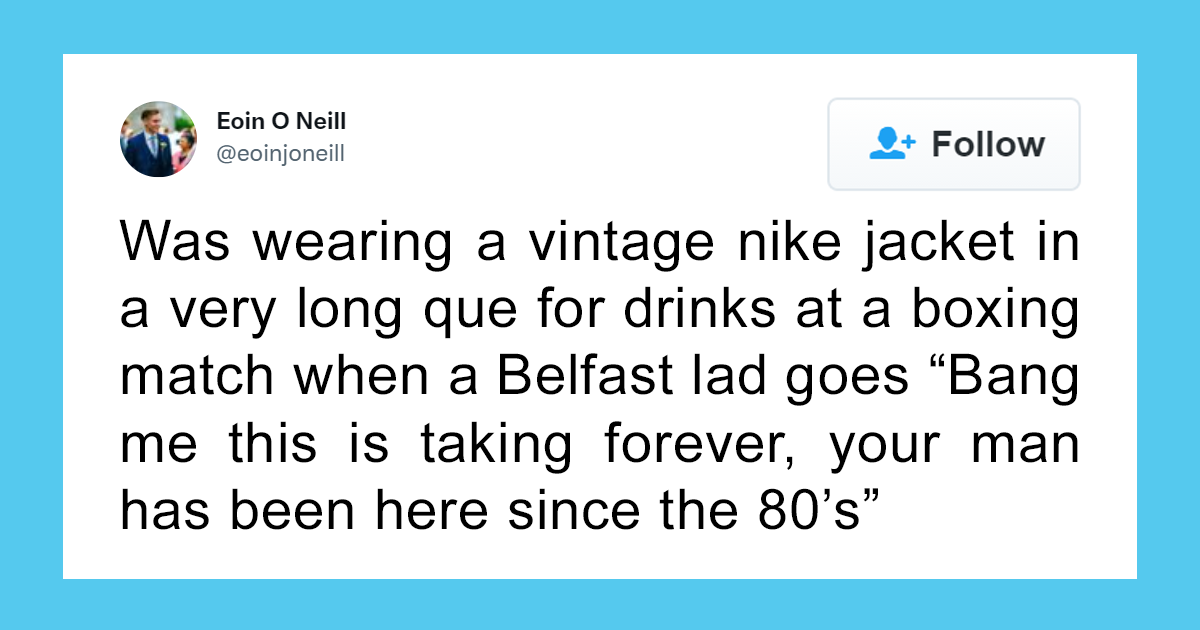
In Irish cities like Dublin, Cork, Galway, and Belfast, street style blends practicality with personality. You will see vintage jackets, oversized scarves, chunky trainers, wool coats, leather boots, thrifted pieces, bold hair, strong eyeliner, school-uniform references, sportswear, and old-man knitwear made cool by sheer confidence.
The result is not polished in the same way as Paris or Milan. It is more lived-in. More conversational. Irish street style can look like someone got dressed for errands, weather, coffee, heartbreak, and an unexpected gig in the same afternoon. That flexibility is part of the charm.
Irish fashion also loves a bit of contradiction. Soft dresses with heavy shoes. Romantic blouses under practical coats. Tweed caps with modern sneakers. Vintage denim with heirloom knitwear. It is not about matching perfectly; it is about creating a look that feels human.
Why Irish Fashion Feels So Authentic
Authenticity is one of those words that gets abused in marketing until it starts begging for a vacation. But in Irish fashion, authenticity actually means something. Many Irish style signatures are connected to real materials, real places, real weather, and real work.
Aran knitwear was not invented for social media. Tweed was not designed for a two-week trend cycle. Linen was not created to look good under fluorescent dressing-room lights. These materials earned their place through usefulness, craft, and beauty.
That gives Irish fashion a depth that fast trends struggle to copy. When a garment has a story, it does not need to scream. It can simply exist with quiet confidence. And quiet confidence, as any stylish person knows, is much more powerful than a logo the size of a dinner plate.
How to Dress With Irish-Inspired Style Without Looking Like a Costume
The trick to Irish-inspired fashion is restraint. You do not need to wear every heritage item at once. Please do not combine a shamrock tie, green pants, novelty hat, and fake accent. That is not style; that is a cry for help from the accessories department.
Start with one strong piece. A cream Aran sweater. A Donegal tweed blazer. A linen shirt. A wool overcoat. A vintage scarf. Then build around it with modern basics. Good denim, tailored trousers, simple boots, clean sneakers, or a structured bag can keep the look fresh.
Irish-Inspired Outfit Ideas
For a casual look, try an Aran sweater with straight-leg jeans, leather boots, and a navy raincoat. For a sharper outfit, wear a Donegal tweed blazer with a white shirt, dark trousers, and loafers. For warmer weather, choose an Irish linen shirt with relaxed chinos or a midi skirt. For a fashion-forward look, mix a romantic lace blouse with an oversized wool coat and chunky shoes.
The key is to let texture do the work. Irish-inspired style is not about dressing like a postcard. It is about borrowing the best ideas: durability, craft, natural fibers, mood, comfort, and a tiny bit of storm-cloud drama.
The Humor of Irish Fashion: Serious Clothes, Unserious Attitude
One of the best things about Irish style is that it rarely feels too precious. Even when the clothes are beautiful, there is often a sense of humor nearby. Maybe it is the weather. Maybe it is the cultural talent for storytelling. Maybe it is impossible to take yourself too seriously when your umbrella has just turned inside out in front of twelve strangers.
This humor gives Irish fashion personality. A dramatic coat is better when worn with a grin. A perfect scarf is better when it looks like it has survived three adventures. A vintage sweater is better when it comes with a family story, even if that story is mostly about someone spilling tea on Christmas Eve.
Fashion can become exhausting when it acts like a private club. Irish style, at its best, feels more like a conversation. It says, “Come in, warm up, tell me where you got that jacket.” That is a much better energy than silent judgment under boutique lighting.
Experience Notes: What Irish Fashion Teaches in Real Life
Spend enough time observing Irish-inspired fashion and you start to notice that the best outfits are not the loudest ones. They are the ones that look ready for life. A truly good sweater is not just photogenic; it is the thing you reach for on a cold morning without thinking. A proper coat is not just a silhouette; it is protection, confidence, and portable architecture. Boots are not just accessories; they are a negotiation with the ground.
That is the first lesson: style should work. There is something refreshing about clothing that does not collapse under normal human activity. Irish fashion reminds us that elegance does not have to be fragile. You can look fantastic and still walk across wet pavement. You can wear something beautiful and still be warm enough to enjoy your day. That should not feel revolutionary, but after years of uncomfortable trend pieces, it kind of does.
The second lesson is that texture is underrated. Many people try to make outfits interesting by adding more colors, more logos, or more accessories. Irish style often takes the opposite route. It layers cream wool, gray tweed, brown leather, washed denim, crisp linen, or dark cotton. The result feels rich without being noisy. It is the clothing equivalent of a low voice in a crowded room.
The third lesson is that heritage works best when it is personal. An Aran sweater is stylish, but it becomes more powerful when worn naturally instead of costume-like. A tweed cap can be charming, but only if it feels like part of the person, not a prop purchased five minutes before taking tourist photos. Irish-inspired pieces are strongest when they blend into real wardrobes: a sweater with jeans, a tweed jacket with sneakers, a linen shirt with rolled sleeves, a lace collar under a plain crewneck.
The fourth lesson is confidence. Irish fashion does not beg for approval. It often has a slightly stubborn quality, as if the outfit has already survived worse opinions than yours. That is useful for anyone trying to build personal style. The goal is not to look like everyone else. The goal is to look like yourself, only warmer, sharper, and better prepared for surprise rain.
The fifth lesson is humor. Clothes are important, but they are not sacred objects. Wear the dramatic coat. Try the big scarf. Let your sweater look a little lived-in. If the wind ruins your hair, congratulations, you now have editorial movement. Irish style understands that life is messy, and the best outfits leave room for the mess.
So yes, apparently, the Irish are savages when it comes to fashion. Not because they ignore style, but because they understand something deeper: clothes should have backbone. They should carry history, handle weather, tell stories, and still make you feel like you could walk into a room and start a very good conversation.
Conclusion: Irish Fashion Is Heritage With a Wild Smile
Irish fashion is not a single look. It is a living mix of craft, climate, history, humor, rebellion, and modern imagination. It includes Aran sweaters, Donegal tweed, Irish linen, lace, practical layering, vintage finds, and runway ideas that travel far beyond the island itself.
What makes it special is not just the clothing, but the attitude. Irish style knows how to be useful without becoming dull. It knows how to be romantic without becoming silly. It knows how to honor the past without dressing like a museum intern who got locked in overnight.
In the end, the Irish approach to fashion feels bold because it is rooted in reality. It is built for weather, movement, storytelling, music, streets, family, craft, and character. That is why it lasts. Trends come and go, but a great wool sweater, a sharp tweed coat, a linen shirt, and a sense of humor will always have a place.

