
Skincare
Rooibos Tea: Benefits, Nutrition, and How to Drink It
Jun
Rooibos tea is the kind of drink that quietly walks into your kitchen, takes off its shoes, and becomes part of the family. It is naturally caffeine-free, gently sweet, smooth without much bitterness, and versatile enough to show up as a hot bedtime tea, an iced summer drink, or a cozy latte with cinnamon. In other words, rooibos is not trying to be coffee. It is not trying to be green tea. It is happily doing its own red-golden thing.
Often called “red bush tea,” rooibos comes from the Aspalathus linearis plant, which grows mainly in South Africa. Although people commonly call it tea, rooibos is technically an herbal infusion, not a true tea like black, green, white, or oolong tea. True teas come from the Camellia sinensis plant. Rooibos comes from a shrub, which is why it contains no natural caffeine and has a different antioxidant profile.
So, is rooibos tea good for you? For most people, yes, it can be a healthy, hydrating, low-calorie drink. It contains polyphenols, including antioxidants such as aspalathin and nothofagin, and it is naturally low in tannins compared with many traditional teas. Still, rooibos is not a magic potion. It will not cancel out a diet built on drive-thru fries and emotional support cookies. But as part of a balanced lifestyle, it can be a smart, soothing beverage choice.
What Is Rooibos Tea?
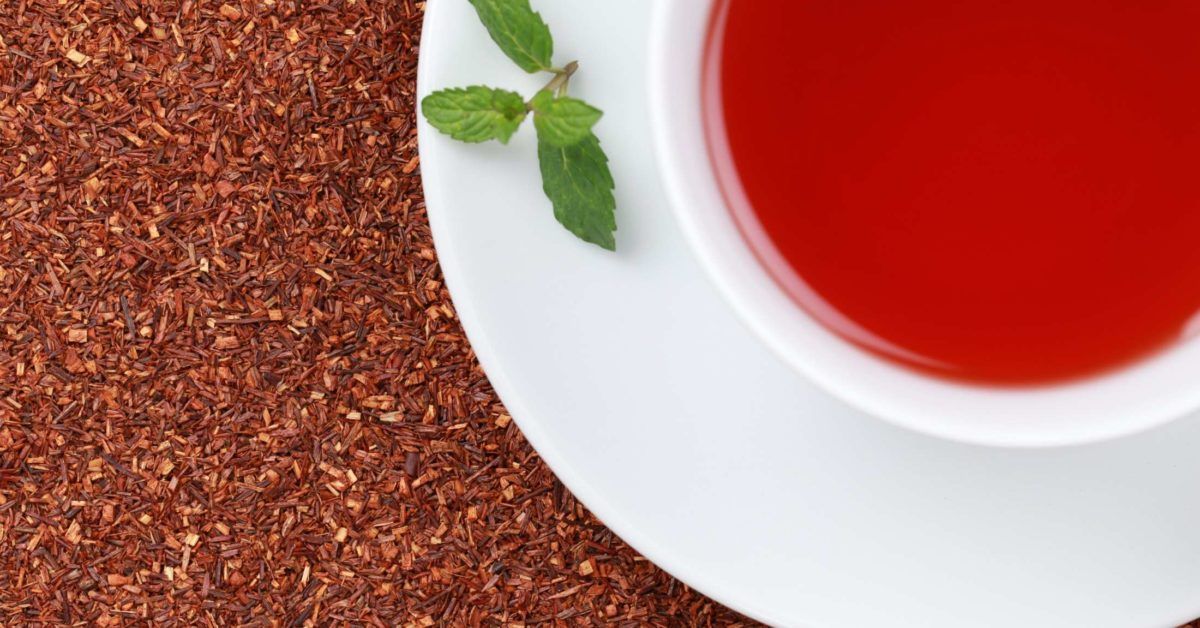
Rooibos tea is made from the needle-like leaves and stems of the rooibos shrub. After harvesting, the plant material is usually cut, bruised, fermented, and dried. This process gives traditional rooibos its familiar reddish-brown color and naturally sweet, earthy flavor. It is often described as nutty, woody, honey-like, or lightly vanilla-ish, even when no flavoring is added.
There are two main types of rooibos tea: red rooibos and green rooibos. Red rooibos is fermented, which deepens its color and creates a round, mellow flavor. Green rooibos is unfermented or minimally oxidized, so it tastes fresher and grassier and may contain higher levels of certain antioxidants. Red rooibos is more common in grocery stores, tea bags, and flavored blends, while green rooibos is often found in specialty tea shops.
Rooibos Tea Nutrition: What Is in a Cup?
Plain brewed rooibos tea is very light nutritionally, which is part of its appeal. A cup of unsweetened rooibos has virtually no calories, no fat, no cholesterol, and no added sugar. It also contains no natural caffeine. That makes it a useful option for people who want a warm drink without turning their nervous system into a marching band.
Rooibos does contain small amounts of minerals such as calcium, magnesium, potassium, manganese, zinc, copper, and fluoride, though the amounts in a typical cup are not large enough to replace nutrient-rich foods. Its main nutritional value comes from plant compounds, especially polyphenols and flavonoids. These compounds help explain why rooibos is often discussed in relation to antioxidant support, heart health, and blood sugar metabolism.
Basic nutrition profile of plain rooibos tea
- Calories: About 0 to 2 calories per cup when plain
- Caffeine: Naturally caffeine-free
- Sugar: 0 grams unless sweetener is added
- Fat: 0 grams
- Carbohydrates: Essentially none in plain brewed tea
- Key compounds: Polyphenols, flavonoids, aspalathin, nothofagin, quercetin, and luteolin
The important detail is the word “plain.” Rooibos tea can go from a nearly calorie-free drink to a dessert in a mug if it is loaded with sugar, sweetened creamers, syrups, whipped cream, and caramel drizzle. A rooibos latte can still be a lovely treat, but nutritionally it is very different from a simple cup of brewed rooibos.
Top Rooibos Tea Benefits
1. Rooibos is naturally caffeine-free
One of the biggest benefits of rooibos tea is that it contains no natural caffeine. This makes it a helpful choice for people who are sensitive to caffeine, trying to improve sleep, managing anxiety, limiting caffeine during pregnancy under medical guidance, or simply tired of calculating whether one more coffee will make their eyelid twitch.
Because rooibos is caffeine-free, it can be enjoyed in the evening without the same concern associated with black tea, green tea, coffee, or energy drinks. It is especially useful for people who enjoy the ritual of tea but do not want stimulation before bed. A warm mug of rooibos after dinner can satisfy the desire for something cozy without inviting caffeine to host a midnight drum solo.
2. Rooibos contains antioxidants
Rooibos tea contains several antioxidants, including aspalathin, nothofagin, quercetin, and luteolin. Antioxidants help neutralize free radicals, unstable molecules that can contribute to oxidative stress. Oxidative stress is linked with aging and many chronic health conditions, although drinking one antioxidant-rich beverage does not guarantee disease prevention.
Research on rooibos is promising but still limited, especially in humans. Laboratory and animal studies suggest antioxidant and anti-inflammatory potential, while some small human studies suggest rooibos may improve antioxidant status. The key takeaway is balanced: rooibos can contribute beneficial plant compounds to your diet, but it should not be marketed as a cure-all. If a tea label promises to fix your entire life, your inbox, and your lower back, please raise an eyebrow.
3. It may support heart health
Some studies have examined rooibos tea in relation to cardiovascular markers such as cholesterol, oxidative stress, and blood pressure-related pathways. In one often-cited human study, adults at risk for heart disease drank several cups of rooibos daily for a period of weeks and showed improvements in markers related to oxidative stress and lipid profile. Other research suggests rooibos compounds may influence ACE activity, a pathway involved in blood pressure regulation.
That said, rooibos should not be treated as a replacement for prescribed heart medication, regular exercise, a high-fiber diet, or medical care. Think of it as a heart-friendly beverage swap. Replacing sugary drinks with unsweetened rooibos may support a healthier routine. Replacing a cardiologist with a teapot is not the plan.
4. It may help with blood sugar-friendly habits
Rooibos has attracted attention for its unique antioxidant aspalathin, which has been studied for possible effects on glucose metabolism and insulin sensitivity. Most of the strongest evidence is still from laboratory and animal research, but early human evidence suggests rooibos may have potential in blood sugar management.
For everyday use, the most practical blood sugar benefit may be simple: rooibos tastes naturally sweet without sugar. If it helps you replace sweet tea, soda, flavored coffee drinks, or late-night desserts, that change can matter. A naturally sweet, unsweetened drink is a quiet nutritional win. It is not dramatic. It will not get a movie trailer. But it helps.
5. Rooibos is low in tannins
Tannins are plant compounds found in tea, wine, cocoa, and other foods. They contribute bitterness and astringency, which is why some strong teas make your mouth feel like it just read a legal contract. Rooibos is naturally low in tannins compared with black tea and green tea. This gives it a smoother taste and makes it less likely to become harsh when steeped longer.
Low tannin levels may also be useful for people who are concerned about iron absorption. High-tannin beverages can reduce absorption of non-heme iron from plant foods when consumed with meals. Rooibos is not completely free of tannins, but it is generally considered lower in tannins than many traditional teas.
6. It supports hydration
Rooibos tea is mostly water, so it contributes to daily fluid intake. Since it has no caffeine, it is especially easy to use as an all-day hydration drink. It can be served hot in cold weather or iced in summer. Unsweetened iced rooibos with lemon, mint, or orange slices is a flavorful alternative to soda and sweet tea.
Hydration is not glamorous, but it is essential. Sometimes the most useful wellness habit is not exotic. It is simply drinking enough fluids without turning every beverage into a sugar festival. Rooibos can help with that.
7. It is gentle, versatile, and easy to enjoy
Rooibos has a mellow flavor that works well plain or blended with spices, fruit, vanilla, cocoa, citrus peel, or herbs. It does not become as bitter as black or green tea if steeped for a long time, making it beginner-friendly. If you have ever ruined green tea by steeping it until it tasted like boiled lawn clippings, rooibos may feel refreshingly forgiving.
Possible Side Effects and Safety Considerations
Rooibos tea is generally considered safe for most healthy adults when consumed in normal food amounts. Many people drink it daily without problems. However, “natural” does not always mean “risk-free,” especially when herbs are consumed in large quantities or used as supplements.
Rare case reports have linked heavy rooibos or rooibos-containing herbal tea intake with liver problems. These reports do not prove that moderate rooibos consumption is dangerous for everyone, but they do suggest caution for people with liver disease, unexplained liver enzyme changes, or complex medication routines.
Some compounds isolated from rooibos have shown estrogen-like activity in laboratory research. People with hormone-sensitive conditions, such as certain breast cancers or other estrogen-sensitive cancers, should ask a healthcare professional before drinking rooibos regularly or taking concentrated rooibos supplements.
Anyone taking prescription medications, undergoing cancer treatment, managing chronic liver disease, or pregnant or breastfeeding should check with a qualified healthcare provider before using rooibos medicinally. A casual cup is one thing; drinking large amounts every day because the internet said it “detoxes everything” is another.
How to Drink Rooibos Tea
Classic hot rooibos
To make a simple cup, use one tea bag or one teaspoon of loose rooibos per 8 ounces of hot water. Pour boiling water over the tea and steep for 5 to 10 minutes. Rooibos is forgiving, so a longer steep usually creates a richer flavor rather than harsh bitterness. Remove the tea bag or strain the leaves, then drink it plain or add milk, lemon, honey, or cinnamon.
Rooibos latte
For a caffeine-free latte, brew rooibos extra strong using less water or two tea bags. Warm your milk of choice, then froth it and pour it over the concentrated tea. Add vanilla, cinnamon, nutmeg, or a small amount of maple syrup if desired. Oat milk pairs especially well with rooibos because both have a naturally sweet, rounded flavor.
Iced rooibos tea
For iced rooibos, brew a strong batch and chill it in the refrigerator. Serve over ice with lemon slices, orange wedges, berries, mint, or a splash of unsweetened cranberry juice. Because rooibos is naturally sweet, it often needs little or no added sugar. This makes it a smart substitute for bottled iced teas that can contain as much sugar as dessert pretending to be hydration.
Cold-brew rooibos
Cold brewing produces a smooth, mellow flavor. Add one tablespoon of loose rooibos or two tea bags to 16 ounces of cold water. Refrigerate for 8 to 12 hours, then strain. Cold-brew rooibos is excellent for meal prep because you can make a pitcher and keep it ready for busy days.
Spiced rooibos
Rooibos works beautifully with warming spices. Try simmering it with cinnamon sticks, ginger slices, cloves, cardamom, and orange peel. Add milk for a caffeine-free chai-style drink. This is a great evening option when you want something cozy but do not want coffee keeping you awake while your ceiling fan becomes suddenly fascinating at 1:00 a.m.
How Much Rooibos Tea Should You Drink?
There is no official universal dosage for rooibos tea. For general enjoyment, one to three cups per day is a reasonable amount for many healthy adults. Some clinical studies have used higher intakes, such as multiple cups daily, but that does not mean everyone needs that much.
The best approach is moderation. Start with one cup and see how your body responds. If you enjoy it, add another cup during the day or use it as an evening drink. Avoid treating rooibos as a supplement unless your healthcare provider approves, especially if you have medical conditions or take medications.
Red Rooibos vs. Green Rooibos
Red rooibos is the classic version. It is fermented, darker, sweeter, and more widely available. Green rooibos is not fermented, so it has a lighter color and a fresher, more herbal taste. Green rooibos may contain higher levels of certain antioxidants, especially aspalathin, because less processing can preserve some compounds.
Which one is better? Nutritionally, green rooibos may have a slight antioxidant advantage. Flavor-wise, red rooibos wins for many people because it is smoother and naturally sweeter. The best choice is the one you will actually drink without needing to drown it in sugar. A theoretically superior tea sitting untouched in your cabinet is not doing much for your wellness routine except collecting dust with confidence.
Best Times to Drink Rooibos Tea
Rooibos can be enjoyed almost any time of day. In the morning, it is a gentle option for people reducing caffeine. In the afternoon, it can replace sugary drinks or snack-time coffee. In the evening, it makes a calming after-dinner ritual. Because it is caffeine-free, it is especially useful as a bedtime beverage.
For digestion comfort, some people enjoy rooibos after meals. For hydration, iced rooibos works well throughout the day. For cravings, a vanilla rooibos latte can satisfy the desire for something sweet and creamy with less sugar than many coffeehouse drinks.
Who May Benefit Most from Rooibos Tea?
Rooibos tea may be especially appealing for people who want to reduce caffeine, improve hydration, avoid added sugars, or build a more relaxing evening routine. It can also be useful for people who find green tea too bitter or black tea too strong. Because it is low in tannins and naturally smooth, it is one of the easiest herbal teas to enjoy without sweetener.
It may also fit well into heart-conscious and blood sugar-conscious eating patterns when consumed unsweetened. The beverage itself is not a treatment, but it can support healthier habits by replacing less nutritious drinks.
Who Should Be Careful with Rooibos?
People with liver disease, hormone-sensitive cancers, or complicated medication routines should ask a healthcare provider before drinking rooibos frequently or using rooibos extracts. Pregnant and breastfeeding people should also discuss regular herbal tea intake with a clinician, because herbal products can vary in strength, quality, and safety data.
Children can usually drink small amounts of plain rooibos, but it is still wise to avoid turning any herbal tea into a medical remedy without professional guidance. Also, sweeteners matter. A child drinking rooibos with three spoonfuls of sugar is mostly learning the ancient art of sweetened beverages.
Simple Rooibos Tea Recipes
Honey-lemon rooibos
Brew one cup of rooibos for 7 minutes. Add a squeeze of lemon and a small drizzle of honey. This is bright, soothing, and excellent for chilly evenings.
Vanilla cinnamon rooibos latte
Brew two rooibos tea bags in half a cup of boiling water for 8 to 10 minutes. Add warm frothed milk, a drop of vanilla extract, and a pinch of cinnamon. Sweeten lightly if needed.
Orange mint iced rooibos
Brew four cups of strong rooibos and chill. Serve over ice with orange slices and fresh mint. This is a great no-caffeine drink for cookouts, workdays, or moments when water feels too responsible.
Experience Section: Living With Rooibos Tea in a Real-Life Routine
Rooibos tea fits into daily life in a way that feels refreshingly low-pressure. Some wellness habits arrive wearing a whistle and demanding discipline. Rooibos simply shows up with a mug and says, “Would you like something warm?” That is part of its charm. It is not a complicated ritual. You do not need special equipment, a subscription box, or a cabinet full of powders with names that sound like retired planets.
For many people, the first pleasant surprise is the flavor. Rooibos has a natural sweetness that makes it easier to drink plain. If you are used to black tea with sugar or coffee with flavored creamer, rooibos can help bridge the gap between “I want something comforting” and “I do not want to drink dessert three times a day.” It tastes round and cozy, especially with cinnamon, vanilla, or a splash of milk.
A practical way to start is to replace one daily drink with rooibos. For example, if you usually have a second afternoon coffee but do not truly need the caffeine, brew rooibos instead. You still get the warm-cup ritual, the pause in your day, and the feeling of having a beverage buddy at your desk. What you skip is the possible late-day caffeine effect that can make bedtime feel like negotiating with a raccoon in your brain.
Rooibos is also useful for evening routines. Many people want something after dinner, especially while reading, watching a show, or winding down. A cup of rooibos can replace late-night snacking when the craving is more about comfort than hunger. It gives your hands something to hold and your taste buds something to enjoy. Add a little milk and cinnamon, and it starts to feel like a tiny dessert that remembered to behave itself.
Another real-life advantage is that rooibos is hard to ruin. Green tea can turn bitter if over-steeped. Black tea can become overly strong. Rooibos is much more forgiving. You can steep it for 5 minutes or forget it for 12 while answering an email, and it will probably still taste fine. This makes it excellent for busy mornings, distracted parents, remote workers, and anyone whose kettle habits are less “tea ceremony” and more “where did I put my mug?”
Iced rooibos is especially helpful for people trying to drink less soda. Brew a pitcher, chill it, and add citrus or berries. The result is colorful, refreshing, and naturally caffeine-free. It feels more interesting than plain water but does not require the sugar load of bottled tea or soft drinks. In warm weather, orange mint rooibos over ice can become one of those small routines that makes a regular Tuesday feel slightly more organized.
Rooibos also travels well across moods. Need calm? Drink it hot and plain. Want cozy? Make a latte. Want refreshing? Pour it over ice. Want something festive? Add spices and orange peel. Few drinks are this adaptable without becoming fussy. That flexibility is why rooibos is easy to keep around even if you are not a “tea person.” It does not demand loyalty. It just waits patiently in the pantry until your next caffeine-free moment.
The best experience with rooibos comes from treating it as a supportive habit, not a miracle cure. Drink it because it tastes good, helps you hydrate, gives you a caffeine-free option, and can replace less helpful beverages. Let the health benefits be a bonus, not a burden. That mindset keeps rooibos where it belongs: in your cup, not on a pedestal.
Conclusion
Rooibos tea is a naturally caffeine-free herbal drink with a smooth, slightly sweet flavor and a useful collection of plant compounds. It contains antioxidants, is low in tannins, contributes to hydration, and may support heart and blood sugar-friendly habits when used as part of a balanced diet. It is easy to drink hot, iced, cold-brewed, or as a latte, and it can be a smart swap for sugary beverages or late-day caffeine.
The most honest view is also the most useful: rooibos is healthy, but it is not magical. Human research is promising but limited, and people with liver conditions, hormone-sensitive cancers, pregnancy, breastfeeding, or medication concerns should ask a healthcare professional before drinking large amounts. For most people, however, a daily cup or two of plain rooibos can be a comforting, flavorful, and genuinely pleasant addition to a healthy routine.
Note: This article is for educational and informational purposes only. It should not replace medical advice, diagnosis, or treatment from a qualified healthcare professional.

