
Skincare
A Kitchen Makeover With Penny Tile And Open Shelves
Jun
A kitchen makeover does not always need a wall-moving, budget-devouring, “why is there a bathtub in the dining room?” kind of renovation. Sometimes, the magic happens when two hardworking design choices team up: penny tile and open shelves. One brings texture, shine, and vintage charm. The other brings airiness, easy access, and a place to show off the pretty bowls you swore you would use every day.
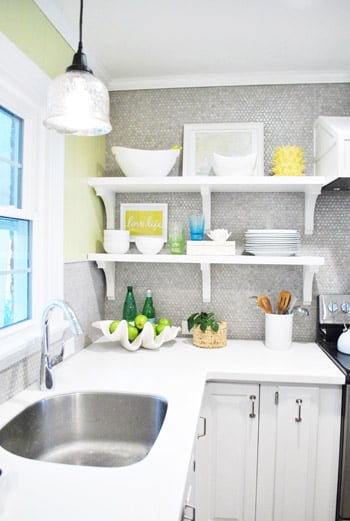
A kitchen makeover with penny tile and open shelves works because it balances personality with practicality. Penny tile adds visual movement without screaming for attention, while open shelving lightens the room and makes everyday items feel intentionally styled. Together, they can turn a cramped or outdated kitchen into a brighter, warmer, more personal spacewithout making the room look like it is trying too hard.
Of course, like all great design ideas, the details matter. The right grout color, shelf material, spacing, lighting, and storage plan can make the difference between “charming modern cottage” and “I accidentally opened a dishware museum.” This guide walks through how to plan, design, install, and live with a kitchen that uses penny tile and open shelves beautifully.
Why Penny Tile Works So Well in a Kitchen Makeover
Penny tile has been around for generations, but it still feels fresh because it offers something many kitchens desperately need: texture. The small round tiles create a soft pattern that catches light in a way flat paint or oversized tile cannot. In a kitchen, where cabinets, appliances, and countertops can create lots of hard lines, penny tile adds a friendly curve. Think of it as the design equivalent of putting a pillow on a wooden bench.
One of the biggest advantages of penny tile is its flexibility. It can look vintage, farmhouse, modern, coastal, industrial, or playful depending on the color, finish, and grout. White penny tile with light grout feels clean and timeless. White tile with dark grout looks graphic and classic. Glossy blue or green penny tile gives the kitchen a cheerful handmade effect. Matte black or charcoal penny tile can create a dramatic, grown-up backsplash that says, “Yes, I own matching dinner plates now.”
Penny Tile Adds Character Without Overwhelming the Room
Because penny tile is small, it creates detail at close range while reading as a larger field from a distance. That makes it ideal for kitchens where you want visual interest but do not want the backsplash to compete with cabinets, counters, or open shelves. A penny tile backsplash can be the quiet star of the room: interesting, photogenic, and very good at making plain cabinets look intentional.
For smaller kitchens, penny tile can also help the wall feel more layered and complete. When installed from countertop to ceiling, it can visually stretch the room upward. When used only between the countertop and shelves, it creates a polished zone that frames the work area. Either approach can work, but the best choice depends on budget, ceiling height, and how bold you want the final kitchen to feel.
Why Open Shelves Change the Whole Feeling of a Kitchen
Open shelves have a reputation. Some people love them because they make a kitchen feel breezy and curated. Others fear them because dust exists, grease exists, and not everyone wants their cereal bowls judged by visitors. Both sides have a point. Open shelving is beautiful when it is planned well, but it needs discipline. The shelves should hold items you use, love, or both. They should not become a parking garage for plastic containers without lids.
In a kitchen makeover, replacing some upper cabinets with open shelves can instantly make the room feel larger. This is especially helpful in narrow kitchens, galley kitchens, older homes, and layouts where heavy upper cabinets make the walls feel crowded. Open shelves allow the backsplash to show, give the eye a place to rest, and make everyday pieces part of the design.
The Best Items to Store on Open Kitchen Shelves
The most successful open shelves usually hold everyday dishware, mugs, glassware, serving bowls, cutting boards, cookbooks, small plants, or one or two decorative pieces. The secret is repetition. A stack of white plates looks calm. A row of matching glasses looks useful. Three handmade bowls look charming. Seven unrelated novelty mugs, a blender manual, and a mystery charger look like a yard sale is trying to escape.
Use open shelves for items that rotate often. When plates, bowls, and glasses are used regularly, they do not sit long enough to gather much dust. Reserve closed cabinets for food packaging, small appliances, cleaning supplies, plastic storage containers, and anything that visually shouts when you need it to whisper.
Planning the Makeover: Start With Function, Not Pinterest Panic
Before choosing tile or shelves, study how the kitchen actually works. Where do you prep food? Where do you unload the dishwasher? Which cabinet is always a mess? Which corner has become the official family dumping ground for mail, keys, sunglasses, and one battery nobody understands? A good kitchen makeover improves daily life first and looks good second. Ideally, it does both while making you feel slightly smug when you make coffee.
For a penny tile and open shelf makeover, identify the best backsplash wall. Often, this is the wall behind the sink, range, or main prep counter. Then decide how much storage you can afford to remove. If your kitchen already lacks cabinets, do not rip out all the uppers just because a magazine kitchen looked dreamy. A balanced plan might include open shelves on one feature wall and closed cabinets elsewhere.
Measure Before You Fall in Love With Materials
Measure the backsplash area carefully, including height, width, outlets, windows, corners, and any range hood or shelf placement. Penny tile typically comes on mesh sheets, which makes installation easier than placing each tiny round tile individually. Thankfully, nobody needs to spend a weekend applying 4,000 circles one by one unless they have angered the renovation gods.
Order extra tile for cuts, mistakes, pattern matching, and future repairs. A common rule is to buy about 10 percent more than the measured square footage, though complex layouts may require more. Penny tile is forgiving in some ways because its small scale bends around visual quirks, but it also has many grout lines, so layout matters. Dry-fit sheets before installing to avoid awkward slivers at edges or outlets.
Choosing the Right Penny Tile for the Kitchen
Penny tile comes in porcelain, ceramic, glass, marble, and other materials. For kitchens, porcelain and ceramic are often practical choices because they are durable, widely available, and generally easier to maintain than porous stone. Glass penny tile can reflect light beautifully, especially in darker kitchens, but it may show adhesive issues or scratches if installed carelessly. Natural stone can look luxurious, but it usually requires sealing and more maintenance.
Finish also matters. Glossy penny tile bounces light and feels classic. Matte penny tile offers a softer, modern look and can help reduce glare. If the kitchen has simple cabinets and neutral counters, the tile can carry more personality. If the countertops are already busy, choose a quieter penny tile so the room does not feel like three design ideas are arguing at once.
Grout Color Can Make or Break the Look
Grout is not just filler. With penny tile, grout is a major design decision because small tiles mean many grout lines. Matching grout creates a softer, more seamless look. Contrasting grout highlights every circle and gives the backsplash a graphic pattern. Dark grout can hide some discoloration better than bright white grout, but it also makes the pattern more pronounced.
For a calm kitchen, pair white, cream, or pale gray penny tile with a similar grout color. For a vintage bistro effect, try white penny tile with charcoal or medium gray grout. For a moody design, dark tile with matching dark grout can feel sleek and dramatic. Avoid choosing grout in isolation; test it next to the tile, countertop, cabinet color, and shelf material.
Designing Open Shelves That Look Good and Work Hard
Open shelves should feel integrated, not like boards randomly attached after everyone got tired. Choose shelf material based on the mood of the kitchen. Natural wood shelves add warmth and contrast beautifully with white or gray penny tile. Painted shelves can blend into the wall for a softer look. Metal brackets add industrial character, while hidden brackets create a cleaner floating effect.
Depth is important. Shelves that are too shallow cannot hold dinner plates safely. Shelves that are too deep can feel bulky and may become clutter magnets. Many kitchens do well with shelves around 10 to 12 inches deep for dishware, but the right size depends on what you plan to store. Measure your plates, bowls, and glasses before choosing shelf depth. Your dinner plates deserve a shelf they can actually fit on.
Spacing Shelves Over Penny Tile
When shelves sit on a penny tile backsplash, spacing affects both function and style. Leave enough room between the counter and first shelf for small appliances, a coffee maker, or prep space. A common approach is to place the lowest shelf roughly 18 to 24 inches above the countertop, though this depends on ceiling height, tile layout, and how the kitchen is used.
If you install two shelves, avoid crowding them. The space between shelves should allow easy access to plates, glasses, or decor. Too little space makes shelves feel cramped; too much space can make them look disconnected. Align shelves with nearby cabinet lines, window trim, or range hood edges for a polished result.
Backsplash Layout Ideas for Penny Tile and Open Shelves
There are several ways to combine penny tile and open shelves. The simplest is a standard backsplash that runs from the countertop to the bottom of the shelves. This gives the kitchen texture without overwhelming the wall. For a more dramatic makeover, extend the penny tile to the ceiling behind the shelves. This creates a feature wall and makes the shelves look intentionally layered over the tile.
A full-height penny tile wall works especially well behind a sink or coffee station. It can also frame a range hood beautifully if shelves flank the hood on both sides. In smaller kitchens, carrying tile higher can make the room feel taller and more finished. The trade-off is cost and installation time, since more tile means more labor and more grout. Penny tile is charming, but it is not known for being shy about grout.
Where to End the Tile
One of the trickiest backsplash decisions is where to stop. A clean stopping point makes the whole kitchen look professional. Good options include ending tile at the edge of upper cabinets, aligning it with the countertop, running it to a corner, framing it with trim, or carrying it all the way to the ceiling. Avoid stopping tile randomly in the middle of a wall unless there is a strong design reason.
If open shelves are part of the plan, they can help define the tile area. For example, a penny tile backsplash behind two wood shelves can create a beautiful display zone above a beverage bar or prep counter. Use trim, caulk, or a clean edge profile to finish exposed sides neatly.
Lighting Makes the Makeover Feel Expensive
Lighting is the quiet hero of a kitchen makeover. Penny tile, especially glossy tile, looks better when light can skim across its surface. Under-shelf lighting can highlight the texture, brighten the countertop, and make the shelves feel custom. Even simple LED strips or puck lights can make a major difference when placed carefully.
Warm light is usually more flattering in kitchens than harsh, cool light. It makes wood shelves look richer, tile look softer, and midnight snacks look slightly more dignified. If possible, include layered lighting: ceiling lights for general brightness, task lighting for prep zones, and accent lighting around shelves or tile.
Budget-Friendly Ways to Get the Look
A kitchen makeover with penny tile and open shelves can be done at different budget levels. If a full renovation is not realistic, focus on the backsplash wall. Paint existing cabinets, update hardware, install penny tile, and replace one or two upper cabinets with shelves. This smaller project can still make the kitchen feel dramatically different.
Another budget-friendly strategy is to use penny tile only where it counts. Instead of tiling every wall, create a feature area behind the sink, range, or coffee bar. Pair it with simple painted walls elsewhere. Choose ready-made wood shelves instead of fully custom shelving, but make sure the brackets and anchors are strong enough for loaded dishes.
Save Money Without Making the Kitchen Look Cheap
Spend where durability matters: tile, grout, shelf support, and proper installation. Save on styling pieces by using what you already own. Plain white dishes, glass jars, wood boards, and a few cookbooks can look beautiful when grouped intentionally. You do not need to buy a new personality in ceramic form.
If your counters are dated but still functional, choose tile and paint colors that calm them down. For example, warm white penny tile, natural wood shelves, and simple brass or matte black hardware can distract from older countertops. The goal is harmony, not pretending the counters are not there. They know.
Common Mistakes to Avoid
The first mistake is installing too many open shelves. A wall full of shelves can look busy and may become difficult to maintain. Use open shelving as an accent, not a storage replacement for the entire kitchen. Closed storage still deserves respect. It hides the things real humans own.
The second mistake is choosing a grout color without testing it. Grout can completely change the tile’s appearance. A high-contrast grout makes penny tile bold and busy; a matching grout makes it subtle. Neither is wrong, but the choice should be intentional.
The third mistake is ignoring cleaning. Penny tile has more grout lines than larger tile, so sealing and maintenance matter. Use a backsplash-friendly cleaner, wipe grease-prone areas regularly, and avoid storing rarely used items on open shelves near the range. Grease plus dust is not patina. It is a small kitchen villain.
How to Style Open Shelves After the Makeover
Styling open shelves is part design, part restraint, and part accepting that not every mug deserves a public platform. Start with function. Place daily dishes and glasses within easy reach. Then add warmth with wood cutting boards, a small plant, a ceramic pitcher, or a framed print. Keep color consistent so the shelves feel calm.
Use odd-numbered groupings, vary heights, and leave breathing room. Negative space is not wasted space; it is what keeps shelves from looking like a storage emergency. If everything on the shelf is decorative, the kitchen may feel staged. If everything is practical but mismatched, it may feel chaotic. The sweet spot is useful, edited, and personal.
A Simple Shelf Styling Formula
Try this formula: one stack of plates, one stack of bowls, one row of glasses, one wood element, one small plant, and one decorative object. Repeat colors and materials across shelves. For example, white dishes, clear glass, warm wood, and one green plant can look fresh against white penny tile. Add black brackets or dark grout for contrast if the room needs definition.
The Final Look: Classic, Practical, and Personal
A kitchen makeover with penny tile and open shelves succeeds because it feels collected rather than copied. The penny tile brings texture and a hint of nostalgia. The shelves bring openness and personality. Together, they create a kitchen that feels lighter, more useful, and more alive.
This makeover style is especially effective for homeowners who want charm without clutter, character without chaos, and a design that works in real life. It can fit a small apartment kitchen, a cottage-style home, a modern farmhouse, or a classic older house that needs a fresh chapter. Best of all, it does not require every surface to be new. Sometimes, the best makeover is the one that works with what you already have and gives the room one strong, beautiful idea.
Real-Life Experience: What It Feels Like to Live With Penny Tile and Open Shelves
Living with a penny tile backsplash and open shelves is a little like adopting a very stylish pet. It brings joy, gets compliments, and occasionally requires wiping. The first thing most people notice is how much brighter the kitchen feels. Removing even one bulky upper cabinet can change the room immediately. Suddenly, the wall has depth. The tile catches light. The shelves create a horizontal line that feels calm and organized.
In daily use, the best part of open shelving is convenience. Plates are easy to grab. Glasses are easy to put away. Guests can find a mug without opening five cabinets and accidentally discovering your snack drawer. If the shelves are placed near the dishwasher or sink, unloading becomes faster. This is one of those small improvements that does not sound glamorous but makes the kitchen feel more efficient every day.
The penny tile also adds a surprising amount of personality. Even in a simple white kitchen, the round pattern gives the wall life. It looks especially good in morning light or under warm evening lighting. If the tile has a glossy finish, it reflects just enough light to make the kitchen feel clean and cheerful. If the grout is slightly darker, the pattern becomes more visible and gives the backsplash a vintage café feeling.
There are practical lessons, too. Open shelves work best when they are not overloaded. At first, it is tempting to style them with everything cute in the house: bowls, vases, jars, plants, cookbooks, framed art, and possibly a tiny decorative rooster with big dreams. After a week, most people realize that simpler is better. Everyday dishes, a few warm wood pieces, and one or two accents are enough.
Cleaning is manageable if the shelves are used wisely. Items used every day rarely collect dust. Items used once a year should live behind doors. Shelves near a range need more frequent wiping because cooking grease travels with impressive confidence. A quick weekly wipe keeps the setup looking intentional instead of abandoned.
The biggest maintenance lesson is grout care. Penny tile has many grout lines, so choosing the right grout color and sealing it properly can save future frustration. Very white grout looks crisp but may need more attention. Medium gray, warm gray, or soft beige grout can be more forgiving while still looking clean. Around the sink and stove, regular wiping helps prevent discoloration.
Another real-world tip is to plan shelf strength carefully. Dishes are heavier than they look, especially when stacked. Floating shelves should be installed into studs or with appropriate heavy-duty support. This is not the place for optimistic hardware. Nobody wants to hear a midnight crash and discover that their open shelving has become open flooring.
Over time, the combination of penny tile and open shelves tends to age well when the palette is simple. White, cream, pale gray, soft green, navy, black, and natural wood all have staying power. Trendy colors can be fun, but for a permanent backsplash, it is smart to choose a shade you can imagine liking even after your current favorite paint color has retired from public life.
The best experience is emotional as much as practical. A kitchen with penny tile and open shelves feels more personal because everyday objects become part of the room. Your favorite bowl, the mug you reach for every morning, the cookbook with the stained pasta page, the little plant that refuses to give upthese pieces make the kitchen feel lived in. And that is the whole point of a makeover. Not perfection. Not showroom silence. A better, brighter, more useful room that makes ordinary routines feel a little more beautiful.
Conclusion
A kitchen makeover with penny tile and open shelves is a smart way to add charm, texture, storage, and personality without rebuilding the entire house. Penny tile brings movement and timeless appeal, while open shelves make the room feel lighter and more accessible. The key is balance: choose durable tile, test grout colors, install shelves securely, style them simply, and keep closed storage for the less photogenic parts of kitchen life.
When done well, this design combination feels classic but not boring, practical but not plain, and stylish without acting like it has its own publicist. Whether you are updating a tiny kitchen, refreshing a builder-basic space, or giving an older home a respectful modern lift, penny tile and open shelves can deliver a makeover that looks good, works hard, and still leaves room for real life.
Note: This article is written for general home design inspiration and is based on widely used kitchen remodeling, tile installation, backsplash planning, and open-shelving best practices from reputable U.S. home and design resources.

